
Used 2005 Conventional Sleeper Trucks For Sale
Browse used 2005 conventional sleeper trucks with specs buyers care about, including engine, sleeper size, wheelbase, drivetrain, and emissions-era details.
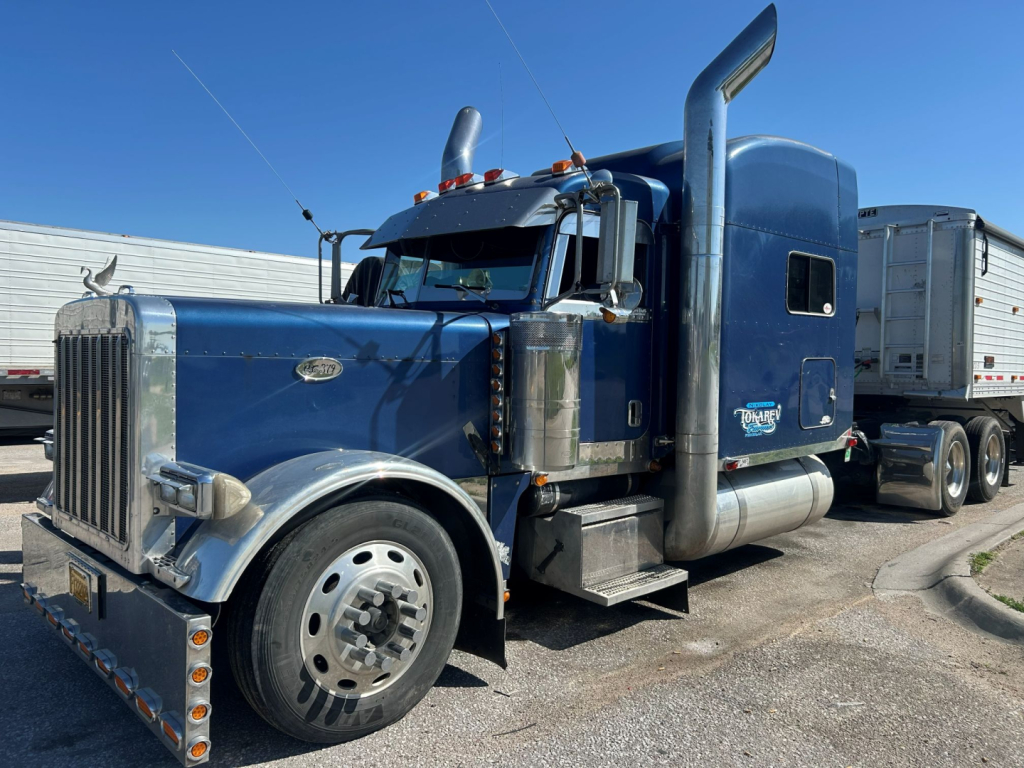
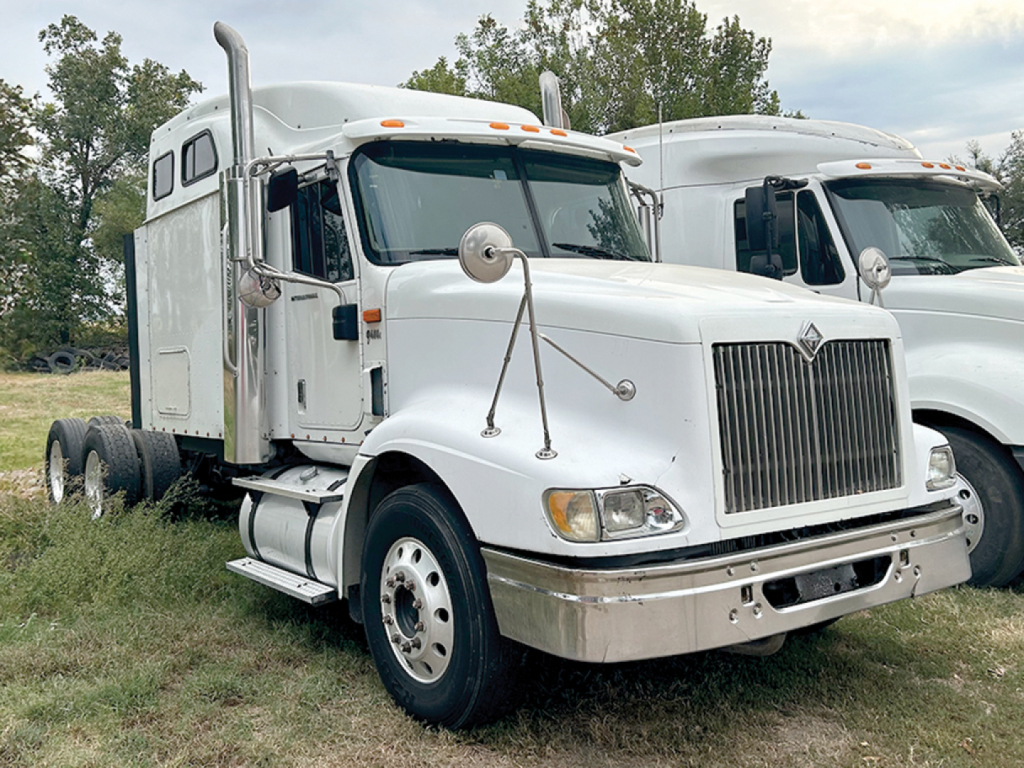
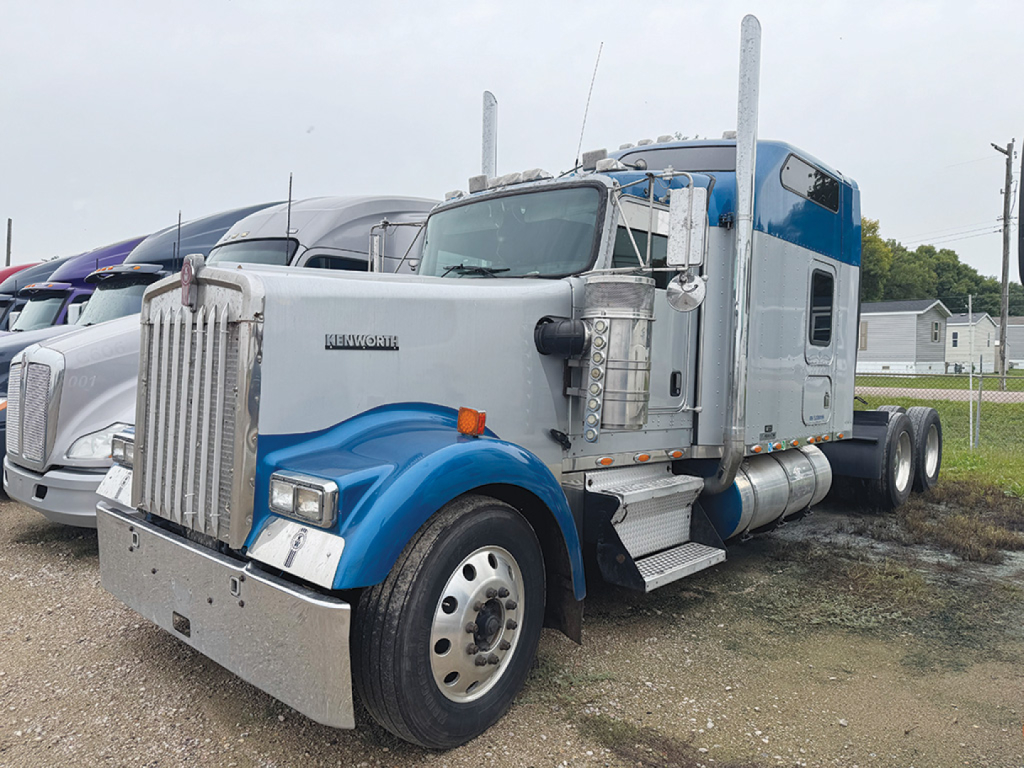
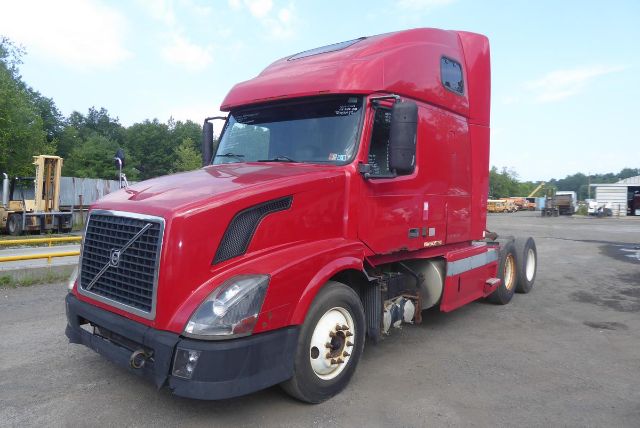
Selling a used 2005 conventional sleeper truck? List your used 2005 conventional sleeper truck for sale and reach thousands of commercial buyers.
Used 2005 Conventional Sleeper Trucks
The biggest buying decisions on a 2005 sleeper usually come down to engine family, transmission, rear axle ratio, and sleeper length. Common engines from this period include the Caterpillar C13 and C15, Cummins ISX, Detroit Diesel Series 60, Mercedes-Benz MBE4000, and Volvo D12 on certain makes. Manual 10-speed and 13-speed transmissions are common, though some fleet-spec automated manuals may appear. Many 2005 conventional sleeper trucks were built with tandem rear axles rated around 40,000 pounds, air ride suspension, sliding fifth wheels, and wheelbases set up for 53-foot van or reefer work. Fuel capacity, fairing package, and bunk configuration matter more than many buyers expect because they directly affect route range, driver comfort, and resale appeal.
Condition matters more than age alone on a 2005 model. A well-maintained pre-emissions tractor with documented inframe history, transmission work, rear end service, and cooling system repairs can be a stronger buy than a newer truck with deferred maintenance. Pay close attention to engine hours, signs of blow-by, clutch life, suspension wear, frame corrosion, and the condition of the sleeper HVAC, bunk heater, and APU if equipped. Buyers should also verify tire date codes, brake type, kingpin setting range on the fifth wheel, and whether the truck has drum or disc brakes. Interior wear on seats, dash switches, and bunk trim can also tell you a lot about how the truck was used.
A 2005 conventional sleeper is often a practical choice for operators who want a traditional long-nose highway tractor with living space and fewer emissions-related systems. It can fit owner-operators hauling dry van, refrigerated freight, flatbed, or specialized loads, provided the axle ratio and wheelbase match the application. Before buying, confirm the truck's GVWR and GCWR, check for any engine rebuild documentation, and make sure parts support is still strong for the engine and drivetrain spec. The right truck in this category is usually the one with a proven maintenance history, a driveline matched to your freight lanes, and a sleeper setup that supports the amount of time spent on the road.
Frequently Asked Questions about Used 2005 Conventional Sleeper Trucks
Why do many buyers look specifically for a 2005 conventional sleeper truck?
Many buyers target 2005 model conventional sleeper trucks because they are generally pre-2007 emissions trucks. That usually means no diesel particulate filter and a less complex exhaust aftertreatment system than later tractors. For some operations, that can reduce downtime, simplify maintenance, and make the truck easier to repair in-house. The tradeoff is age, so maintenance records and component condition are critical.
What engines are commonly found in used 2005 conventional sleeper trucks?
Common engines in 2005 conventional sleepers include the Caterpillar C13 and C15, Cummins ISX, Detroit Diesel Series 60, Mercedes-Benz MBE4000, and Volvo D12 in certain chassis. The right engine depends on your service network, your preferred power band, and how heavy you plan to run. Buyers should look beyond brand preference and confirm horsepower rating, torque, ECM history, overhaul records, and signs of proper preventive maintenance.
What should I inspect first on a used 2005 sleeper tractor?
Start with maintenance documentation, engine condition, and drivetrain health. Check for blow-by, coolant contamination, oil leaks, hard starting, abnormal smoke, and excessive crankcase pressure. Then inspect transmission operation, clutch wear if it is a manual, driveline vibration, suspension bushings, airbags, brakes, steering components, and frame condition. On the sleeper side, verify HVAC performance, bunk equipment, seals, and any APU or inverter operation.
Is a 2005 conventional sleeper truck good for long-haul freight?
Yes, many 2005 conventional sleeper tractors were built specifically for long-haul work and can still serve that role if the truck has been maintained properly. Key factors include sleeper size, fuel capacity, wheelbase, rear axle ratio, and overall reliability. A truck set up with the right gearing and a healthy engine can work well in dry van, reefer, and some flatbed operations, but buyers should match the spec to the route length, terrain, and freight weight.
Are parts still available for 2005 conventional sleeper trucks?
Parts availability is still solid for many 2005 conventional sleeper trucks, especially for common chassis and major engine platforms. Availability can vary by make, engine family, and whether the truck has proprietary components in the dash, body, or electrical system. Before purchase, it is smart to confirm local dealer and aftermarket support for the engine, transmission, suspension, and sleeper components so routine repairs do not turn into extended downtime.