
Used 2010 Conventional Sleeper Trucks For Sale
Browse used 2010 conventional sleeper trucks with common specs, sleeper sizes, engine options, drivetrain setups, and long-haul buyer tips.
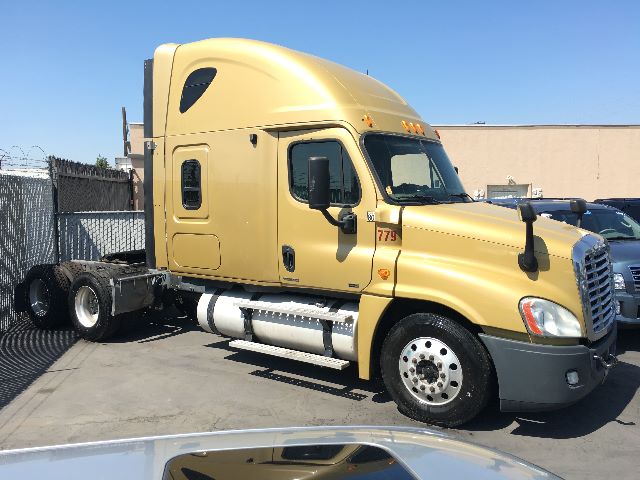
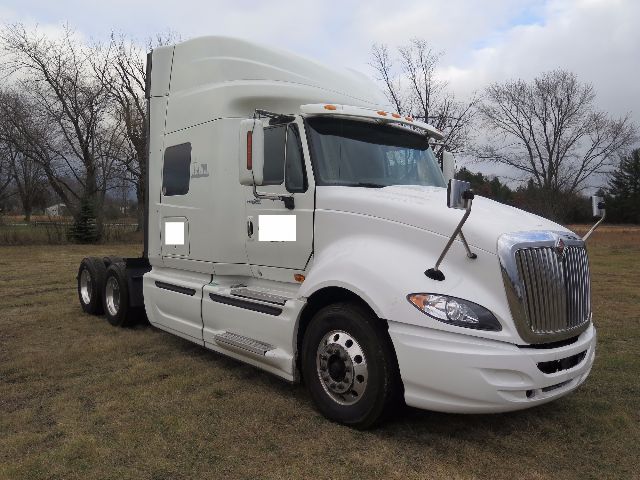
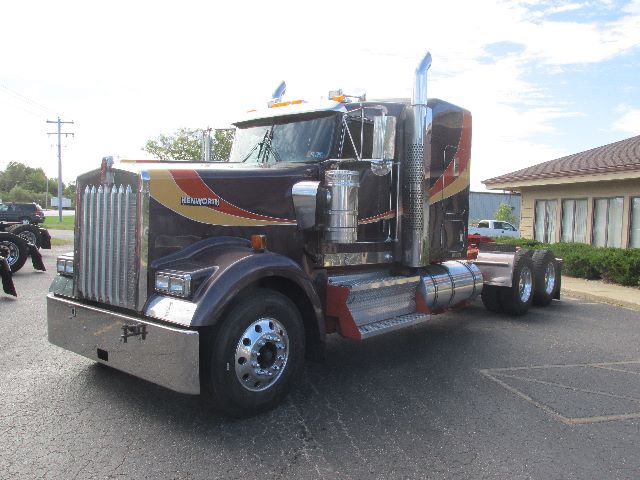

Selling a used 2010 conventional sleeper truck? List your used 2010 conventional sleeper truck for sale to reach thousands of commercial buyers.
Used 2010 Conventional Sleeper Trucks
Frequently Asked Questions about Used 2010 Conventional Sleeper Trucks
What engine and emissions issues matter most on a used 2010 conventional sleeper truck?
The 2010 model year sits in an important emissions period, so the first thing to confirm is the engine family and aftertreatment setup. Many 2010 trucks use EGR, DPF, and in some cases early SCR/DEF systems depending on make and engine. Buyers should review service records for DPF cleanings, sensor replacements, turbo history, injector work, EGR coolers, and any fault code patterns. A pre-purchase inspection should include blow-by checks, ECM downloads, parked regen behavior, and signs of repeated derates. On a 2010 truck, emissions reliability and documented maintenance often matter as much as mileage.
What sleeper size is common on a 2010 conventional sleeper?
Used 2010 conventional sleeper trucks commonly range from about 48 inches to 72 inches, with 60-inch, 70-inch, and 72-inch sleepers frequently found in over-the-road specs. Mid-roof sleepers can work well for regional freight and weight-sensitive applications, while high-roof sleepers provide more standing room, larger cabinets, and space for double bunks or driver amenities. The right sleeper depends on trip length, team operation needs, and how much interior storage matters to the business.
Are manual transmissions still common in 2010 sleeper trucks?
Yes. In the 2010 market, manual 10-speed, 13-speed, and 18-speed transmissions are still common, especially in owner-operator and vocational crossover specs. Automated manual transmissions are available in some units, but manuals remain prevalent enough that clutch condition, shifter feel, synchronizer wear, and drivetrain vibration deserve close attention. A manual can be a strong choice for buyers who want lower acquisition cost and simpler serviceability, but driver preference and route profile should guide the decision.
What rear axle ratio works best in a used 2010 sleeper tractor?
The best rear axle ratio depends on load, terrain, and cruise speed. Ratios such as 3.36, 3.55, and 3.70 are common in general highway use, while deeper ratios may appear in heavy-haul or mountain applications. A taller ratio can support lower cruise RPM and better fuel economy, but it needs to match engine torque, transmission gearing, and tire size. Buyers should look at the full drivetrain spec instead of judging the ratio by itself, because the wrong combination can hurt startability, grade performance, or fuel economy.
What should I inspect on the chassis and cab of a 2010 conventional sleeper truck?
Focus on frame condition, suspension wear, fifth wheel operation, air system leaks, and evidence of hard service. Check the cab mounts, sleeper mounts, steering components, crossmembers, and tandem alignment. Inside the cab and bunk, inspect HVAC performance, bunk heater or APU operation if equipped, dash electronics, seat base wear, and signs of water intrusion around doors, marker lights, or sleeper seams. On a 2010 truck, cab condition often reveals how well the unit was maintained over time.