
Used Conventional Sleeper Trucks For Sale in Ontario
Used conventional sleeper trucks in Ontario with raised-roof cabs, highway specs, and long-haul features for team or solo operations.
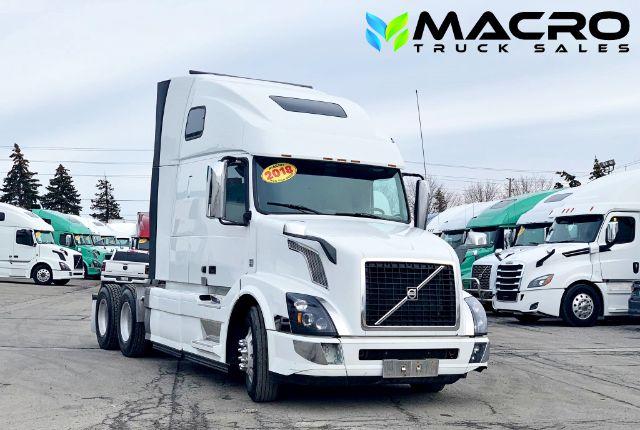
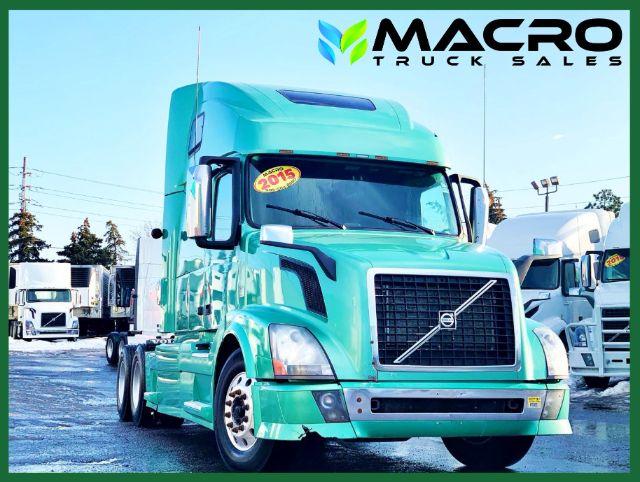

Selling a used conventional sleeper truck? List your used conventional sleeper truck for sale to reach thousands of commercial buyers.
Used Conventional Sleeper Trucks in Ontario
The core buying decision is usually powertrain and axle spec. Many used conventional sleepers are equipped with engines in the 400 to 500 horsepower range, including Detroit DD15, Volvo D13, Cummins X15, and Navistar N13 platforms. Transmissions are often automated manuals such as Detroit DT12 or Volvo I-Shift, though manual 10-speed and 13-speed units still appeal to some owner-operators and vocational crossover users. Rear axle ratings commonly land at 40,000 lb with ratios like 2.64, 2.85, or 3.08, and that ratio matters. Lower numerical ratios generally favor fuel economy on flat highway lanes, while deeper ratios can help in mixed terrain, heavier payloads, or operations crossing Northern Ontario and other routes with more grade and weather-related drag.
Cab and chassis details make a real difference in day-to-day use. Look closely at wheelbase, fifth wheel travel, fuel capacity, fairings, bunk heater, collision mitigation systems, and brake type. Air ride suspension is standard in most highway sleepers, and many later-model trucks carry disc brakes, aluminum wheels, and aerodynamic packages that improve stopping performance and reduce operating cost. Interior layout matters too. Upper bunks, workstation packages, inverter prep, storage, insulation, and HVAC performance affect driver retention as much as the purchase price does. In Ontario, buyers should also pay attention to cold-weather starting, idle management, bunk heater condition, and corrosion on frames, crossmembers, battery boxes, and cab steps due to winter road treatment.
A good used conventional sleeper should match the freight lane, not just the budget. For dry van and reefer carriers running 401 corridor miles or cross-border freight, an aerodynamic sleeper with an automated transmission and efficient axle ratio usually makes the most sense. For team operations, a taller condo-style sleeper with more storage and dual bunk access can improve uptime. Buyers comparing listings should evaluate mileage, maintenance history, emissions system service, tire and brake life, and any signs of excessive idle time or uneven driveline wear. The best value is often a truck with a proven engine-transmission combination, a sleeper layout that fits the route, and a spec that supports fuel economy without giving up durability.
Frequently Asked Questions about Used Conventional Sleeper Trucks in Ontario
What is a conventional sleeper truck?
A conventional sleeper truck is a Class 8 highway tractor with the engine mounted ahead of the cab and a built-in sleeping compartment behind the driver area. The conventional layout allows for better service access and typically supports larger sleepers than day cab models. These trucks are designed for long-distance hauling, overnight routes, and team driving where rest space, storage, and driver comfort are part of the job.
What engine and transmission specs are common in used conventional sleeper trucks?
Most used conventional sleepers are spec'd with 11-liter to 15-liter diesel engines producing roughly 400 to 500 horsepower. Common engines include the Detroit DD15, Volvo D13, Cummins X15, and Navistar N13. Automated manual transmissions such as the DT12 and I-Shift are now very common because they help with fuel economy and driver consistency, while manual 10-speed and 13-speed transmissions are still found in older or owner-operator oriented trucks.
What sleeper size is best for long-haul work in Ontario?
For many Ontario long-haul applications, a 72-inch to 77-inch raised-roof sleeper is a practical choice because it offers enough room for overnight use, storage, and driver comfort without adding as much weight and length as the largest condo sleepers. Team operations or coast-to-coast runs may justify an 80-inch class sleeper with dual bunks and workstation features. The right size depends on route length, driver turnover, and how often the truck is used as a true living space rather than just a rest area.
What should buyers inspect on a used sleeper tractor before purchase?
Key inspection points include engine blow-by, fault codes, emissions system history, transmission shift quality, differential noise, suspension wear, and signs of frame corrosion. Buyers should also check sleeper HVAC, bunk heater operation, inverter wiring, air leaks, and the condition of the mattress platform, cabinets, and seals. On Ontario trucks, winter exposure makes it especially important to inspect the undercarriage, battery box mounts, steps, and electrical connections for corrosion or salt-related damage.
Are automated transmissions a good choice in a used conventional sleeper?
Automated transmissions are a strong fit for most highway sleeper applications because they reduce driver fatigue, improve shift consistency, and often support better fuel economy than a poorly driven manual. They are especially useful in fleet service and busy corridor traffic. The main consideration is service history, including clutch calibration, software updates, and any prior transmission fault repairs, because a well-maintained automated manual is usually more valuable than a neglected one regardless of brand.