
Used Conventional Sleeper Trucks For Sale in South Carolina
Used conventional sleeper trucks for sale in South Carolina. Compare gearing, sleeper layouts, emissions history, and corrosion for port and interstate work.
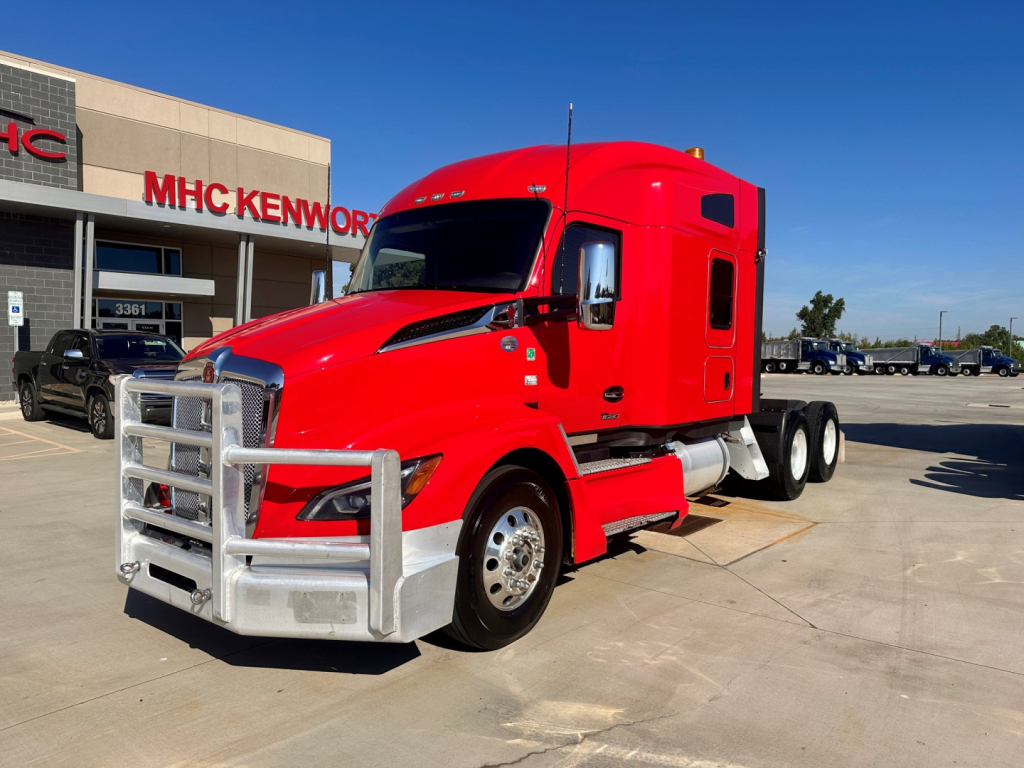
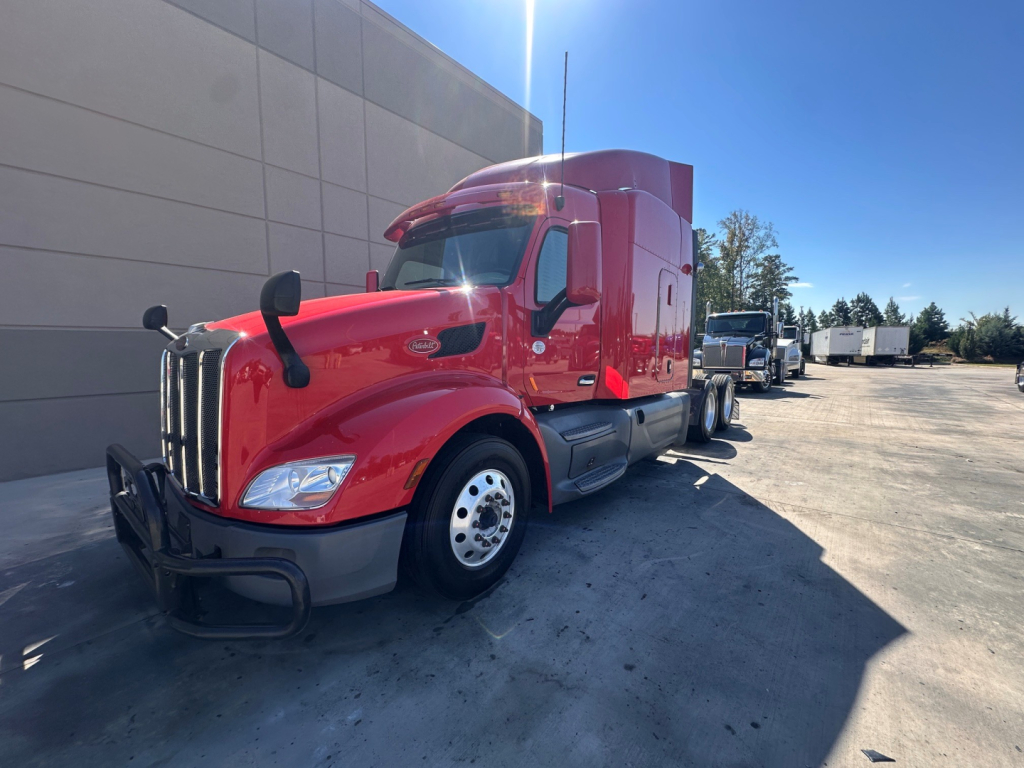
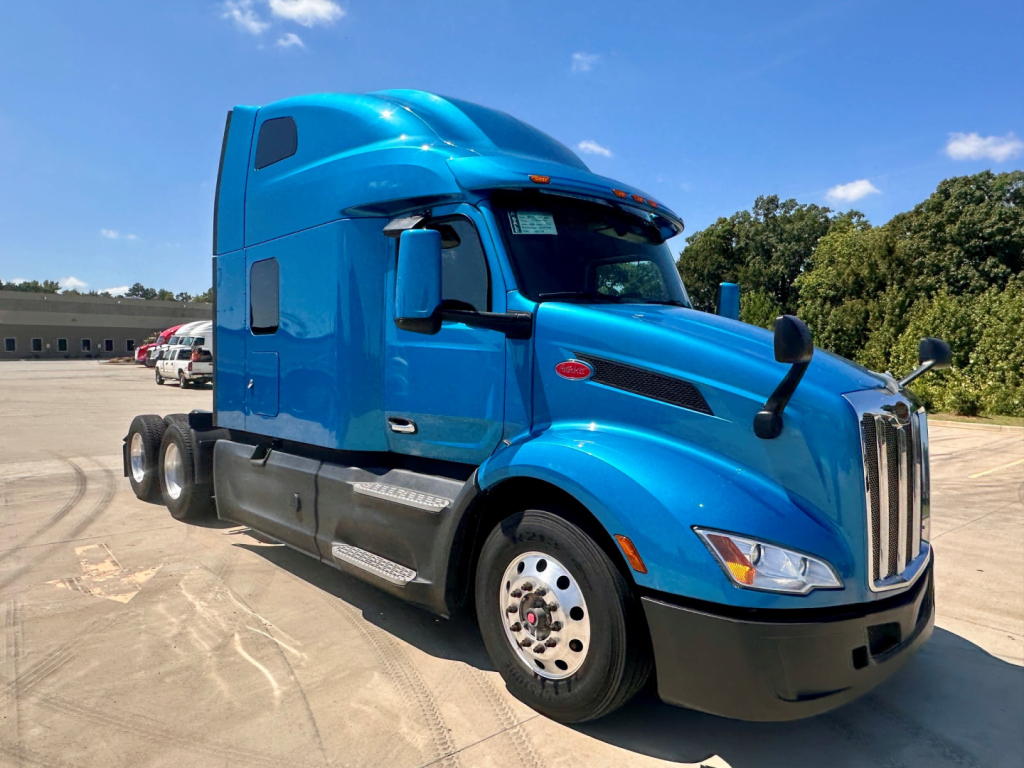
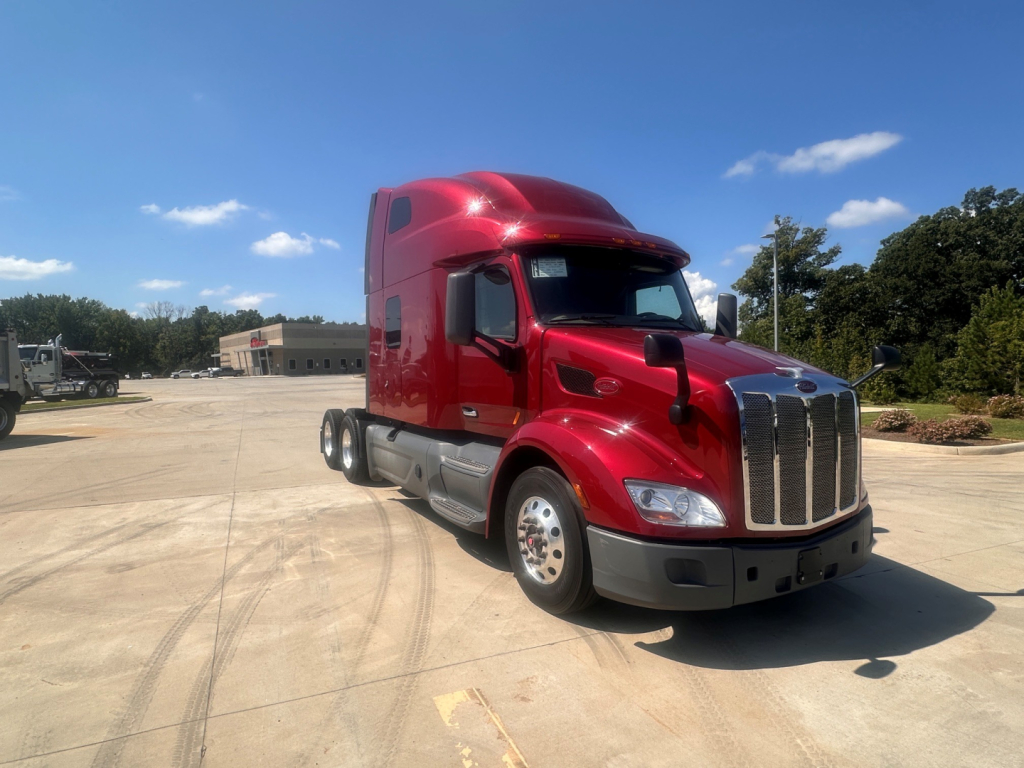
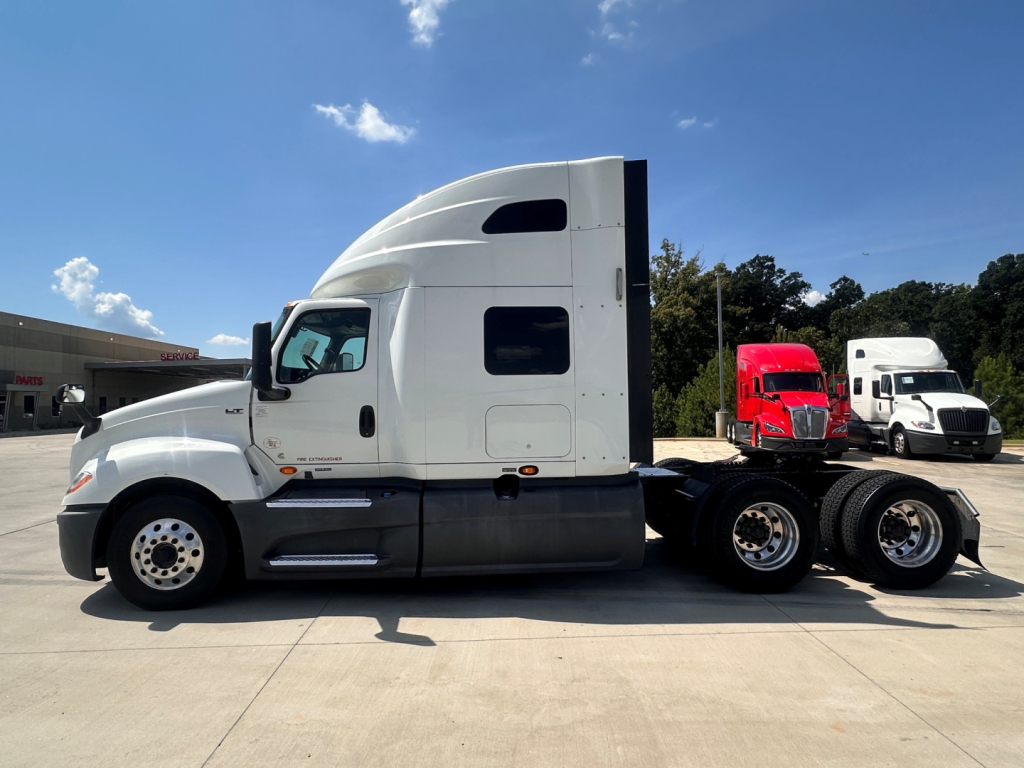
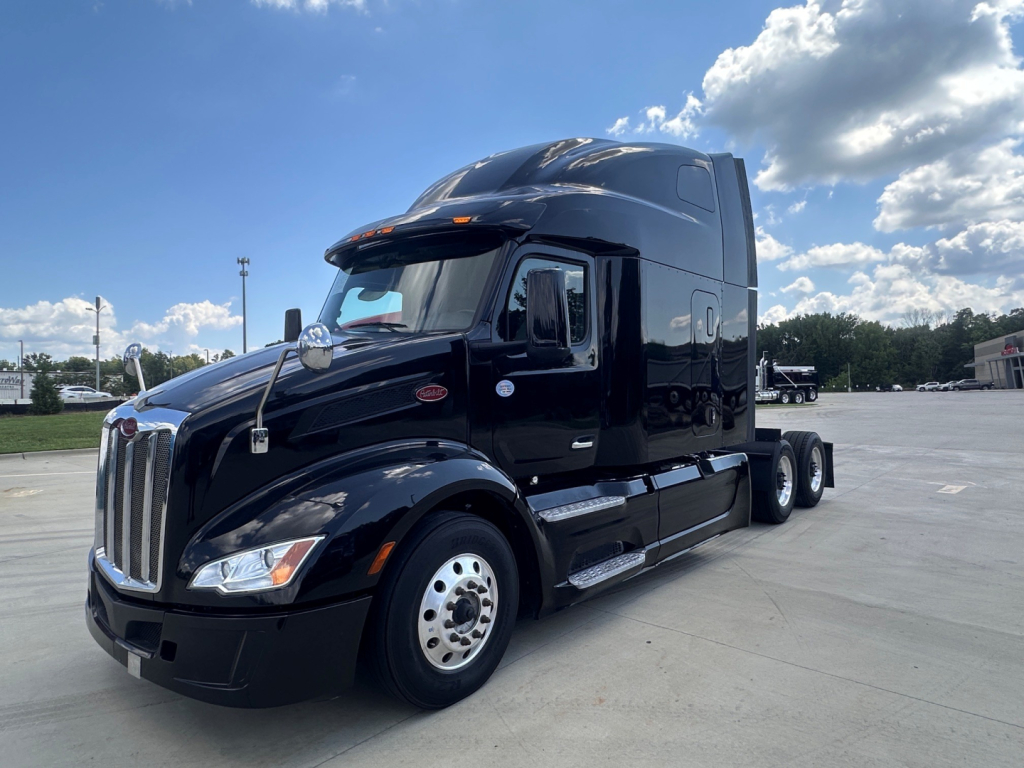
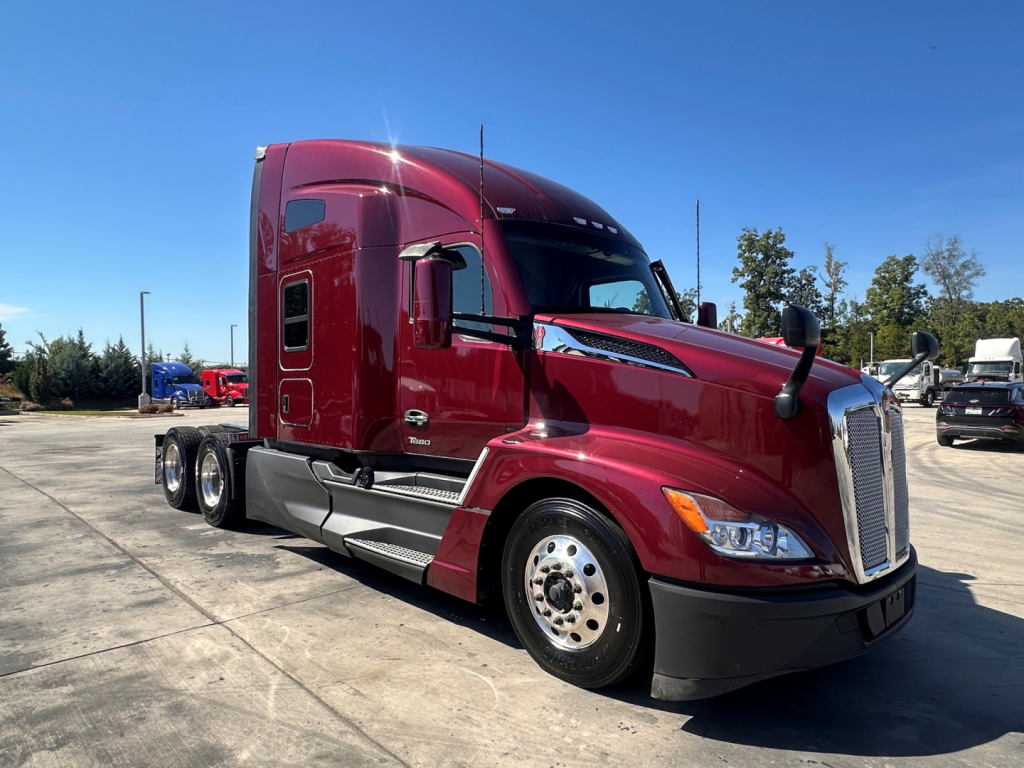

Selling a used conventional sleeper truck? List your used conventional sleeper truck for sale to reach thousands of commercial buyers.
Used Conventional Sleeper Trucks in South Carolina
Freightliner Cascadia tractors commonly pair Detroit engines with DT12 automated transmissions; Kenworth T680 and Peterbilt 579 models commonly use PACCAR MX-13 or Cummins X15 power. International LT models also use the X15, depending on year and build. Older conventional sleepers may have manual gearboxes and longer wheelbases. Verify the build sheet rather than assuming equipment from the badge. Measure wheelbase, fifth-wheel travel, and trailer clearance before committing to tight yards, container chassis, or specialized trailers.
Service records and an ECM download should establish mileage, engine hours, idle time, fault history, and documented repairs before cosmetic condition influences the decision. On older trucks, confirm overhaul scope with invoices rather than accepting an overhauled claim. Most 2007-era highway diesels introduced diesel particulate filters, while many 2010-era engines added SCR and DEF; identify the actual engine emissions family. Check regeneration history, DPF cleaning records, DEF-system faults, cooling-system pressure, blow-by, and oil or coolant contamination. Inspect frame rails, suspension mounts, brake plumbing, and electrical connectors for coastal corrosion. South Carolina registration does not prove a truck avoided northern road salt or storm-related flooding.
South Carolina's hot, humid summers make cab air conditioning, sleeper insulation, and auxiliary cooling worth testing under load. Run any APU, inspect its service records, and check battery health and charging equipment. Examine roof seams, sleeper seals, mattress supports, and bunk ventilation for leaks or mold. Size the bunk arrangement and storage for the actual driver rotation, not simply the largest sleeper.
Frequently Asked Questions about Used Conventional Sleeper Trucks in South Carolina
How much weight can a sleeper tractor-trailer legally haul in South Carolina?
An ordinary five-axle sleeper tractor-trailer combination on South Carolina Interstates is generally limited to 80,000 pounds gross, subject to axle and bridge limits. Standard federal limits are 20,000 pounds on a single axle and 34,000 pounds on a tandem. Tractor axle ratings do not authorize heavier road weights. Calculate payload from the combination's actual empty weight, and check axle spacing, tire capacity, posted routes, and permit requirements for nonstandard loads.
How do I check an automated transmission in a used sleeper truck?
A loaded road test covering launch, low-speed backing, and shifts under power is the best functional check of a used automated transmission. For a used sleeper tractor, also request clutch-wear data where supported and inspect fault records, actuator operation, oil leaks, and driveline vibration. Shudder, delayed engagement, or repeated neutral events need diagnosis before purchase; a clean dashboard alone does not establish transmission health.
Should I choose a high-roof or mid-roof sleeper for South Carolina freight?
A high-roof sleeper usually suits dry van and reefer work, while a mid-roof sleeper can better suit flatbed work with lower loads. Matching tractor roof height to the trailer or typical load helps control aerodynamic drag. High-roof conventional sleepers also provide more standing room and upper-bunk space. Compare loaded trailer height, cab fairings, clearance requirements, and driver living needs rather than selecting roof height solely by appearance.
Is a sleeper tractor a good choice for Charleston port drayage?
A sleeper tractor fits Charleston drayage that continues into overnight regional or interstate runs; a day cab usually fits local turns better. The sleeper adds living space but also adds empty weight and often wheelbase, affecting payload and maneuverability. Check chassis clearance through turns and confirm driver credentials, terminal access, and carrier interchange requirements separately from the tractor's road registration.
What should I verify about warranty coverage on a used sleeper tractor?
The written coverage schedule determines which repairs a used sleeper tractor warranty will cover, not a general claim of remaining factory warranty. Verify coverage by VIN, transfer eligibility, expiration date, mileage and hour limits, deductibles, and approved repair locations. Engine, transmission, and aftertreatment coverage may have different terms. Confirm whether diagnostics, towing, consequential damage, and emissions components are covered before treating a warranty as protection against downtime.