
Used Conventional Sleeper Trucks For Sale in Nevada
Browse used conventional sleeper trucks in Nevada with raised-roof sleepers, 450-455 HP engines, automated manuals, and fleet-ready specs.
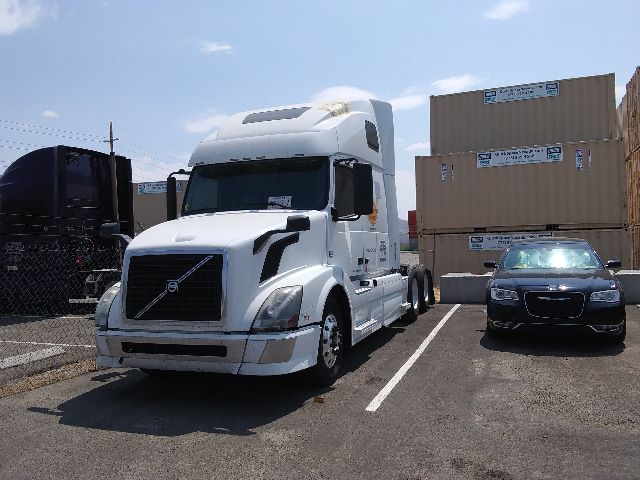
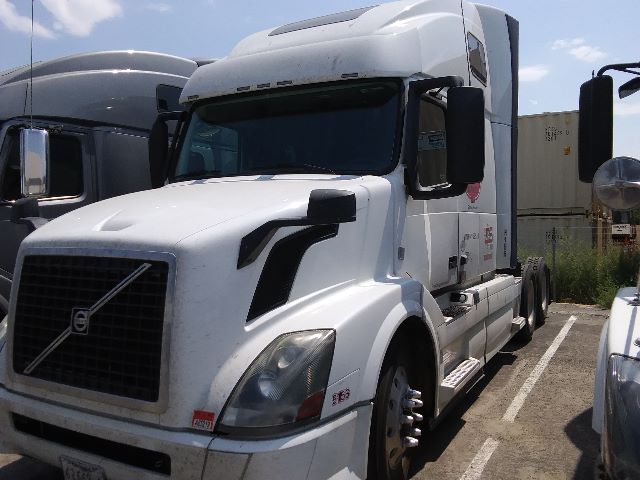
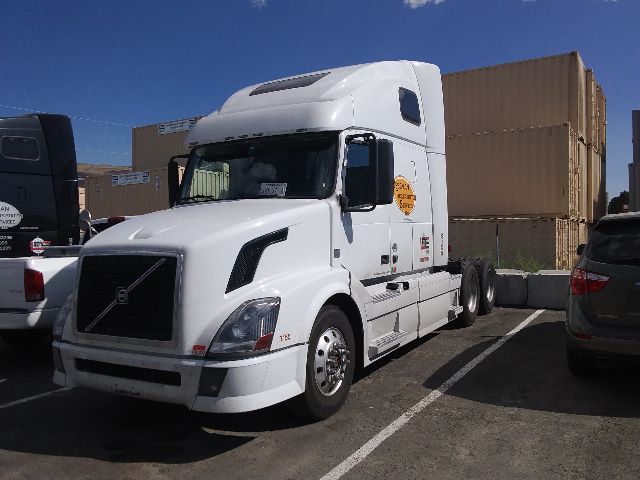
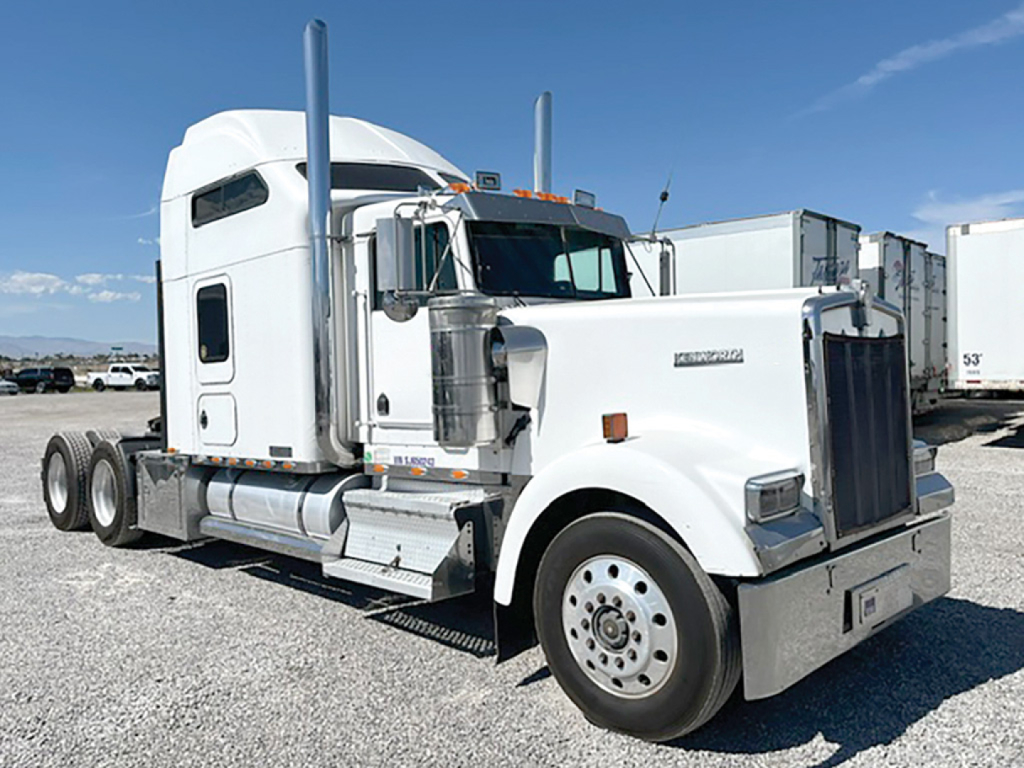
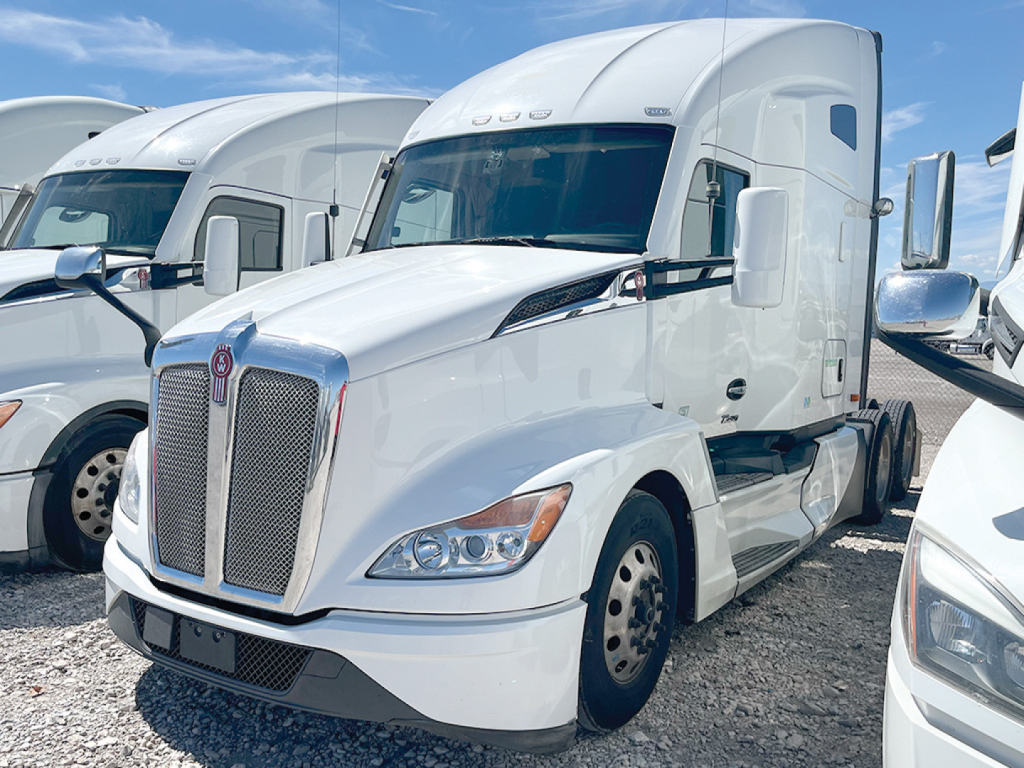
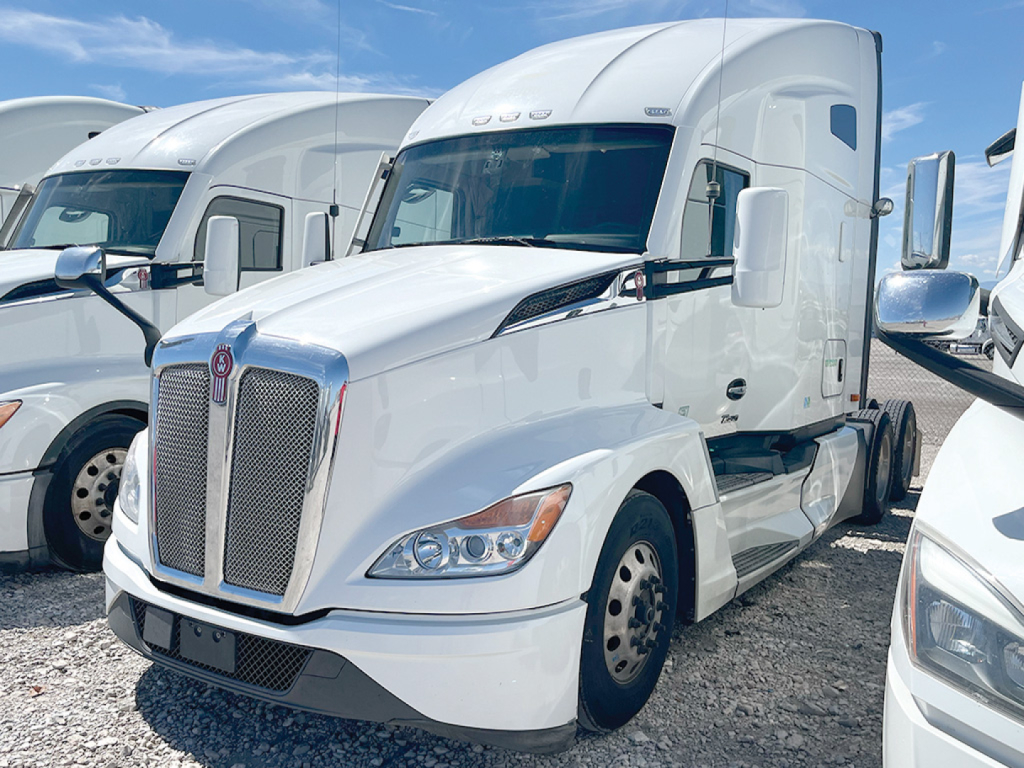
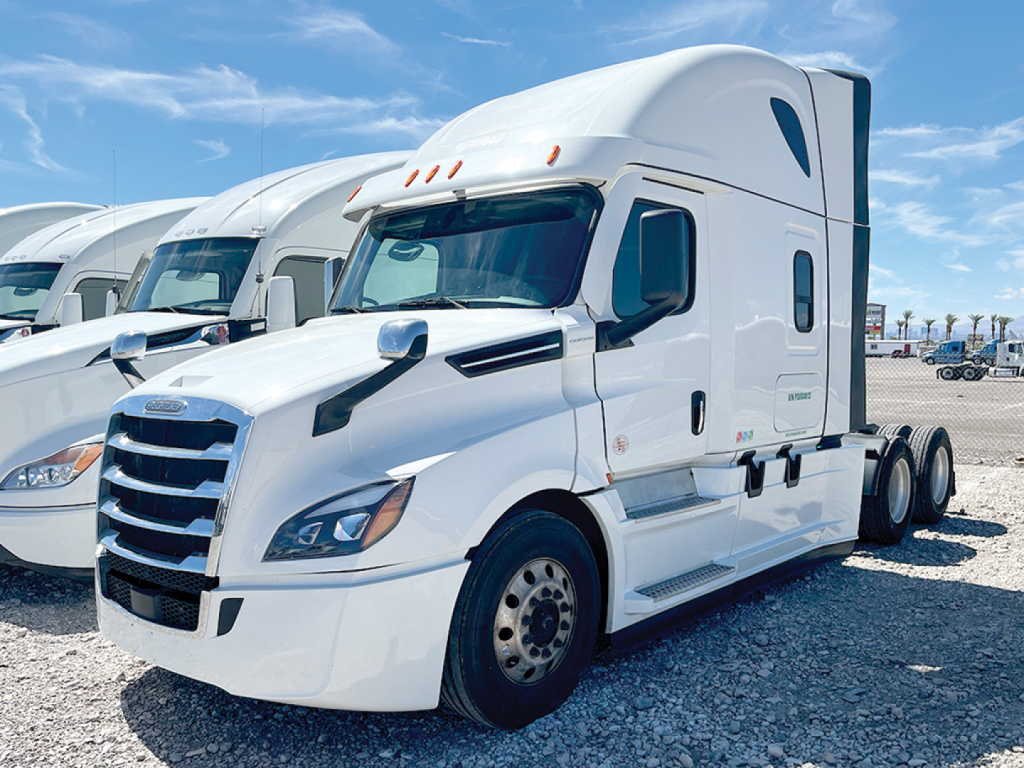
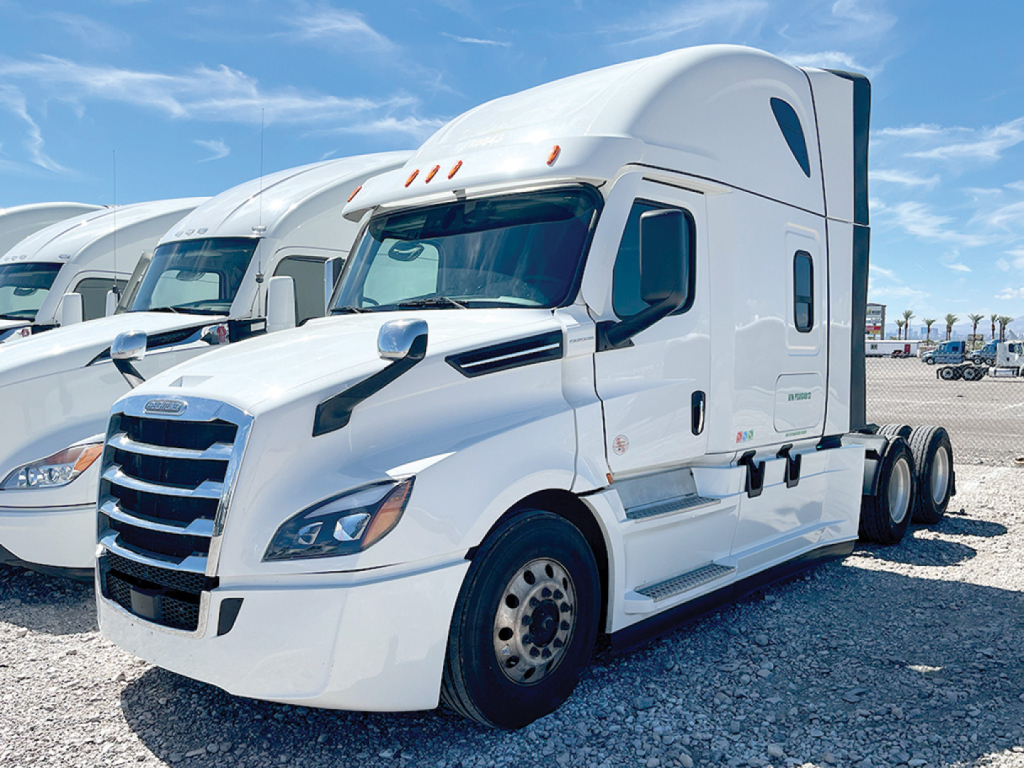
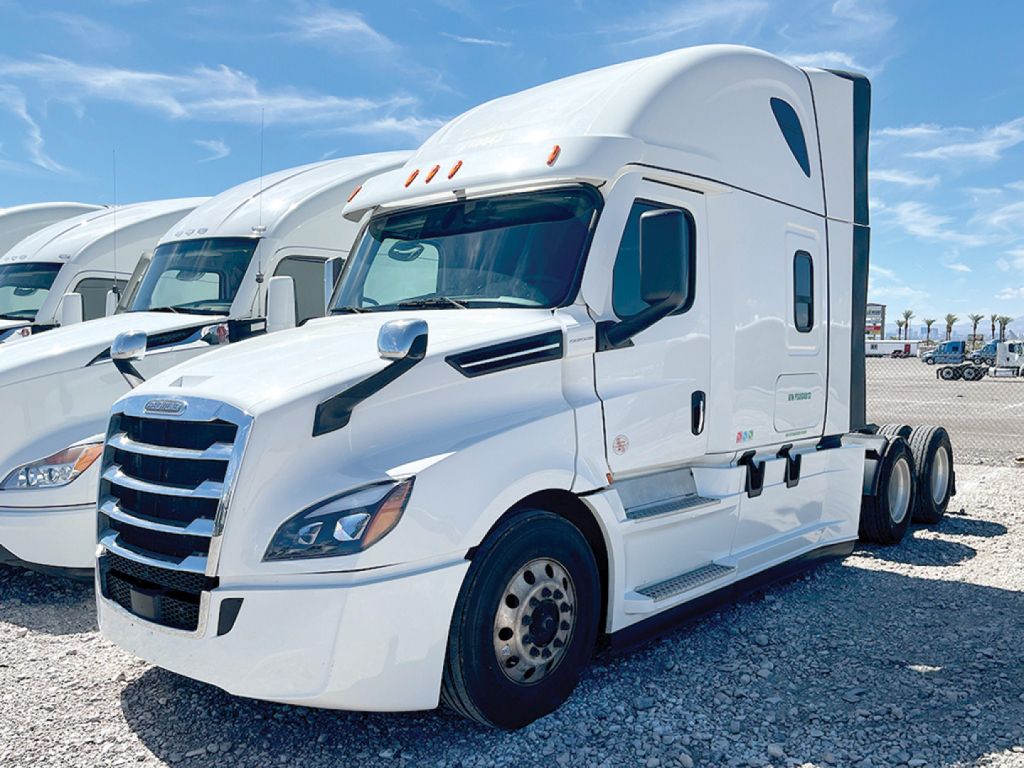
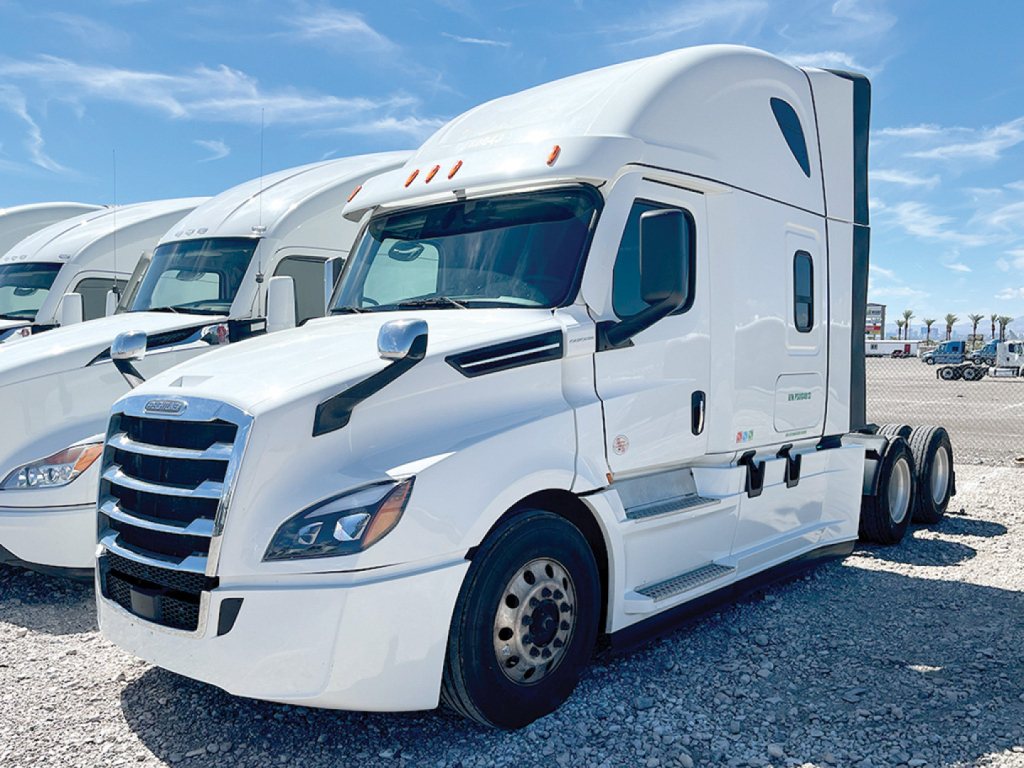
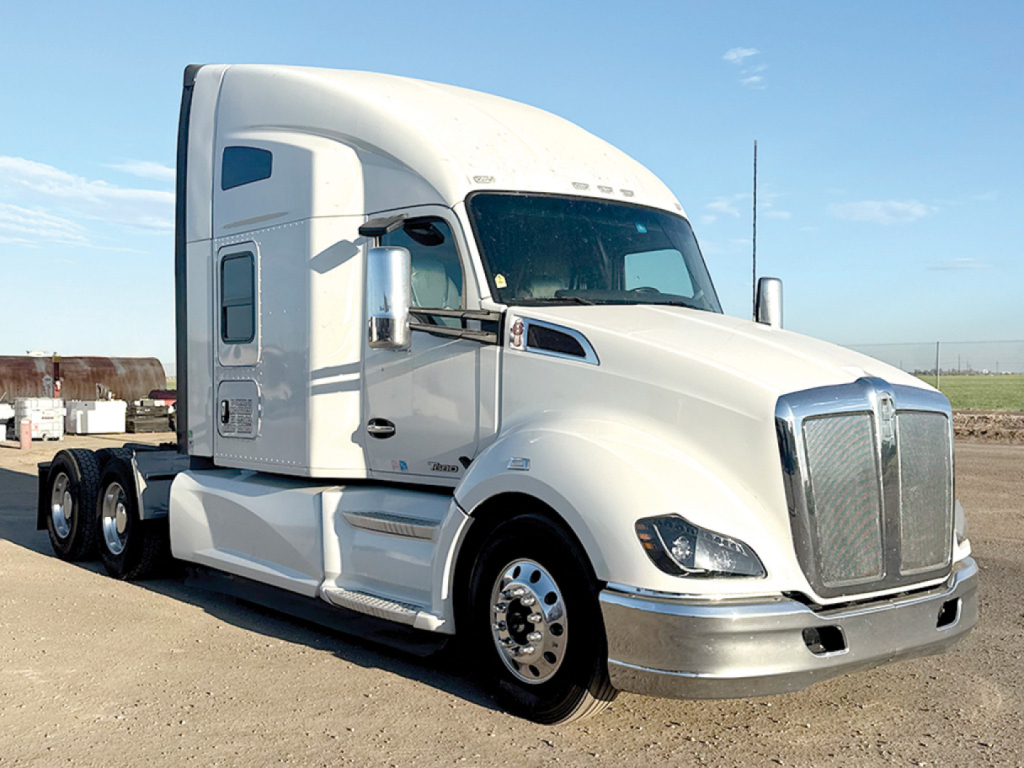
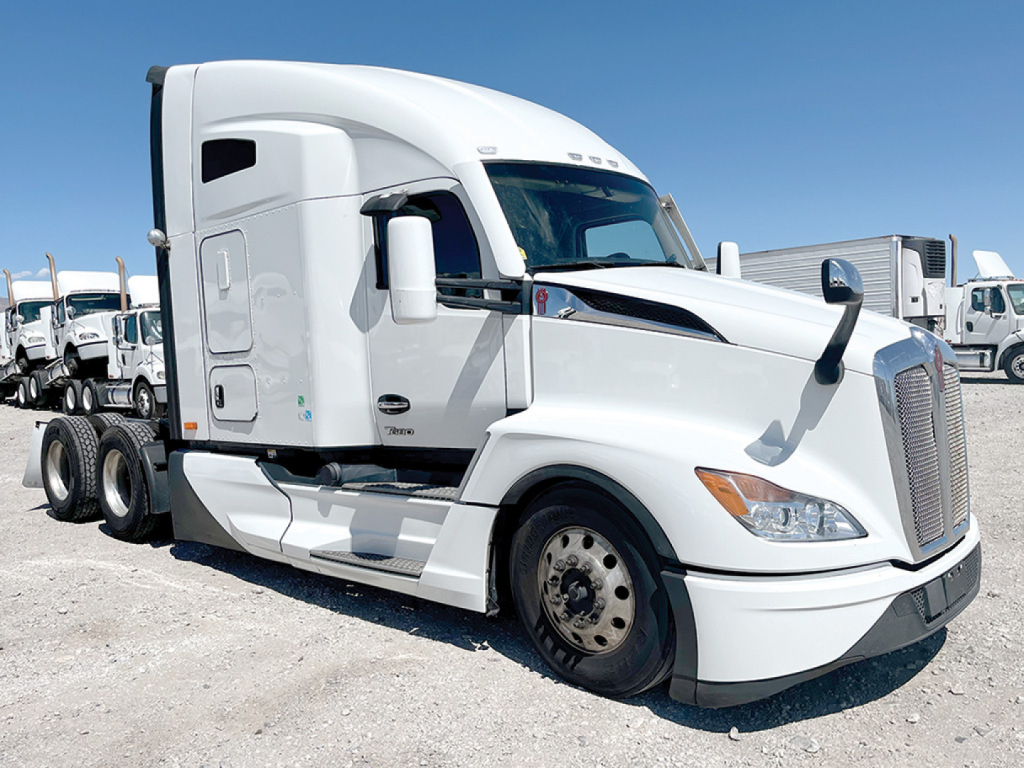
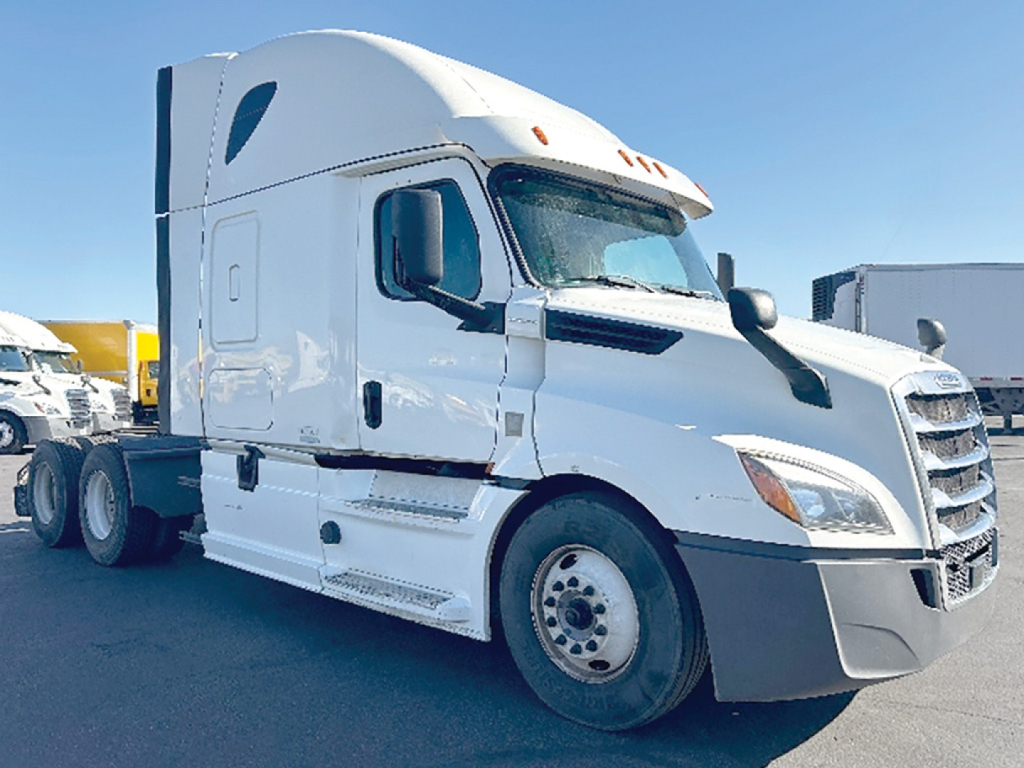
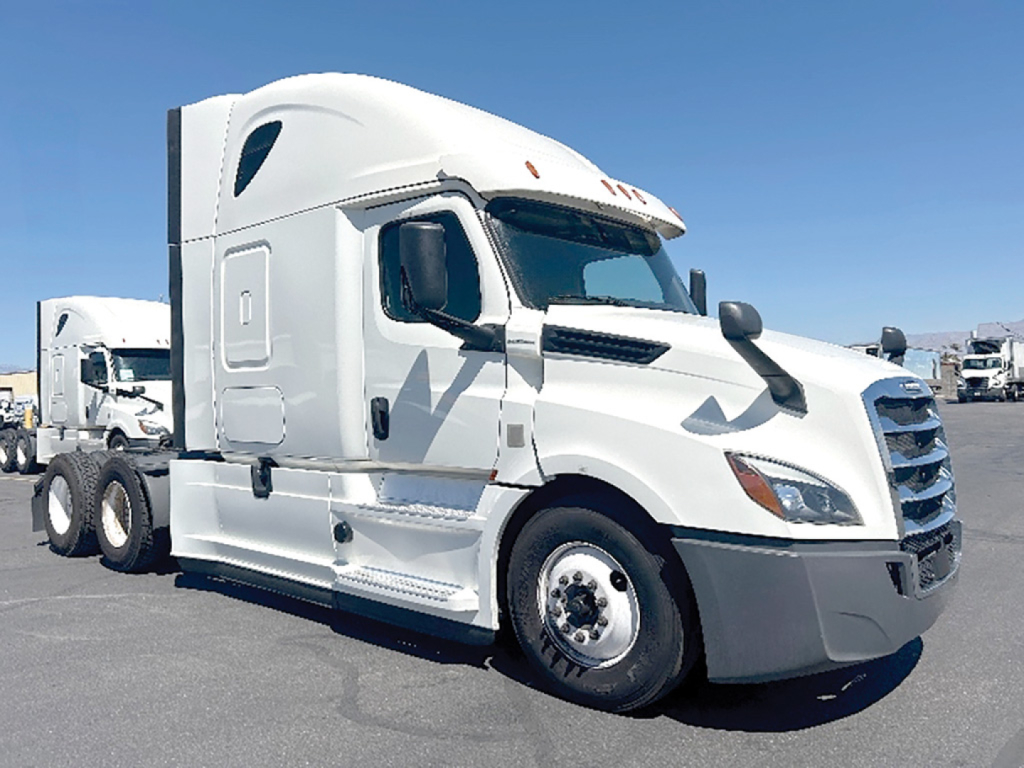
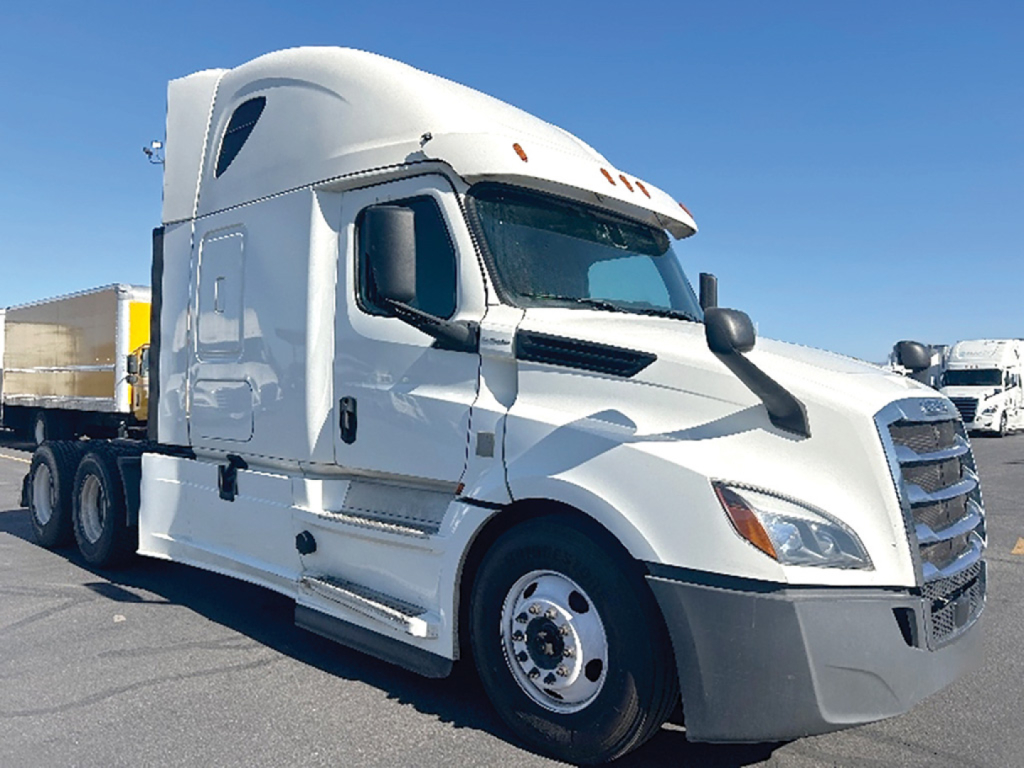
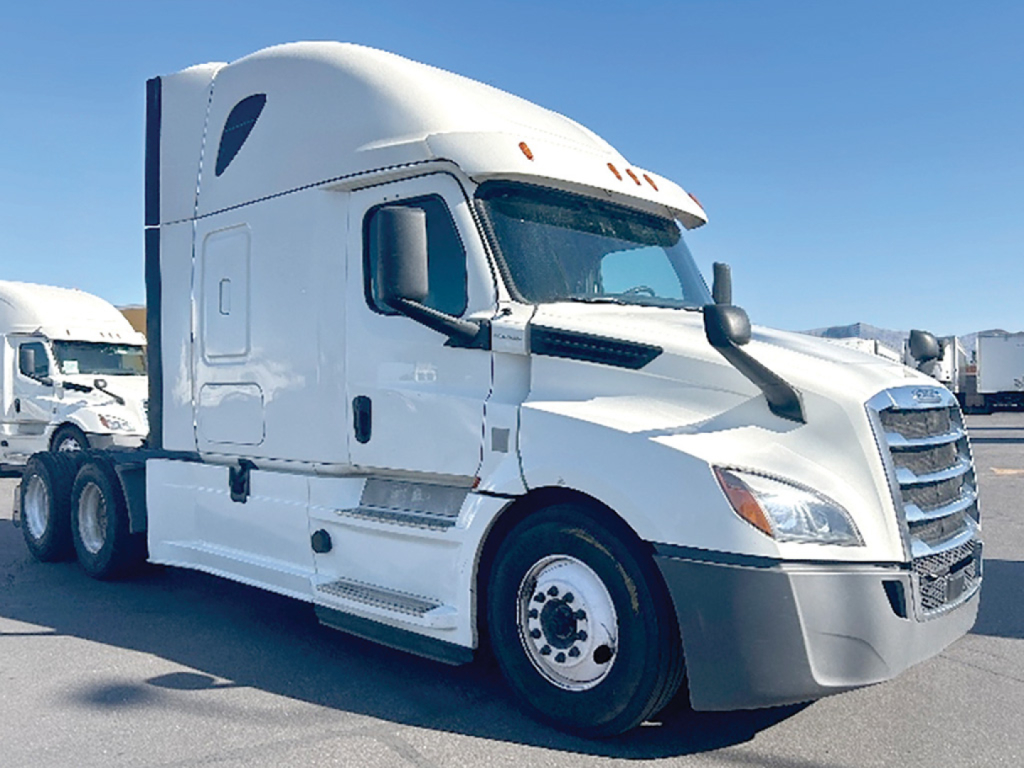
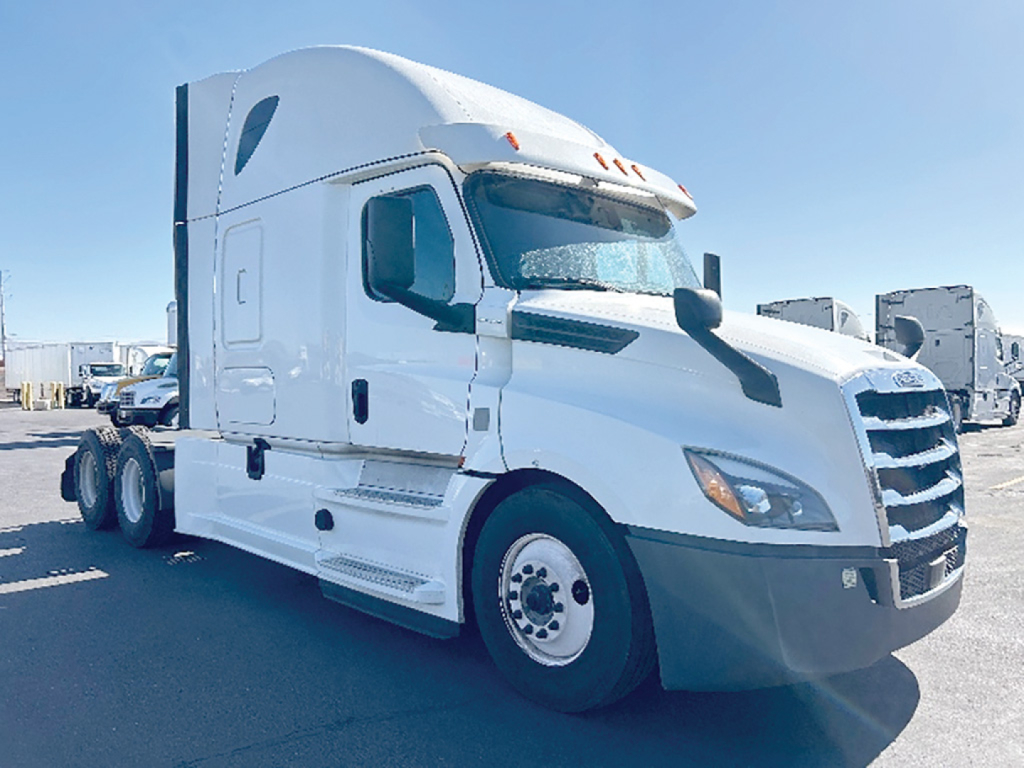
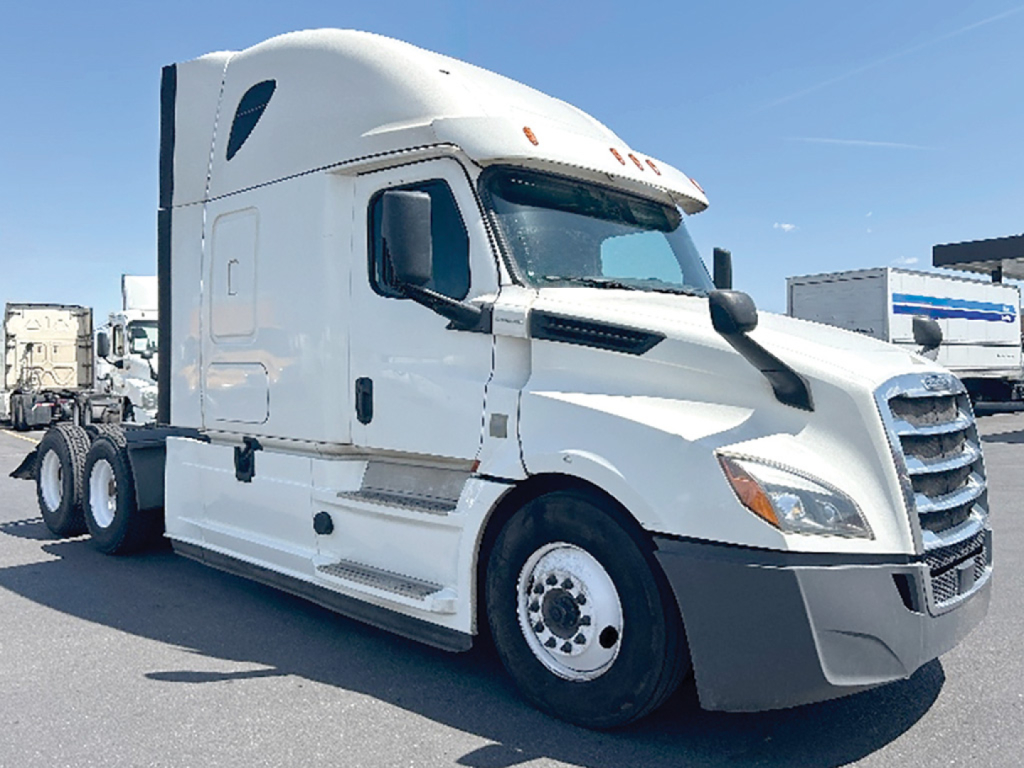
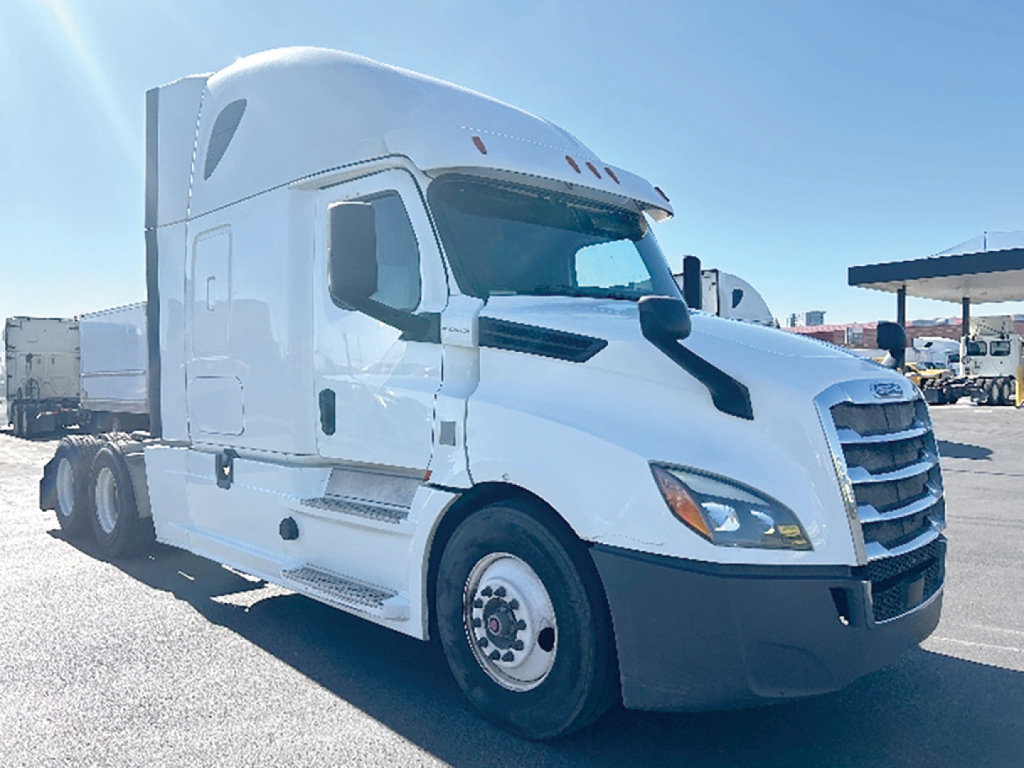
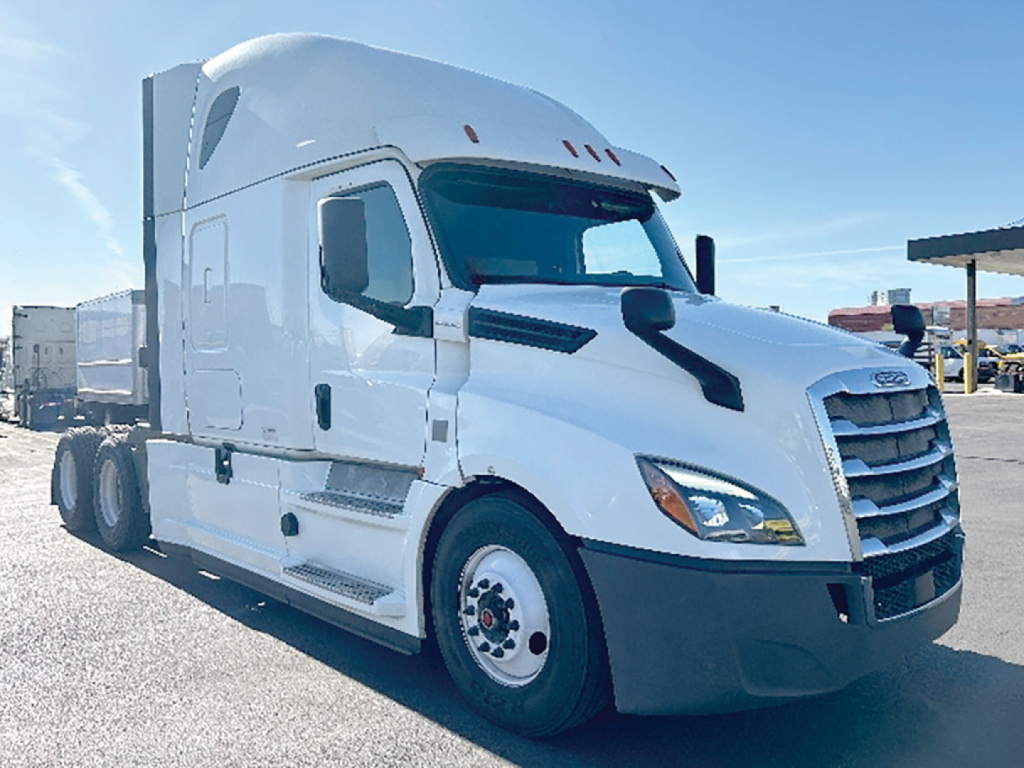

Showing 1 to 28 of 32 results
Selling a used conventional sleeper truck? List your used conventional sleeper truck for sale to reach thousands of commercial buyers.
Used Conventional Sleeper Trucks in Nevada
Common specs in this category include 72-inch to 76-inch raised-roof or high-roof sleepers, 450 to 455 HP diesel engines, and 40,000 lb tandem rears with ratios like 3.08, 3.23, or 2.64. Popular engine and transmission combinations include Detroit DD15 or Cummins X15 and ISX15 engines paired with automated manual transmissions such as the DT12 or Eaton Endurant-family boxes, though manual transmissions still appear in older units. Wheelbases around 229 to 230 inches are common for van and reefer work, and many trucks are equipped with air slide fifth wheels to help adjust kingpin settings across trailer lengths and axle laws. Air ride suspension, aluminum fuel tanks, side fairings, cab extenders, and low-profile 22.5 tires are all typical on aerodynamic road tractors in this class.
The sleeper itself deserves close attention because layout affects both uptime and resale. A double-bunk configuration supports team driving and gives flexibility for slip-seat or occasional second-driver use. Features such as bunk heaters, auxiliary power units, tilt and telescoping steering, power windows, and upgraded interiors can make a real difference in driver retention. Safety and maintenance items also deserve scrutiny on used conventional sleepers, especially collision mitigation systems, disc brakes, engine brake performance, aftertreatment history, and tire condition. On higher-mileage units, buyers should review service records for DPF and SCR work, transmission calibration updates, suspension wear, and any signs of uneven tire wear that may point to alignment or bushing issues.
Aerodynamic conventional sleeper trucks are also known simply as sleeper semis, sleeper tractors, or highway tractors with sleepers. Models like the Freightliner Cascadia and Kenworth T680 dominate this segment because they are built for freight efficiency, broad dealer support, and predictable resale. For Nevada-based operations, pay attention to cooling system condition, APU functionality, and cab insulation because desert climates expose weak HVAC performance quickly. The best used conventional sleeper truck is not just the newest one. It is the truck with the right roof height, rear axle ratio, engine platform, and maintenance history for the freight, terrain, and driver schedule you plan to run.
Frequently Asked Questions about Used Conventional Sleeper Trucks in Nevada
What is the difference between a conventional sleeper truck and a day cab?
A conventional sleeper truck has a built-in sleeping compartment behind the cab for over-the-road operation, while a day cab does not. Sleeper tractors are designed for drivers who spend nights on the road and typically include one or two bunks, added storage, and more interior living space. They are the preferred choice for long-haul and team applications where driver comfort and rest compliance matter.
What sleeper size is most common on used conventional sleeper trucks?
The most common used conventional sleeper sizes are 72-inch and 76-inch raised-roof or high-roof configurations. These layouts provide standing room, storage, and enough space for one or two bunks without moving into larger premium sleeper territory. For most van, reefer, and general freight operations, this size range offers the best balance of comfort, weight, and resale demand.
Which axle ratio is best for a used sleeper tractor?
The best axle ratio depends on speed, terrain, and trailer weight. Ratios such as 3.08 and 3.23 are common for fuel-efficient highway use and work well with modern automated manual transmissions. A numerically lower ratio like 2.64 can improve fuel economy on flatter long-haul lanes, but it may not be the best fit for heavy loads or frequent mountain driving. Buyers in Nevada and other western states should match the ratio to gradeability and cruise RPM, not just fuel mileage claims.
Are automated manual transmissions a good choice in used sleeper trucks?
Automated manual transmissions are now standard in much of the sleeper tractor market because they improve driver consistency, reduce clutch-related wear, and help with fuel economy. Systems like the Detroit DT12 have become common in fleet service and are generally a solid choice when maintenance history is documented. The key is to confirm proper calibration, clutch life where applicable, and smooth shifting under load rather than assuming every automated truck performs the same.
What should I inspect first on a used conventional sleeper truck?
Start with the engine and aftertreatment service history, transmission operation, rear axle ratio, and sleeper condition. Then look at brake type, suspension wear, tire wear patterns, APU or bunk heater function, and the fifth wheel setup. On trucks that have spent time in hot, dry climates, cooling system health, HVAC output, and seal condition around the sleeper are especially important because heat can expose weak components faster than appearance alone suggests.