
Used International Conventional Sleeper Trucks For Sale in Nevada

Have used international conventional sleeper truck to sell? List it here to reach thousands of buyers.
Used International Conventional Sleeper Trucks in Nevada
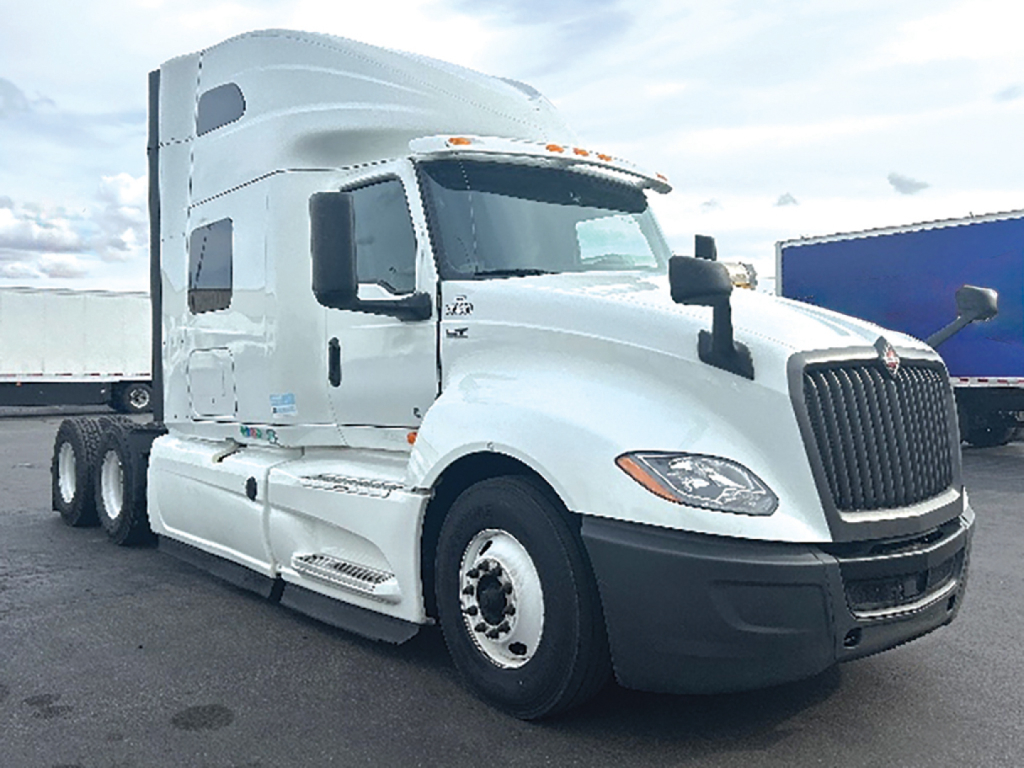
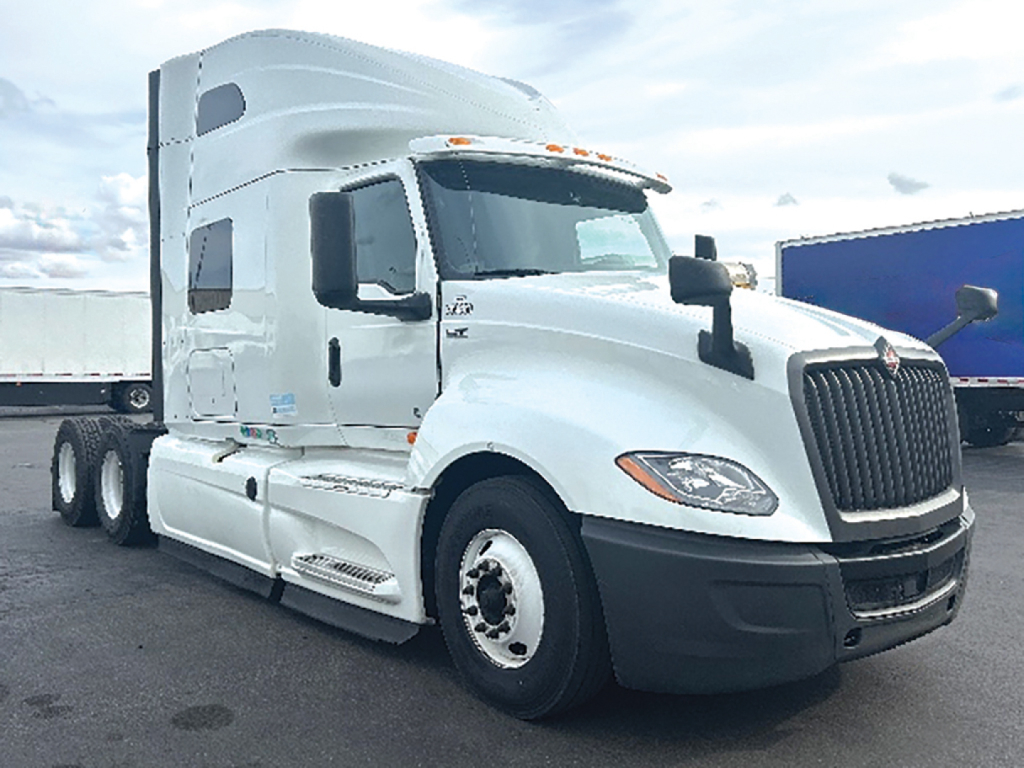
The first decision usually comes down to powertrain and axle spec. Many used International sleeper trucks are equipped with the Cummins X15 in the 400 to 450 horsepower range, paired with an automated transmission such as an Endurant or Eaton automated manual. Rear axle ratings commonly land at 40,000 pounds on tandem-drive setups, though some fleet-oriented configurations use a single drive axle with an air tag for lighter payload applications. Gear ratios such as 2.31, 2.64, and 2.79 are common, and they tell you a lot about the truck's intended use. Lower numerical ratios generally favor fuel mileage at highway speed, while a deeper ratio can be a better fit for heavier loads, mountain routes, or more stop-and-go work across Nevada and the broader Southwest.
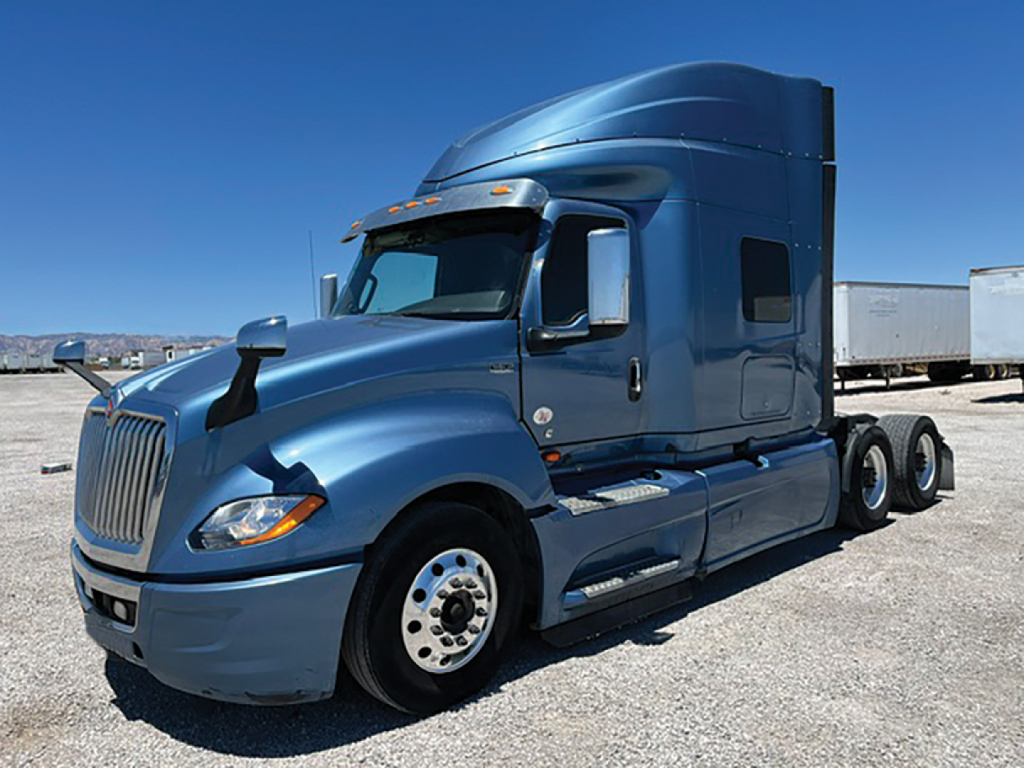
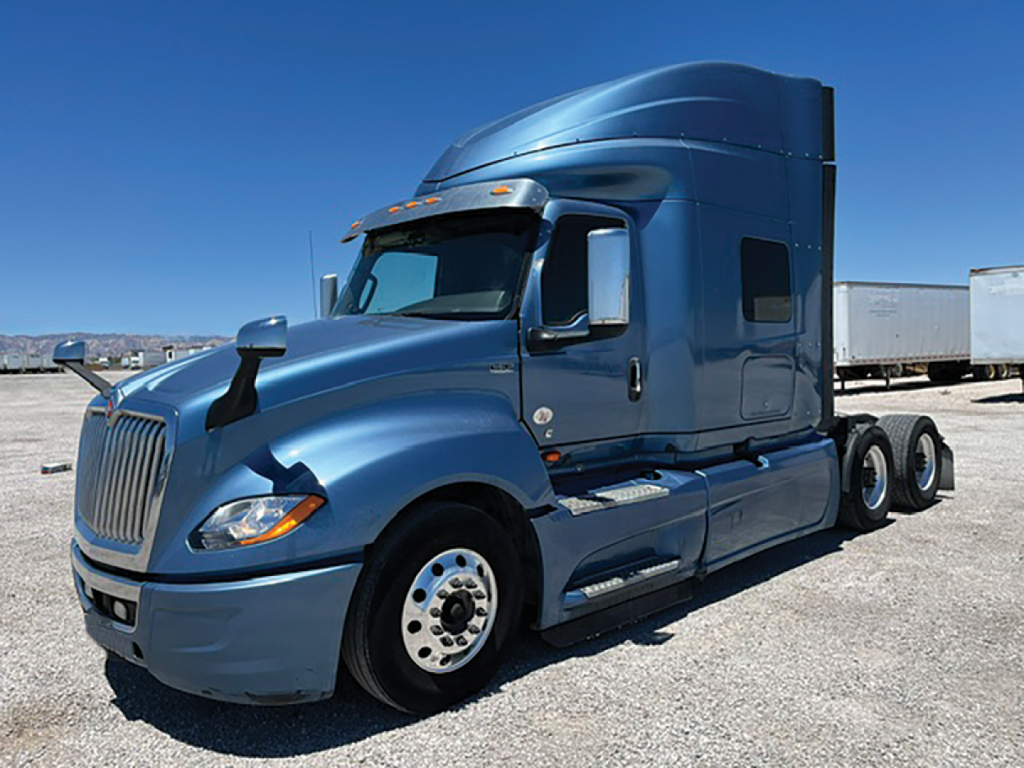
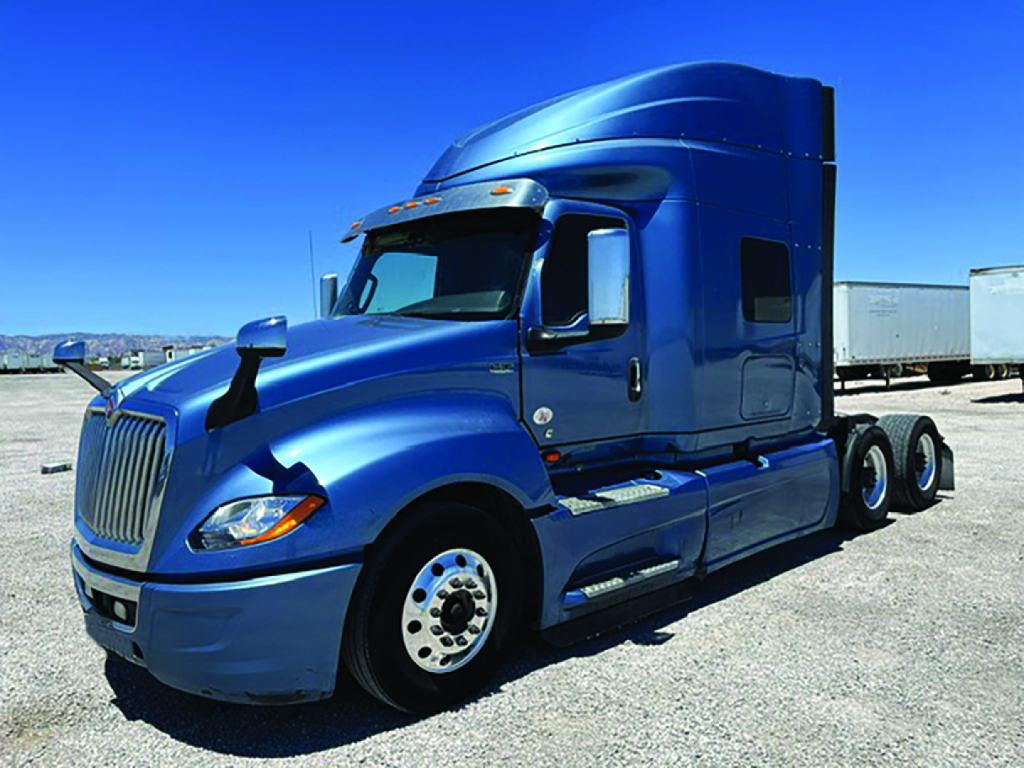
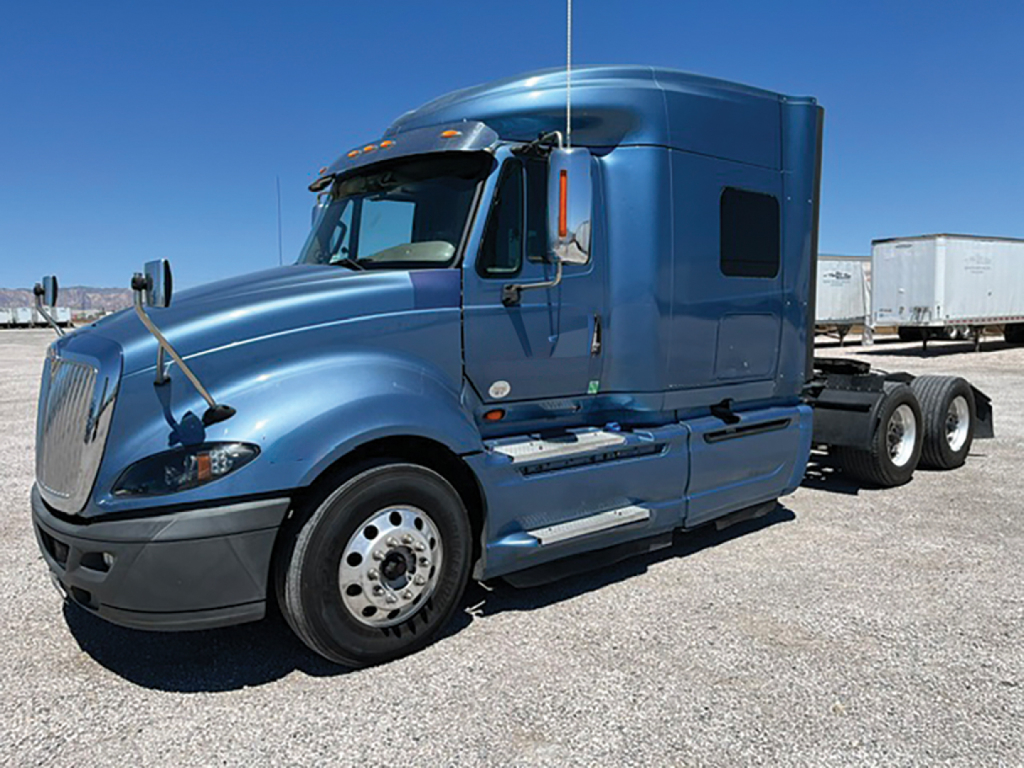
Sleeper size and chassis layout matter just as much as engine spec. A 73-inch hi-rise or sky-rise sleeper is a common configuration in this class, often with upper bunk layouts, bunk heaters, storage cabinetry, and enough interior height for teams or extended over-the-road runs. Wheelbases in the mid-220-inch to high-230-inch range are typical, and buyers should compare that against trailer type, kingpin setting, bridge law considerations, and how much swing clearance is needed at the back of the cab. Features like air slide fifth wheels, dual aluminum fuel tanks, side fairings, cab extenders, and horizontal exhaust are common on aero fleet sleepers and can affect both daily usability and operating cost.
On a used International conventional sleeper, condition review should focus on the same areas fleets watch closely: aftertreatment history, transmission calibration, collision mitigation and driver-assist system status, brake type, tire spec, and suspension wear. Many late-model units in this category carry disc brakes, air ride suspension, and modern safety electronics, which can be a plus for linehaul operations trying to standardize spec. Buyers should also confirm maintenance records, idle hours, bunk HVAC performance, and any signs of fairing or hood repair from minor highway damage. A well-matched International sleeper truck can be a solid choice for dry van, reefer, and general freight lanes where uptime, fuel economy, and a comfortable 73-inch sleeper are more important than vocational versatility.
Frequently Asked Questions about Used International Conventional Sleeper Trucks in Nevada
What engines are most common in used International conventional sleeper trucks?
The most common engine in late-model International conventional sleeper trucks is the Cummins X15, typically rated around 400 to 450 horsepower. That range works well for general freight, refrigerated freight, and long-haul van operations because it balances pulling power with fuel economy. When comparing trucks, buyers should look beyond horsepower and confirm engine brake spec, emissions system service history, and how the engine is paired with transmission gearing and rear axle ratio.
Is an International LT625 a good fit for long-haul trucking?
Yes, the International LT625 is widely spec'd for long-haul and regional over-the-road work. It is designed as an aerodynamic conventional sleeper with a focus on driver comfort, lower drag, and fleet-friendly maintenance access. A 73-inch sleeper, dual fuel tanks, air ride suspension, and automated transmission make it a practical fit for dry van, reefer, and other highway applications where the truck spends most of its time at sustained road speed.
What rear axle ratio should I look for in a used sleeper truck?
The right rear axle ratio depends on freight weight, route profile, and cruising speed. Ratios like 2.31 are usually chosen for fuel-efficient highway operation on lighter or average freight, while 2.64 and 2.79 can be better for heavier loads, mountain grades, or operations that need stronger launch performance. Buyers should match the ratio to the transmission and tire size, because that full combination determines engine rpm, drivability, and fuel burn.
Are single-drive International sleeper trucks with an air tag axle worth considering?
They can be, especially for carriers hauling lighter freight where payload and traction demands do not require a full tandem-drive setup. A single-drive axle with an air tag can reduce weight and may improve fuel economy, but it is not the best fit for every lane or weather condition. Buyers in western states should think carefully about gradeability, traction on poor surfaces, and the actual gross combination weights they expect to run before choosing this configuration.
What should I inspect first on a used International conventional sleeper?
Start with maintenance history, engine and aftertreatment records, transmission operation, and any active fault codes. Then inspect sleeper condition, bunk heater and HVAC function, air ride suspension components, brake type and wear, and signs of body repair around the hood, fairings, and cab extenders. On newer trucks, it is also smart to verify collision mitigation and other safety systems are functioning properly, since those components can affect both uptime and repair cost.