
Used 2023 Conventional Sleeper Trucks For Sale in Nevada
Shop used 2023 conventional sleeper trucks in Nevada. Compare raised-roof sleepers, horsepower, wheelbase, ratios, and long-haul specs.
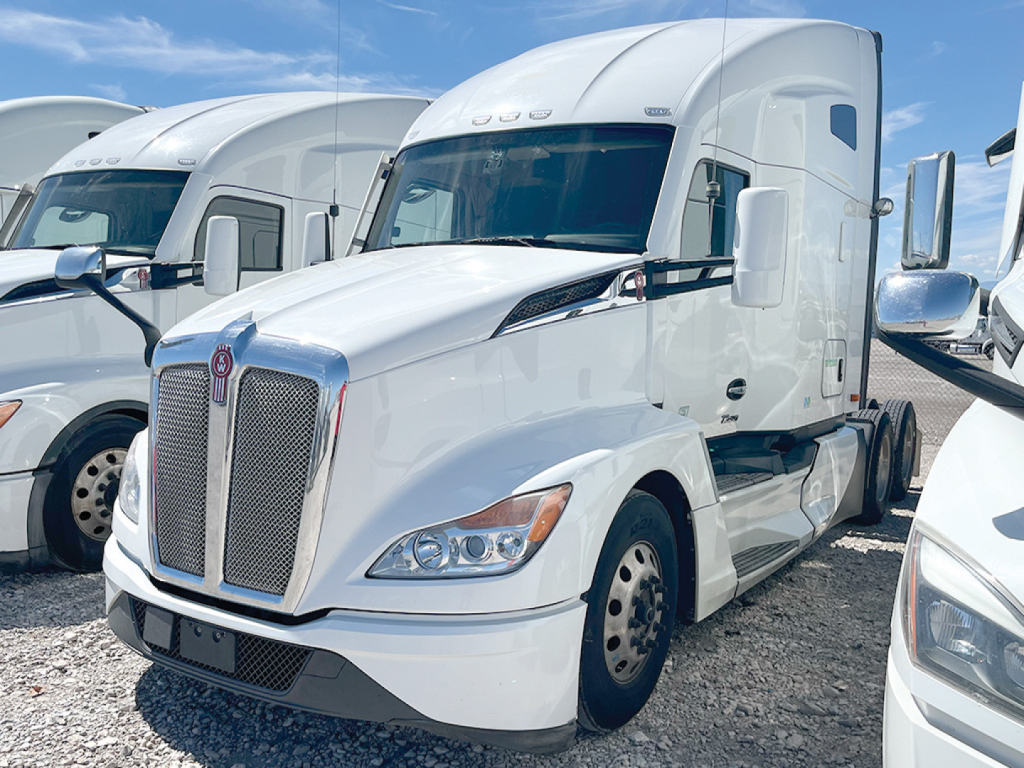
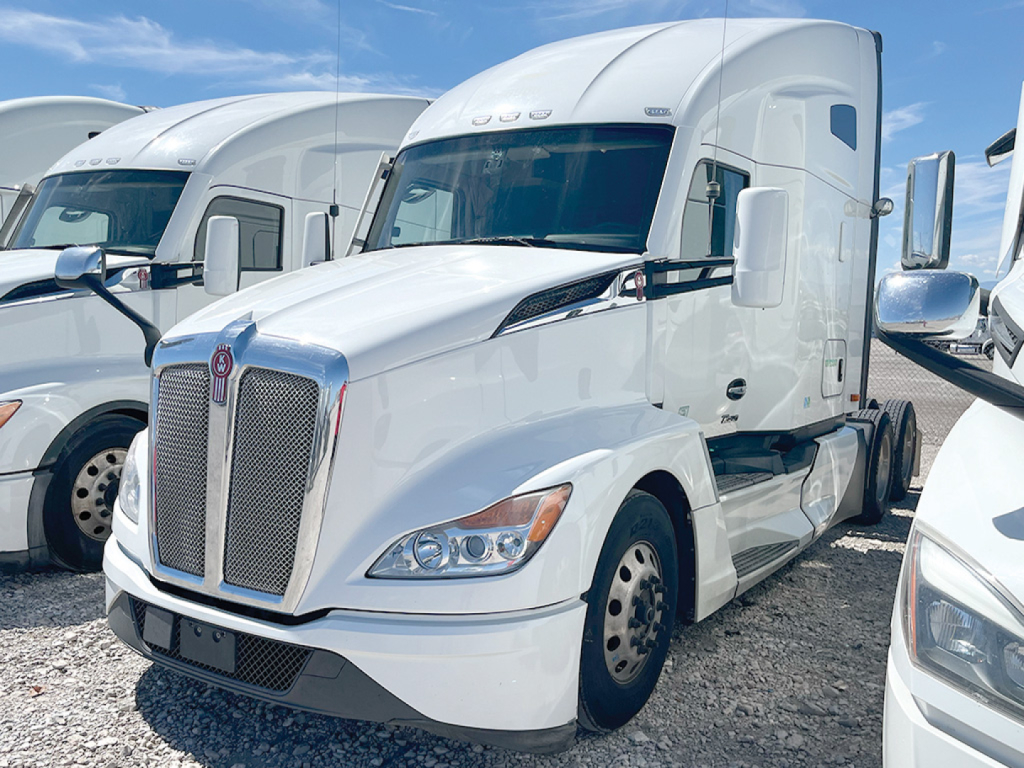
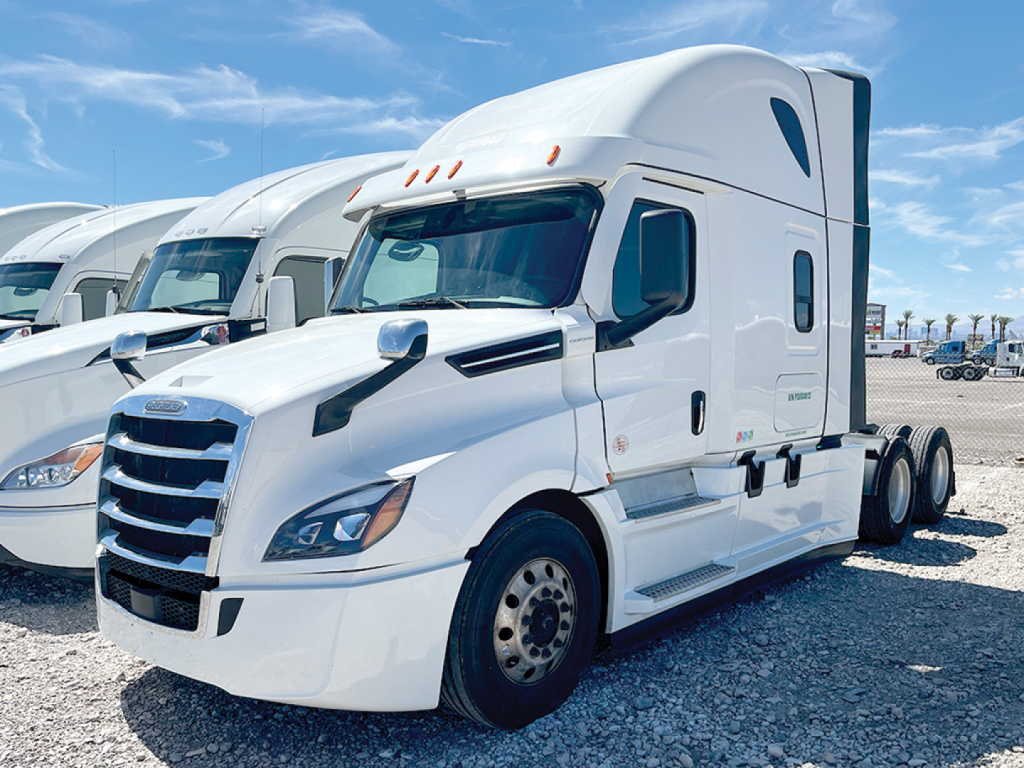
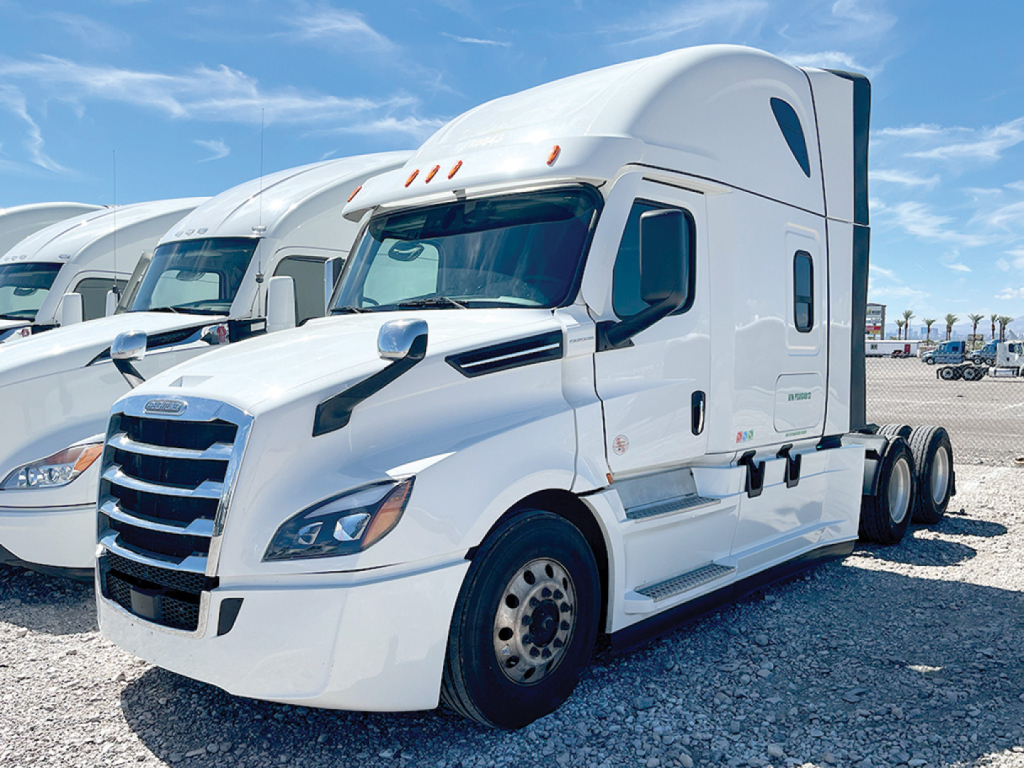
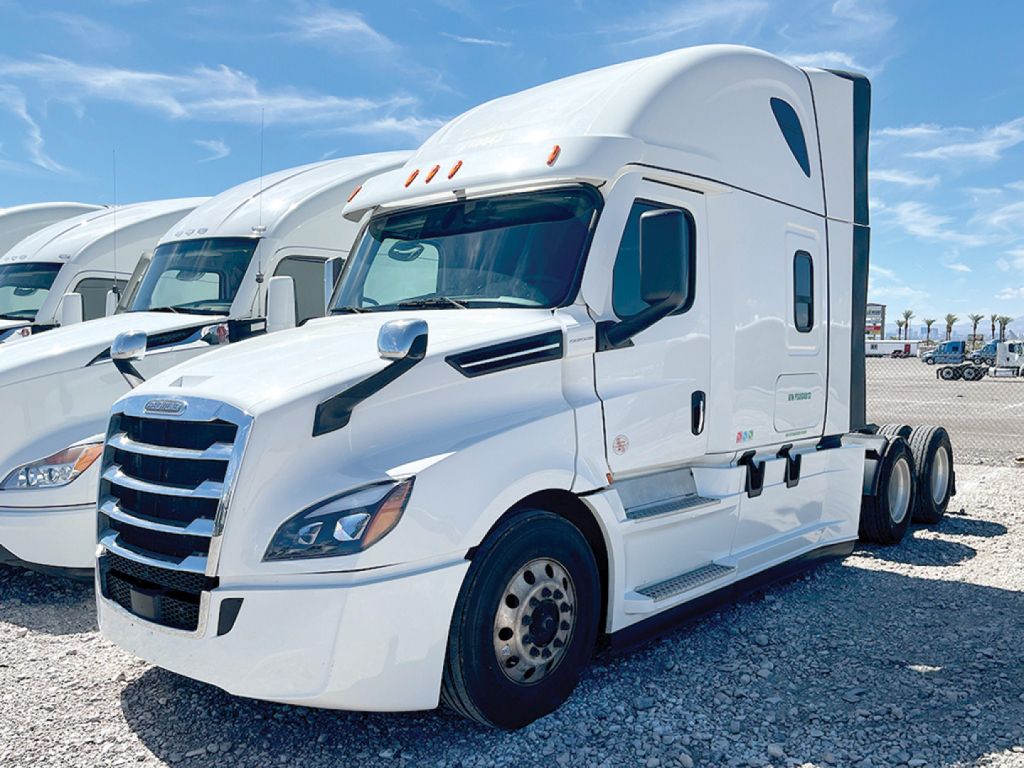
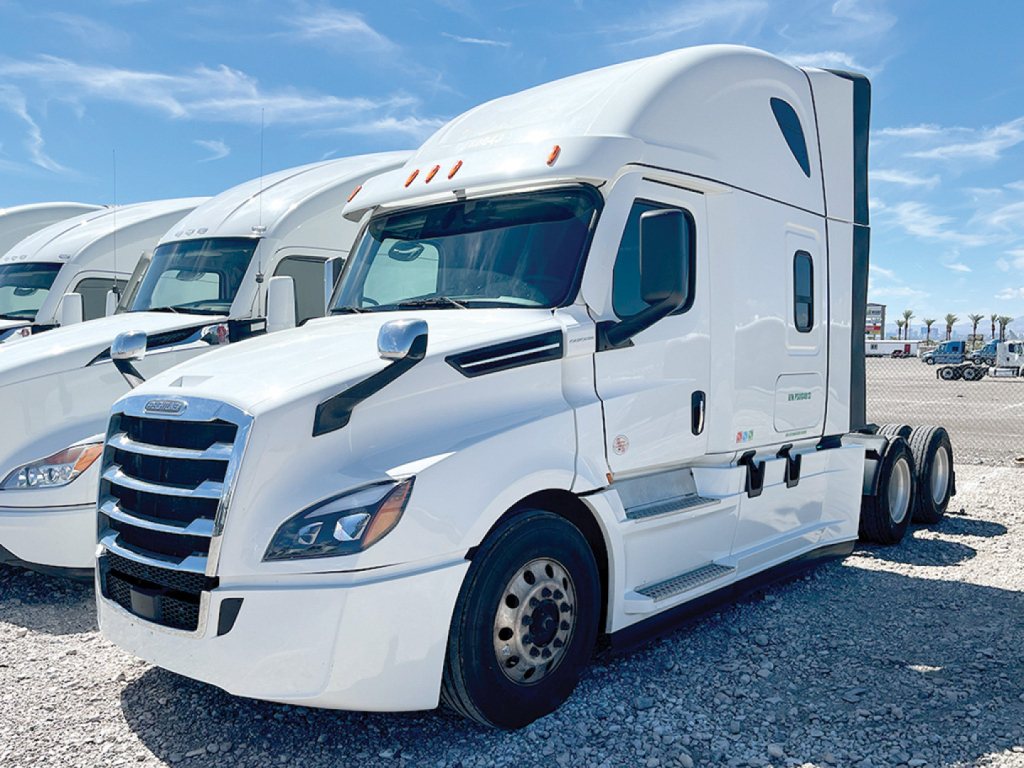

Looking for the easiest place to sell your used 2023 conventional sleeper truck? List it here to reach thousands of buyers.
Used 2023 Conventional Sleeper Trucks in Nevada
A 2023 conventional sleeper is often spec'd with a 13-liter or 15-liter diesel in the 400 to 500 horsepower range, paired with an automated transmission and 40,000-lb rears. Rear axle ratio is one of the first details to check because it affects cruise RPM, fuel burn, launch feel, and gradeability. Common long-haul ratios such as 2.28, 2.41, 2.64, or 2.85 generally favor fuel mileage on flatter lanes, while a deeper ratio can make more sense for heavier freight or mountain work. Wheelbase, fifth wheel travel, fuel capacity, and tire setup also matter. Low-profile 22.5 rubber, super singles versus duals, and disc brakes versus drums all affect maintenance strategy and ride characteristics.
Sleeper layout deserves close attention because it changes how usable the truck is for team service, extended trips, and driver retention. Raised-roof and hi-rise sleepers commonly include an upper bunk, bunk heater, storage cabinets, refrigerator prep or installed refrigerator, and climate control features that let the truck stay comfortable during rest periods. In Nevada, buyers often pay extra attention to cooling performance, APU or idle-management setup, and the condition of seals, insulation, and sleeper HVAC components because desert heat exposes weak points quickly. Aerodynamic fairings, cab extenders, quarter fenders, and horizontal exhaust are also common on this class because they support fuel efficiency and cleaner trailer gap management.
For most fleets and owner-operators, the best used 2023 conventional sleeper truck is the one with the right spec history for its next assignment, not just the newest badge or highest trim level. Service records, engine hours, idle time, aftertreatment history, collision mitigation calibration, and signs of consistent PM work are often more important than cosmetic appearance. A well-matched sleeper tractor can handle dry van, reefer, and many general freight applications with strong resale value, especially when it has a practical wheelbase, an efficient powertrain, and a sleeper package drivers can live in for real miles.
Frequently Asked Questions about Used 2023 Conventional Sleeper Trucks in Nevada
What is a conventional sleeper truck?
A conventional sleeper truck is a highway tractor with a front engine hood and an integrated sleeping compartment behind the cab. It is also called a sleeper semi tractor or sleeper cab truck. This configuration is the standard choice for long-haul freight because it combines aerodynamic highway performance with space for off-duty rest, storage, and basic living amenities.
What should I look for first on a used 2023 conventional sleeper truck?
Start with the powertrain spec and service history. Engine model, horsepower, transmission type, rear axle ratio, mileage, engine hours, and aftertreatment maintenance tell you more about suitability than appearance alone. Then verify sleeper size, wheelbase, fifth wheel setup, fuel capacity, tire configuration, and safety systems so the truck matches the lanes and trailers it will actually pull.
Are 2023 conventional sleeper trucks good for long-haul operations in Nevada?
Yes, late-model conventional sleepers are well suited for Nevada freight because they are typically spec'd for highway efficiency, driver comfort, and high daily utilization. Buyers in Nevada should pay special attention to cooling system condition, cab and sleeper air conditioning performance, bunk heater function, and any idle-management equipment because extreme temperatures can expose maintenance issues faster than milder regions.
What rear axle ratio is best for a sleeper tractor?
The best rear axle ratio depends on route profile, gross combination weight, and cruise speed. Lower numerical ratios such as 2.41 or 2.64 are often chosen for fuel-efficient highway use, especially with automated transmissions and downsped engines. Higher numerical ratios can improve startability and pulling power for heavy or mountainous work, but they usually trade some fuel economy at cruise.
Why do many used sleeper trucks have automated manual transmissions?
Automated manual transmissions have become common because they help standardize driver operation, protect the driveline, and improve fuel economy through optimized shift logic. They also reduce driver fatigue in urban traffic and on long runs. For a buyer, the important step is confirming the transmission software, clutch wear status if applicable, and maintenance history, not simply avoiding or preferring an automatic-style setup.