
Used 2023 Freightliner Conventional Sleeper Trucks For Sale in Nevada
Shop used 2023 Freightliner conventional sleeper trucks, including Cascadia sleepers with DD15 power, DT12 transmissions, and 72-inch bunks.
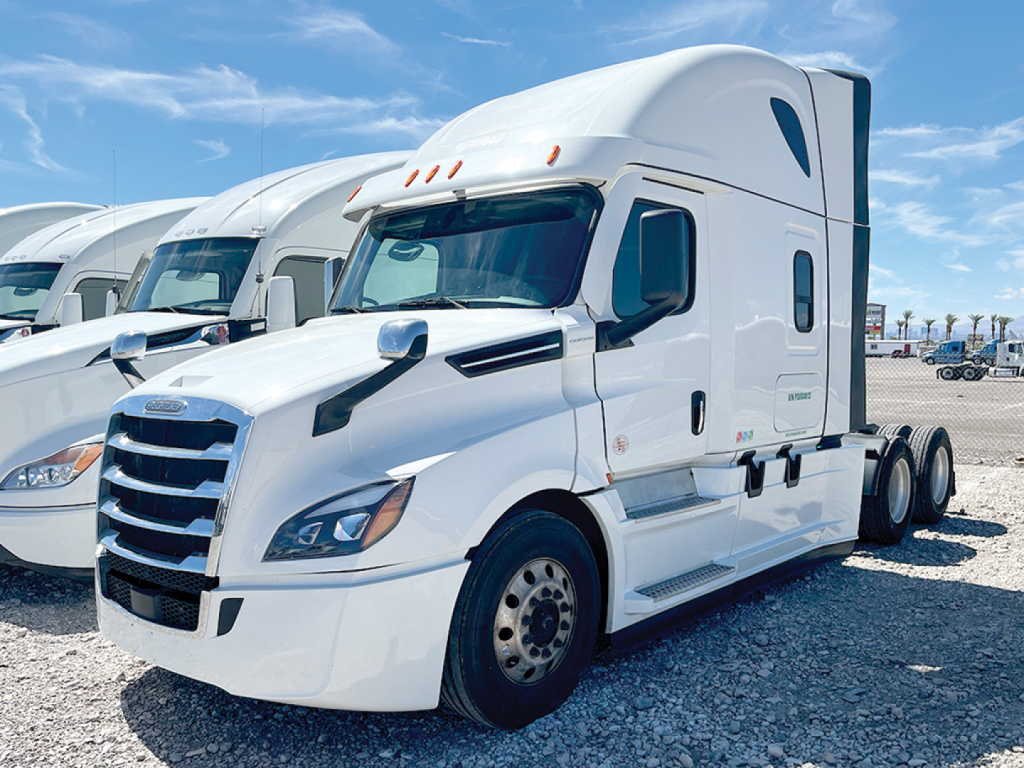
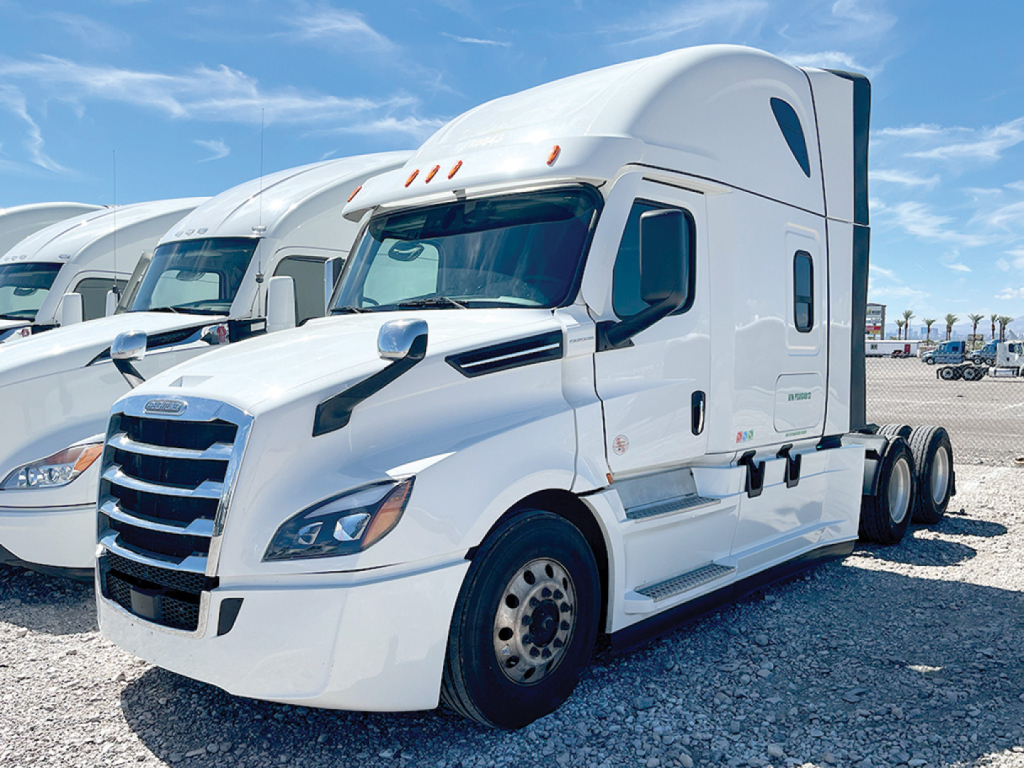
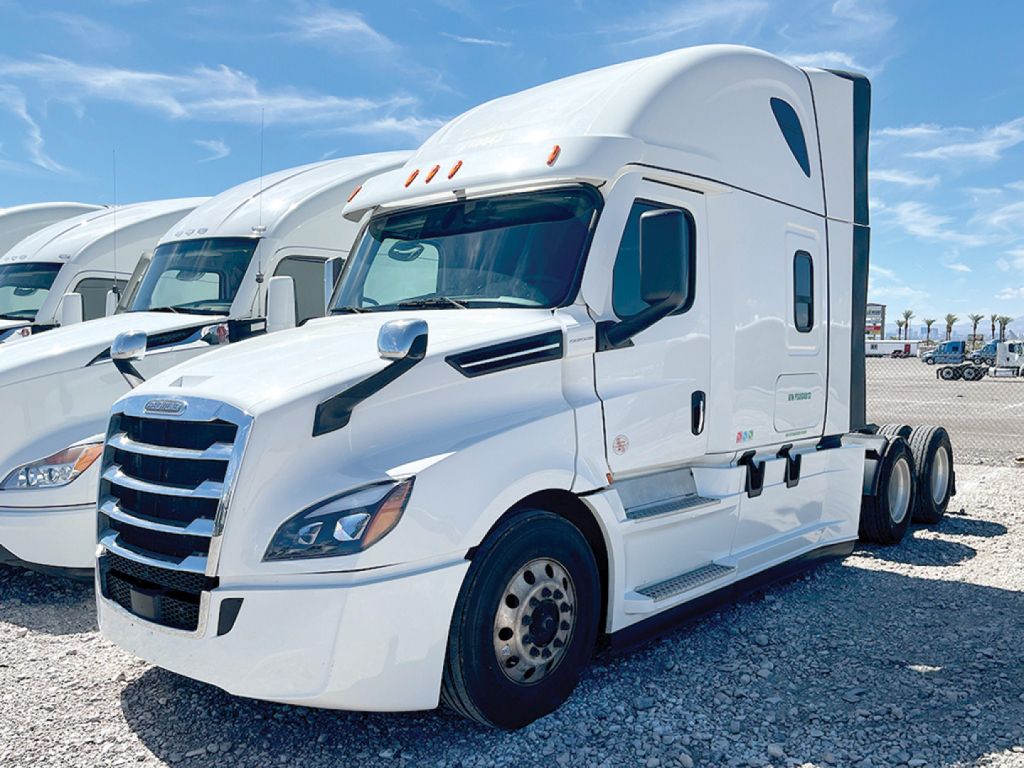
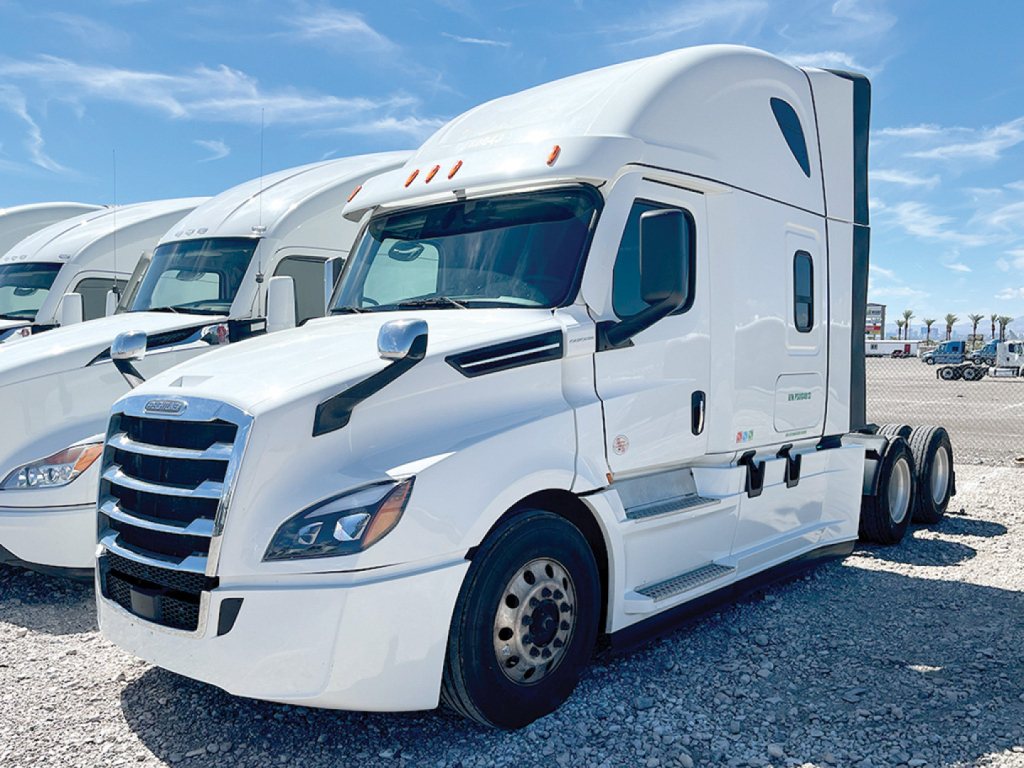
Have used 2023 freightliner conventional sleeper truck to sell? List it here to reach thousands of buyers.
Used 2023 Freightliner Conventional Sleeper Trucks in Nevada
For a 2023 Freightliner sleeper, the core spec decisions usually come down to engine, transmission, rear axle ratio, and sleeper size. Many are equipped with the Detroit DD15 in the 450 to 455 horsepower range, paired with the DT12 automated manual transmission. That combination is popular because it balances fuel economy, drivability, and service familiarity across large fleets and owner-operators alike. Buyers should also pay close attention to wheelbase, 5th wheel type, and axle configuration. A 40,000 lb tandem with an air slide 5th wheel is a common setup for general freight because it gives flexibility for kingpin settings and bridge law compliance across different trailer lengths and load profiles.
Cab and sleeper features matter more on a used sleeper tractor than they do on a day cab. Raised roof 72-inch sleepers are common in this class and typically include an upper bunk, storage cabinets, climate controls, and often a bunk heater or refrigerator. Safety and operating technology are another major part of the value equation in late-model Freightliner sleepers. Collision mitigation systems, engine brakes, cruise control, power accessories, and aerodynamic fairings are common on well-spec'd units. Tire setup can vary between low-profile duals and super singles, and brake spec may include disc brakes, which many buyers prefer for stopping performance and service consistency.
For Nevada operations, cooling system condition, A/C performance, tire condition, and emissions system history deserve extra attention because desert heat and sustained highway speeds can expose weak points quickly. A used 2023 Freightliner conventional sleeper should be evaluated on mileage, idle hours, maintenance records, aftertreatment service history, and signs of uneven wear in suspension, steering, and cab components. Buyers comparing multiple Cascadia sleepers should look past horsepower alone and match the spec to the lane: taller rear ratios for fuel mileage on open interstate runs, more aggressive ratios for heavier freight or mountain work, and sleeper amenities that fit solo or team use. The best truck in this category is usually the one with a clean maintenance story, the right drivetrain ratio for the freight, and a cab spec that supports driver retention as much as operating cost.
Frequently Asked Questions about Used 2023 Freightliner Conventional Sleeper Trucks in Nevada
What engine and transmission are common in a used 2023 Freightliner conventional sleeper truck?
Most used 2023 Freightliner conventional sleeper trucks, especially Cascadia models, are commonly spec'd with a Detroit DD15 engine and DT12 automated manual transmission. This drivetrain is widely used in long-haul fleets because it offers a strong mix of fuel efficiency, integrated controls, and easy service access through Freightliner and Detroit support networks. Some trucks may have other engine or transmission combinations, so buyers should confirm horsepower rating, torque, rear axle ratio, and software calibration when comparing trucks for similar work.
Is a 72-inch raised roof sleeper a good choice for over-the-road freight?
A 72-inch raised roof sleeper is one of the most practical configurations for over-the-road trucking because it gives the driver enough room for rest, storage, and basic living equipment without moving into a much larger specialty cab. It is especially useful for multi-day runs, team operations, and dedicated lanes where time away from home is routine. Buyers should check for bunk heater operation, cabinet condition, mattress platform wear, refrigerator function if equipped, and signs of water intrusion around seals and roof components.
What should I inspect first on a used 2023 Freightliner sleeper in Nevada?
Start with the cooling system, air conditioning performance, tire condition, and emissions system service history. Nevada heat puts added stress on radiators, charge air coolers, hoses, and cab climate systems, and prolonged interstate use can accelerate wear on tires and brakes. It is also smart to review fault codes, verify maintenance intervals, inspect suspension bushings and steering components, and look for aftertreatment repairs involving the DPF, SCR, or sensors.
How important is rear axle ratio on a Freightliner sleeper tractor?
Rear axle ratio has a direct effect on fuel economy, cruising rpm, launch performance, and gradeability. Lower numerical ratios such as 2.41 are often chosen for fuel-efficient highway operation, while higher ratios such as 2.85 or 3.23 can be better suited to heavier loads, mixed terrain, or more frequent starts and stops. The right ratio depends on trailer type, average gross weight, terrain, and target road speed, so it should be matched to the lane instead of treated as a minor spec detail.
Are used 2023 Freightliner conventional sleeper trucks good for fleet use and owner-operators?
Yes. Late-model Freightliner sleeper tractors are popular with both fleets and owner-operators because they are common, aerodynamic, and generally straightforward to support in service. Fleets often value standardization, driver acceptance, and access to parts, while owner-operators tend to focus on fuel economy, uptime, and sleeper comfort. The best fit depends on maintenance history, warranty status if any remains, drivetrain spec, and how closely the truck's configuration matches the freight it will actually pull.