
Used Volvo Conventional Sleeper Trucks For Sale in Nevada
Browse used Volvo conventional sleeper trucks in Nevada. Compare VNL 670 specs, sleeper sizes, powertrains, and long-haul value.
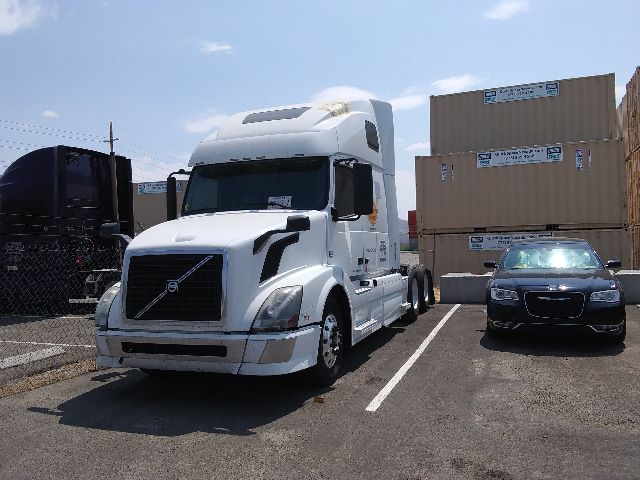
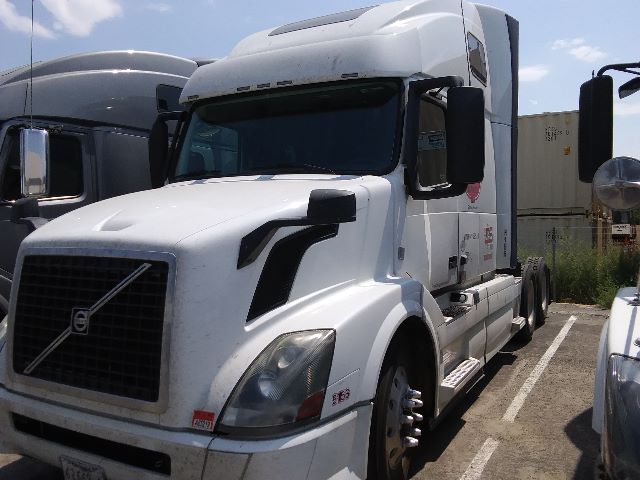
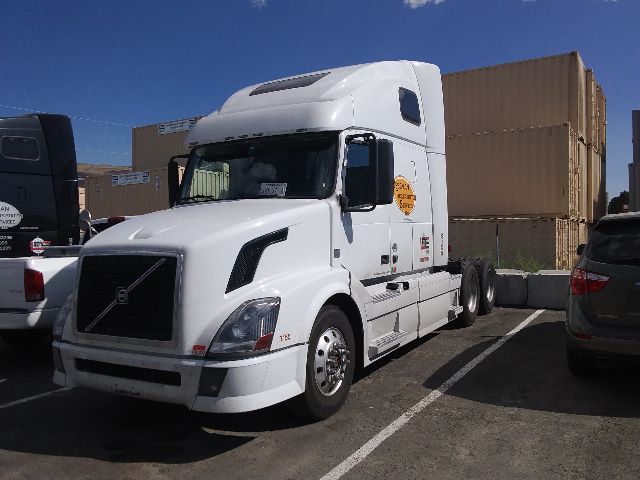
Selling a used volvo conventional sleeper truck? List your used volvo conventional sleeper truck for sale to reach thousands of commercial buyers.
Used Volvo Conventional Sleeper Trucks in Nevada
Frequently Asked Questions about Used Volvo Conventional Sleeper Trucks in Nevada
What should I check first on a used Volvo conventional sleeper truck?
Start with the powertrain and emissions history, then move to the sleeper and chassis details. On a used Volvo, buyers should review engine model, horsepower, torque rating, transmission spec, rear axle ratio, and documented maintenance for the aftertreatment system. Service records for DPF cleaning, injector work, EGR components, coolant system repairs, and any SCR or DEF-related issues matter. After that, verify sleeper condition, APU or idle-management equipment, tire wear, brake life, suspension condition, and signs of frame damage or poor fifth wheel maintenance.
Which Volvo sleeper models are most common in this category?
The most common used Volvo conventional sleeper trucks are from the VNL series, including configurations like the VNL 670, VNL 730, and VNL 780. The VNL 670 is especially common because it offers a practical mid-roof or high-roof sleeper setup with good aerodynamics and enough interior space for many over-the-road applications. The exact roof profile, bunk layout, and storage package can vary by spec year and original fleet order, so buyers should confirm the cab configuration rather than rely only on the model badge.
What powertrain specs matter most on a used Volvo sleeper in Nevada?
For Nevada operation, engine cooling performance, gearing, and highway cruise efficiency matter as much as horsepower. A truck running across I-80 or through western grades needs a powertrain matched to freight weight and average route speed. Buyers should look at the Volvo D-series engine spec or any alternate engine option, paired with the transmission model and rear axle ratio. An automated manual transmission is common on these trucks and can improve fuel economy and driver consistency, but the shift calibration, clutch history, and software updates should be checked on a used unit.
Are used Volvo conventional sleeper trucks good for fuel economy?
Volvo conventional sleepers are widely recognized for fuel-efficient highway design. The sloped hood, integrated fairings, roof profile, and chassis aero packages can make a meaningful difference on long runs. Actual fuel economy depends on engine rating, transmission, rear axle ratio, idle time, speed policy, trailer gap, and tire spec. A used truck with intact fairings, proper ride height, matched tires, and a clean maintenance record will usually deliver better operating results than one with missing aero parts or inconsistent service history.
What sleeper features matter most for resale and driver retention?
The biggest factors are bunk space, storage, HVAC performance, and overall cab condition. Buyers should pay attention to mattress platform condition, cabinet latches, seals, insulation, interior wear, inverter setup, and any idle-reduction equipment such as an APU or battery HVAC system. Good sleeper functionality supports driver comfort on multi-day runs and can help resale because clean, well-kept interiors are easier to place back into service. Exterior condition still matters, but on a sleeper tractor the interior often tells you a lot about how the truck was used and maintained.