
Used Peterbilt Conventional Sleeper Trucks For Sale in Nevada
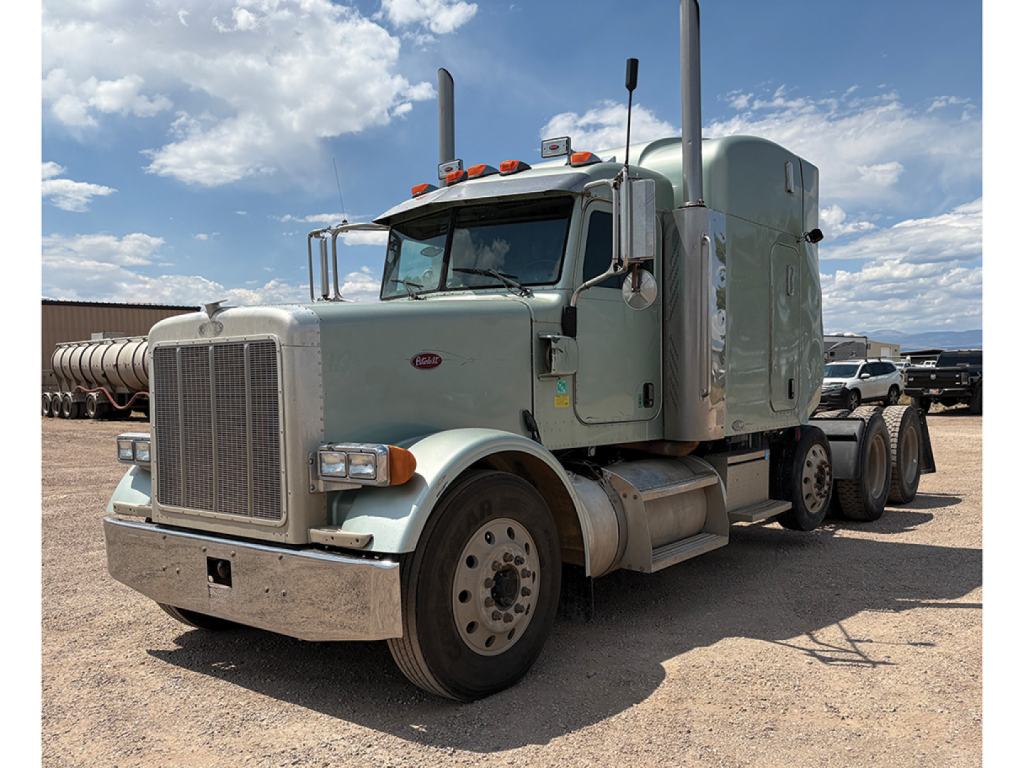
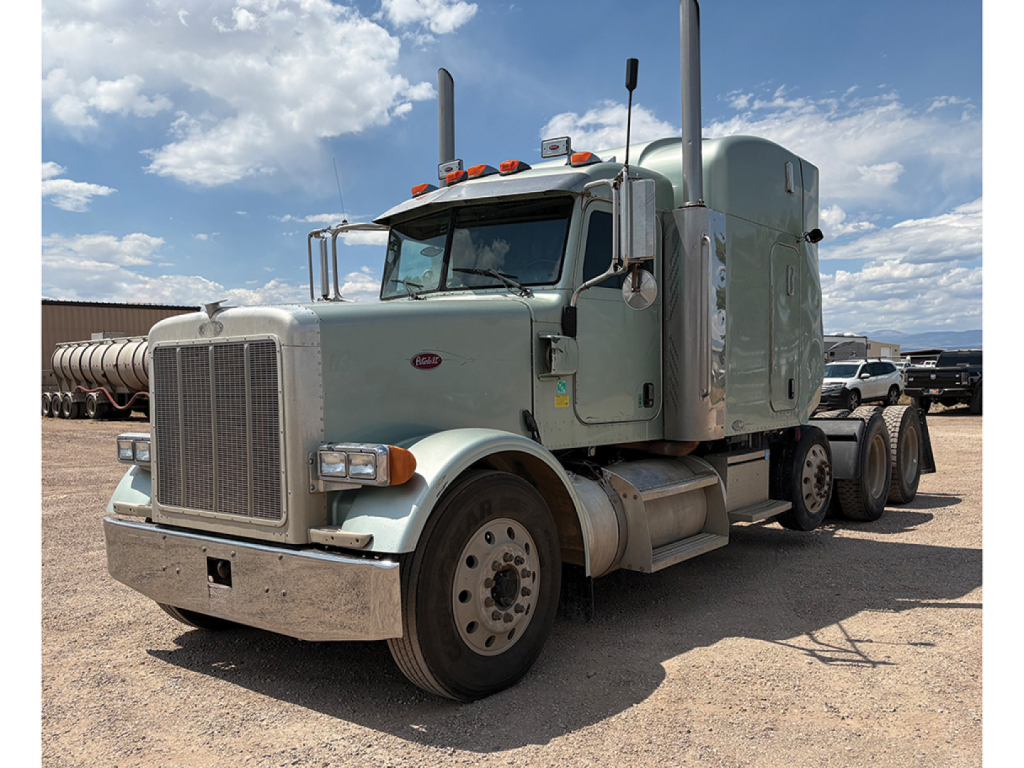
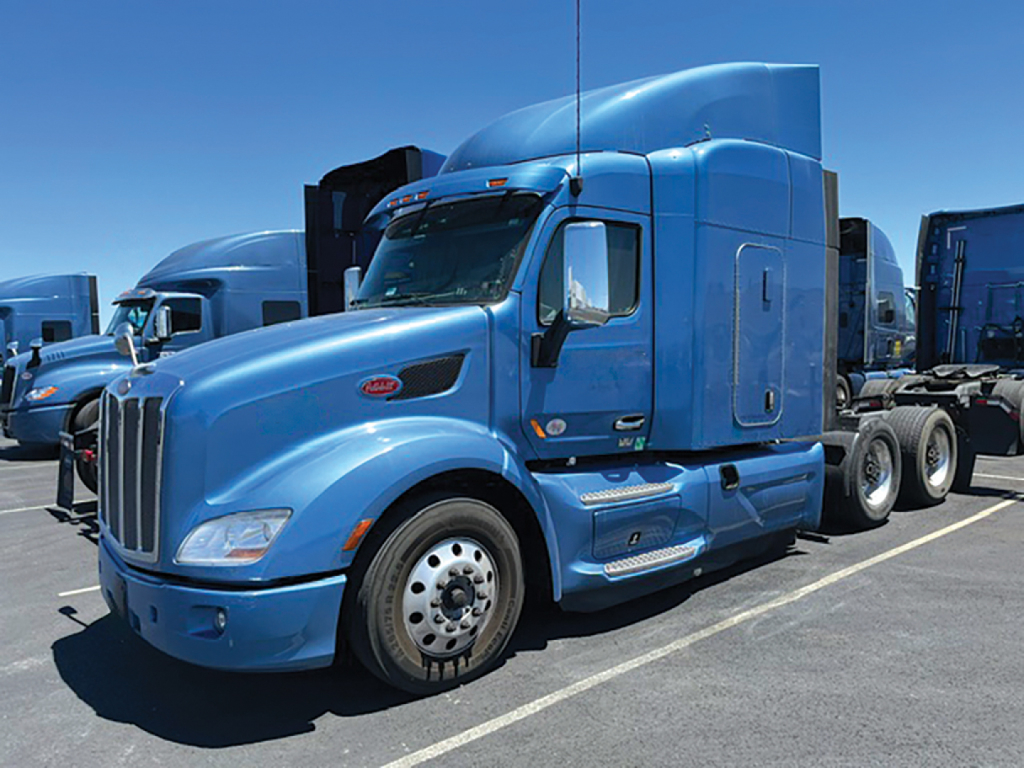
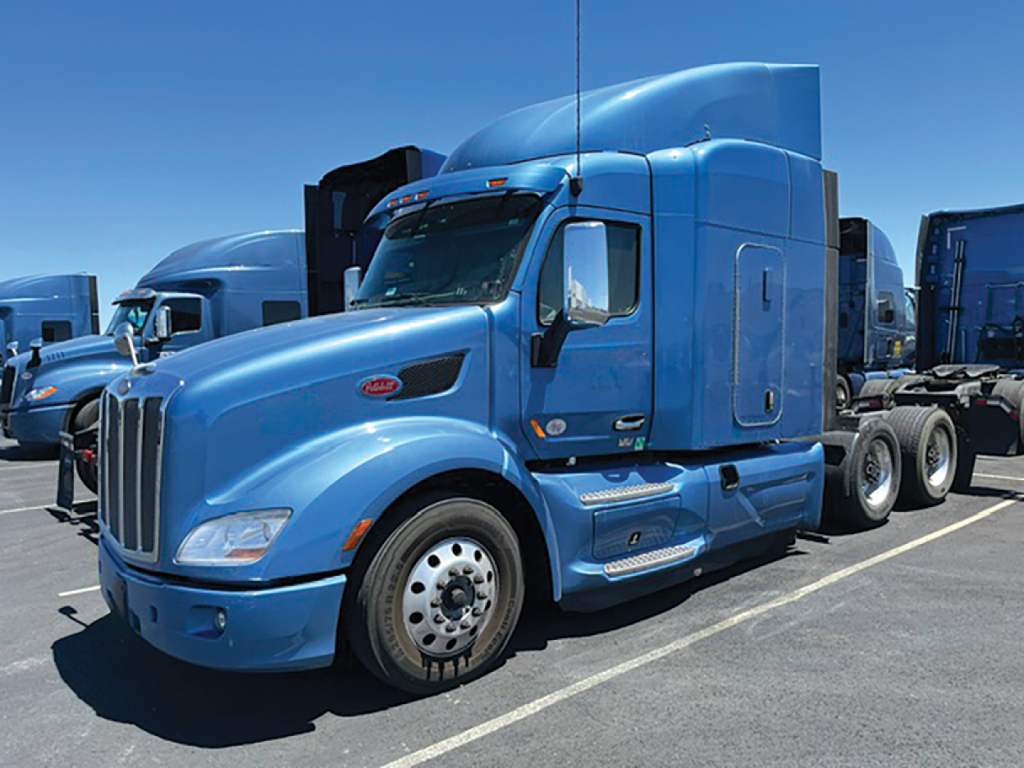
Have used peterbilt conventional sleeper truck to sell? List it here to reach thousands of buyers.
Used Peterbilt Conventional Sleeper Trucks in Nevada
The biggest buying decisions usually come down to sleeper size, engine, transmission, and rear axle ratio. Common used specs include 72-inch and 80-inch sleepers such as the Unibilt High Roof and UltraLoft, paired with PACCAR MX-13 or Cummins X15 engines. Horsepower often falls in the 455 to 565 HP range, with 40,000 lb rear axles, air ride suspension, and ratios like 2.85 or 3.08 depending on the intended cruise speed and terrain. Automated manuals are common in linehaul 579s, while some 567 sleepers are still spec'd with 18-speed manuals for heavier hauling. Wheelbase, fifth wheel travel, fuel capacity, and tire setup also matter, especially if the truck will be assigned to van, reefer, flatbed, or specialized trailer work.
For Nevada buyers, cooling system condition, APU or bunk heater spec, and overall HVAC performance deserve extra attention. Trucks operating through Las Vegas, Reno, and long desert corridors benefit from strong air conditioning, clean charge air coolers, and well-maintained emissions systems. On aerodynamic highway trucks, inspect fairings, cab extenders, and hood alignment because damaged aero components can hurt fuel economy. On heavier 567 sleeper specs, pay close attention to front axle ratings, frame condition, and whether the drivetrain matches the weight and grade demands of western routes.
A well-matched used Peterbilt sleeper can hold value well because these trucks are popular with fleets and owner-operators alike. Buyers typically focus on service history, engine brake performance, transmission calibration, suspension wear, and sleeper condition rather than just model year. Interior features such as refrigerator space, upper bunk configuration, power inverters, and storage layout can make a real difference in driver retention on over-the-road runs. If the truck will stay in highway service, prioritize aerodynamics, gearing, and idle-reduction equipment. If it will cross into heavier or more specialized work, prioritize chassis strength, manual transmission availability, and a drivetrain built for torque and durability.
Frequently Asked Questions about Used Peterbilt Conventional Sleeper Trucks in Nevada
What is the difference between a Peterbilt 579 sleeper and a Peterbilt 567 sleeper?
The Peterbilt 579 is primarily a highway tractor designed for fuel economy, driver comfort, and over-the-road freight efficiency. It typically has more aerodynamic styling, common automated transmission specs, and sleeper configurations aimed at long-distance linehaul. The Peterbilt 567 sleeper is a heavier-duty platform with more vocational flexibility, making it a better fit for operations that mix highway miles with construction access, heavier trailers, or rougher road conditions.
What engine options are common in used Peterbilt conventional sleeper trucks?
Common engine choices include the PACCAR MX-13 and the Cummins X15. The MX-13 is widely used in Peterbilt 579 highway tractors and is often selected for fuel-efficient linehaul work. The Cummins X15 is also common, especially in heavier or higher-horsepower applications, and is popular with buyers who want broad service support and strong performance on mountain grades or heavy gross weights.
What sleeper size should I look for in a used Peterbilt?
A 72-inch sleeper is a practical choice for many over-the-road fleets because it balances living space, weight, and wheelbase. An 80-inch sleeper, including layouts like the UltraLoft, gives the driver more headroom, storage, and room for extended trips, which can help with comfort and retention. The right choice depends on trip length, trailer type, payload sensitivity, and how much emphasis the operation places on cab amenities.
Are automatic transmissions common in used Peterbilt sleeper trucks?
Yes. Automated manual and AutoShift-style transmissions are very common in used Peterbilt 579 sleeper trucks because they help standardize driver performance, reduce fatigue, and support fuel economy goals. Manual transmissions still appear in certain Peterbilt 567 sleepers and heavier-haul specs where buyers want direct gear control, especially in steep terrain or specialized applications.
What should Nevada buyers inspect on a used Peterbilt sleeper truck?
Nevada buyers should pay close attention to cooling system performance, air conditioning output, emissions health, and overall cab sealing because desert heat exposes weak components quickly. It also makes sense to inspect fairings, hood fit, windshield area, and sleeper HVAC equipment for signs of hard highway use. If the truck has an APU, bunk heater, or idle-reduction system, verify operation and service records because those features can directly affect uptime and driver comfort on western routes.