
Used 2020 Conventional Sleeper Trucks For Sale in Nevada
Shop used 2020 conventional sleeper trucks in Nevada. Compare aero cabs, sleeper sizes, powertrains, wheelbases, and driver-comfort specs.
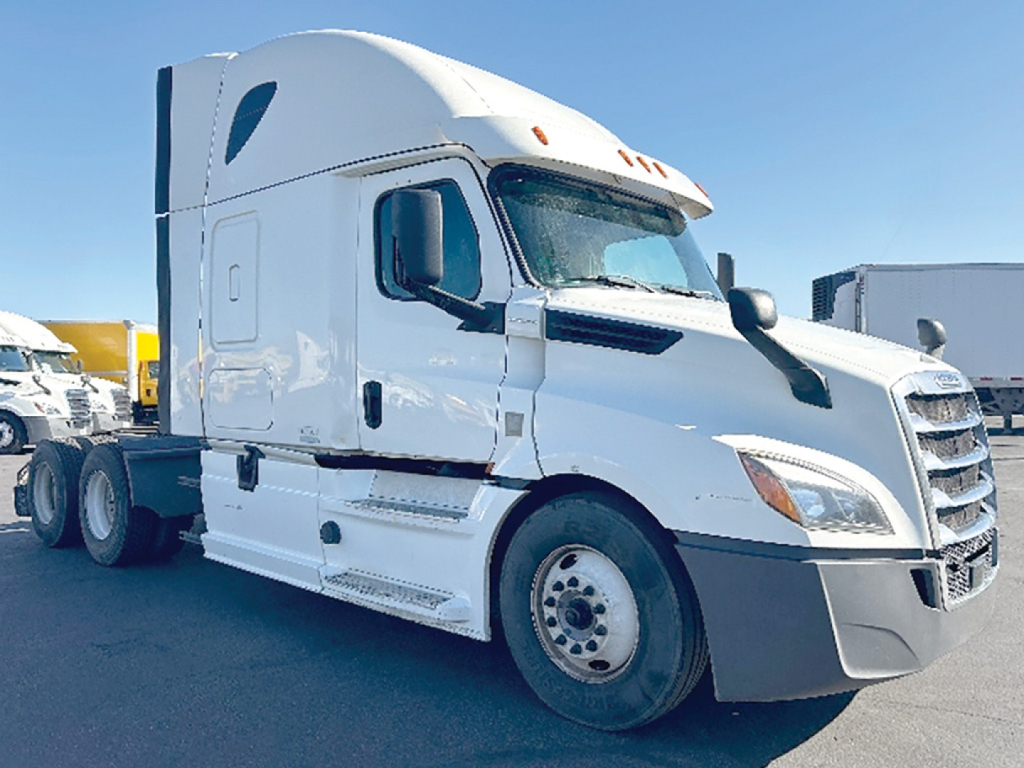
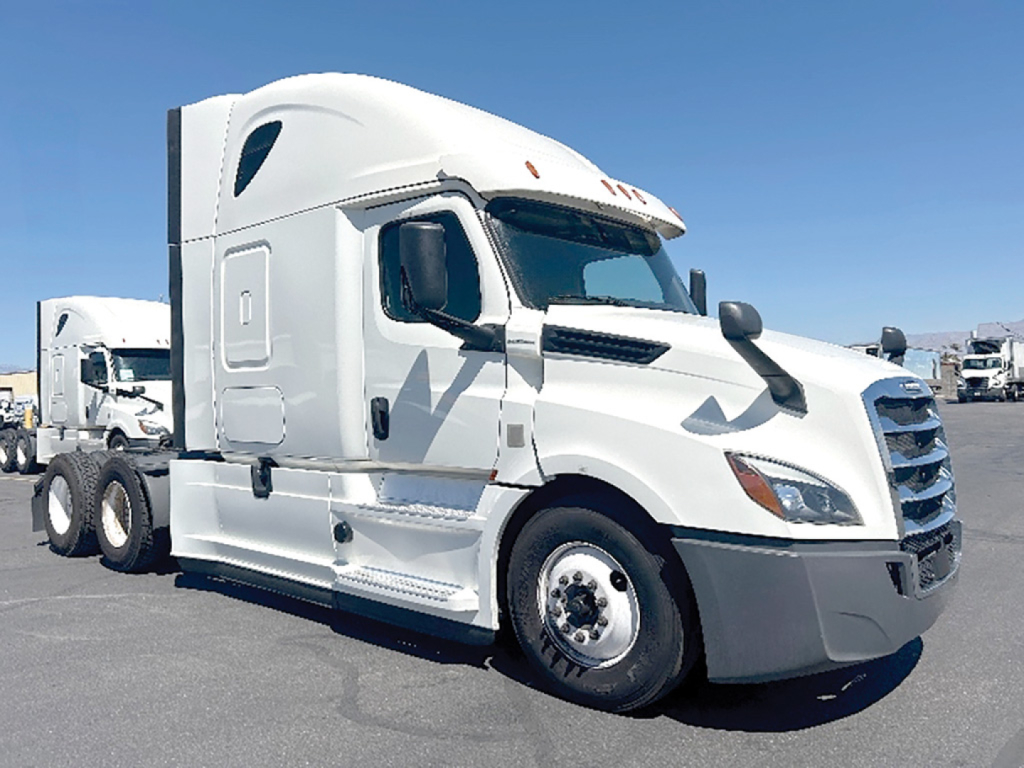
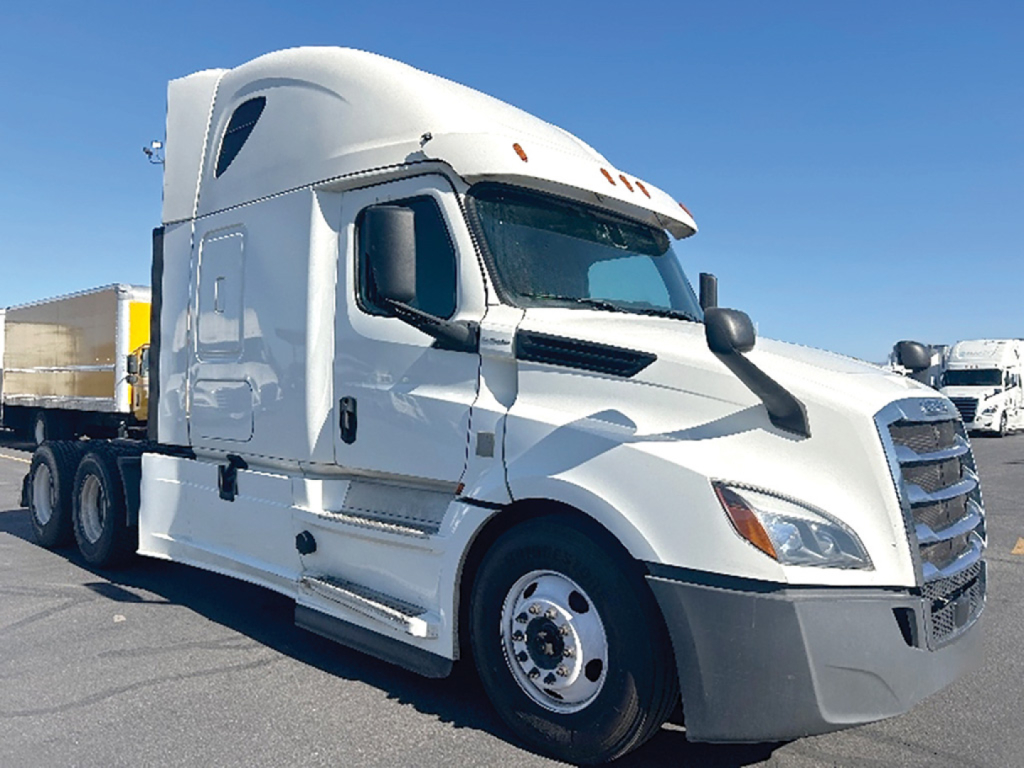
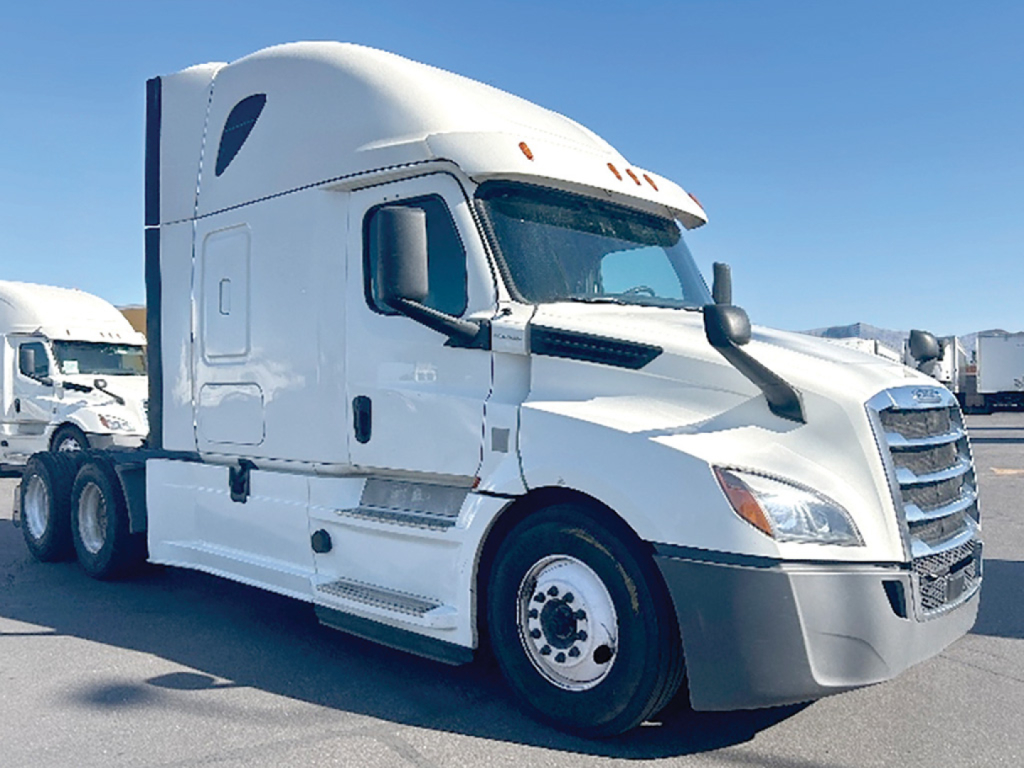
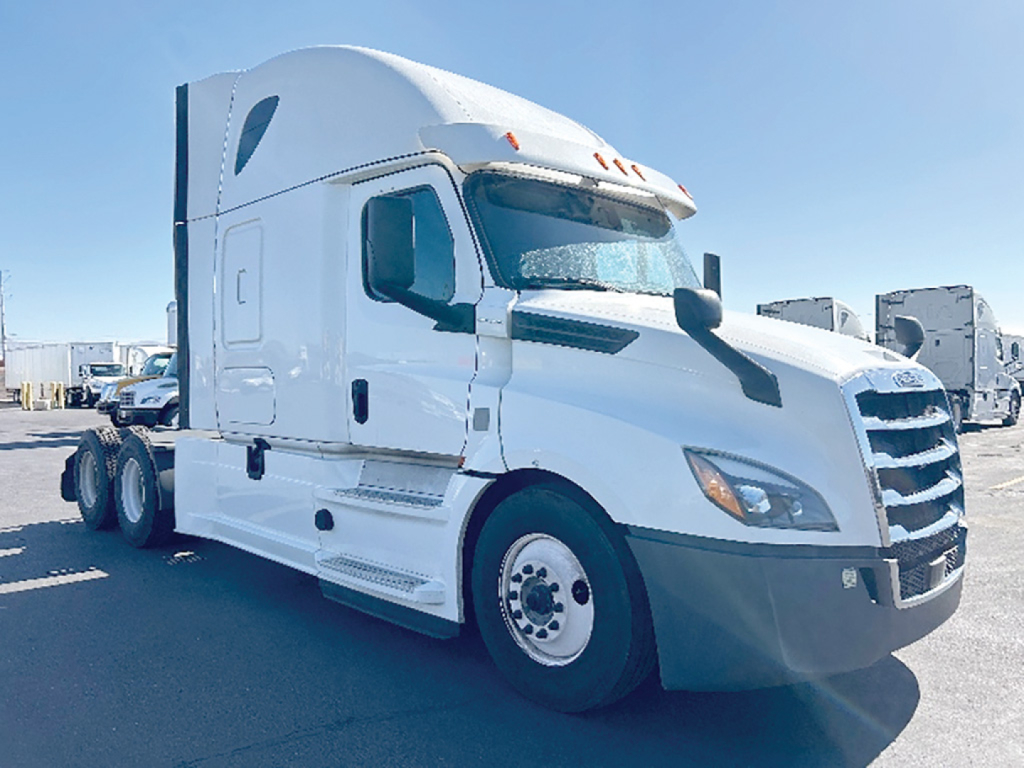
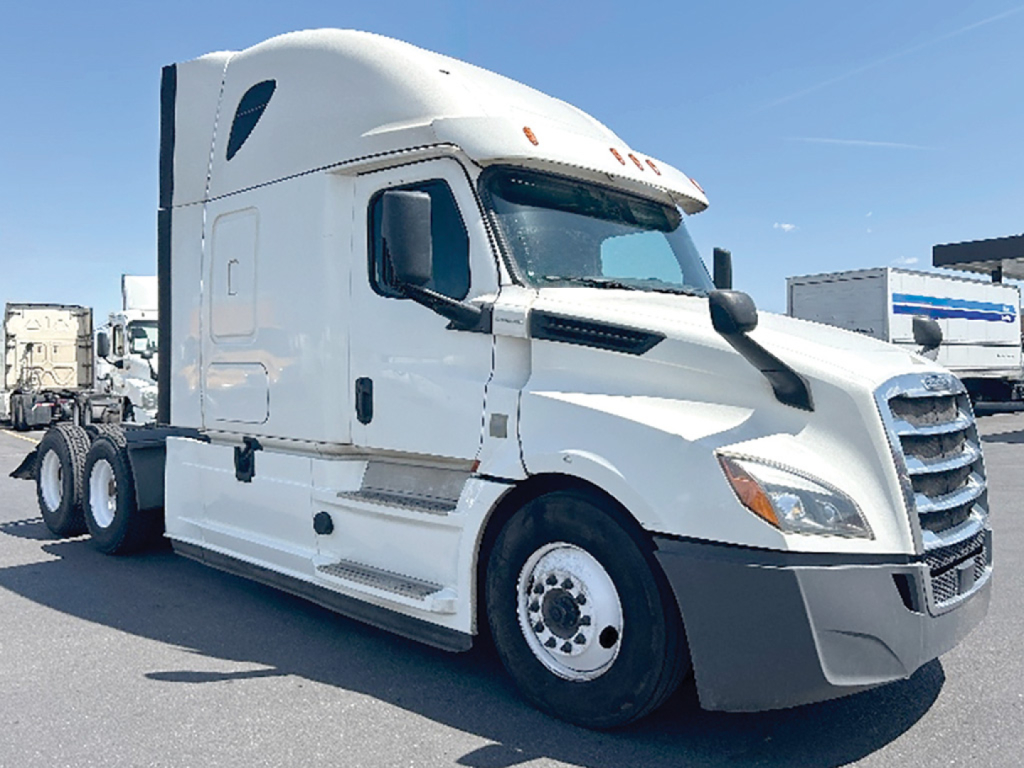
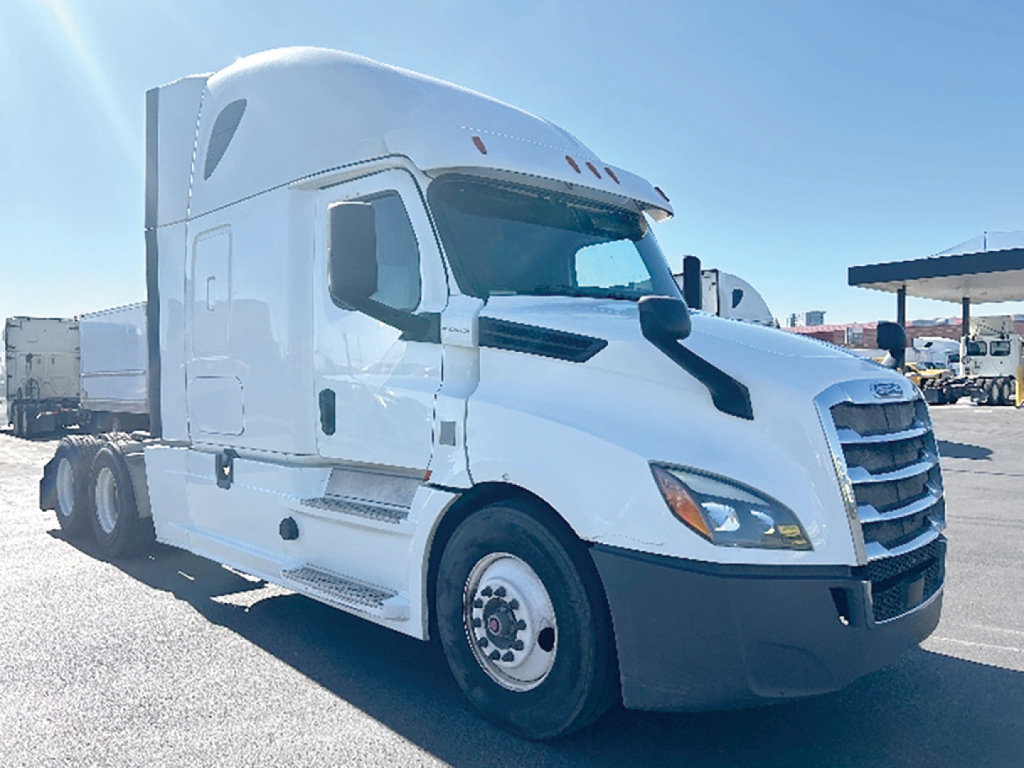
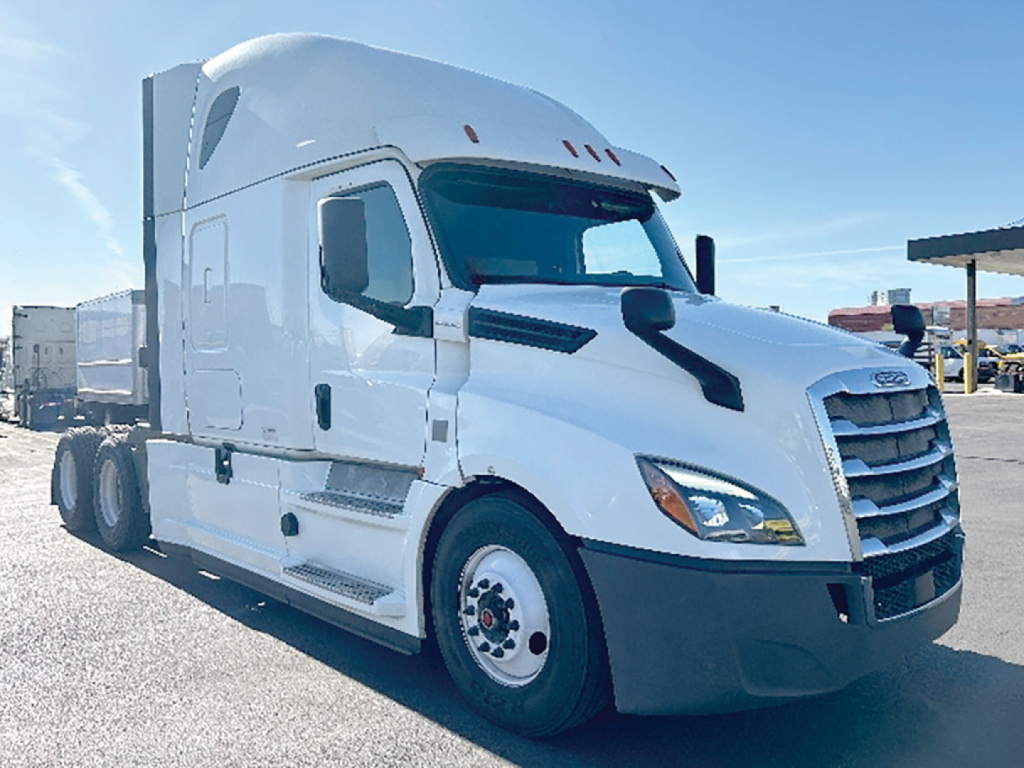

Have used 2020 conventional sleeper truck to sell? List it here to reach thousands of buyers.
Used 2020 Conventional Sleeper Trucks in Nevada
For most buyers, the key decision starts with the powertrain. In this class, 2020 conventional sleepers commonly show up with engines like the Cummins X15, Detroit DD15, and Volvo D13, usually rated around 425 to 455 horsepower with engine brakes and 12-speed automated transmissions. Rear axle ratings are often 40,000 pounds, with common ratios such as 2.64, 2.85, 3.08, and 3.25. Lower numerical ratios generally favor fuel economy on open highway runs, while a deeper ratio can be the better fit for mountain grades, heavier gross weights, or more stop-and-go service. Buyers should also compare wheelbase, 5th wheel type, and suspension spec to make sure the truck matches trailer swing clearance, kingpin setting, and axle spread requirements.
Sleeper configuration matters as much as engine spec on a conventional sleeper. Many 2020 trucks in this category use 72-inch to 73-inch raised-roof or hi-rise sleepers with upper bunks, bunk heaters, storage cabinets, and room for a refrigerator or workstation. For over-the-road use, those features are not cosmetic. They directly affect driver retention, rest quality, and the ability to stay out longer without sacrificing comfort. Aerodynamic components like cab extenders, roof fairings, side fairings, and quarter fenders also deserve attention because missing or damaged aero parts can hurt fuel economy and create extra noise on the road.
A serious evaluation of a used 2020 conventional sleeper truck should include more than odometer reading and appearance. Check service records for aftertreatment work, transmission calibration history, and cooling system repairs. Look at tire spec, disc versus drum brakes, super singles versus duals, and the condition of suspension components, steering gear, and sleeper HVAC equipment. Nevada buyers should also pay attention to performance in sustained heat, including APU or idle reduction operation, bunk climate control, and radiator condition. A well-matched 2020 conventional sleeper can still be a strong revenue truck when the drivetrain, sleeper layout, and axle configuration are aligned with the freight it will actually pull.
Frequently Asked Questions about Used 2020 Conventional Sleeper Trucks in Nevada
What should I look for first on a used 2020 conventional sleeper truck?
Start with the engine, transmission, rear axle ratio, and maintenance history. Those four items tell you most of what you need to know about how the truck was spec'd and how well it may fit your operation. After that, review sleeper size, wheelbase, 5th wheel setup, brake type, tire configuration, and any active safety systems. On a 2020 model, service records for emissions components and automated manual transmission repairs are especially important.
Are 2020 conventional sleeper trucks good for long-haul freight?
Yes. A 2020 conventional sleeper is typically well suited for over-the-road service because this model year commonly includes aerodynamic fairings, raised-roof sleepers, engine brakes, and automated transmissions designed for fuel-efficient highway miles. Many also include driver-comfort equipment such as upper bunks, bunk heaters, refrigerators, and climate control systems. The best results come from matching horsepower, axle ratio, and sleeper size to the freight and length of haul.
What rear axle ratio is best in a 2020 sleeper truck?
The best ratio depends on the application. Ratios like 2.64 or 2.85 are often chosen for fuel economy in flat to rolling highway service, while 3.08 or 3.25 may be a better fit for heavier loads, more frequent grade changes, or operations that need stronger low-speed pulling power. Buyers running Nevada and western interstate routes should consider both cruising RPM and mountain performance before deciding what ratio makes the most sense.
Is an automated transmission a good choice in a used 2020 conventional sleeper?
In most cases, yes. By 2020, automated manual transmissions were well established in linehaul fleets and commonly paired with engines like the DD15, X15, and D13. They can improve fuel economy, reduce driver fatigue, and simplify hiring compared with a manual transmission. The important part is confirming that clutch, software, calibration, and driveline service have been handled correctly, because shift quality and long-term durability depend heavily on maintenance.
Why do sleeper features matter on a used highway tractor?
Sleeper features matter because they affect both productivity and driver retention. A raised-roof sleeper with an upper bunk, heater, refrigerator, workstation, and strong HVAC performance makes it easier to keep a driver on the road longer and more comfortably. On used trucks, buyers should verify that sleeper appliances, bunk climate systems, seals, and interior storage components are all functioning correctly, since these details can be expensive to sort out after purchase.