
Used 2020 Freightliner Conventional Sleeper Trucks For Sale in Nevada
Browse used 2020 Freightliner conventional sleeper trucks in Nevada, including Cascadia specs, engine options, sleeper sizes, and spec tips.
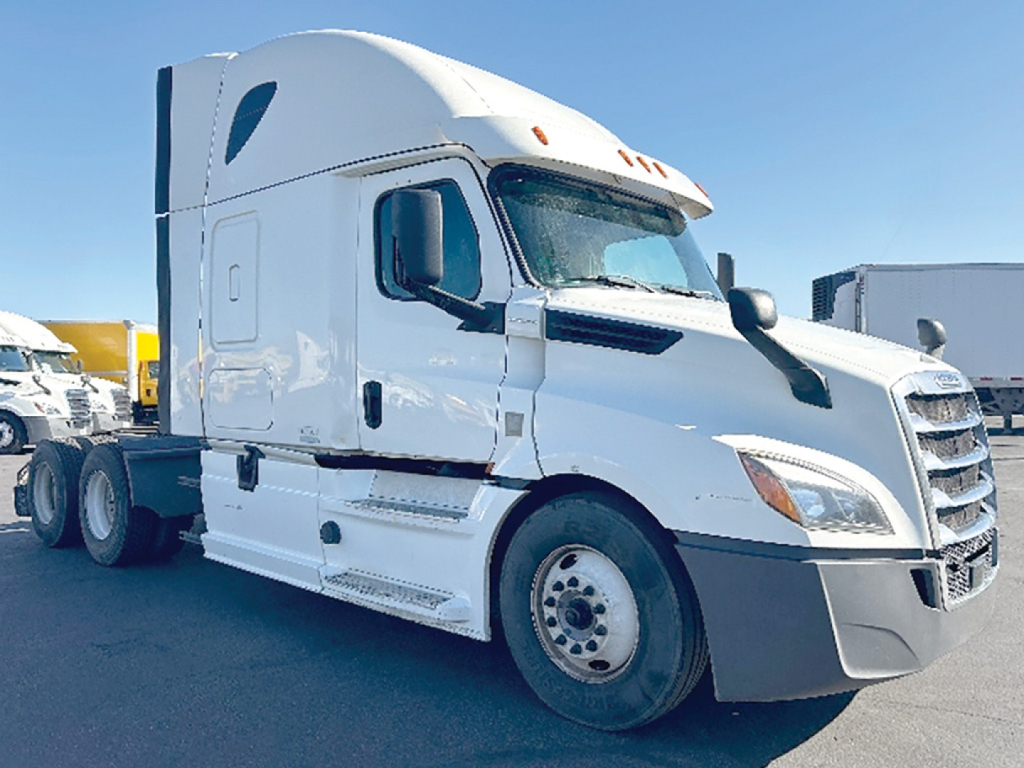
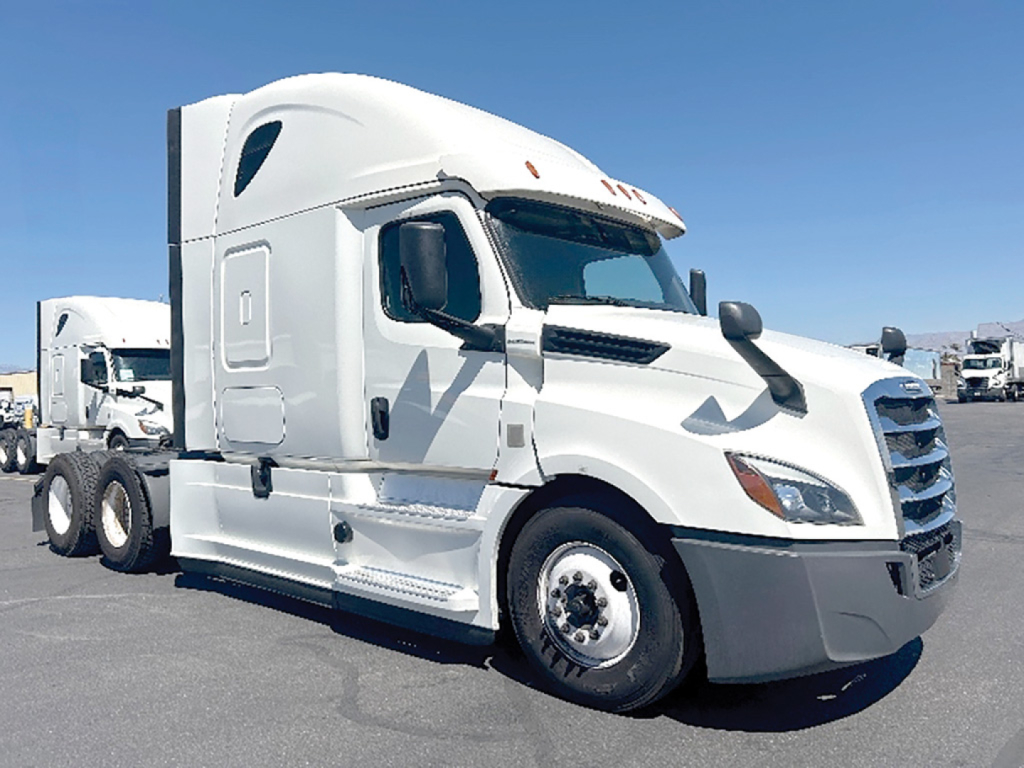
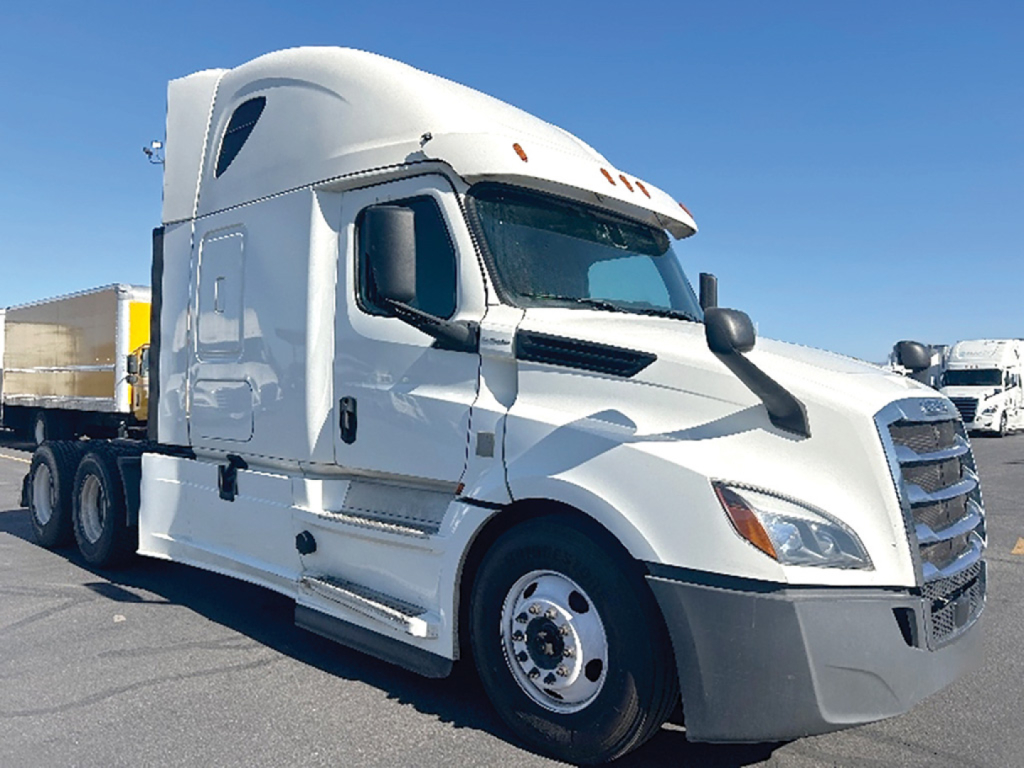
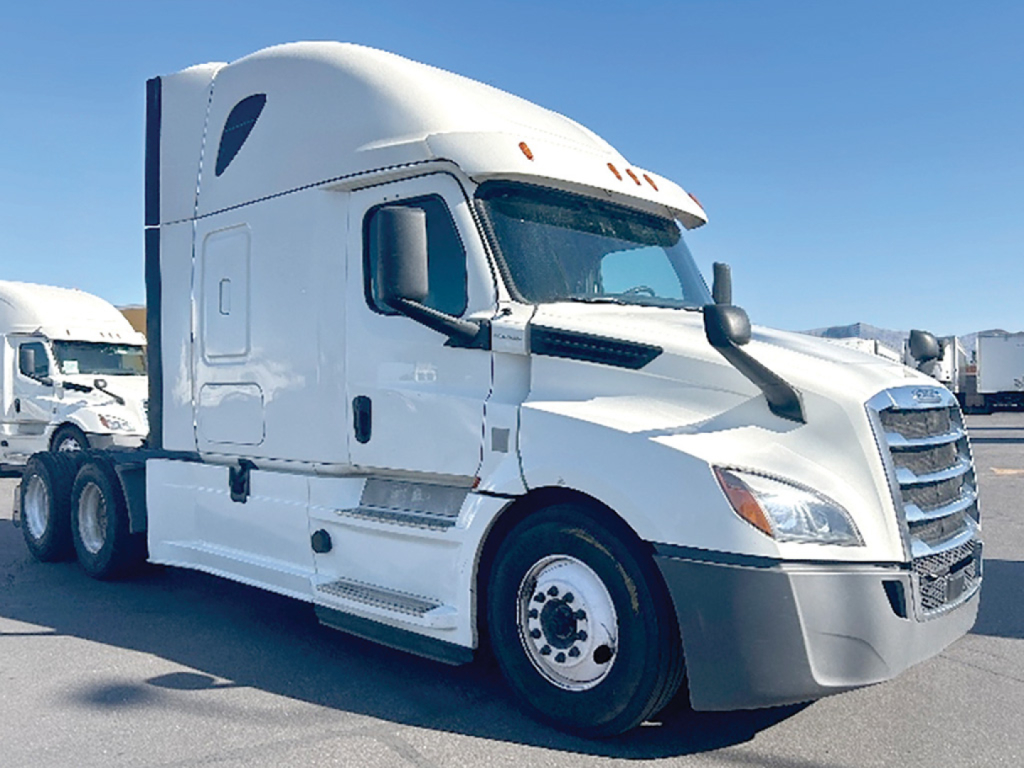
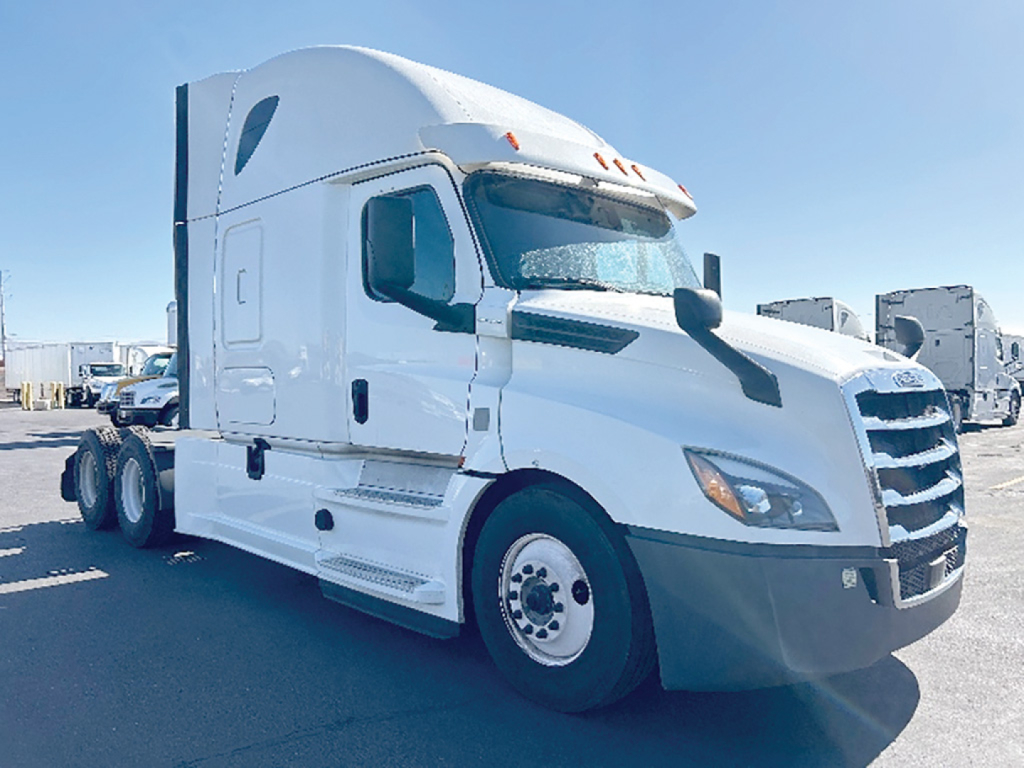
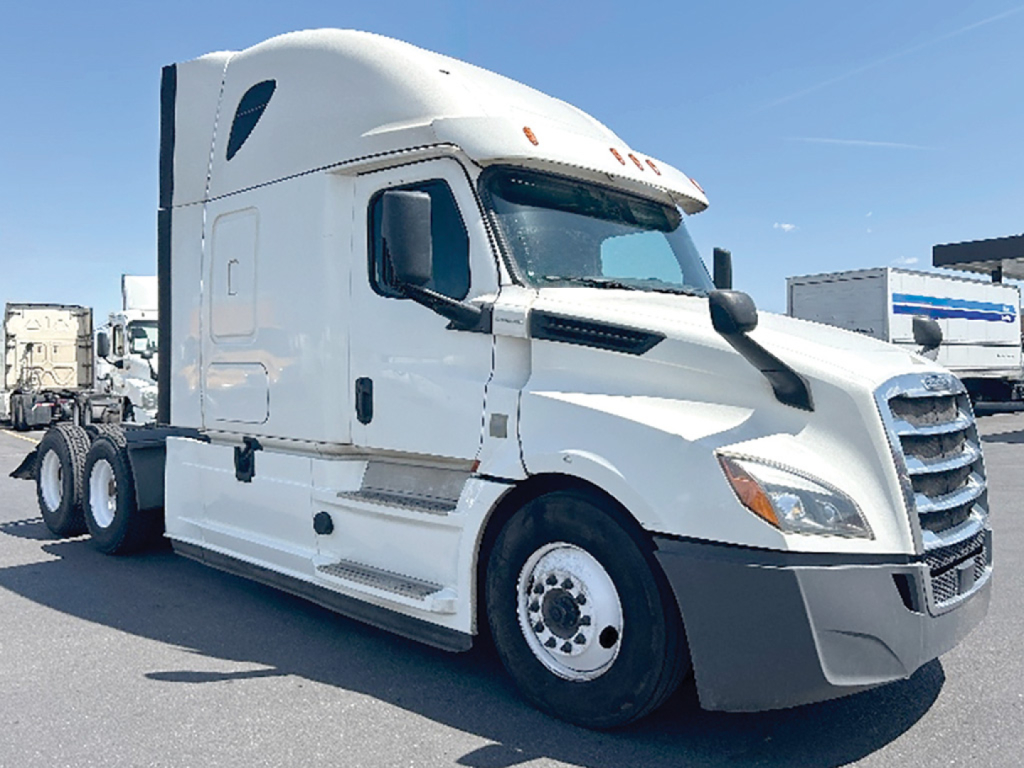
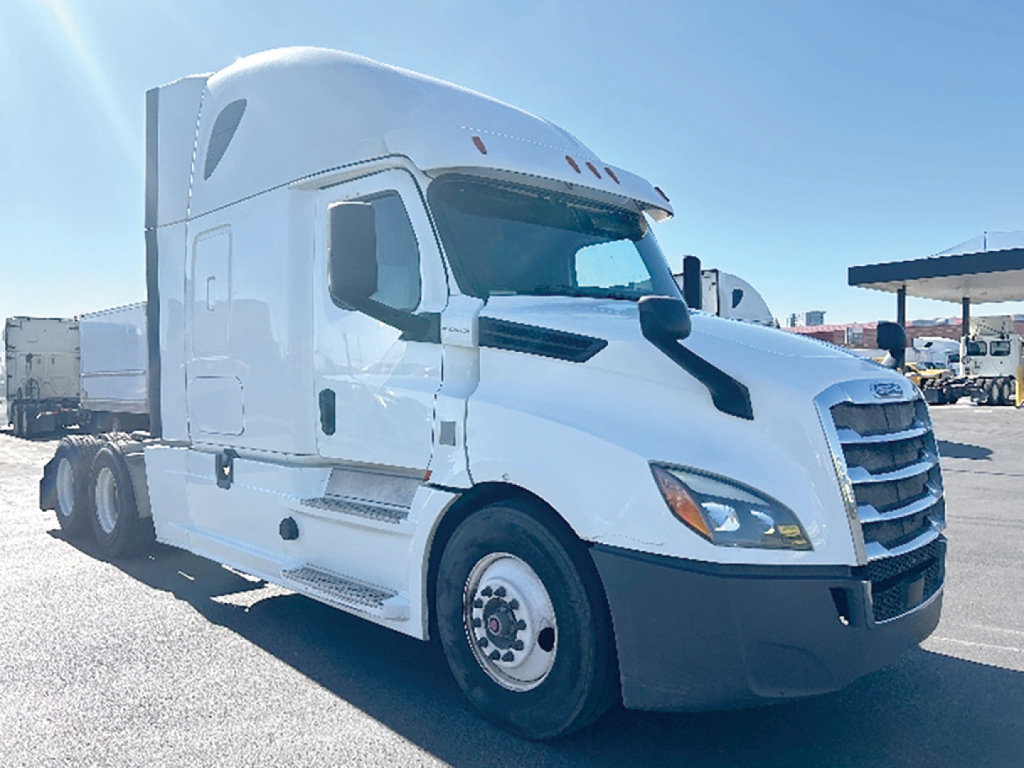
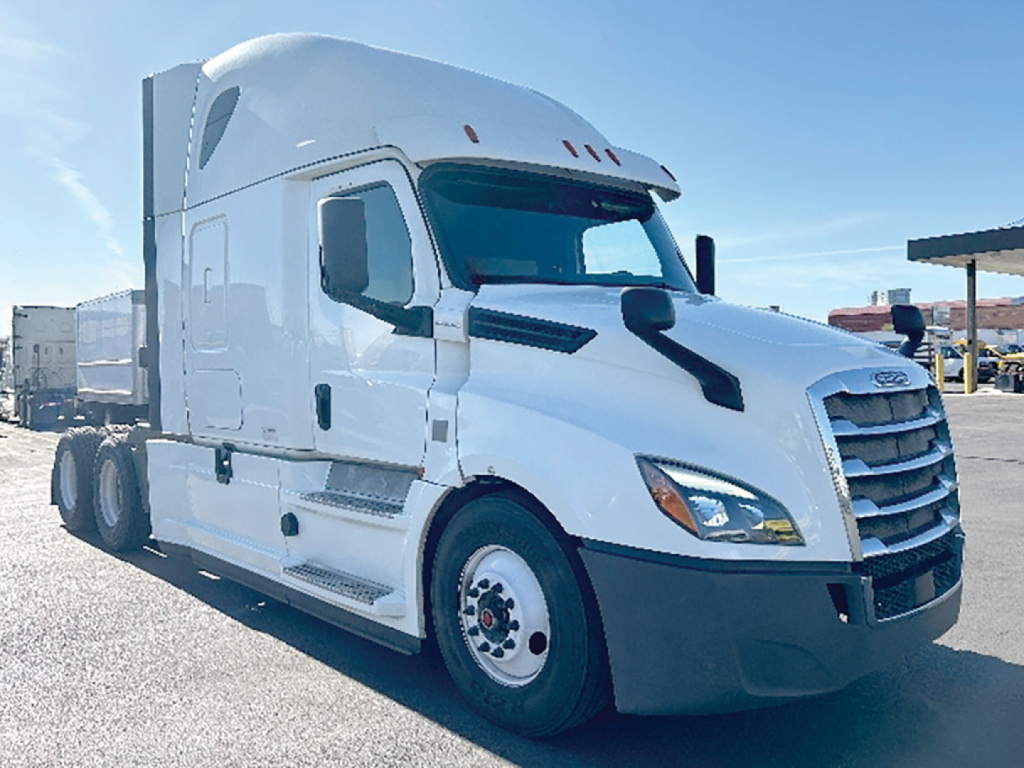

Have used 2020 freightliner conventional sleeper truck to sell? List it here to reach thousands of buyers.
Used 2020 Freightliner Conventional Sleeper Trucks in Nevada
The first buying decision is usually powertrain. Many 2020 Freightliner conventional sleepers are equipped with a Detroit DD15 paired to the DT12 automated manual transmission, while some are spec'd with a Cummins X15 and automated transmission as well. Horsepower in this class often lands around 450 to 455 HP, with 40,000 lb rears and highway-friendly axle ratios such as 2.85 or 3.23. That combination is common for fuel-efficient linehaul work. Buyers should compare axle ratio, tire size, and transmission programming together, because those three items have a direct effect on cruise RPM, gradeability, and fuel burn. Wheelbase is also worth checking. A 223-inch to 229-inch wheelbase is common on sleeper tractors in this range and affects trailer swing clearance, weight distribution, and ride quality.
Sleeper configuration and driver amenities can make a real difference in resale and retention. Many 2020 Freightliner sleepers in this class have a 72-inch raised-roof sleeper with an upper bunk, bunk heater, climate control, refrigerator, power windows, and tilt-telescoping steering. For teams or extended stays on the road, storage layout and HVAC performance matter almost as much as engine spec. Safety and convenience features are also common on this model year, including collision mitigation systems, engine brakes, air slide fifth wheels, and disc brakes. Fairings, cab extenders, quarter fenders, and fuel tank setup should be evaluated not just for appearance but for aerodynamic efficiency and day-to-day serviceability.
For used buyers, condition is more important than badge loyalty. Service history, aftertreatment maintenance, clutch and transmission calibration history on automated units, brake wear, suspension condition, and ECM verification should all be reviewed carefully. On a 2020 Freightliner sleeper with higher miles, pay close attention to DPF and DEF system records, steer tire wear pattern, kingpin and bushing play, and any signs of hard fleet use in the bunk and cab interior. Freightliner remains a strong choice in this category because of broad dealer coverage, readily available parts, and a familiar platform for drivers and technicians. A well-spec'd 2020 conventional sleeper can still be a productive truck for long-haul or regional operations if the maintenance history supports the mileage.
Frequently Asked Questions about Used 2020 Freightliner Conventional Sleeper Trucks in Nevada
What engine and transmission combinations are common in a used 2020 Freightliner conventional sleeper?
The most common setup is a Detroit DD15 paired with a DT12 automated manual transmission, usually rated around 455 horsepower. Some trucks in this category are also equipped with a Cummins X15 and an automated transmission. These combinations are popular because they balance fuel economy, driver ease of use, and linehaul performance. Buyers should compare horsepower, rear axle ratio, and tire size together because the full driveline spec determines how the truck performs on grades and at highway cruise speeds.
Is a 72-inch raised-roof sleeper a good spec for over-the-road freight?
Yes. A 72-inch raised-roof sleeper is one of the most desirable OTR configurations because it gives the driver enough room for extended trips, team operation, and onboard storage without moving into a larger specialty sleeper. Upper bunks, refrigerators, bunk heaters, and climate control systems are common in this size and improve driver comfort. For fleets focused on retention or routes with regular overnight runs, this sleeper size is usually a strong fit.
What rear axle ratio should I look for in a 2020 Freightliner sleeper?
A 2.85 ratio is common in fuel-mileage-focused highway specs and works well for van and reefer freight on flatter or mixed terrain. A 3.23 ratio can offer a little more pulling flexibility, especially when combined with heavier loads or more mountain driving. The best ratio depends on your gross combination weight, average speed, tire size, and terrain. Buyers in western states should think carefully about how often the truck will see long grades versus flat interstate lanes.
What should I inspect on a higher-mileage used Freightliner Cascadia sleeper?
Focus on maintenance records first. After that, inspect the aftertreatment system, check for fault history, verify ECM miles if possible, and review transmission service history on DT12 or other automated units. Look closely at disc brake condition, suspension wear, steer axle tire pattern, fifth wheel operation, and signs of play in steering or front-end components. Inside the sleeper, check HVAC output, bunk heater function, refrigerator operation, and general interior wear because those items can point to how the truck was treated over time.
Are used 2020 Freightliner sleeper trucks a good fit for Nevada operations?
They can be a very good fit because the platform is built for long interstate runs and commonly includes aerodynamic fairings, engine brakes, and efficient highway gearing. For Nevada duty cycles, cooling system condition, air conditioning performance, and engine brake effectiveness matter more than they might in milder regions. The truck should also be matched to your route profile. A fuel-mileage spec is excellent for steady highway lanes, while buyers running more mountain grades may want to prioritize gearing and driveline setup over maximum fuel economy.