
Used 2020 Freightliner Conventional Sleeper Trucks For Sale
Shop used 2020 Freightliner conventional sleeper trucks, including Cascadia models with DD15 power, DT12 transmissions, and fleet-ready specs.
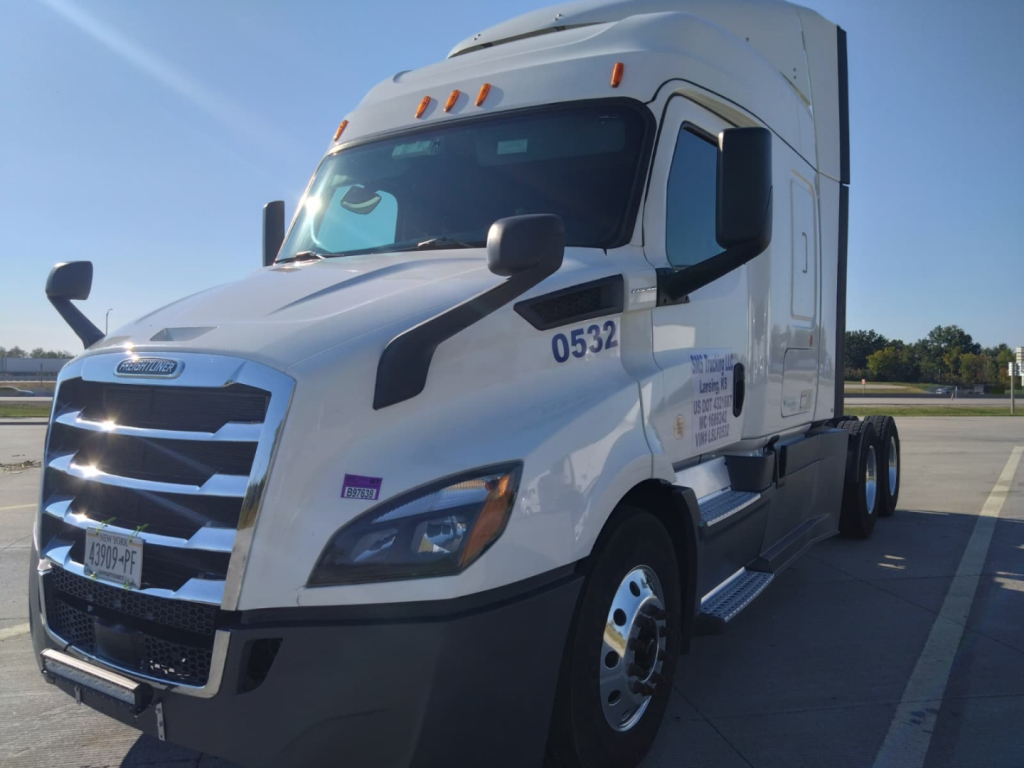
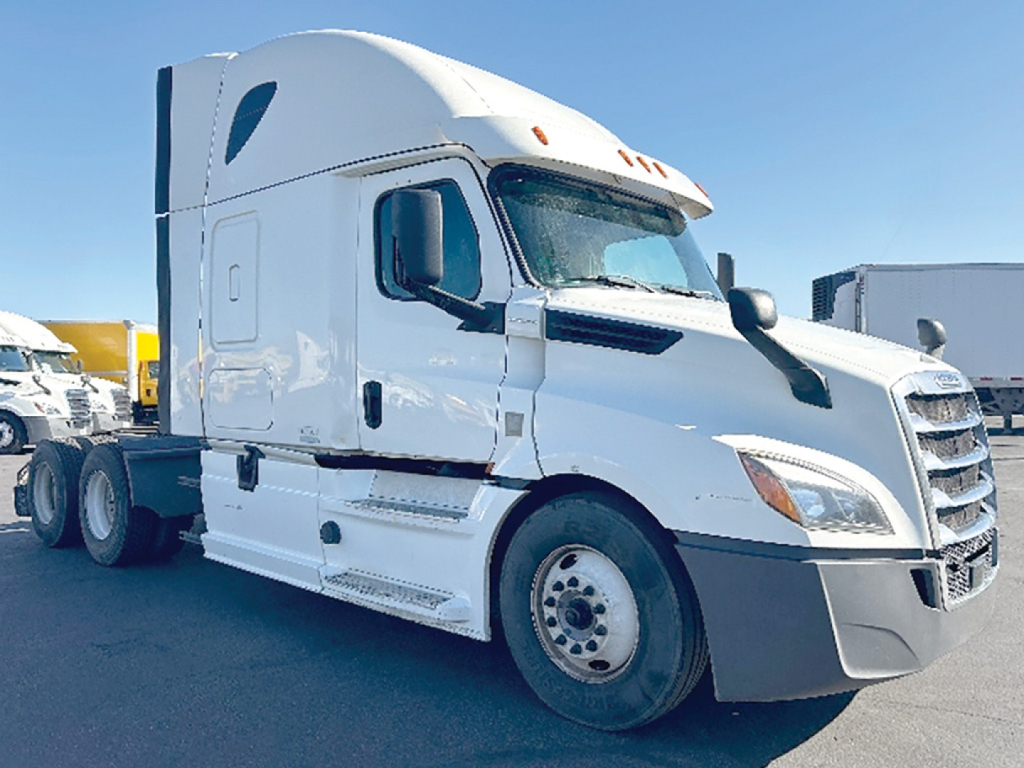
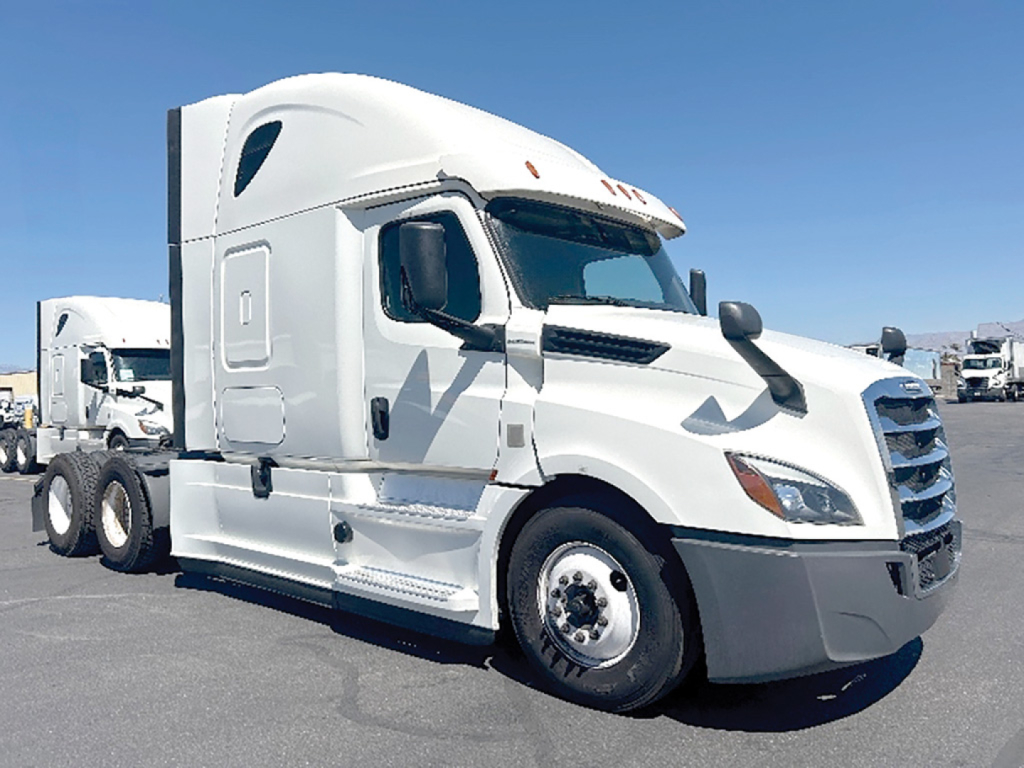
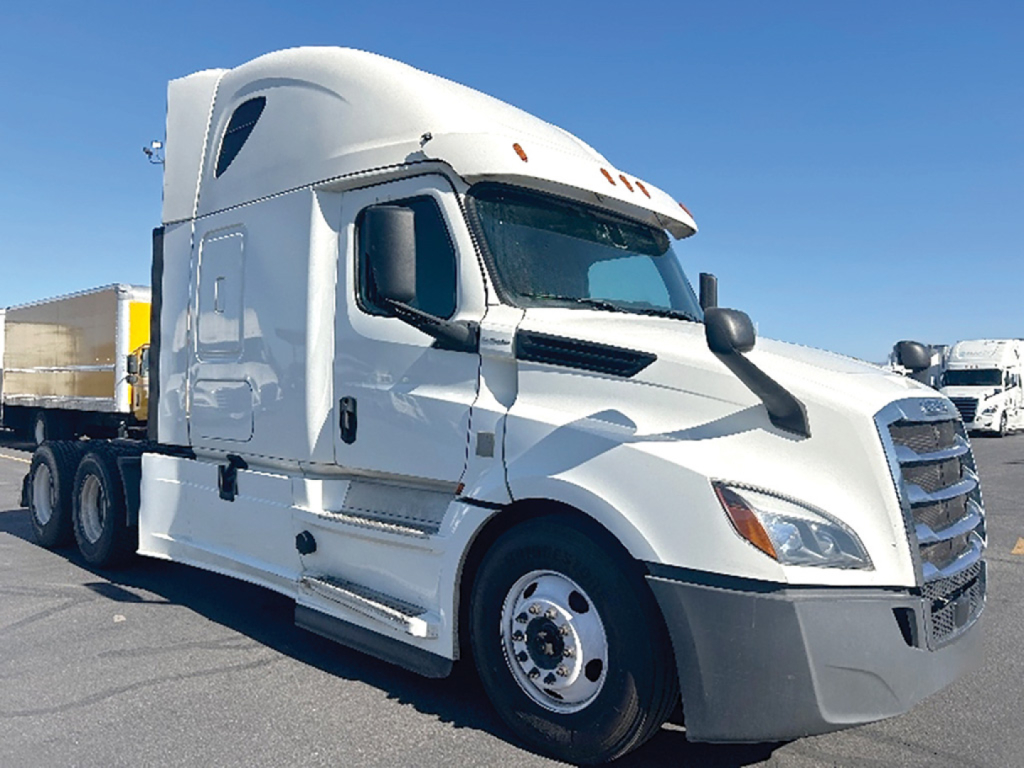
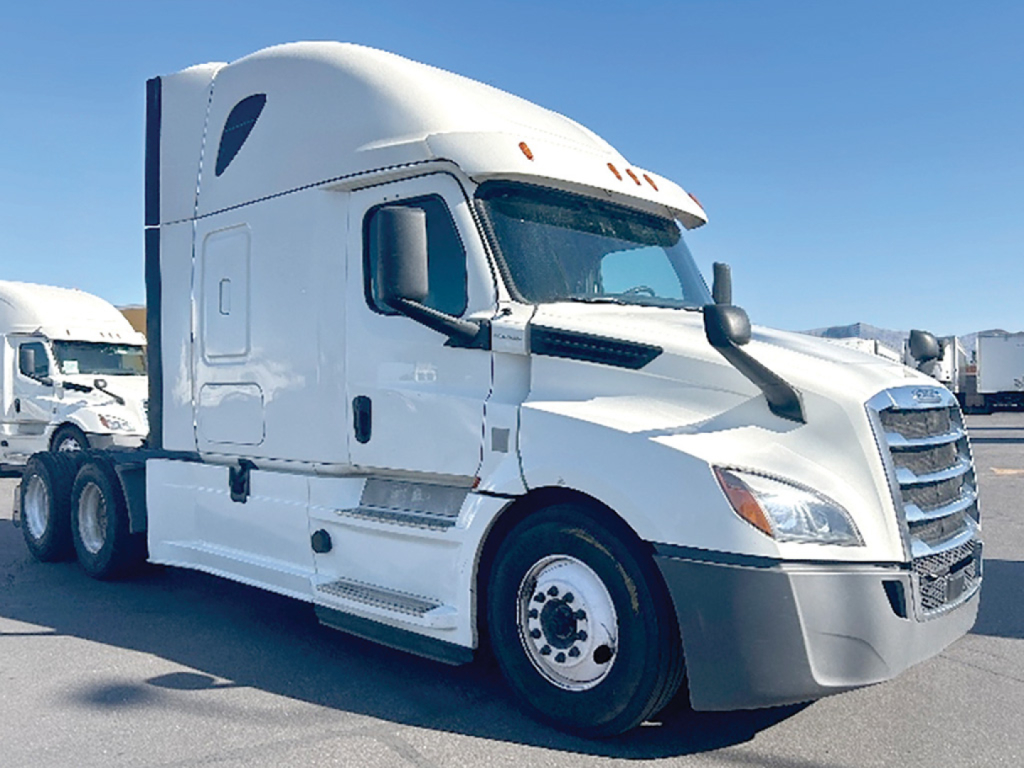
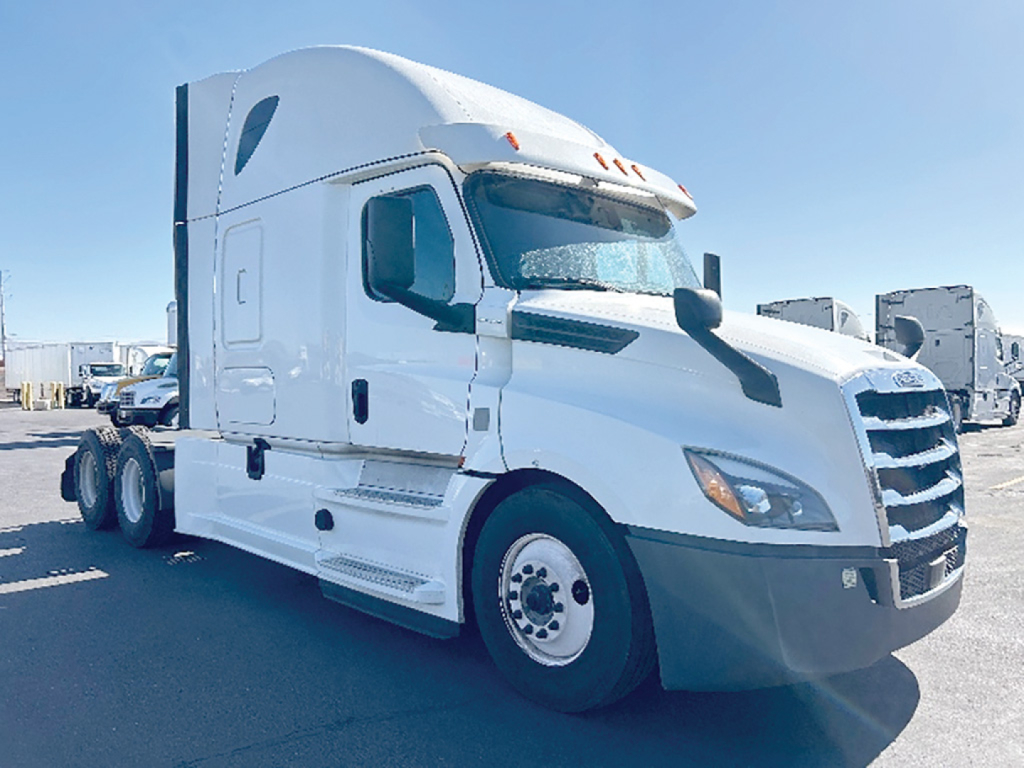
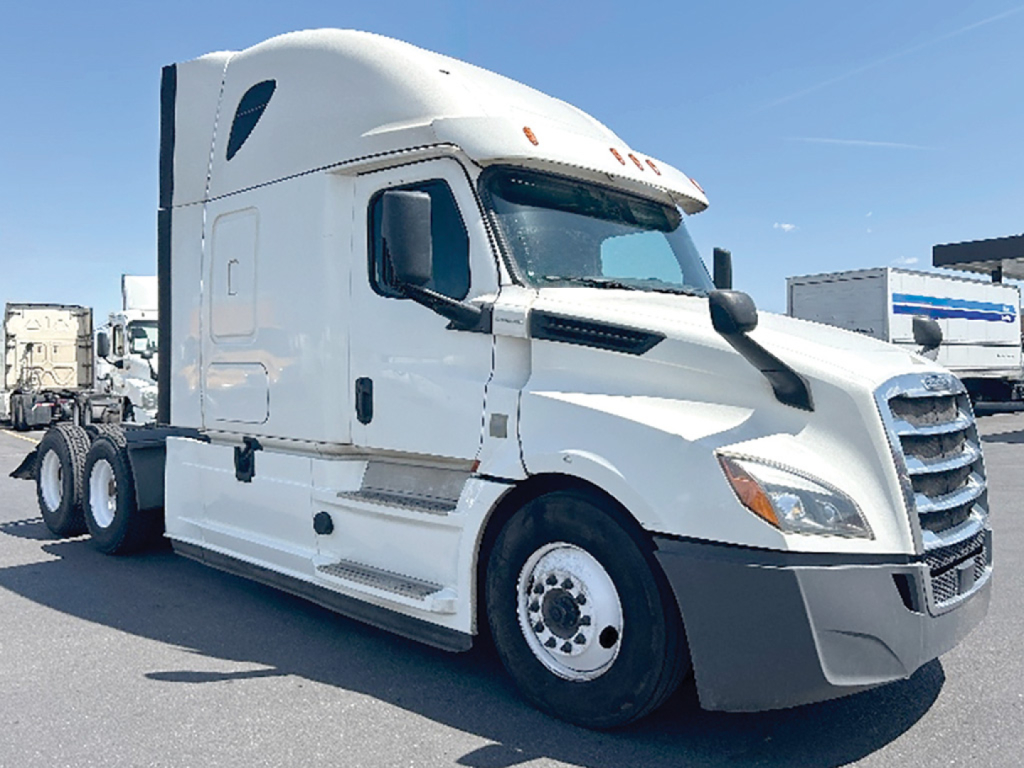
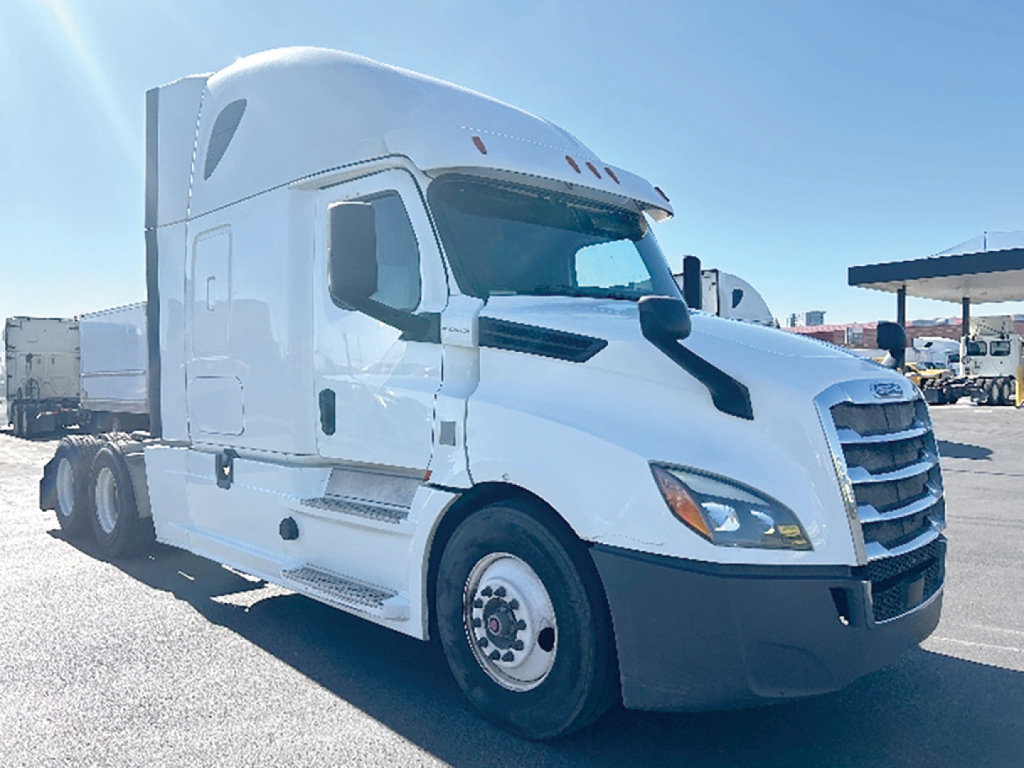
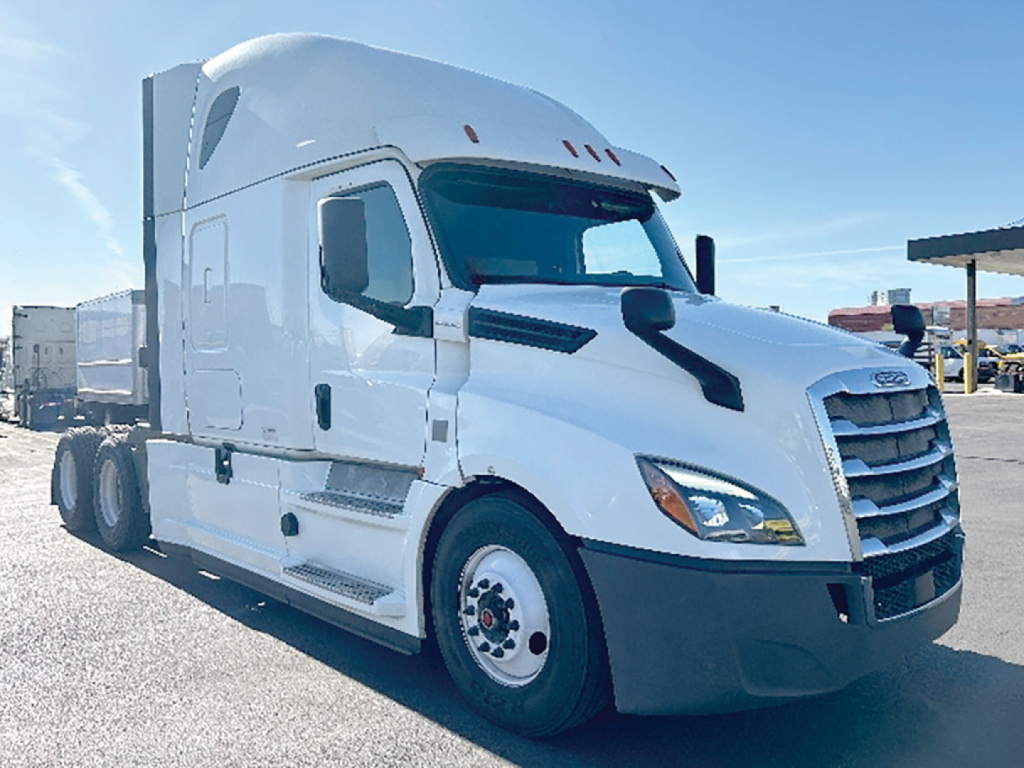
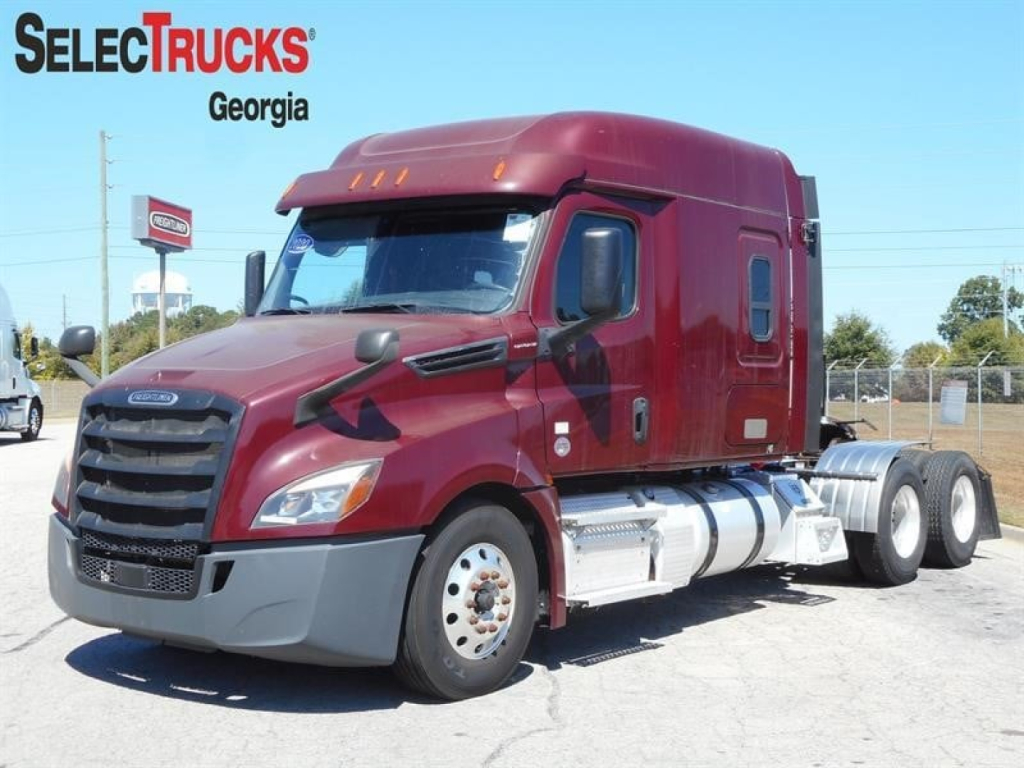
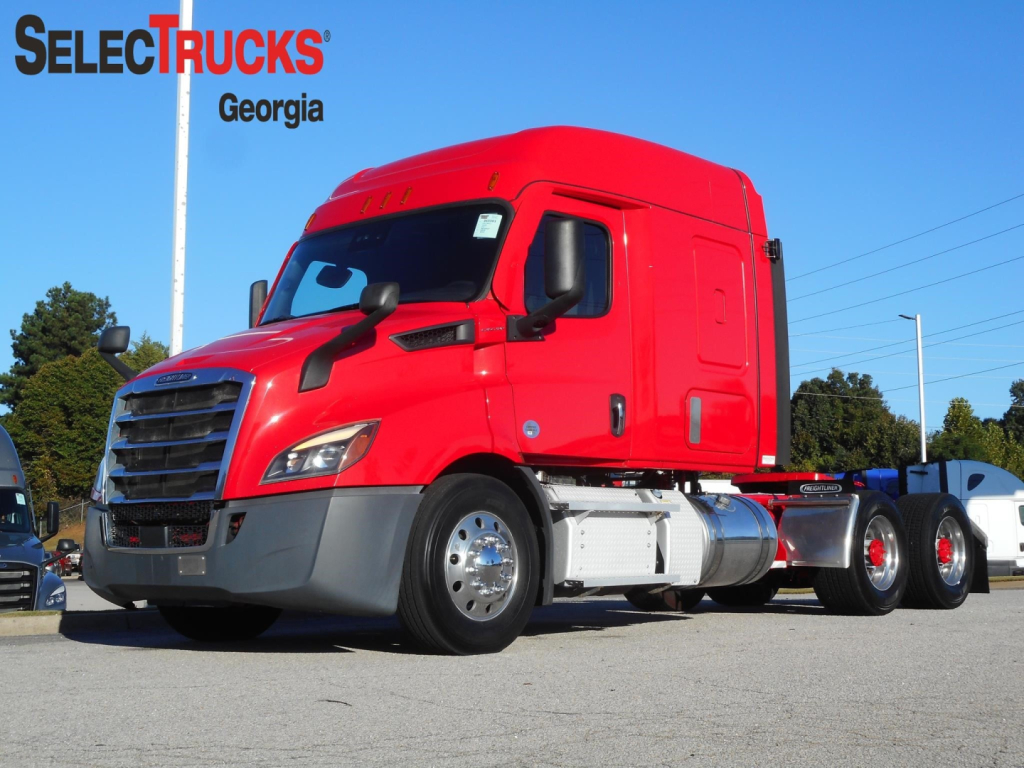
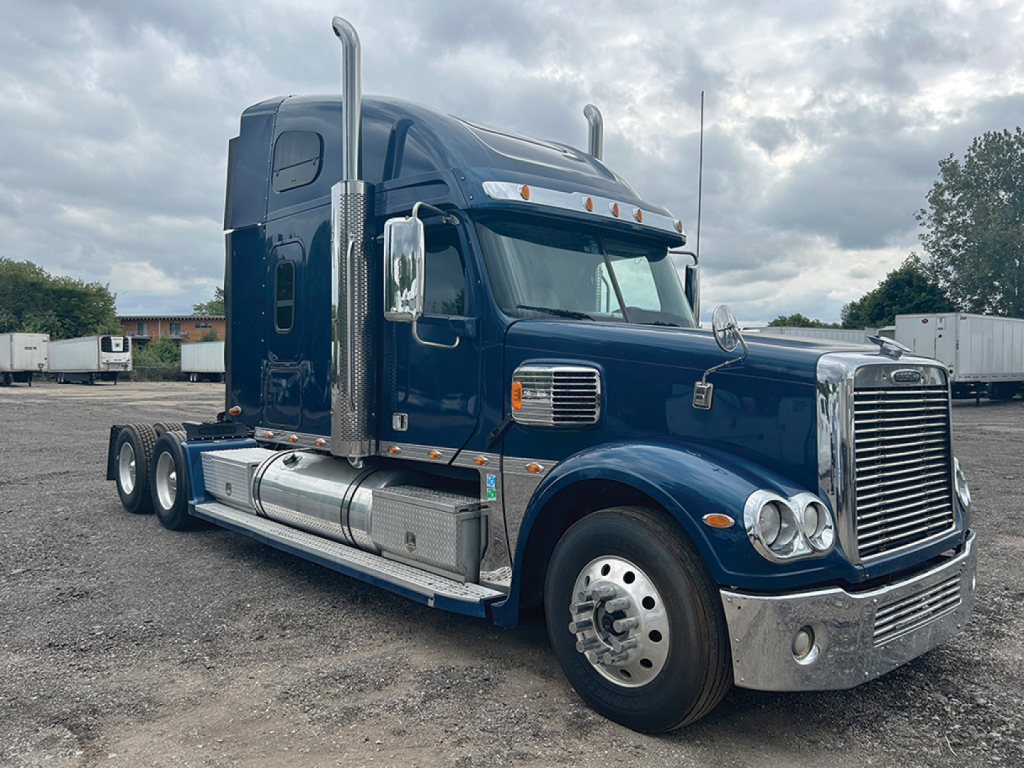
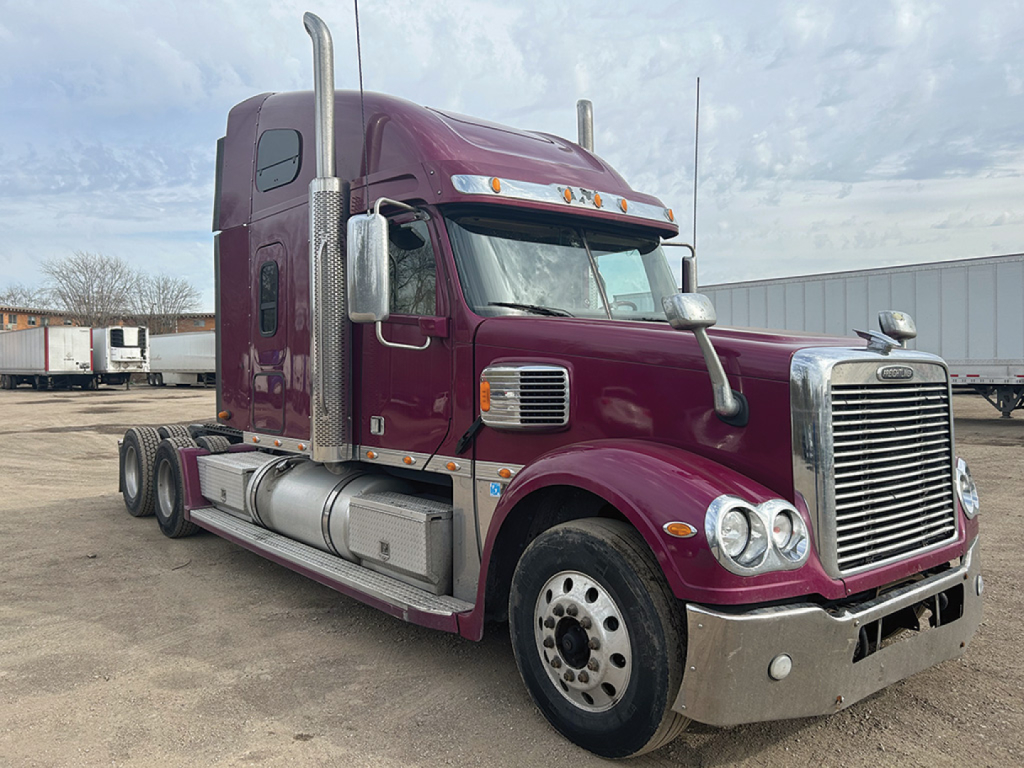
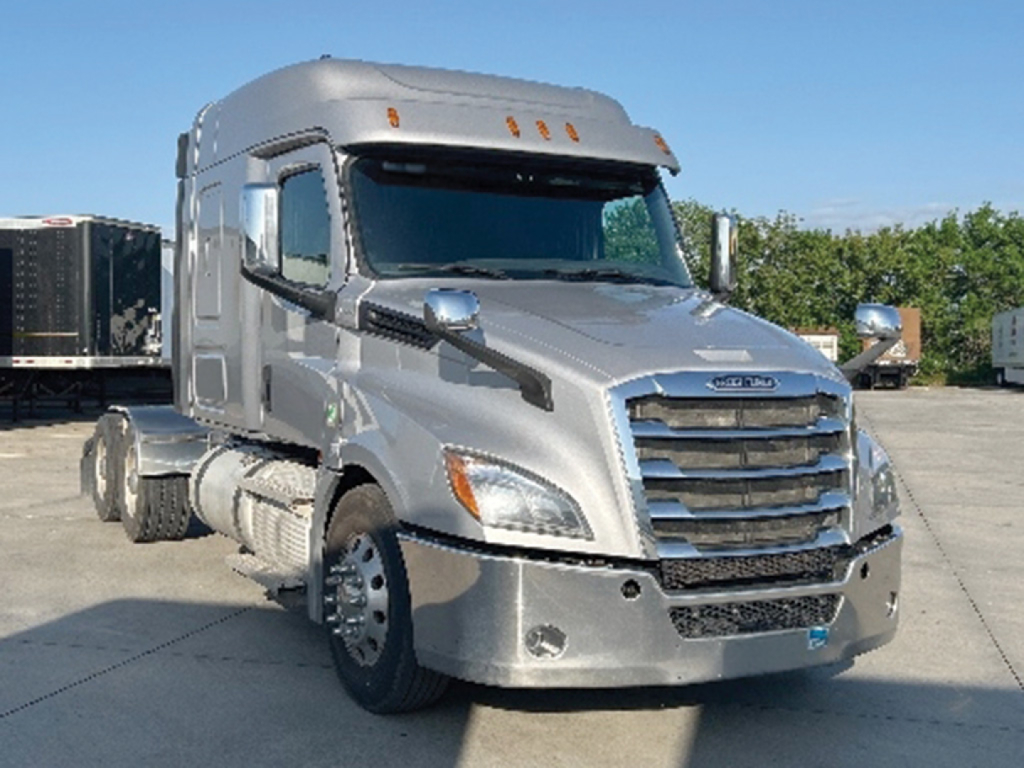
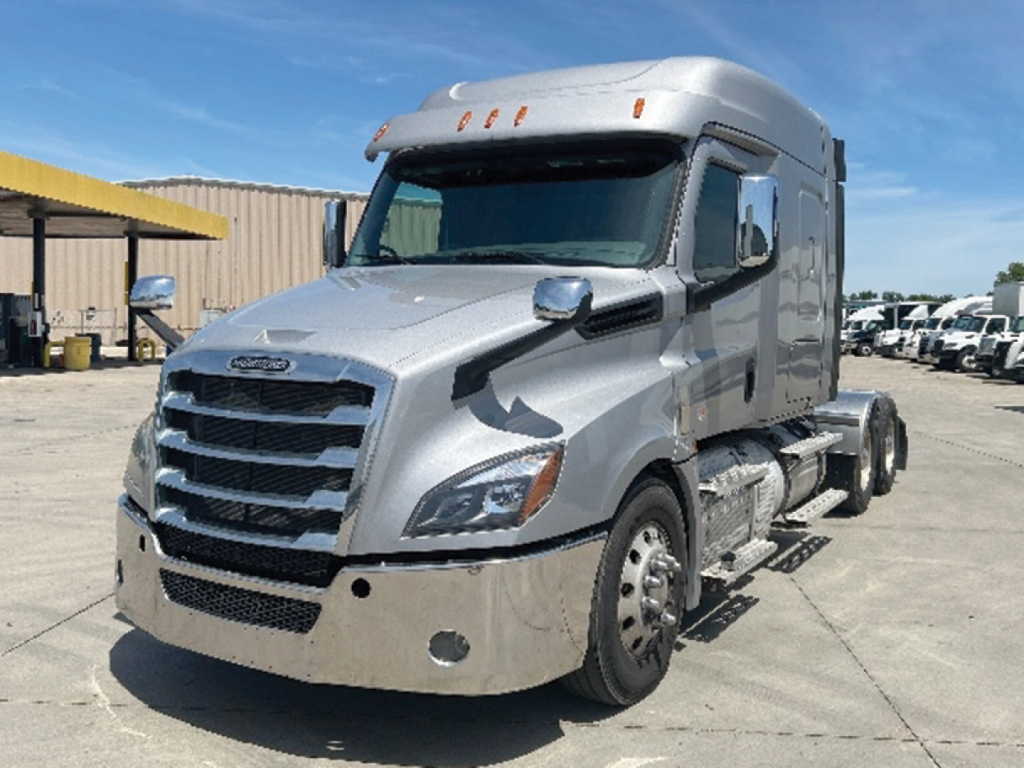
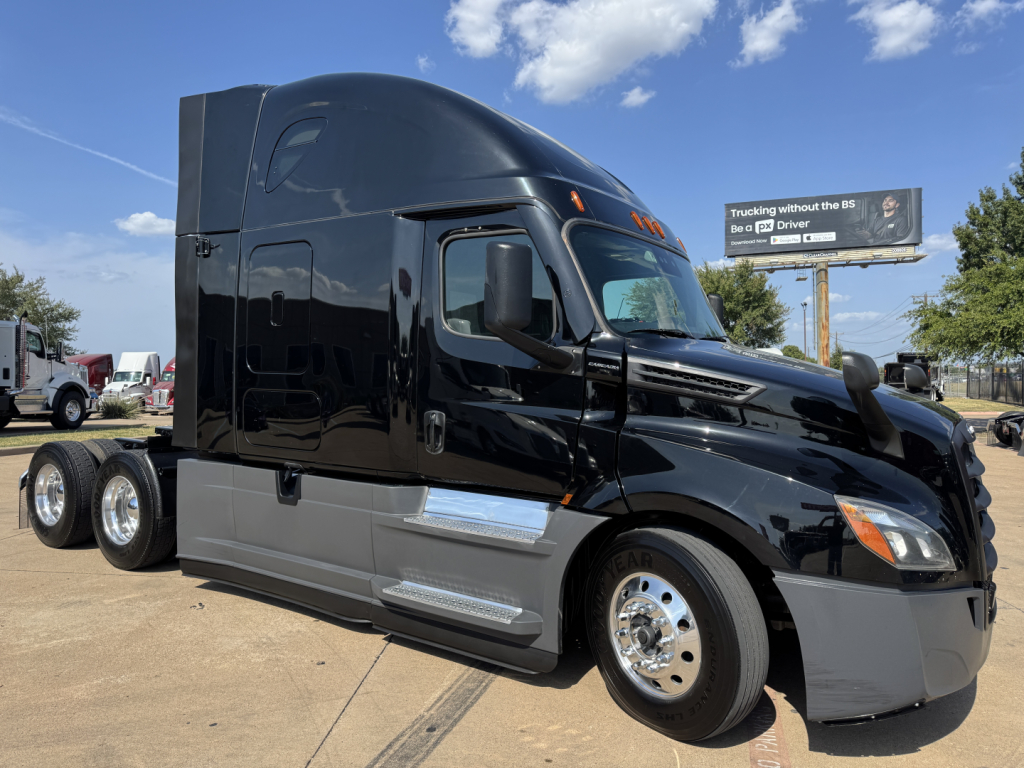
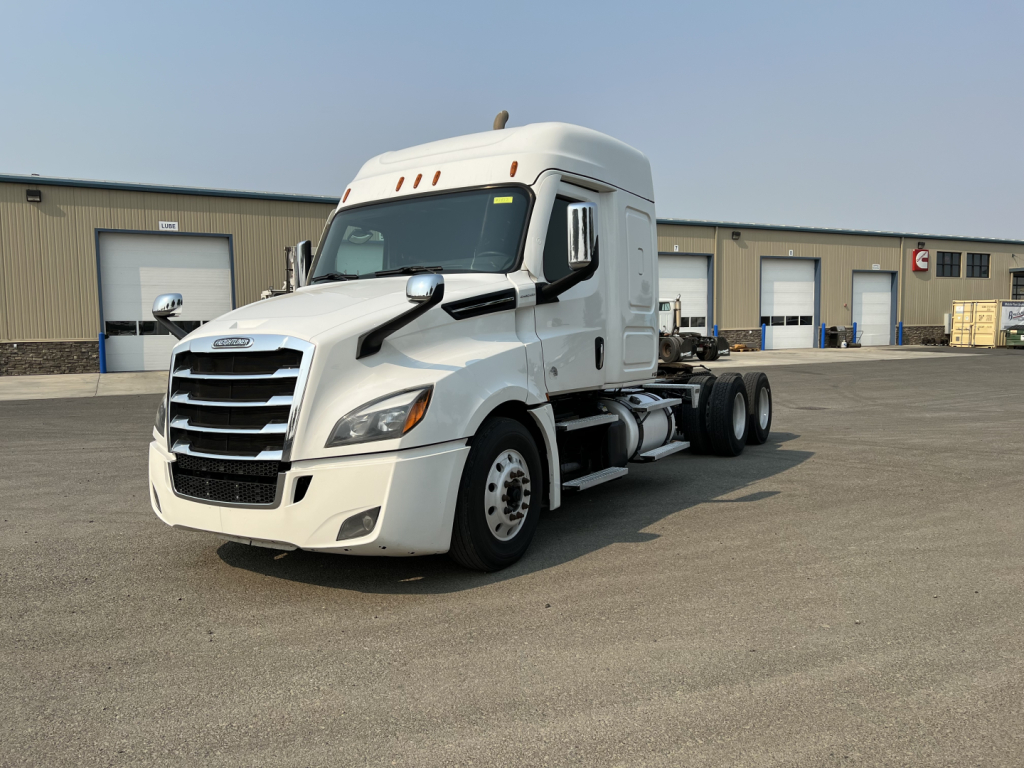
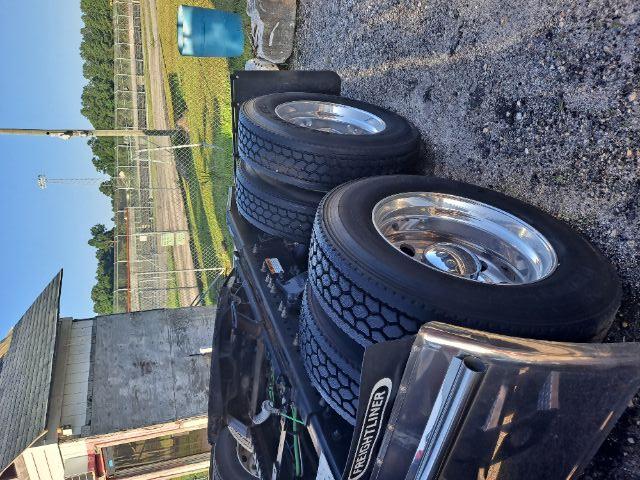
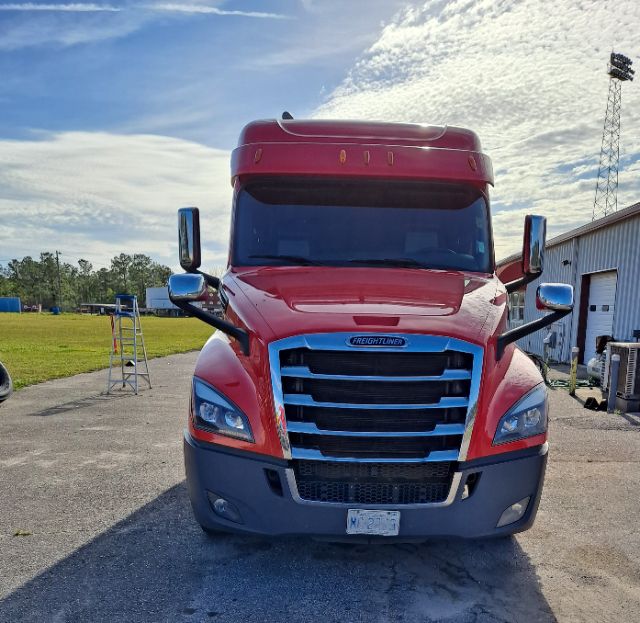

Showing 1 to 28 of 30 results
Selling a used 2020 freightliner conventional sleeper truck? List your used 2020 freightliner conventional sleeper truck for sale to reach thousands of commercial buyers.
Used 2020 Freightliner Conventional Sleeper Trucks
Powertrain matters more than trim level on a 2020 Freightliner sleeper. The most common setup is a Detroit DD15 paired with a DT12 automated manual transmission, often rated around 400 to 455 horsepower with rear axle ratios such as 2.64 or 3.08 depending on the intended duty cycle. That combination is popular because it delivers good highway efficiency, smooth drivability, and strong parts availability across the Freightliner and Detroit network. Buyers should compare rear axle rating, wheelbase, fuel capacity, and suspension spec closely, especially if the truck will pull heavy van freight, reefer, or operate in hilly terrain where gearing and horsepower have a direct effect on performance.
Cab and sleeper equipment can vary significantly even within the same year and model. Common features include double bunks, upper bunks, bunk heaters, APUs, inverters, refrigerators, collision mitigation, adaptive cruise, lane departure warning, and air-slide fifth wheels. On many 2020 Freightliner conventional sleepers, aluminum wheels, disc brakes, air ride suspension, dual fuel tanks, and aerodynamic fairings are also common. For a buyer, these are not cosmetic details. An APU or bunk heater reduces idle time, a double bunk can support team driving, and safety systems can matter for insurance, driver retention, and fleet policy compliance.
Condition still separates a strong used truck from an average one. On a 2020 unit, review mileage, idle hours, aftertreatment history, transmission service records, brake and tire condition, and any prior collision or emissions repairs. It also pays to check for software updates, clutch actuator performance on DT12-equipped trucks, and wear in the sleeper interior if the truck ran team or expedited freight. A well-maintained 2020 Freightliner sleeper can be a very efficient platform for dry van, refrigerated, and general freight applications, especially for buyers who want a late-model aerodynamic tractor with a familiar Detroit powertrain and a large nationwide support network.
Frequently Asked Questions about Used 2020 Freightliner Conventional Sleeper Trucks
What engine and transmission are most common in a used 2020 Freightliner conventional sleeper?
The most common configuration is a Detroit DD15 diesel engine paired with a Detroit DT12 automated manual transmission. Many 2020 Freightliner Cascadia sleepers are rated between 400 and 455 horsepower, with highway-friendly axle ratios chosen for fuel economy. This setup is popular because it is widely supported, easy to source parts for, and well suited to over-the-road freight.
Is a 2020 Freightliner Cascadia sleeper a good fit for long-haul operations?
Yes. The 2020 Freightliner Cascadia sleeper is built for over-the-road use and is commonly spec'd with aerodynamic fairings, raised-roof sleeper cabs, dual fuel tanks, and comfort features that help on multi-day runs. Buyers often choose this platform for dry van, reefer, and dedicated lane work because it offers a strong mix of fuel efficiency, driver comfort, and service network coverage.
What should I inspect on a used 2020 Freightliner sleeper before buying?
Focus on mileage, idle hours, maintenance records, aftertreatment service history, tire and brake wear, and any signs of prior crash repair. On Detroit DT12 trucks, it is smart to review transmission calibration and shifting performance. Also inspect sleeper equipment such as the APU, bunk heater, inverter, refrigerator, and HVAC components, because those items affect both driver comfort and operating cost.
Are safety features common on 2020 Freightliner conventional sleepers?
Yes. Many 2020 Freightliner sleepers were ordered with collision mitigation systems, adaptive cruise control, lane departure warning, and other driver-assist technology. These systems can be valuable for fleets that prioritize safety policy compliance, lower incident exposure, and improved driver acceptance. Buyers should verify which systems are installed and functioning, since options vary by original fleet spec.
What axle ratio is best on a used 2020 Freightliner sleeper?
The best axle ratio depends on the freight and terrain. Ratios like 2.64 are generally aimed at fuel-efficient highway cruising on lighter or standard over-the-road lanes, while 3.08 can offer a better balance for heavier loads or more varied terrain. A buyer should match the ratio to average gross weight, route profile, and expected cruise speed rather than assuming one setup fits every operation.