
Used Freightliner Conventional Sleeper Trucks For Sale in Nevada
Browse used Freightliner conventional sleeper trucks in Nevada, including Cascadia day-to-day long haul specs, powertrain options, and buyer tips.
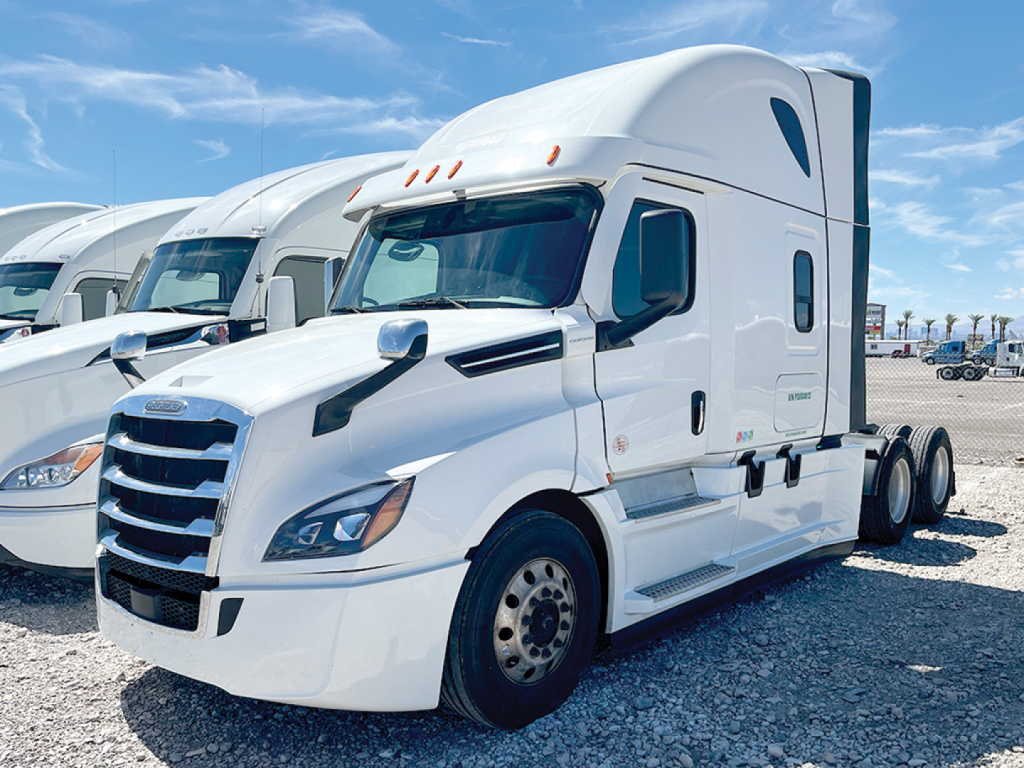
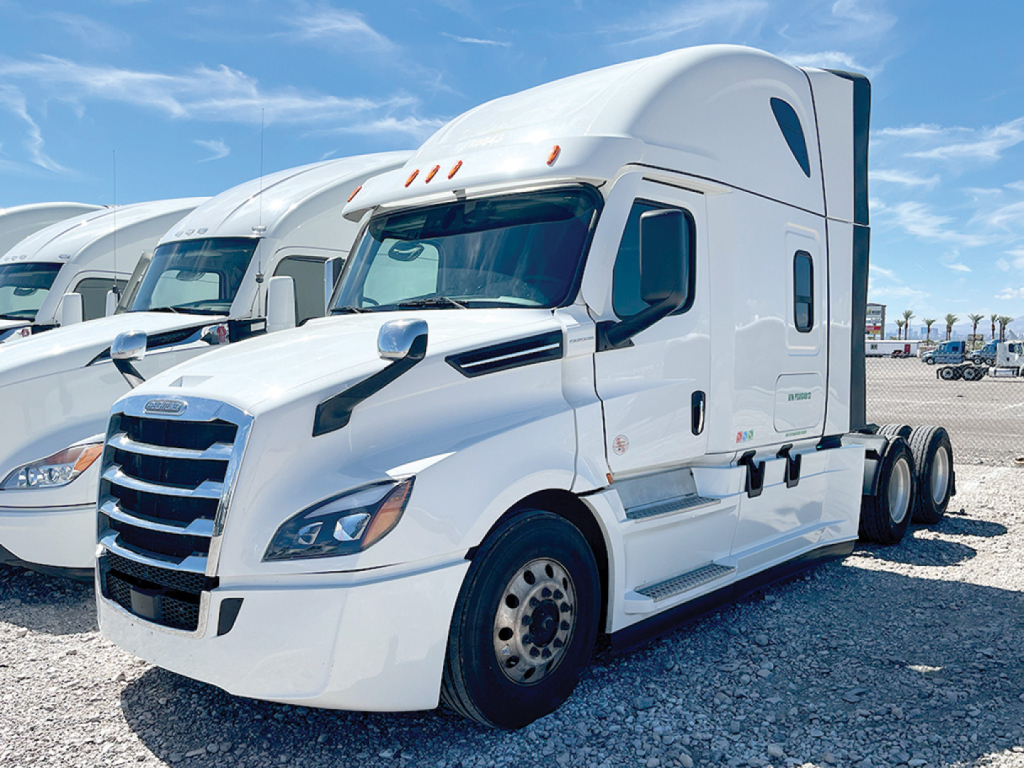
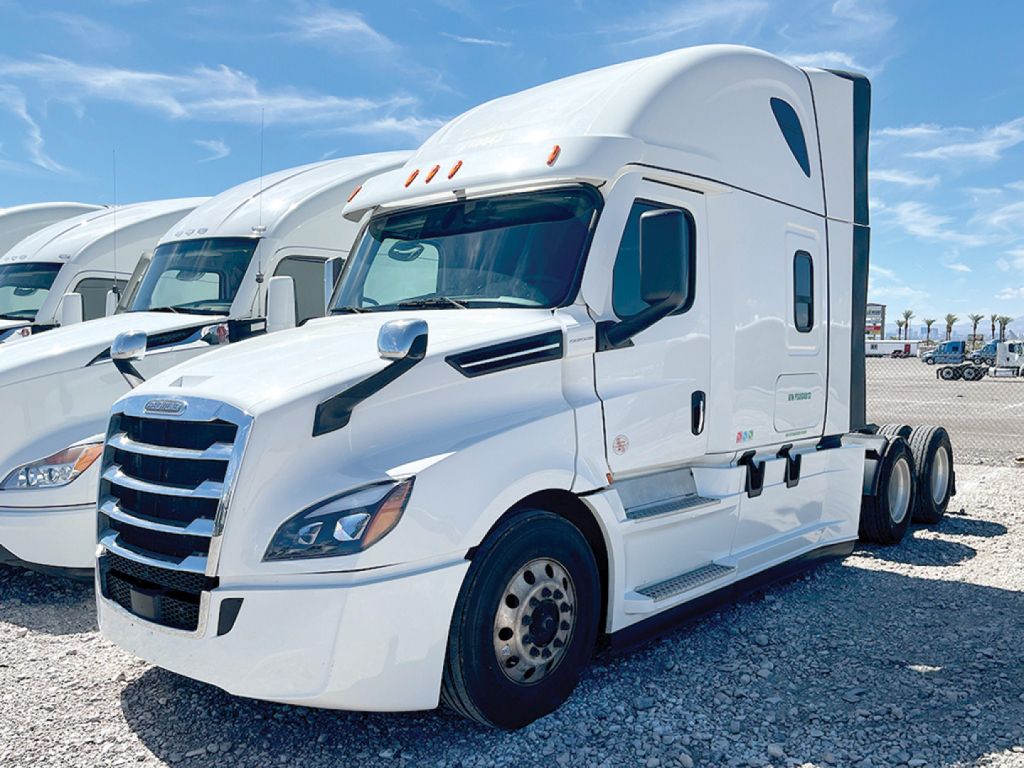
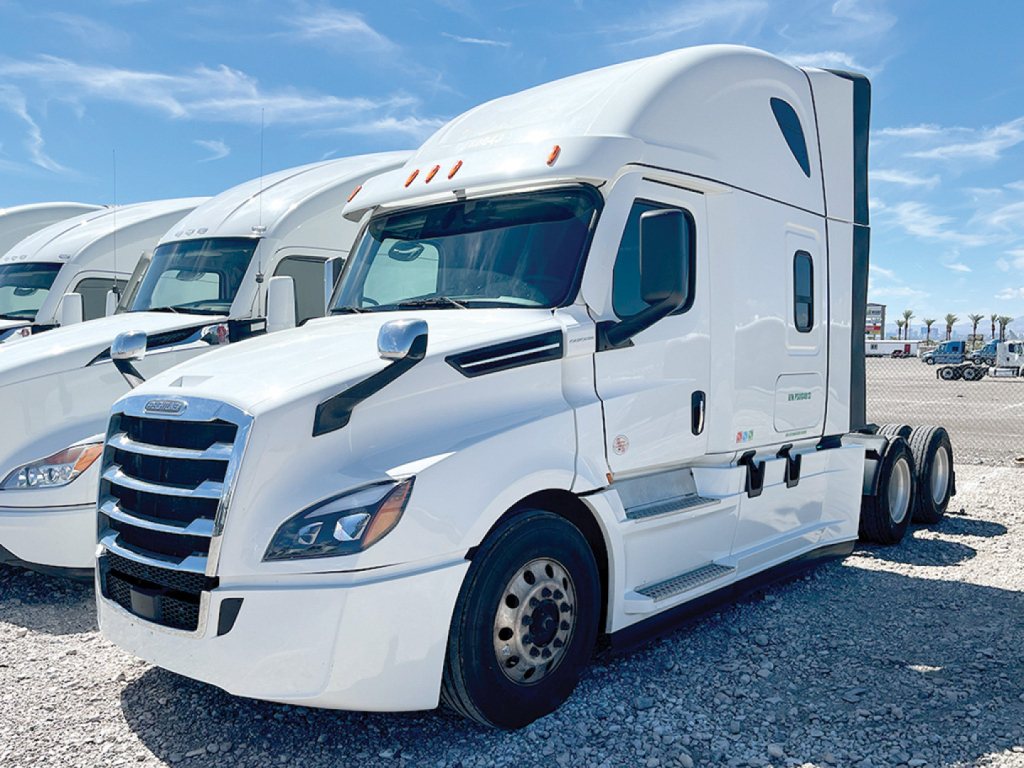
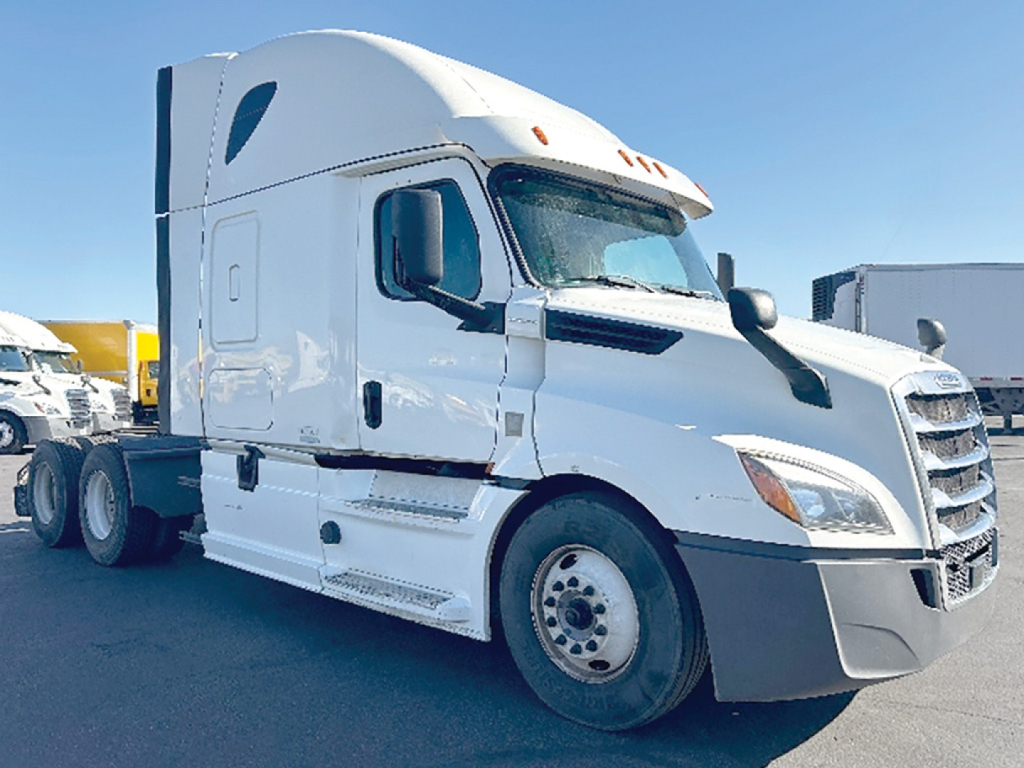
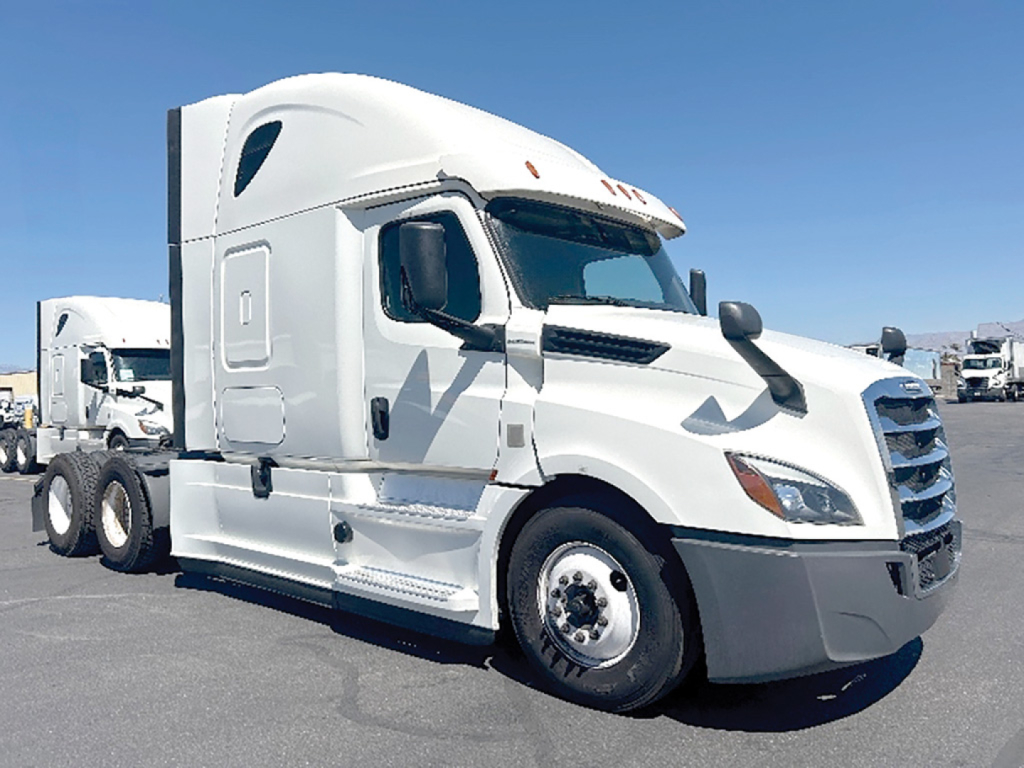
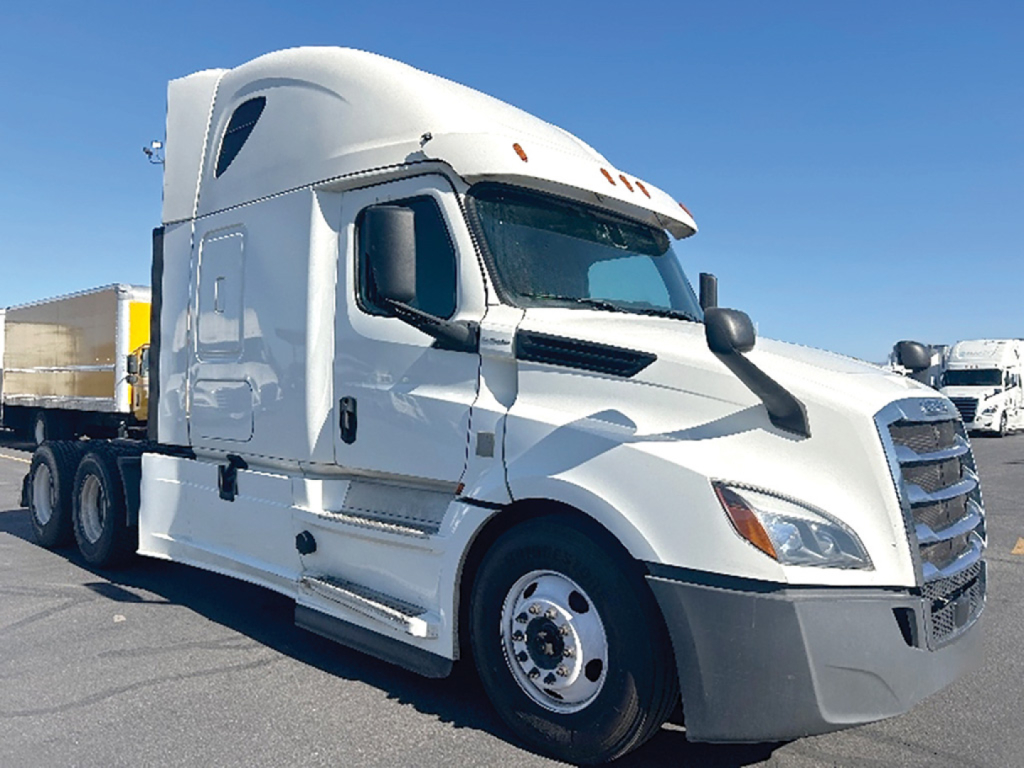
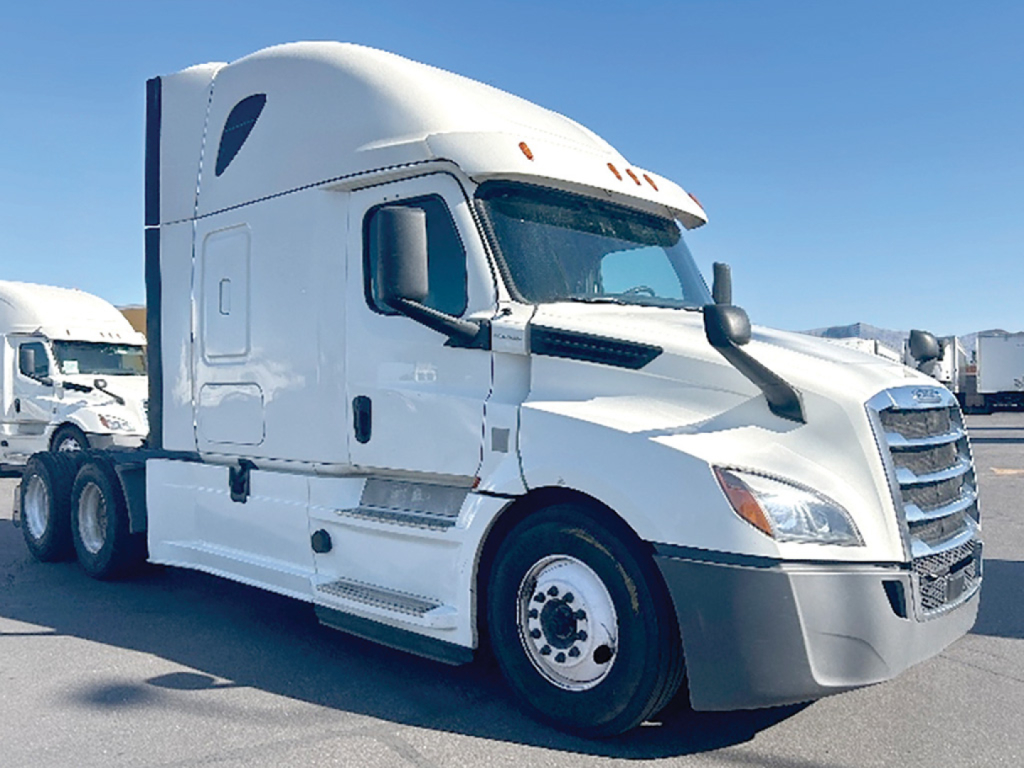
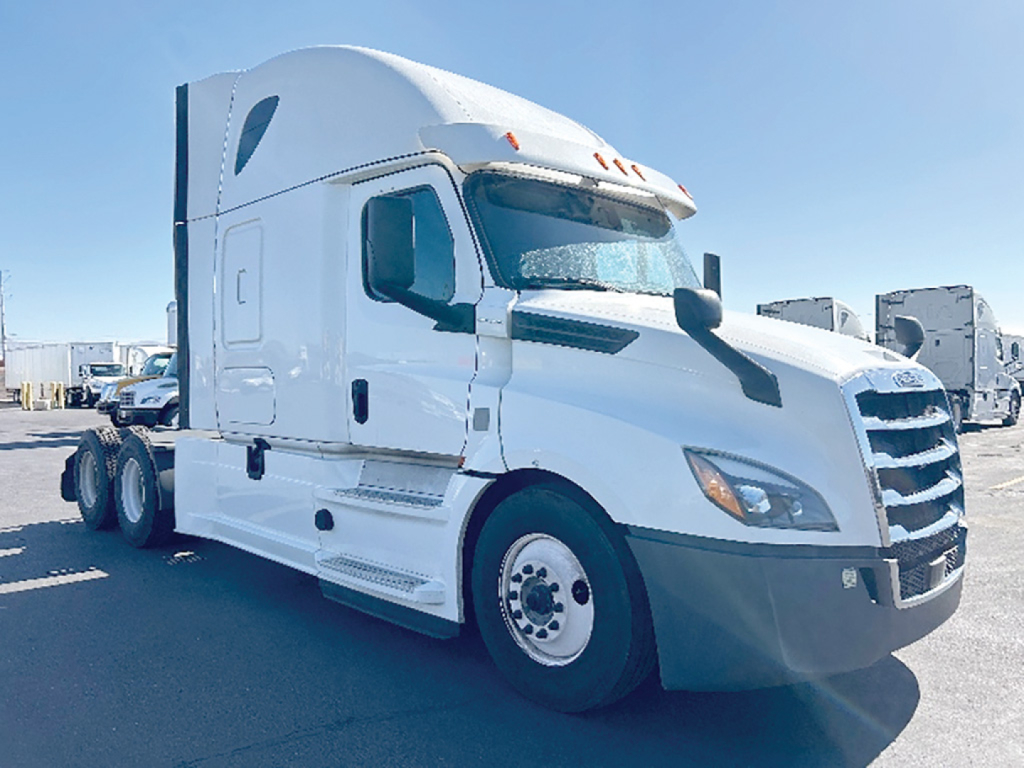
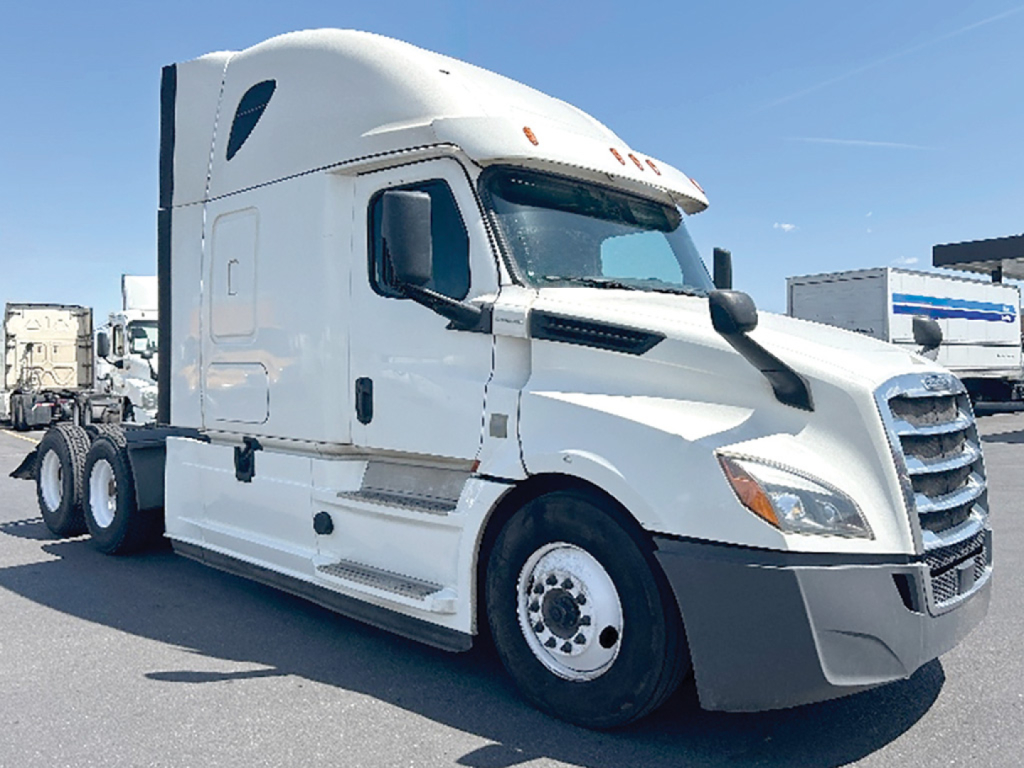
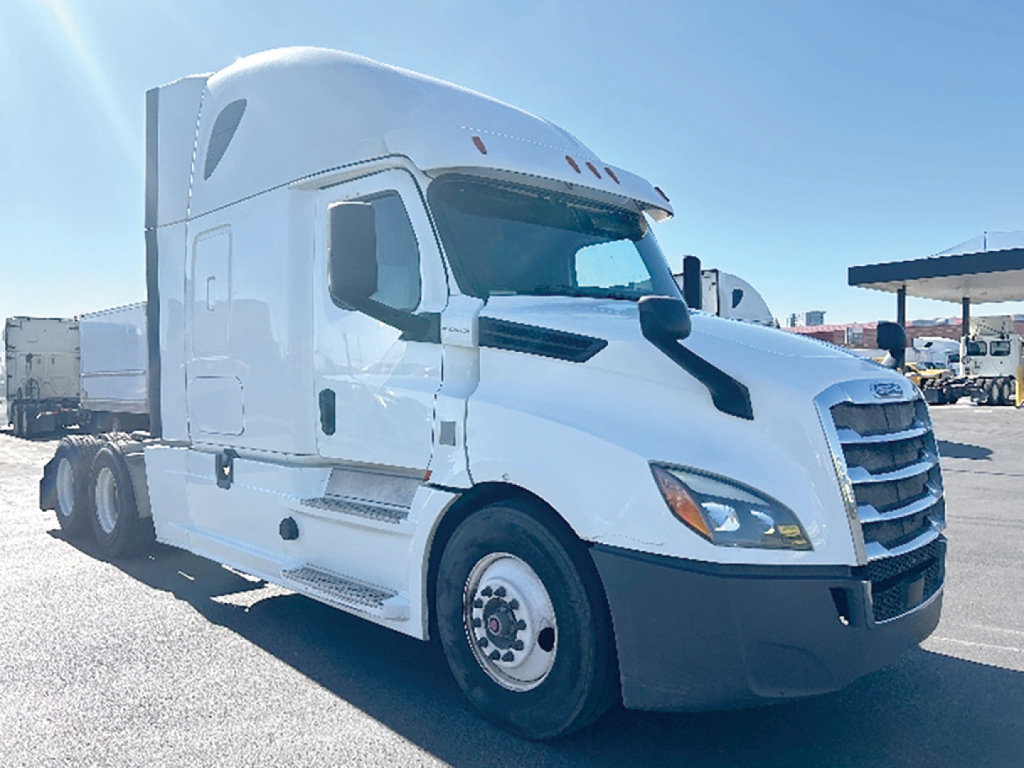
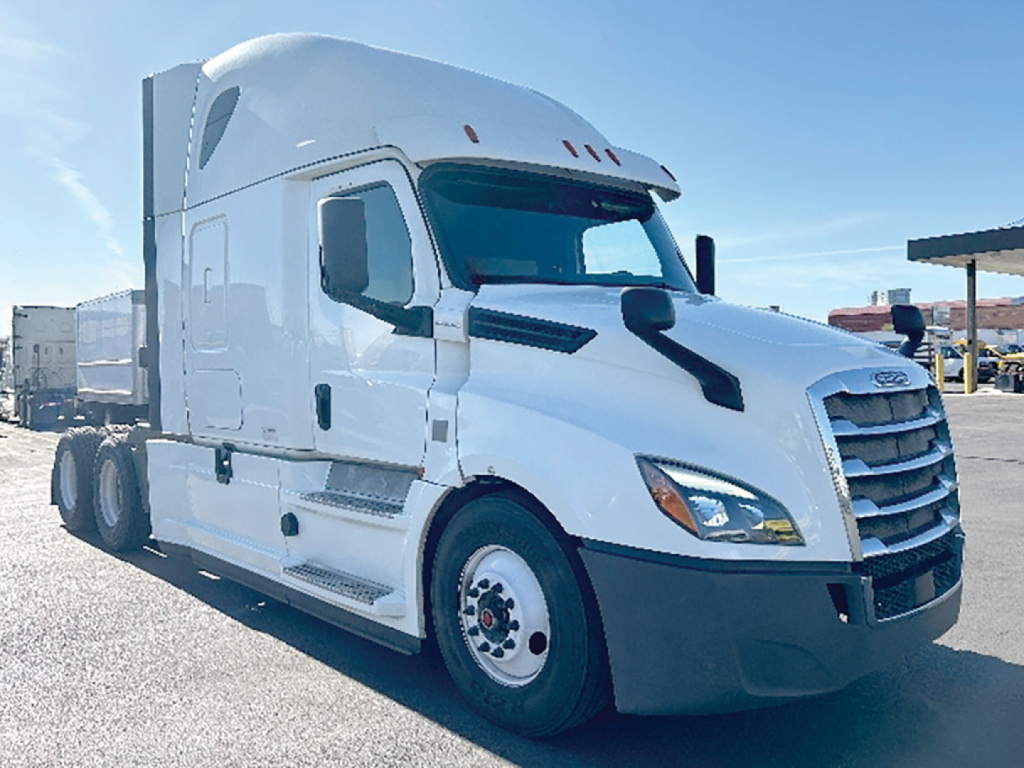

Have used freightliner conventional sleeper truck to sell? List it here to reach thousands of buyers.
Used Freightliner Conventional Sleeper Trucks in Nevada
The biggest buying decisions usually come down to engine, transmission, rear axle ratio, and sleeper configuration. Many used Freightliner sleepers in this class are spec'd with Detroit DD13 or DD15 engines, though Cummins X15 power is also common. Horsepower often lands in the 400 to 455 HP range, paired with automated manual transmissions like the DT12 or Eaton Endurant family. A 3.08 or 3.23 rear ratio is typical on fuel-minded over-the-road specs, especially with 40,000 lb rears and air ride suspension. Wheelbases in the high-220 to mid-230 inch range are common on raised-roof sleeper tractors with sliding fifth wheels, dual fuel tanks, and aerodynamic fairings.
For a buyer comparing used units, cab and sleeper layout matters almost as much as drivetrain. A 72-inch raised-roof sleeper with upper bunk is one of the most common configurations because it works for solo or team operations and gives drivers enough storage and stand-up room for longer trips. Disc brakes, collision mitigation systems, cruise control, power windows, and tilt-telescoping steering are now common on late-model Freightliner sleepers, and those features can improve both driver acceptance and operating consistency. If the truck will stay in the Southwest, pay close attention to APU presence, HVAC performance, bunk condition, and cooling system history. High-heat operation exposes weaknesses quickly.
Buyers should also look closely at fairings, hood fit, bumper alignment, wheel-end condition, emissions service records, and transmission calibration history. On a used conventional sleeper, the value is not just in the year model. It is in how the truck was spec'd for its lane and how well that spec fits your freight. A lighter, more aerodynamic Cascadia sleeper is a strong fit for van, reefer, and general long-haul work. If you run heavier loads or mountain corridors, prioritize torque, engine brake performance, axle ratio, and maintenance documentation over cosmetic extras. Freightliner conventional sleeper trucks remain one of the most practical used truck categories because they are familiar, efficient, and easy to place into revenue service when the spec is right.
Frequently Asked Questions about Used Freightliner Conventional Sleeper Trucks in Nevada
What is the most common used Freightliner conventional sleeper truck model?
The Freightliner Cascadia is the most common model in this category. It is widely used in over-the-road and regional applications because it combines aerodynamic design, broad dealer support, and familiar powertrain options like the Detroit DD13, DD15, and Cummins X15. That popularity also helps with used parts availability, technician familiarity, and resale strength.
What sleeper size is most typical on a used Freightliner highway tractor?
A 72-inch raised-roof sleeper is one of the most common configurations. It offers enough living space for long-haul operation, often includes an upper bunk, and works well for fleets that need flexibility between solo and team driving. Buyers should still confirm interior condition, storage layout, mattress area wear, and HVAC performance because sleeper livability affects driver retention and uptime.
Which engine and axle specs are common in used Freightliner sleeper trucks?
Many used Freightliner conventional sleepers are equipped with Detroit DD13 or DD15 engines in the 400 to 455 horsepower range, though some carry Cummins X15 power. Automated manual transmissions are common, and rear axle ratios like 3.08 or 3.23 are frequently used to support fuel-efficient highway cruising. The right combination depends on average gross weight, terrain, and cruise speed expectations.
Are Freightliner conventional sleeper trucks a good fit for Nevada and western routes?
Yes, especially when the truck is spec'd for heat and sustained highway operation. Nevada and surrounding western routes reward aerodynamic tractors with efficient drivetrains, strong cooling systems, effective engine brakes, and dependable air conditioning. Buyers should pay attention to cooling system service history, tire condition, emissions maintenance, and any signs of heat-related wear in the bunk and cab systems.
What should I inspect first on a used Freightliner sleeper tractor?
Start with maintenance records, engine hours, mileage, and fault history, then move to emissions components, transmission operation, suspension wear, and brake condition. After that, inspect the fifth wheel, frame, fairings, hood alignment, and sleeper interior. On late-model Freightliners, electronic safety systems and aftertreatment history are just as important as cosmetic condition because they can directly affect downtime and repair cost.