
Used Conventional Sleeper Trucks For Sale in Alabama
Browse used conventional sleeper trucks in Alabama. Compare sleeper sizes, powertrain specs, axle ratings, and features for long-haul work.
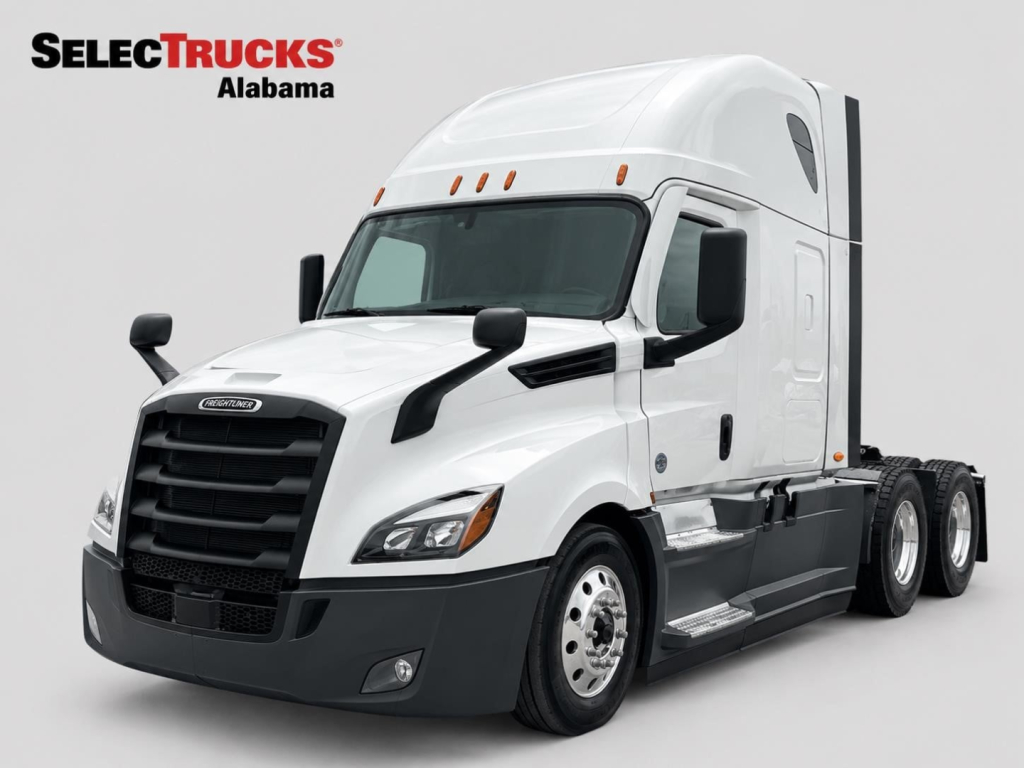
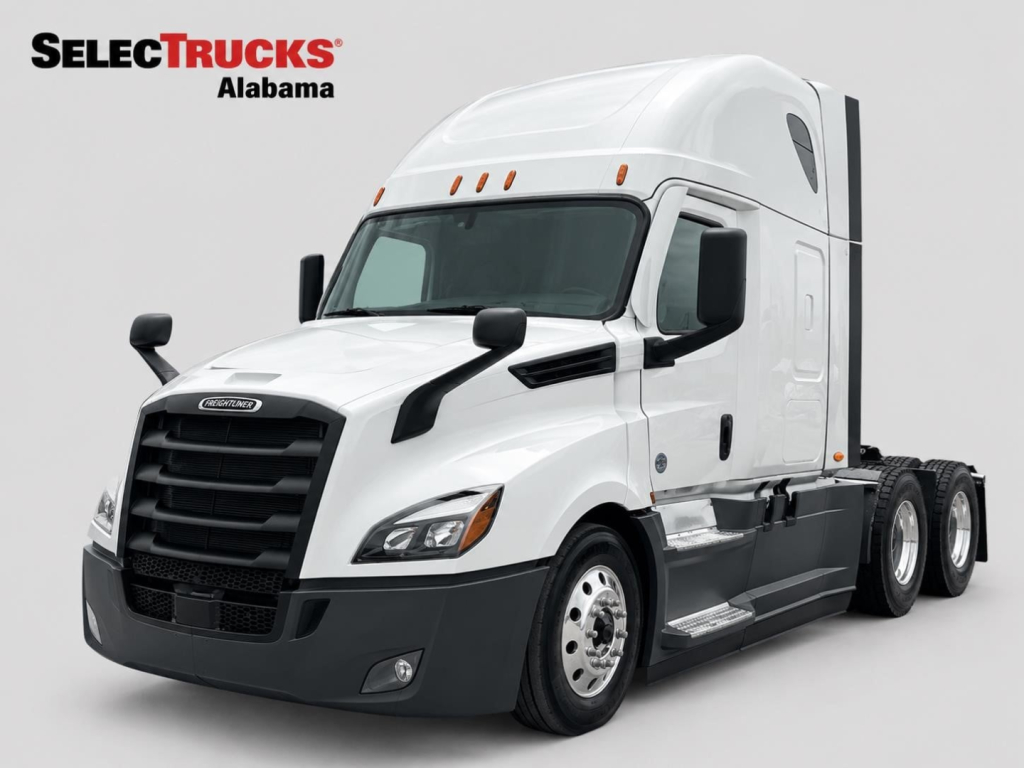
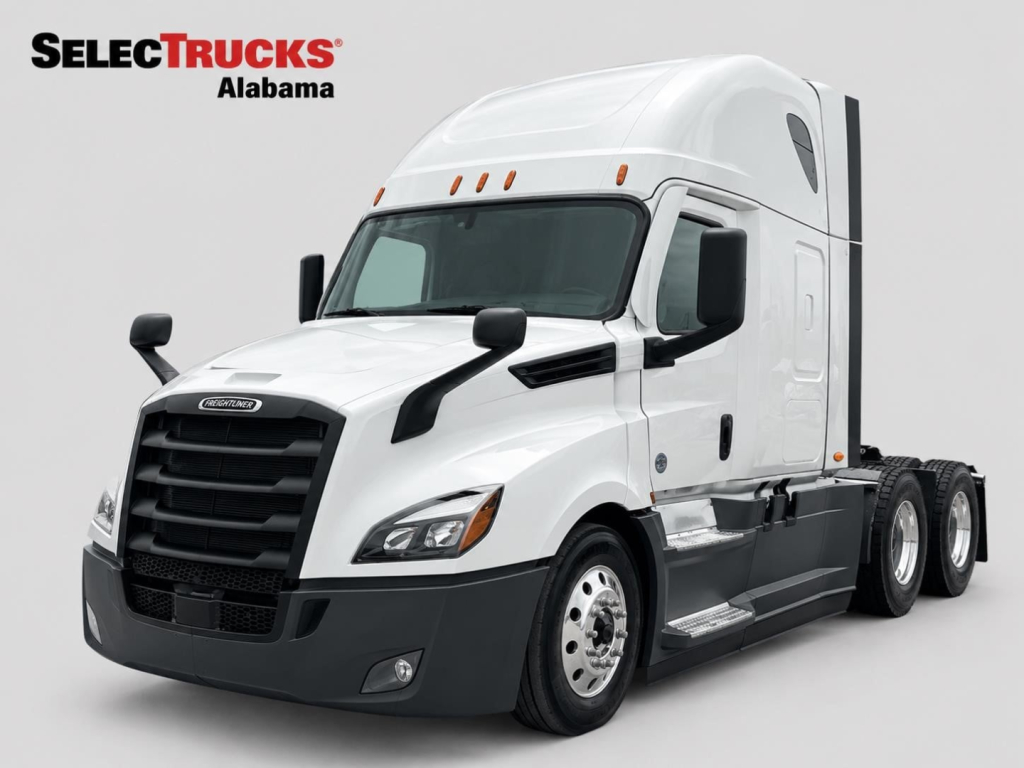
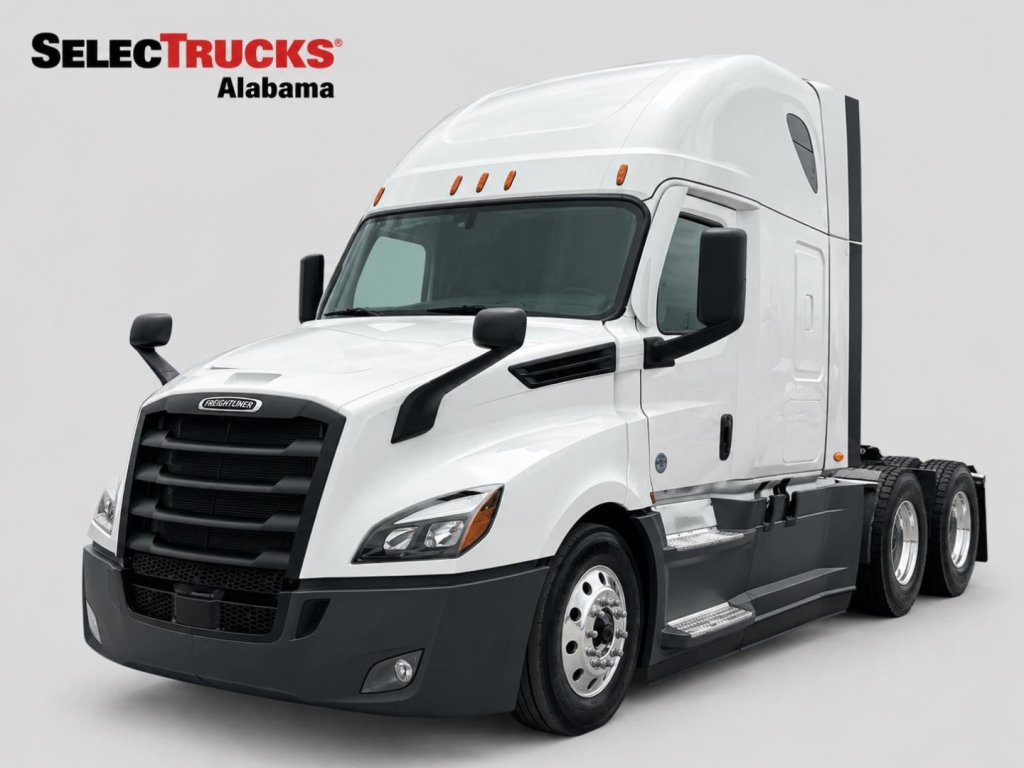
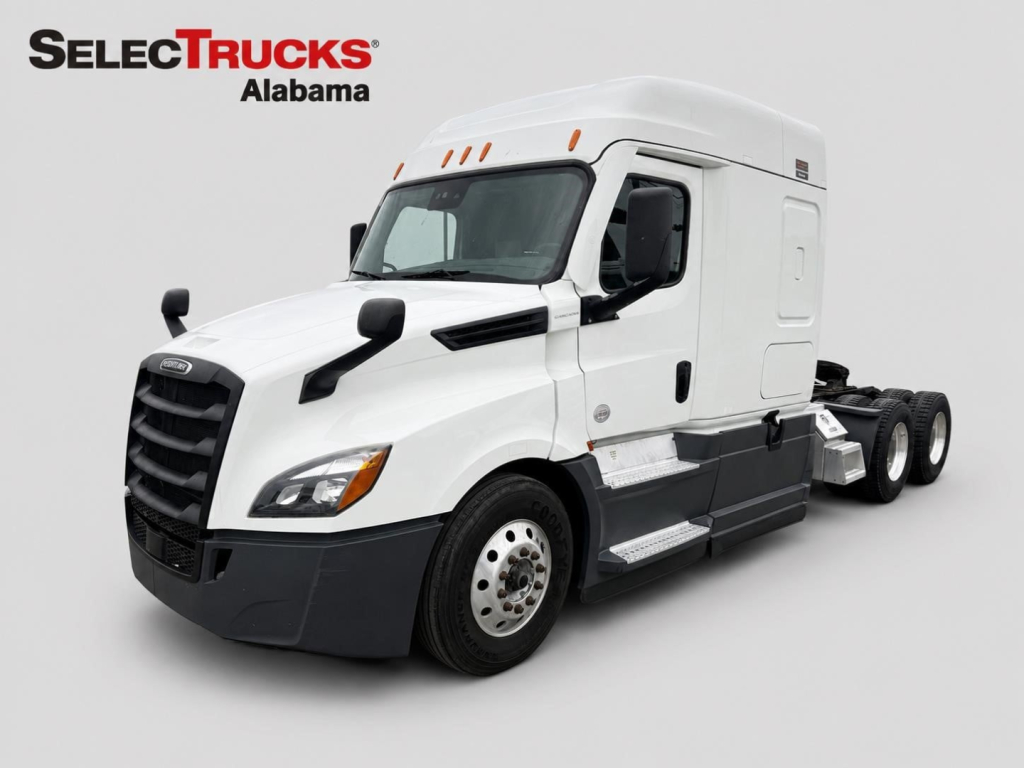
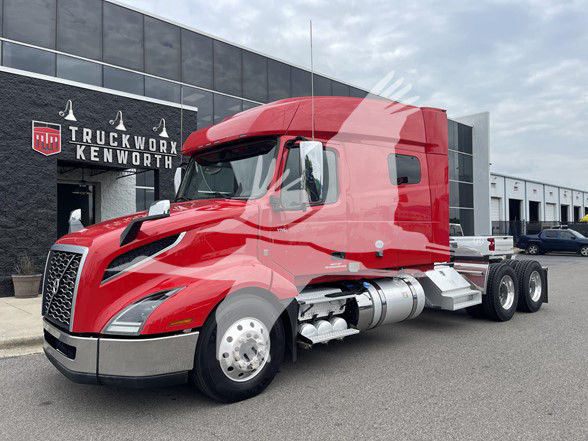
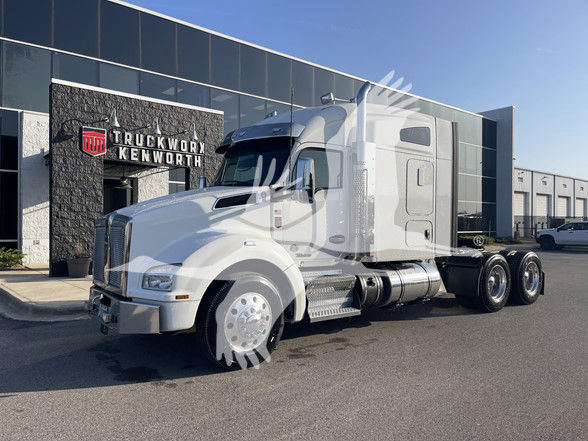
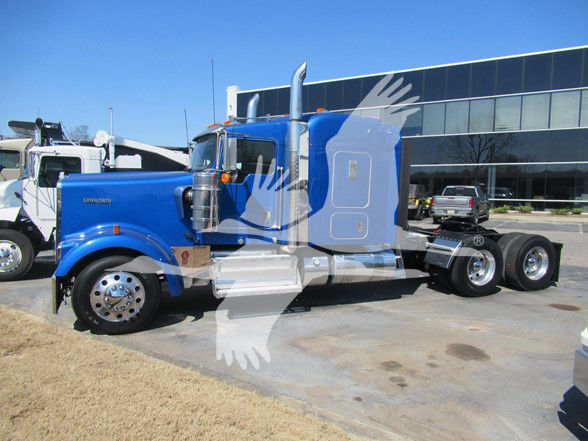
Selling a used conventional sleeper truck? List your used conventional sleeper truck for sale to reach thousands of commercial buyers.
Used Conventional Sleeper Trucks in Alabama
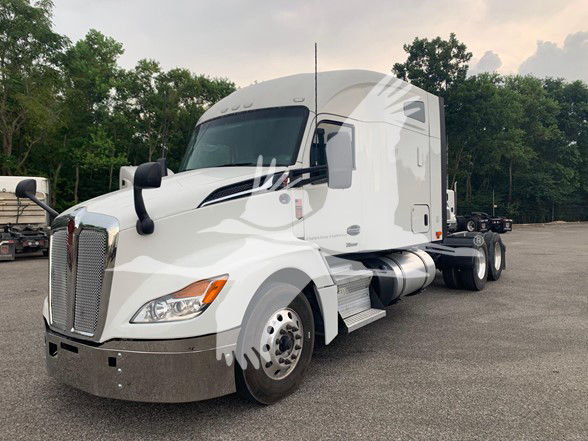
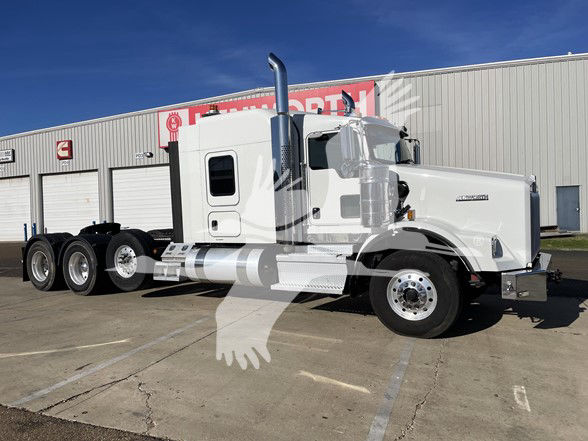
For most buyers, the first decision is sleeper size and roof configuration. Mid-roof sleepers are often preferred for regional and lighter over-the-road applications because they keep weight and cost in check while still providing overnight accommodations. Raised-roof sleepers add interior standing room, more cabinet space, and better support for long-haul or team driving. Common sleeper lengths range from about 60 to 80 inches, with 72-inch sleepers being one of the most common specifications in the used market. Double bunk layouts, workstation packages, inverter prep, and auxiliary HVAC provisions can make a meaningful difference if the truck will stay out for extended periods.
Powertrain spec is where a conventional sleeper truck either fits your freight or becomes expensive to operate. A large share of late-model used sleepers come with 13-liter to 15-liter diesel engines in the 400 to 500 horsepower range, often paired with automated manual transmissions for fuel economy and driver acceptance. Rear axle ratios such as 2.64, 2.85, or 3.08 are common on highway trucks and should be matched to your cruise speed, terrain, and average gross weight. Buyers should also confirm rear axle capacity, suspension type, wheelbase, fifth wheel style, and whether the truck is PTO compatible if it may be used for specialized applications. In Alabama, where freight can shift between flat interstate runs and heavier grades in surrounding states, the right axle ratio and horsepower combination matters more than the badge on the hood.
Condition matters as much as specification on a used sleeper. Fleet-maintained trucks often bring more predictable service history, but smart buyers still check engine hours, idle time, aftertreatment records, tire wear, brake life, and signs of frame or suspension damage. Driver-assist systems like collision mitigation, lane departure warning, and adaptive cruise control are increasingly common on newer conventional sleepers and can improve both safety and resale appeal. A good used conventional sleeper truck should be evaluated as a revenue tool: cab comfort for retention, drivetrain efficiency for operating cost, and a chassis spec that matches the trailers and lanes it will actually pull.
Frequently Asked Questions about Used Conventional Sleeper Trucks in Alabama
What is a conventional sleeper truck?
A conventional sleeper truck is a highway tractor with a hooded engine design and an integrated sleeper compartment mounted behind the cab. It is designed for freight operations that require overnight stays, extended route time, or team driving. Compared with day cabs, conventional sleepers provide space for a bunk, storage, and sometimes standing room, which makes them the standard choice for long-haul and many regional applications.
What sleeper size is most common on used conventional sleeper trucks?
A 72-inch sleeper is one of the most common configurations in the used market because it offers a practical balance of comfort, weight, and chassis flexibility. Mid-roof versions are popular for regional and solo over-the-road work, while raised-roof sleepers are often preferred for long-haul runs and team operations. The right sleeper size depends on how many nights the truck will stay out, how much storage the driver needs, and whether the truck must meet tighter weight targets.
What engine and transmission specs are typical in this category?
Most used conventional sleeper trucks are equipped with 13-liter to 15-liter diesel engines rated roughly from 400 to 500 horsepower. Common pairings include automated manual transmissions, which are widely used for fuel efficiency, easier driver onboarding, and consistent shifting performance. Buyers should look beyond horsepower alone and verify torque rating, rear axle ratio, and expected cruise speed so the truck is geared correctly for its freight and operating terrain.
What should I inspect on a used conventional sleeper before buying?
The most important checkpoints are maintenance history, mileage, engine hours, idle hours, emissions system repairs, transmission service records, and the condition of tires, brakes, and suspension components. It is also important to inspect the sleeper interior for wear, HVAC performance, water leaks, and electrical accessory function. On the chassis side, pay close attention to frame condition, fifth wheel wear, axle ratings, and any signs that the truck has been mismatched to the loads it was pulling.
Are conventional sleeper trucks a good fit for Alabama freight?
Yes. Conventional sleeper trucks are well suited to Alabama because the state supports a mix of long interstate runs, port-related freight, regional distribution, refrigerated hauling, and flatbed work. Buyers operating through Birmingham, Montgomery, Mobile, Huntsville, and cross-border Southeastern lanes often need an aerodynamic highway tractor that can deliver good fuel economy while still handling overnight schedules and varied trailer types. The best fit comes from matching the truck's sleeper size, axle ratio, and horsepower to the actual lanes and gross weights being hauled.