
2026 Commercial Trucks For Sale
Shop 2026 trucks for sale, including highway and vocational models with updated powertrains, safety tech, GVWR options, and body configurations.
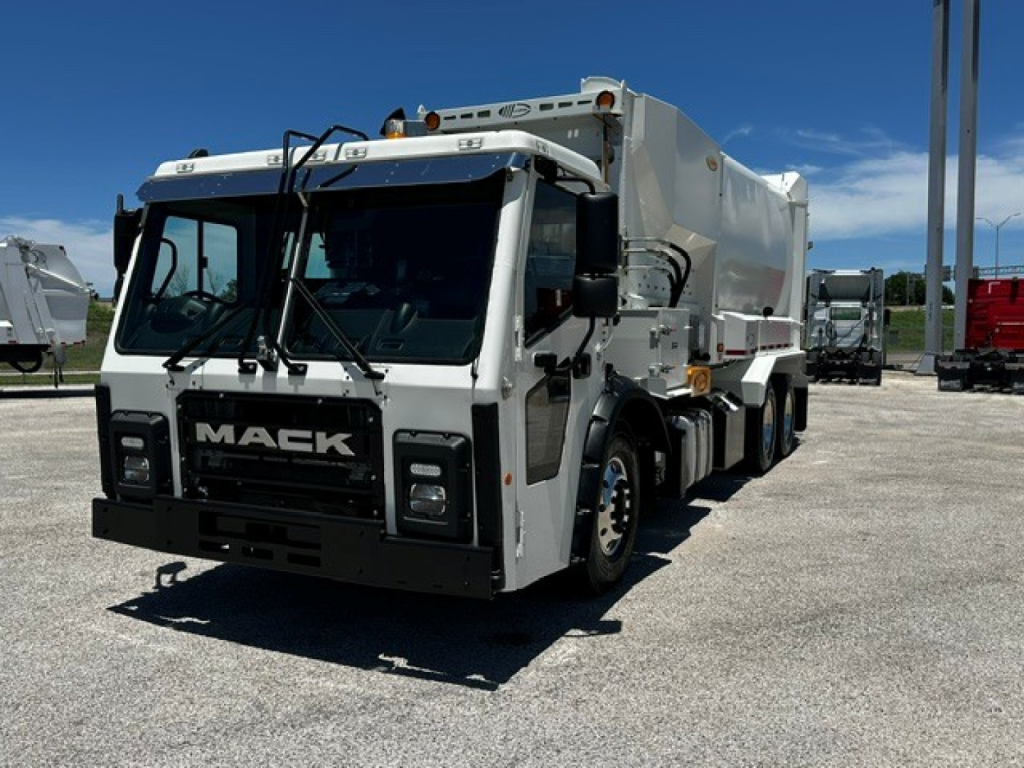
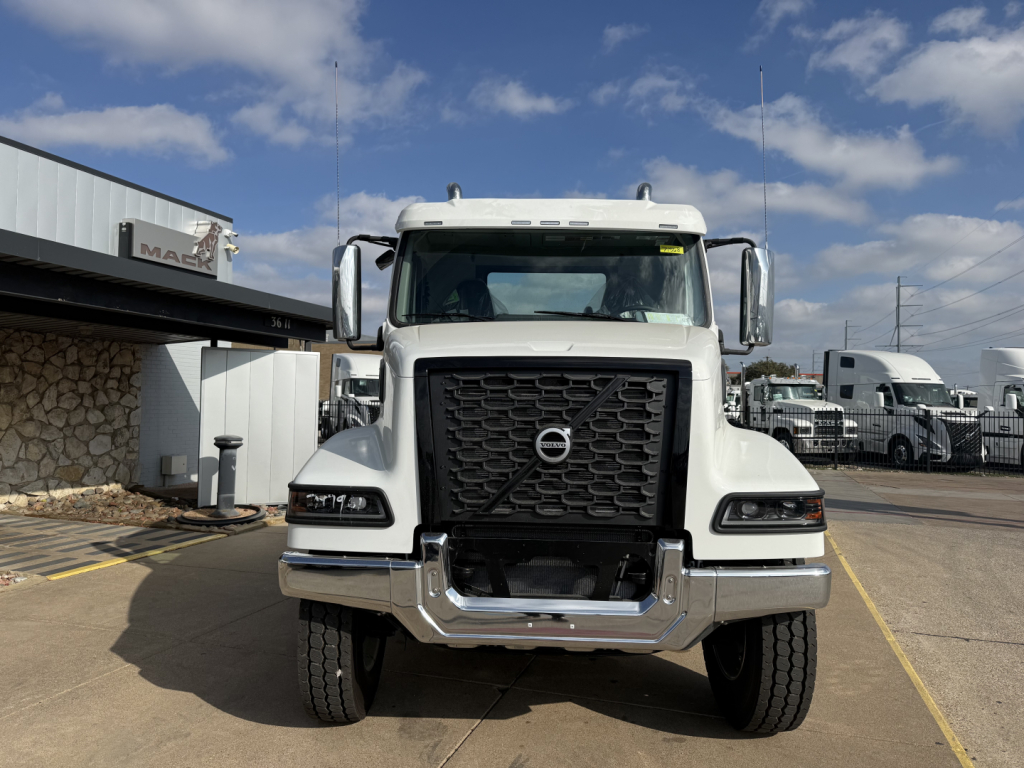
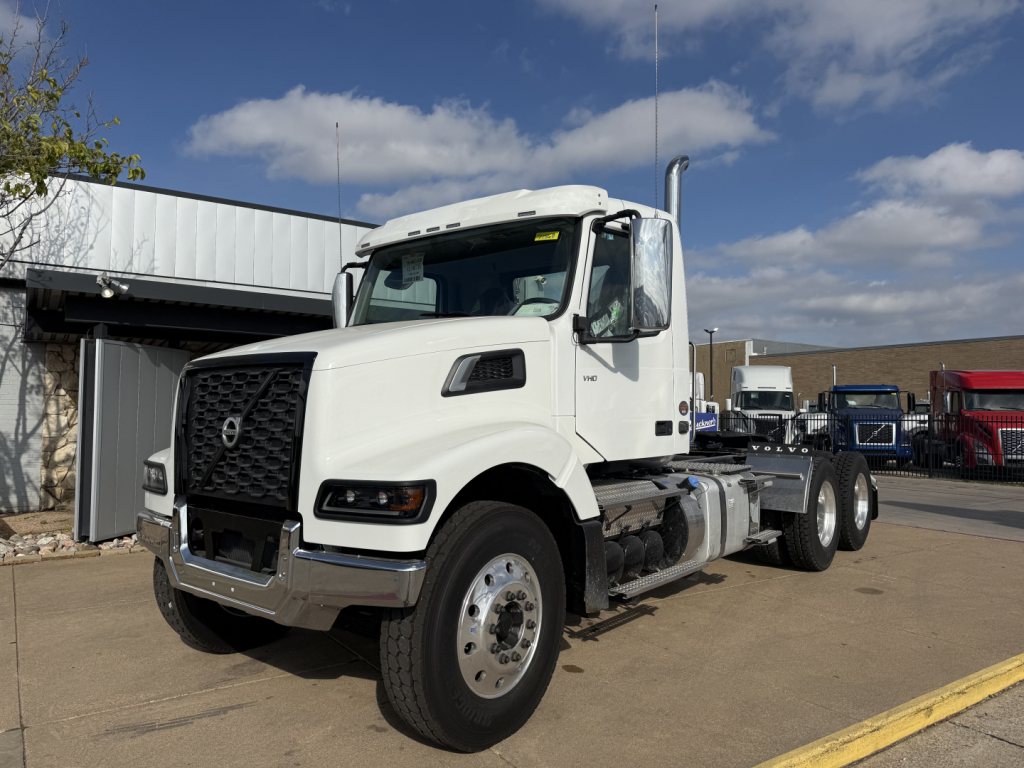
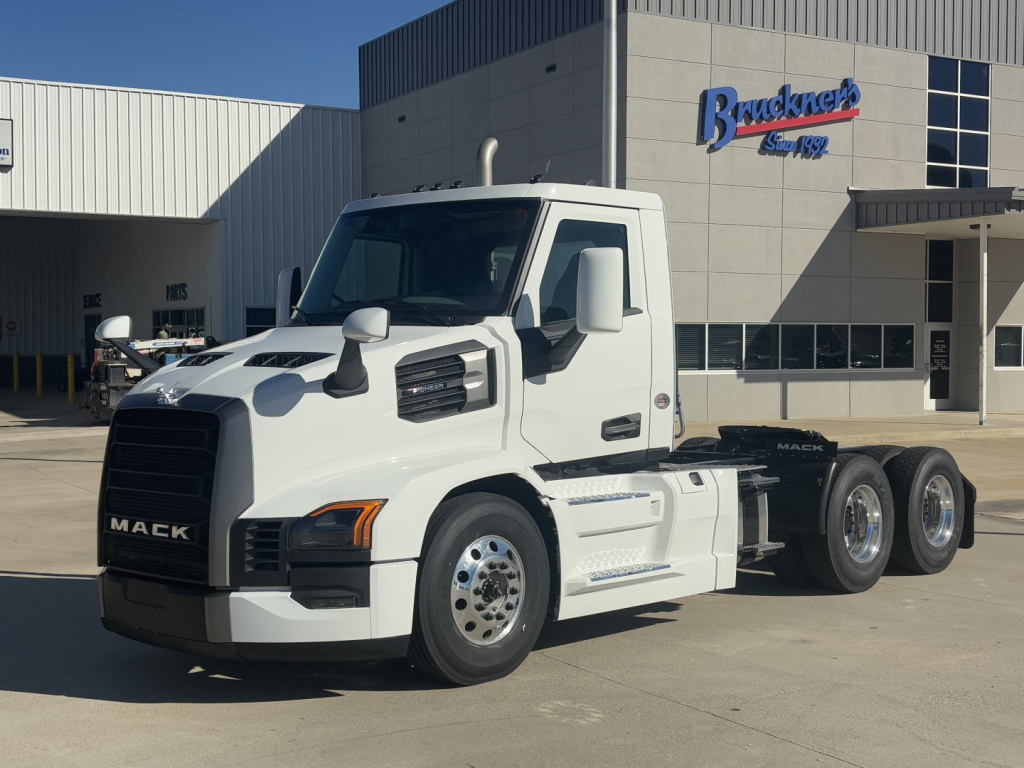
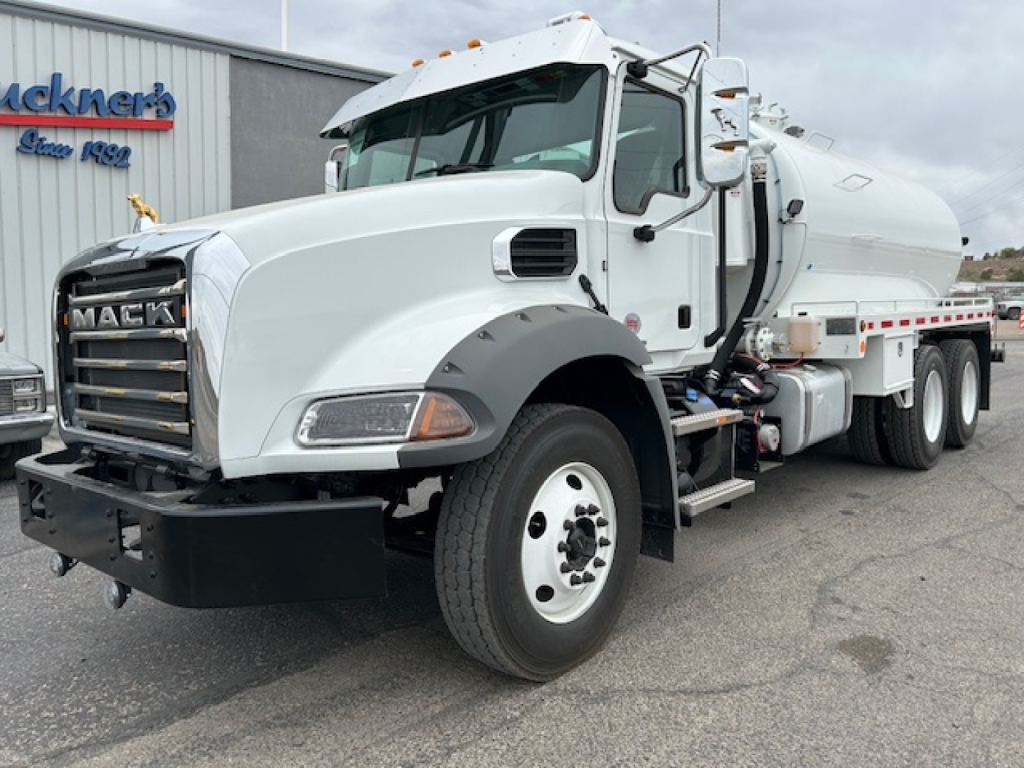
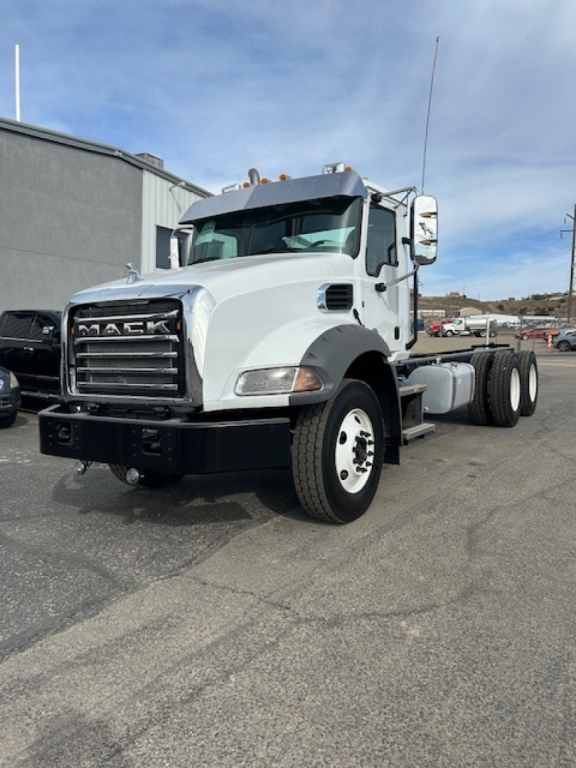
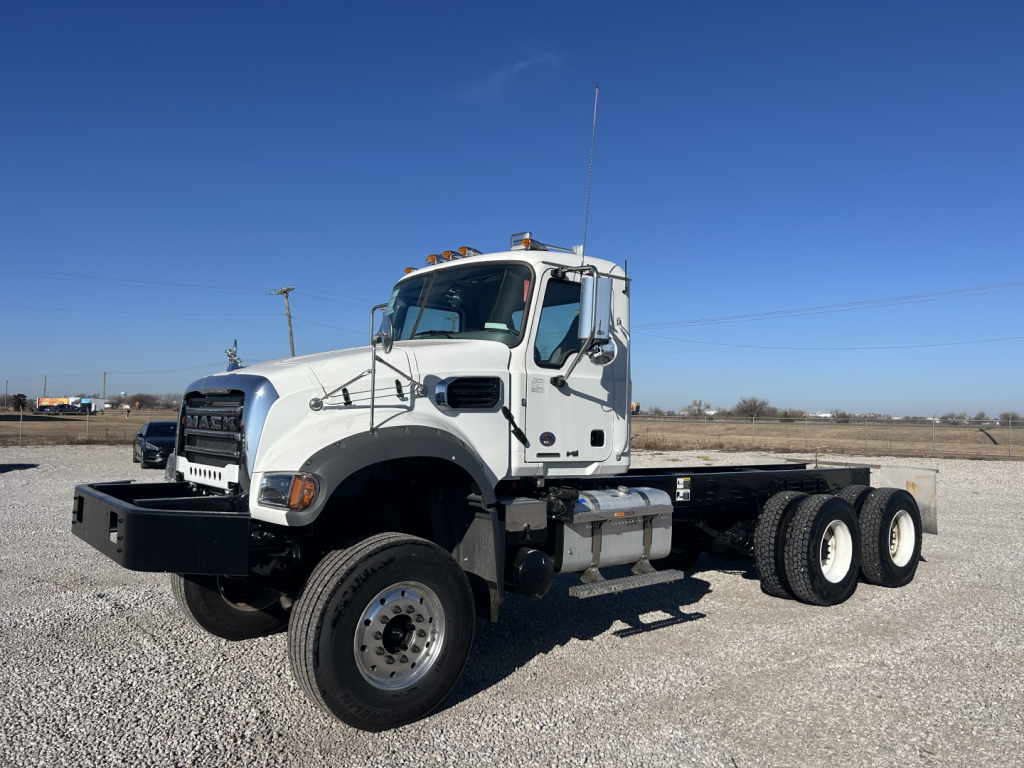
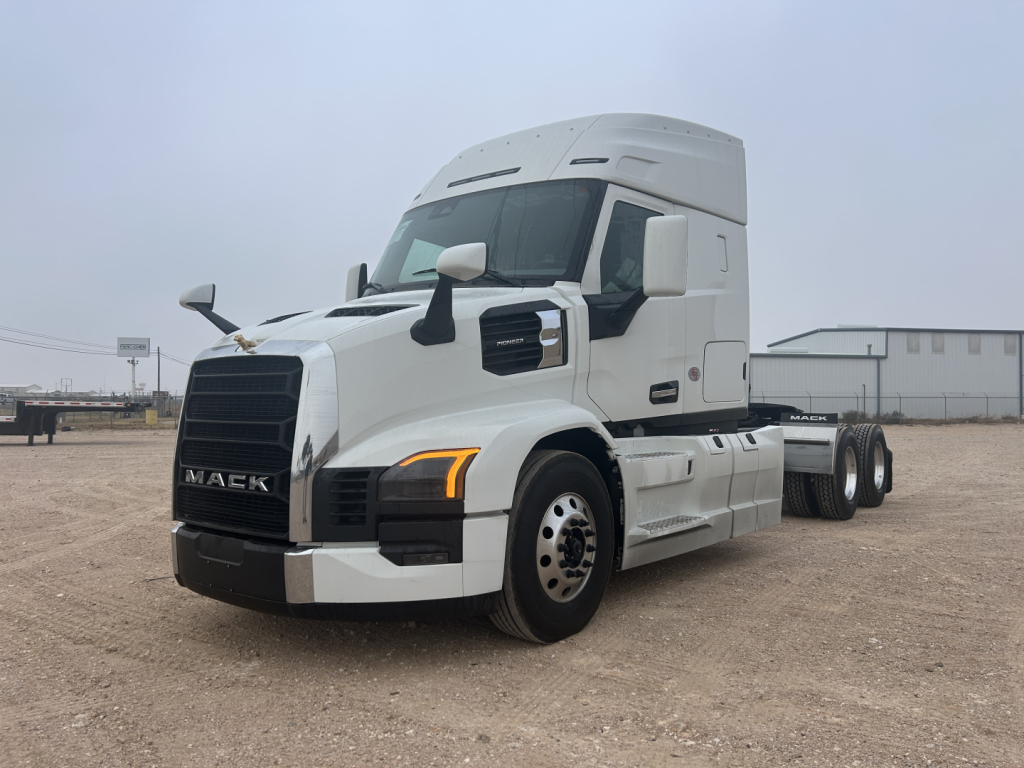
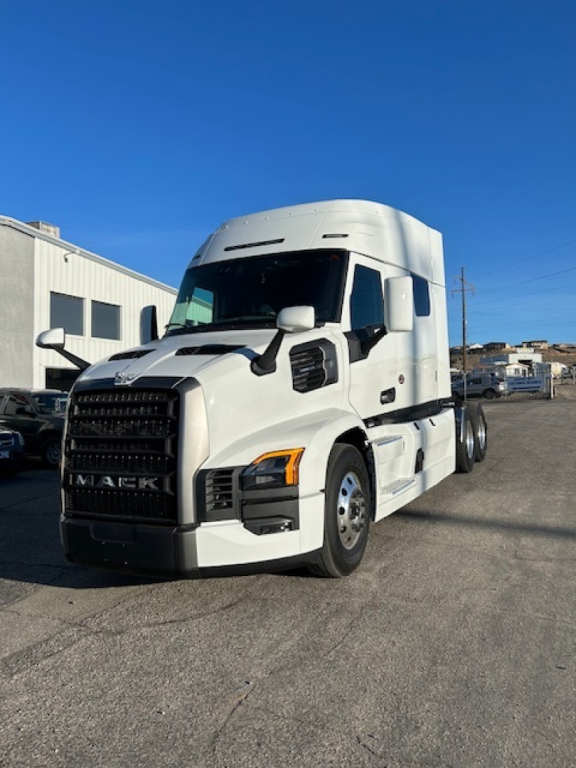
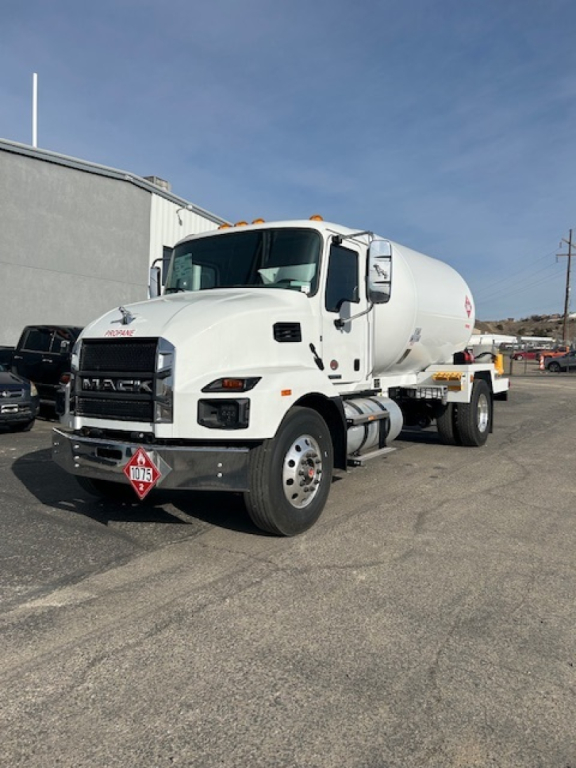
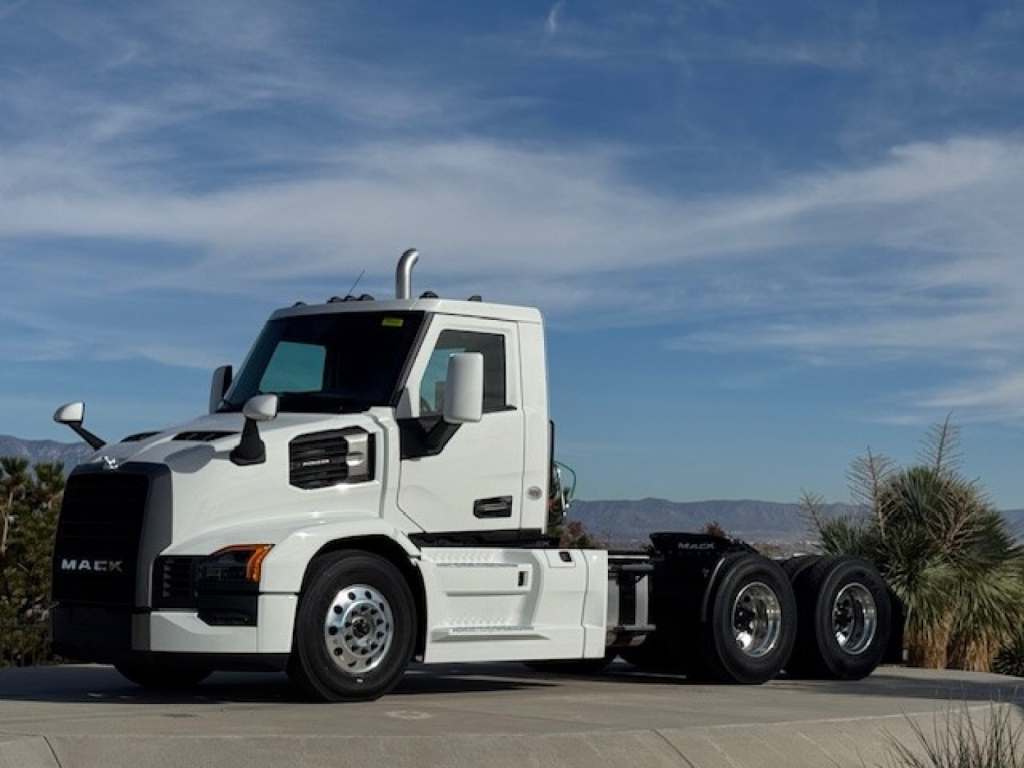
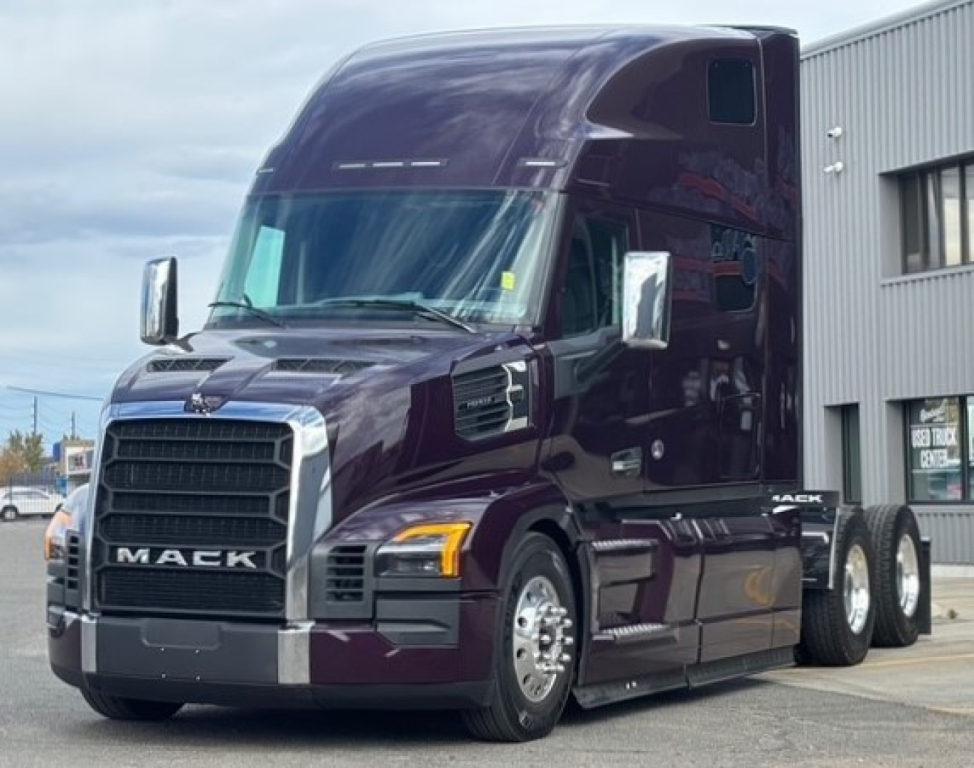
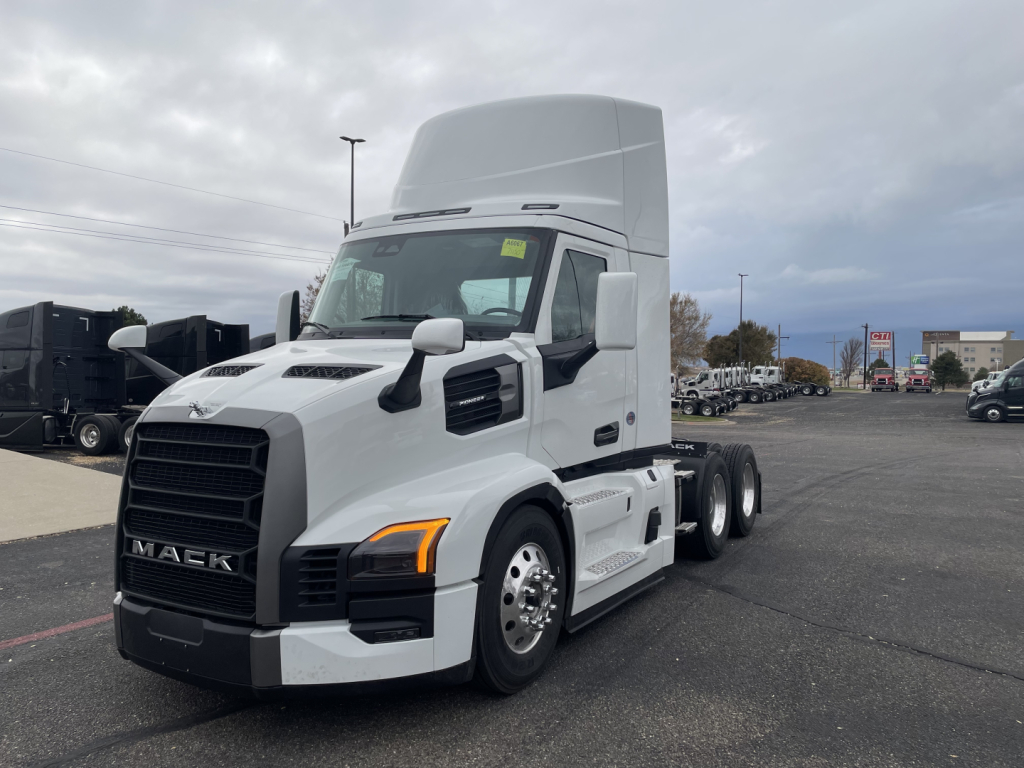
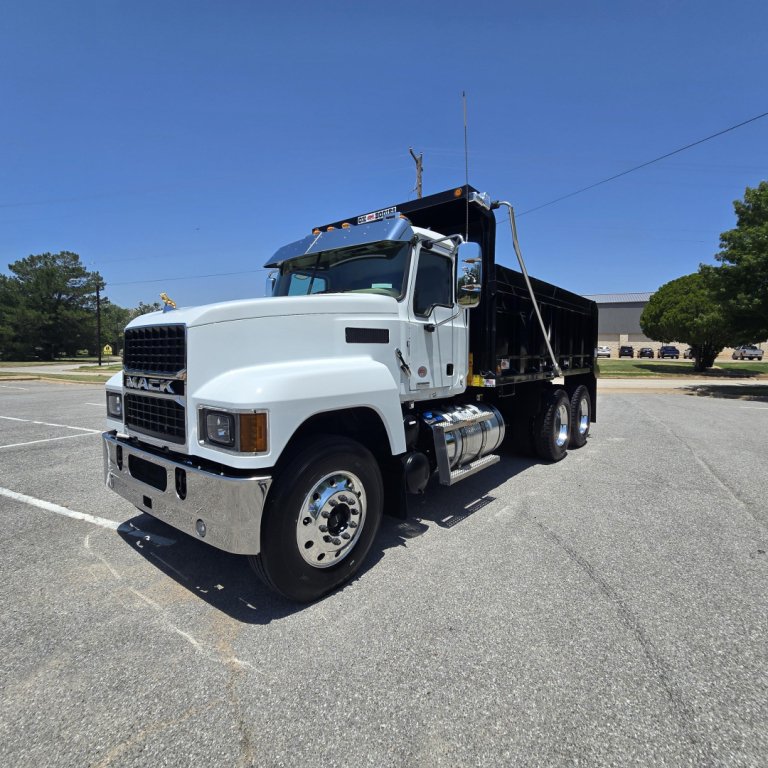

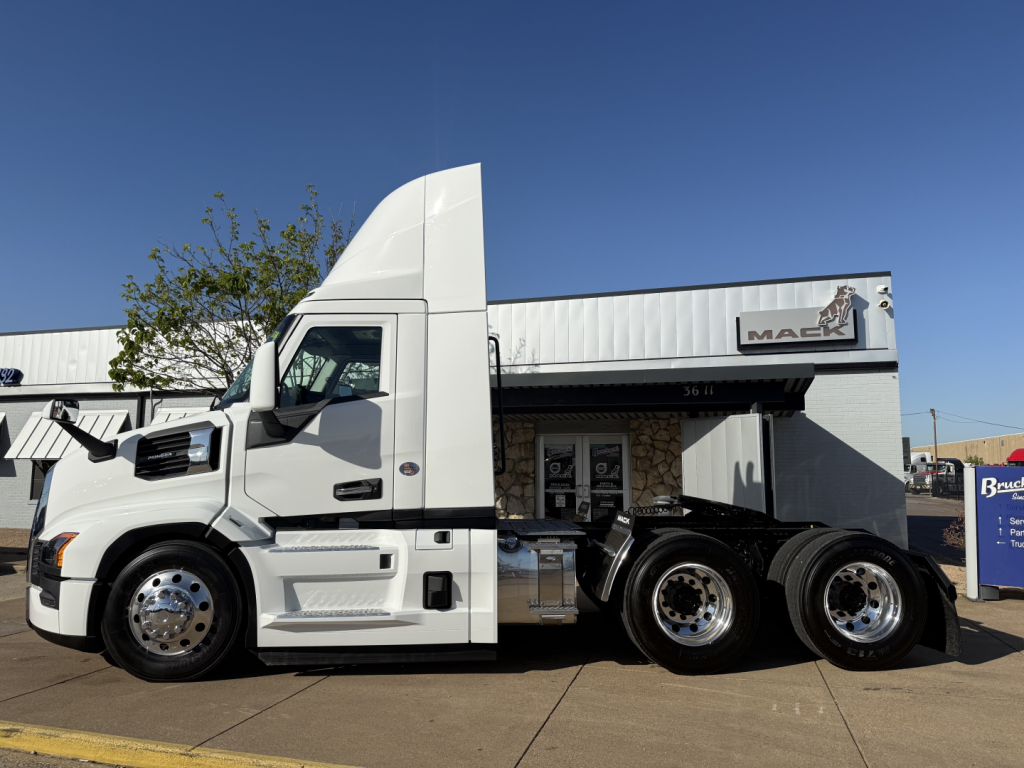
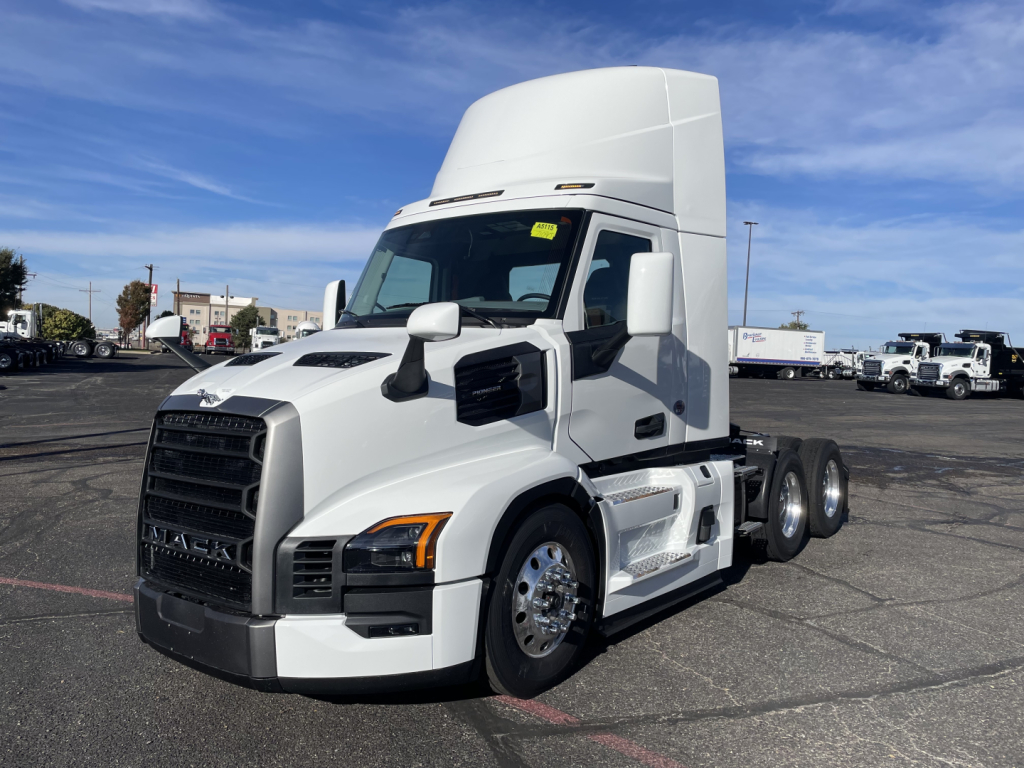
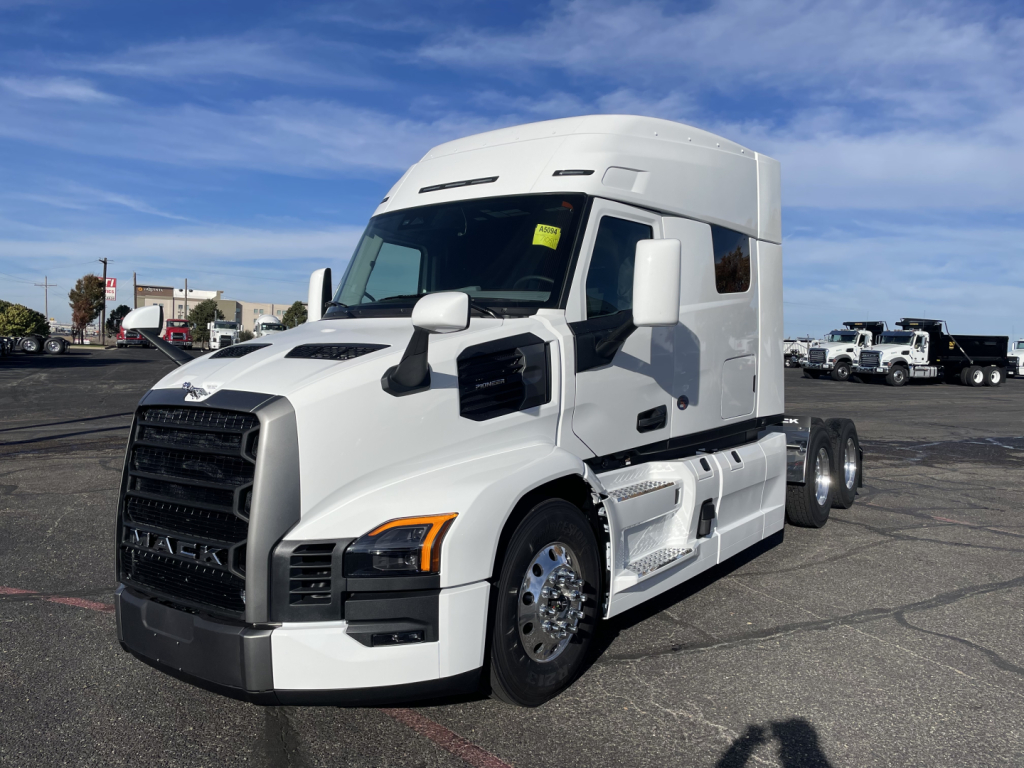
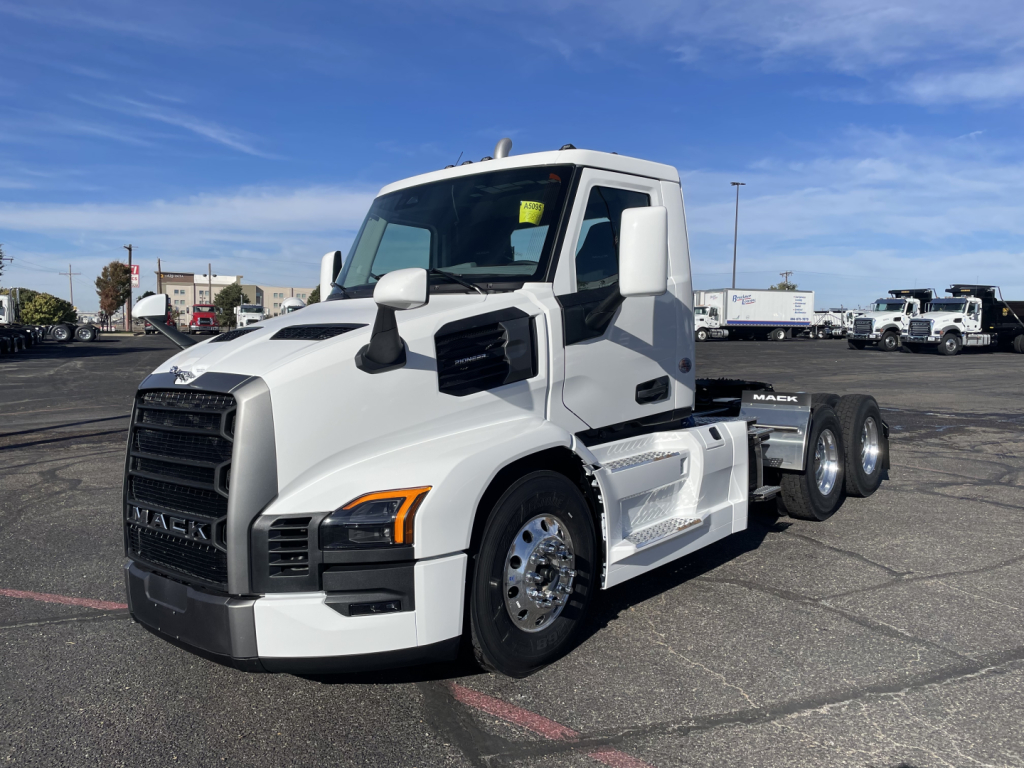
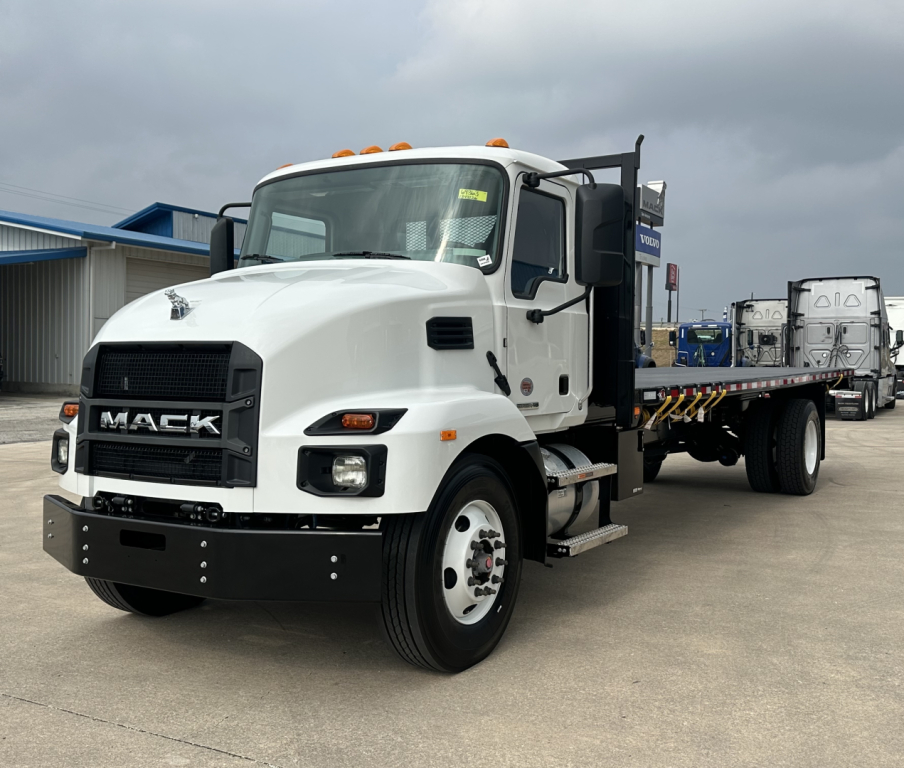
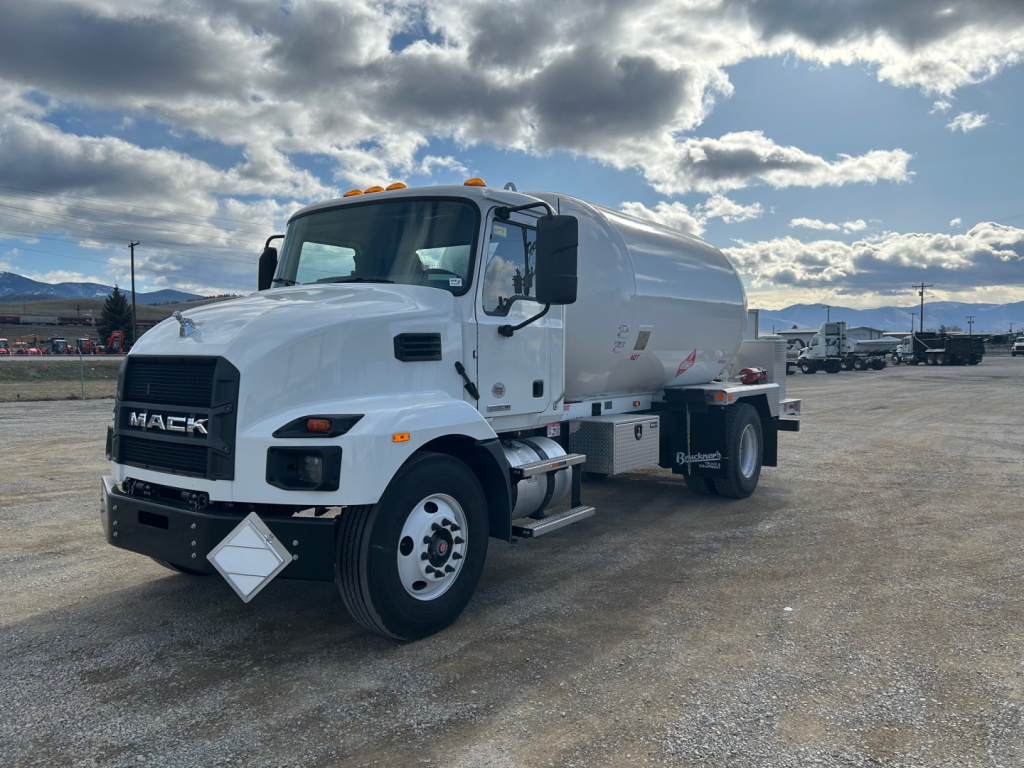
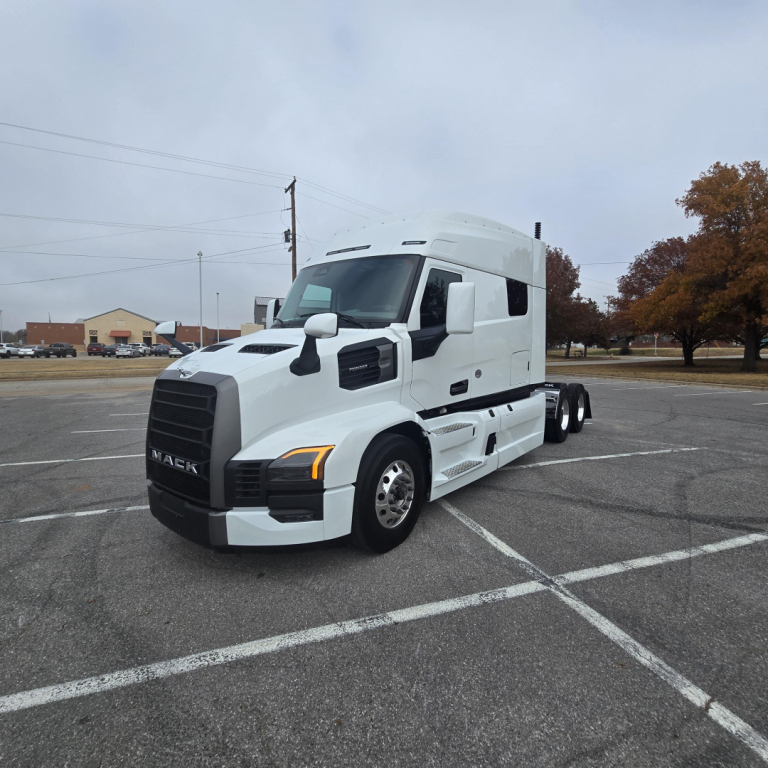
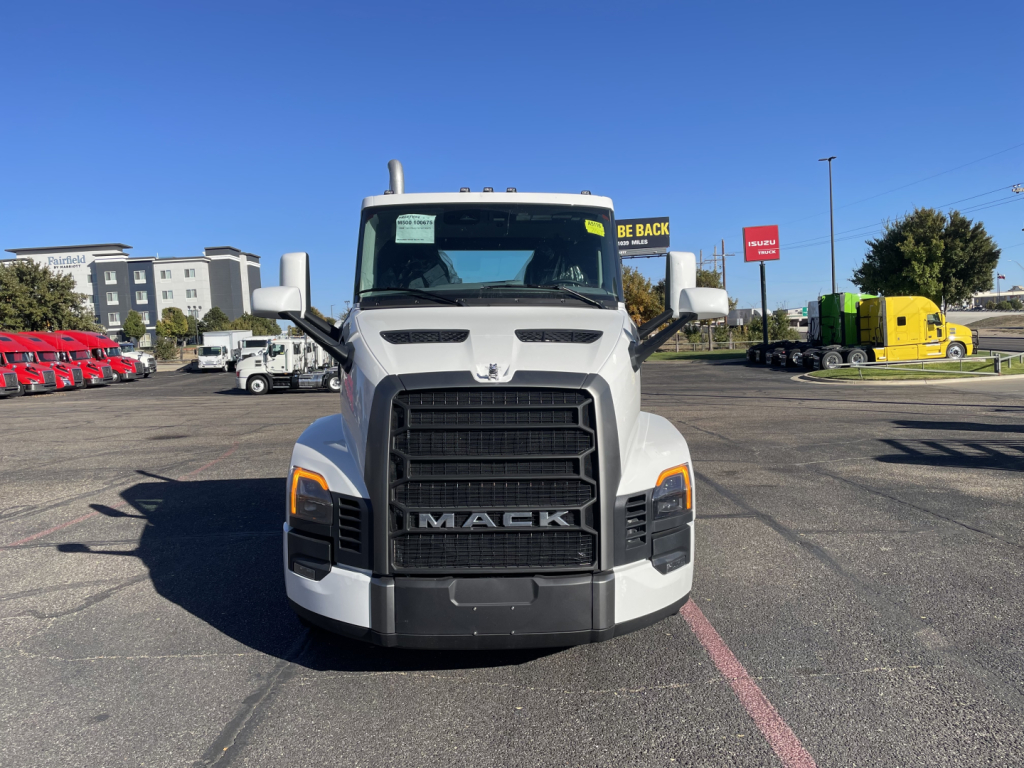
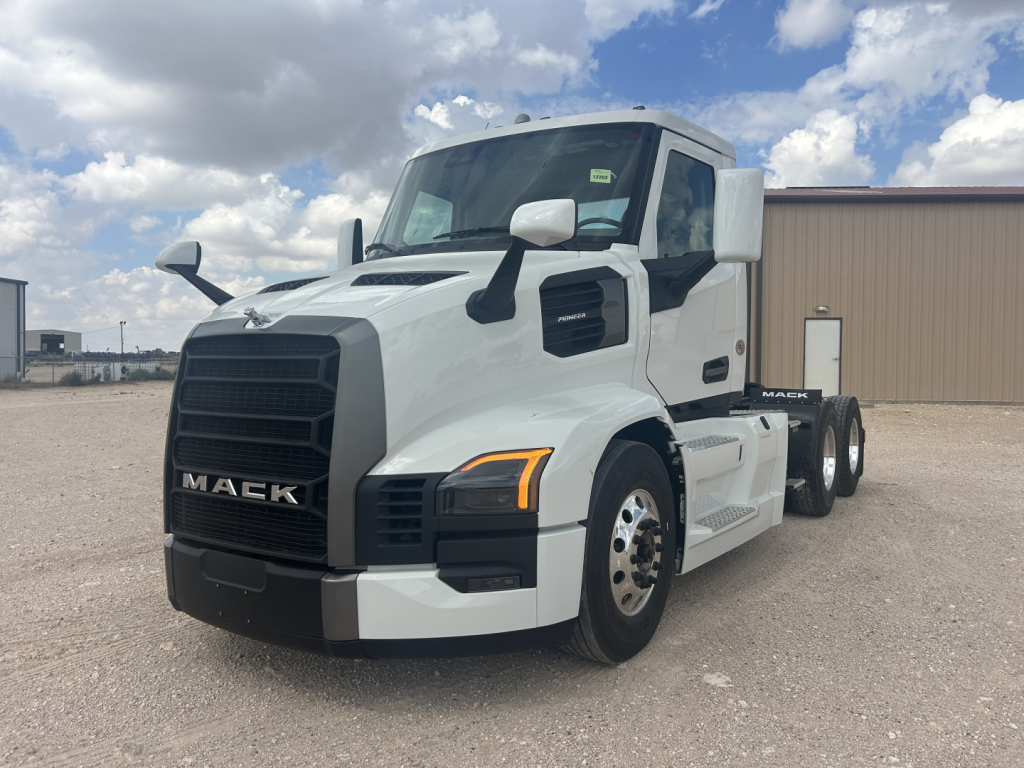
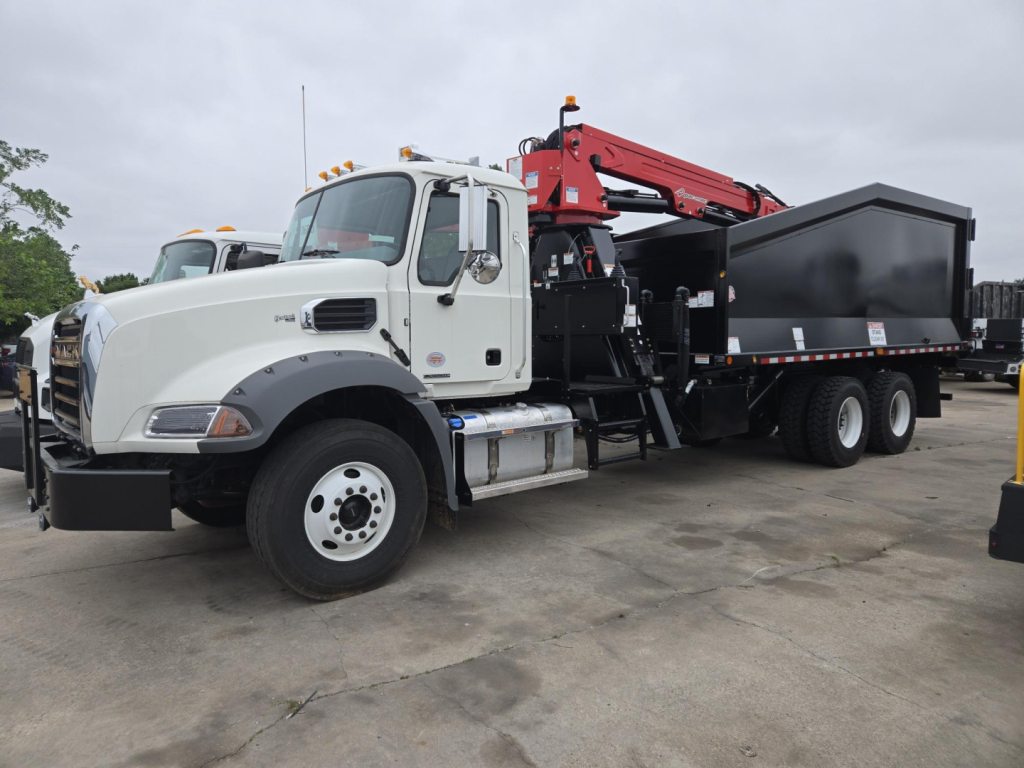
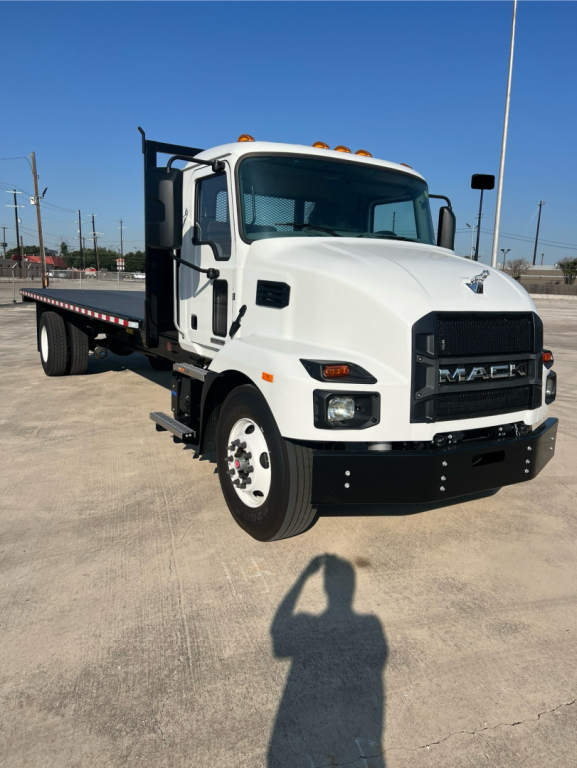
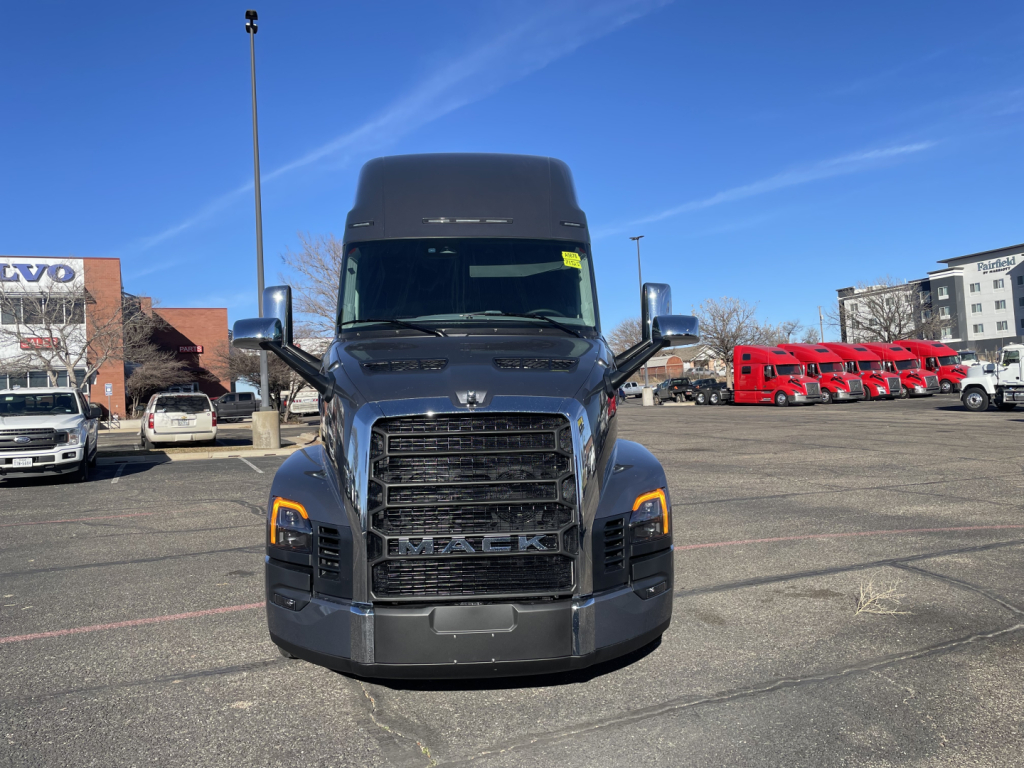
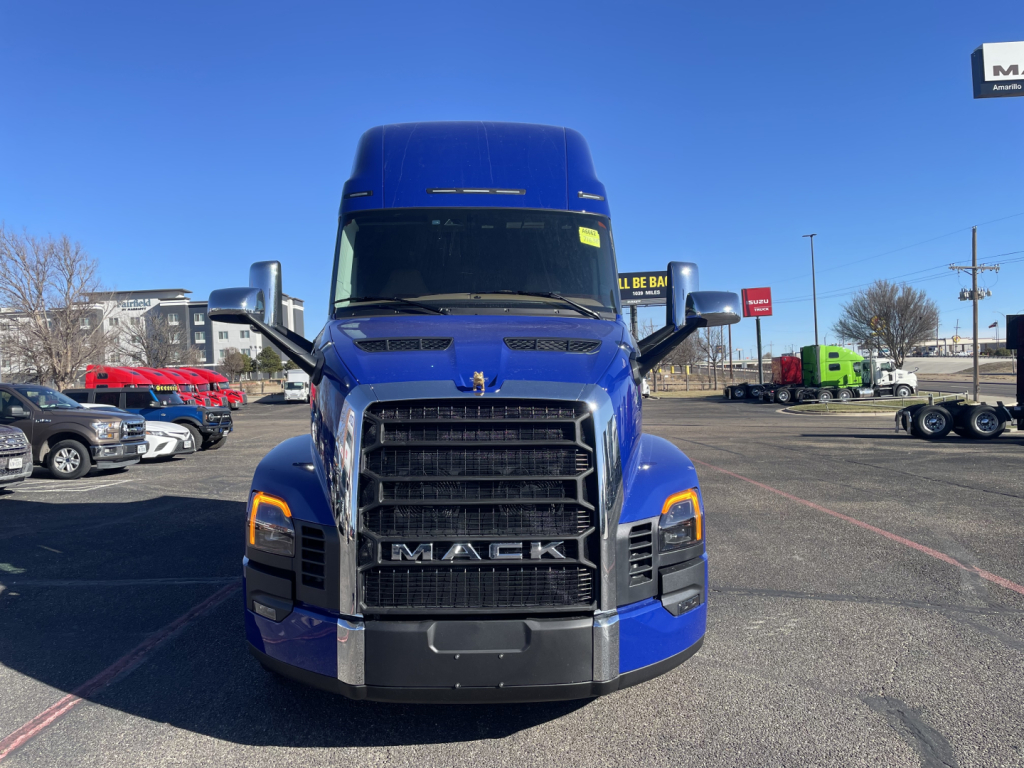
Showing 169 to 196 of 357 results
Selling a 2026 commercial truck? List your 2026 commercial truck for sale and reach thousands of commercial buyers.
2026 Commercial Trucks
On the Class 8 side, 2026 model-year trucks commonly feature updated emissions packages, advanced driver assistance systems, and more integrated powertrain controls. Buyers comparing road tractors should pay close attention to engine family, horsepower and torque ratings, rear axle ratio, suspension type, and fifth wheel setup. A 72-inch raised-roof sleeper has very different value than a day cab with a pintle hook or in-cab fifth wheel release. Natural gas configurations are also part of the 2026 market, especially for fleets operating in regions with favorable fuel infrastructure or emissions compliance goals. In those cases, diesel gallon equivalent capacity, tank placement, and service network support matter as much as the engine itself.
Medium-duty 2026 trucks are often bought around the body, not just the chassis. Tow trucks and rollbacks need the right combination of GVWR, cab-to-axle, wheelbase, winch rating, wheel-lift capacity, and bed length. Dump and landscape trucks need buyers to look closely at payload after upfit, side height, hoist design, rear door style, and brake type. On Class 6 and Class 7 chassis, options like Allison automatic transmissions, air brakes, air ride suspension, and 22.5 low-profile tires can significantly affect driver acceptance and operating cost. If the truck is being upfitted or already carries specialized equipment, confirm axle ratings, frame reinforcement, and weight distribution before making a decision.
A 2026 truck buyer should also evaluate technology and serviceability, not just headline specs. Features such as lane departure warning, side object detection, disc brakes, mirror camera systems, and telematics integration are becoming more common and can improve both safety performance and driver retention. At the same time, uptime still comes down to practical factors like dealer support, parts availability, access to engine diagnostics, and how well the truck's configuration matches the actual route, load, and body requirement. The best 2026 truck is the one sized correctly for the work, with a powertrain and chassis spec that supports payload, compliance, and long-term maintenance control.
Frequently Asked Questions about 2026 Commercial Trucks
What should I look for first when comparing 2026 trucks for sale?
Start with the truck's intended application and weight class. A buyer shopping for a highway tractor should compare sleeper size, engine rating, axle ratio, transmission type, and fifth wheel arrangement. A buyer shopping for a vocational truck should focus first on GVWR, front and rear axle capacity, cab-to-axle, wheelbase, PTO capability, and body compatibility. Those core specs determine whether the truck can legally and efficiently perform the job.
Are 2026 trucks available with alternative fuel powertrains?
Yes. The 2026 market includes diesel, gasoline in some lighter applications, and alternative fuel options such as compressed natural gas. Natural gas trucks can make sense for fleets with predictable routes and access to fueling infrastructure. Buyers should compare usable fuel capacity in diesel gallon equivalent, tank packaging, range, maintenance support, and technician availability before choosing an alternative fuel platform.
How important is cab-to-axle measurement on a 2026 truck?
Cab-to-axle is critical on medium-duty and vocational trucks because it determines whether a body or upfit will fit the chassis correctly. Rollbacks, dump bodies, service bodies, and utility equipment all rely on proper cab-to-axle and wheelbase dimensions for fitment and weight distribution. An incorrect measurement can reduce payload, create balance issues, or require expensive modifications before the truck can be put to work.
What safety technology is common on 2026 trucks?
Many 2026 trucks are equipped with more advanced safety systems than earlier model years. Common features include collision mitigation, lane departure warning, side object detection, electronic stability systems, disc brakes, and camera-based mirror systems on some models. Buyers should verify which systems are standard versus optional and consider how those features affect insurance, training, and repair procedures.
Should I buy a 2026 truck based on horsepower alone?
No. Horsepower is only one part of the specification. Torque rating, transmission programming, rear axle ratio, tire size, gross combined weight, and duty cycle all influence how the truck performs. A properly matched lower-horsepower spec can outperform a higher-horsepower truck in certain regional or stop-and-go applications while delivering better fuel economy and lower operating cost.