
2026 Day Cab Trucks For Sale
Shop 2026 day cab trucks with current safety tech, modern powertrains, and specs built for regional haul, port, vocational, and local freight.
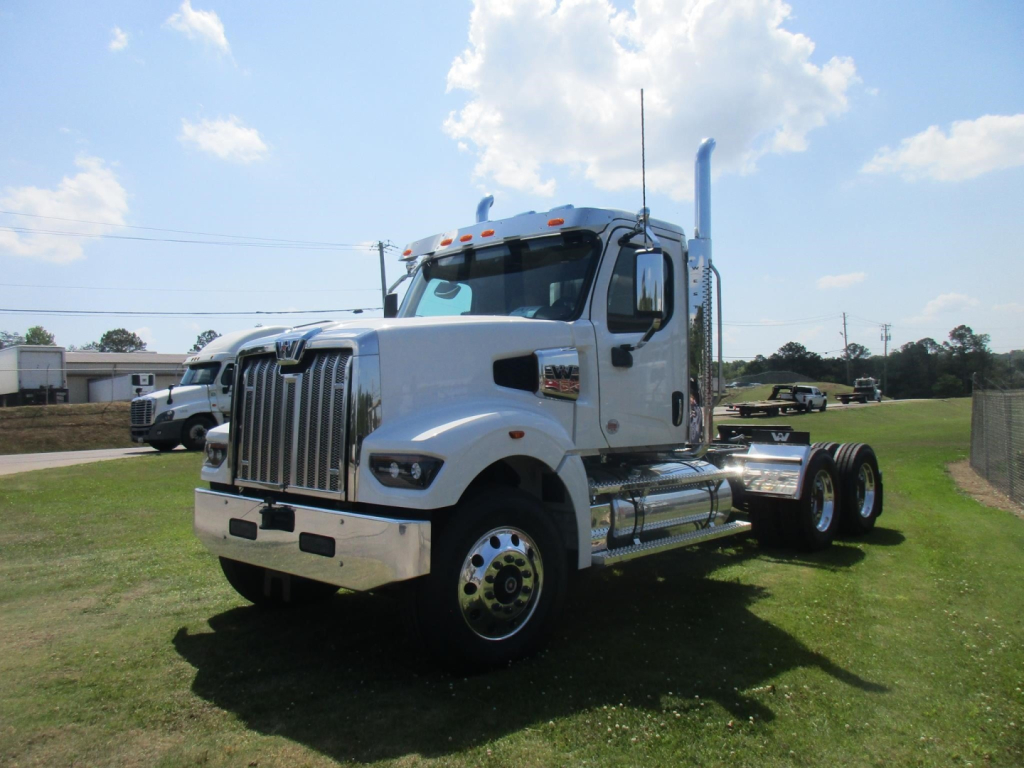
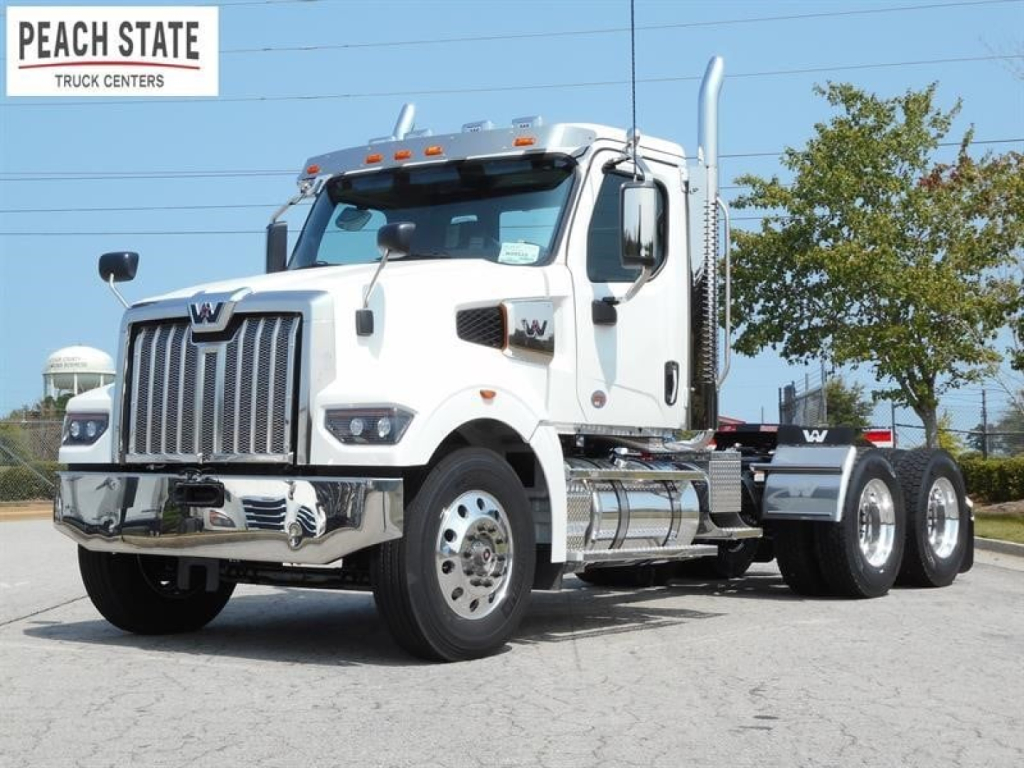
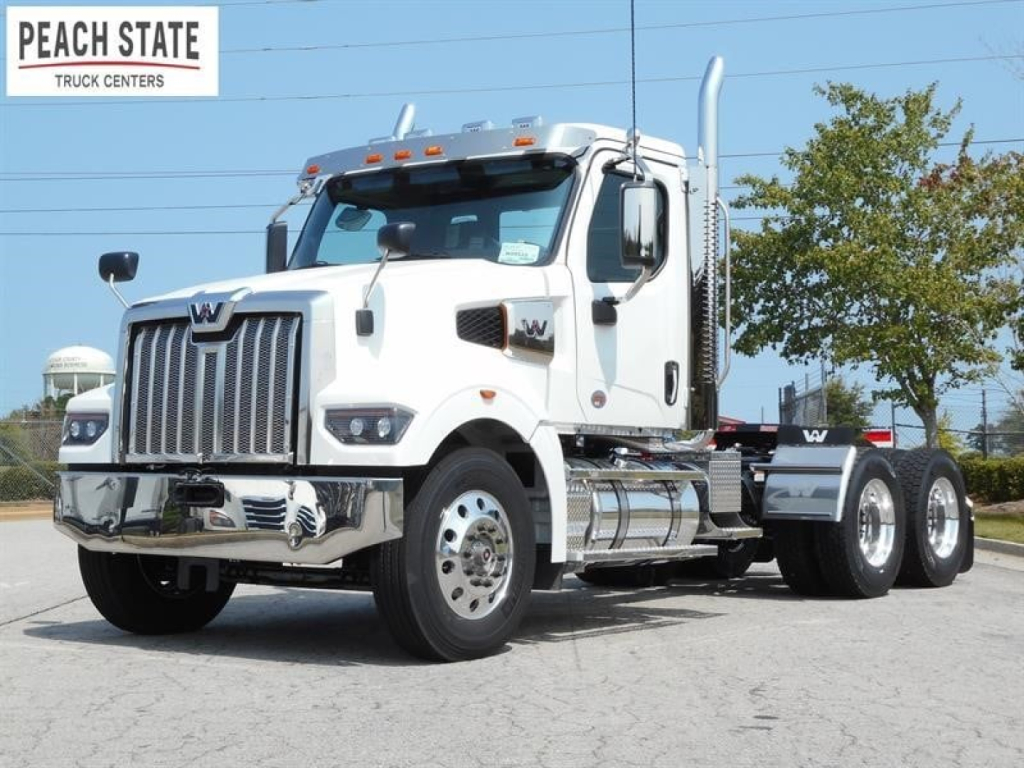
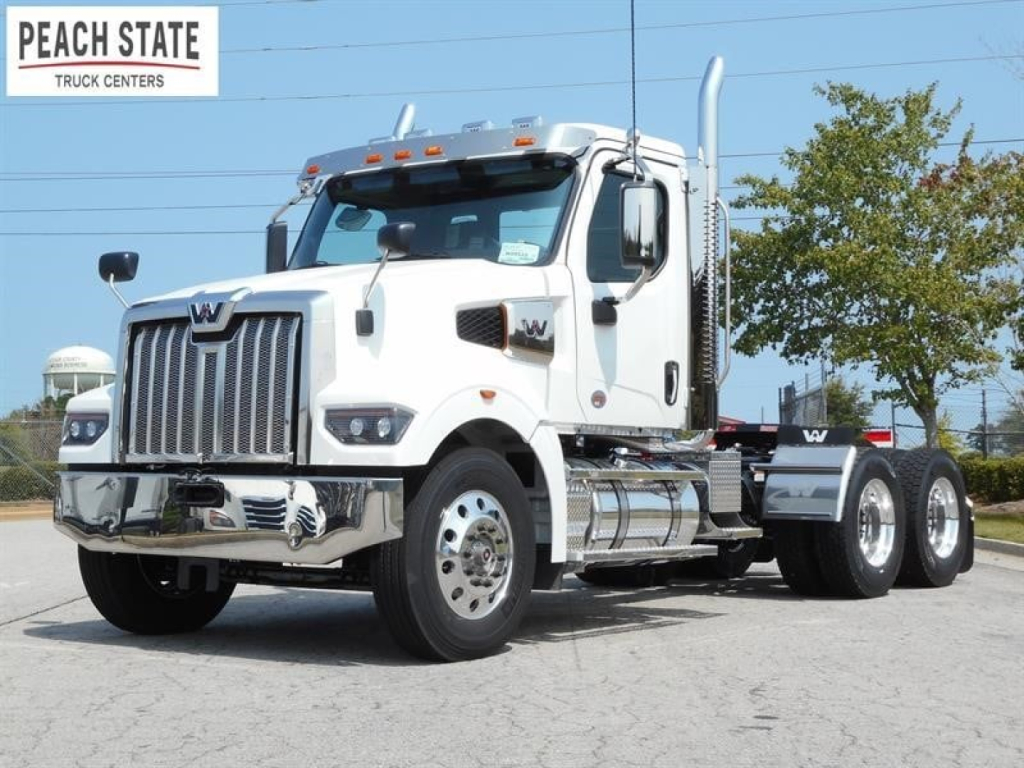
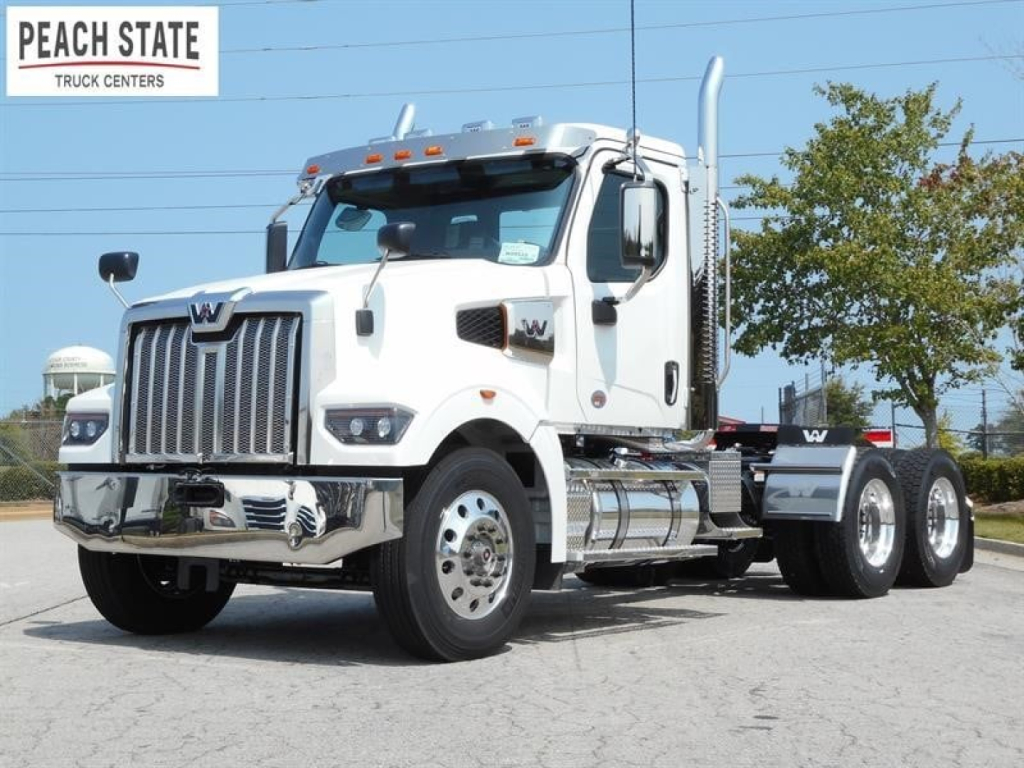
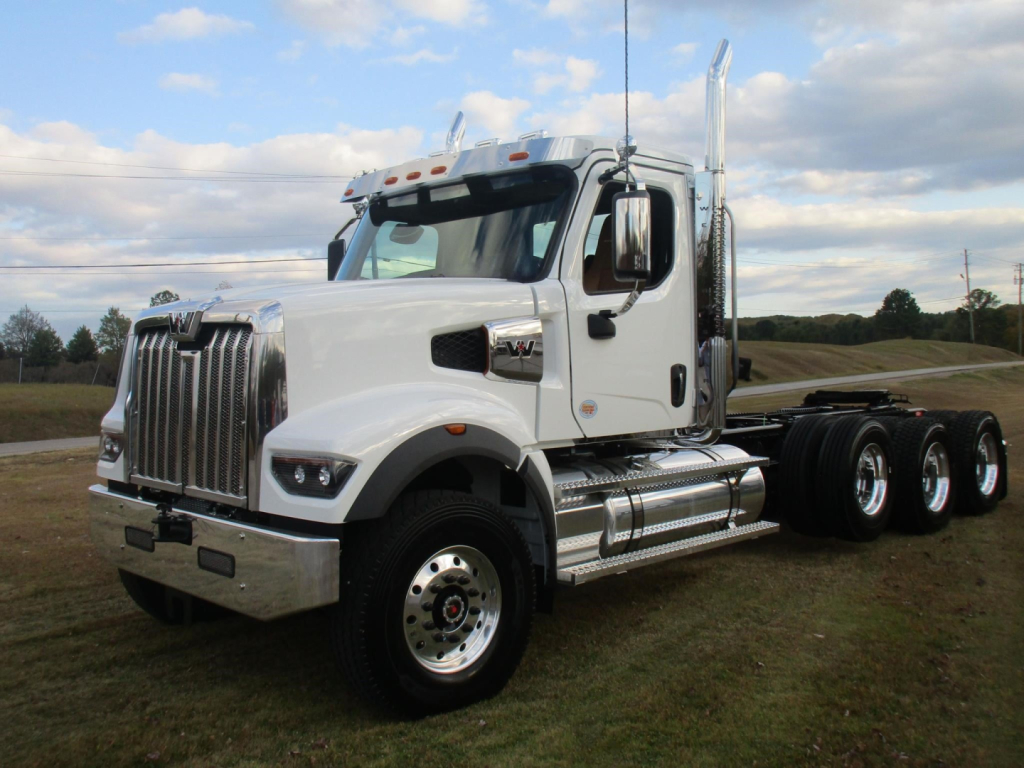
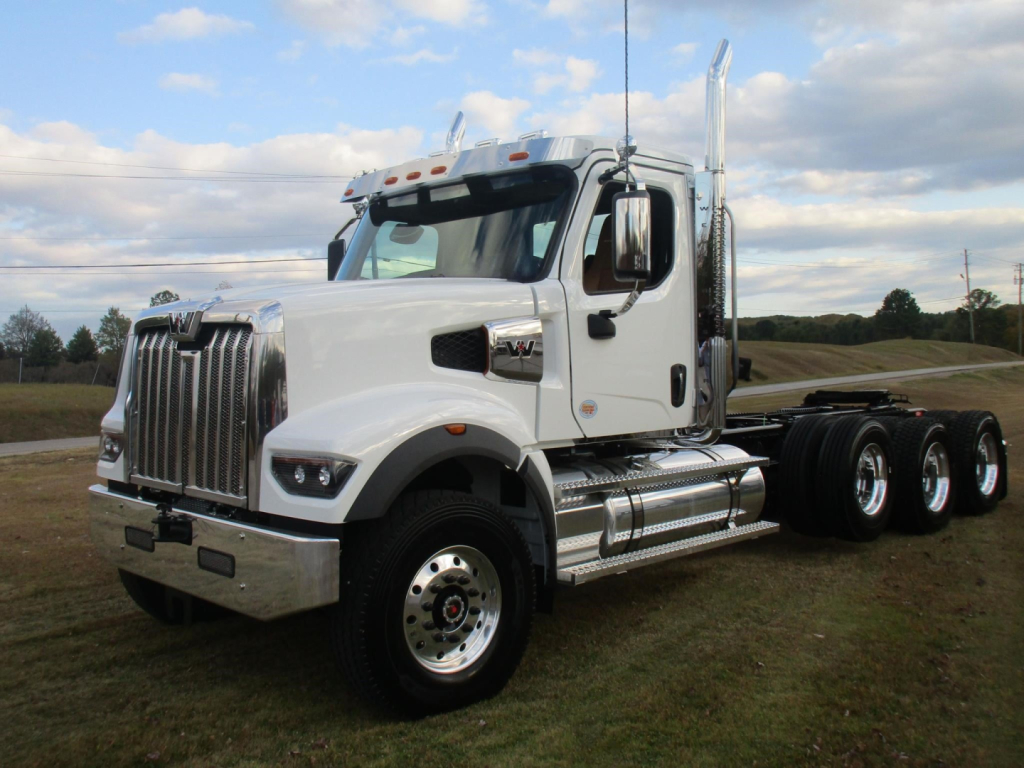
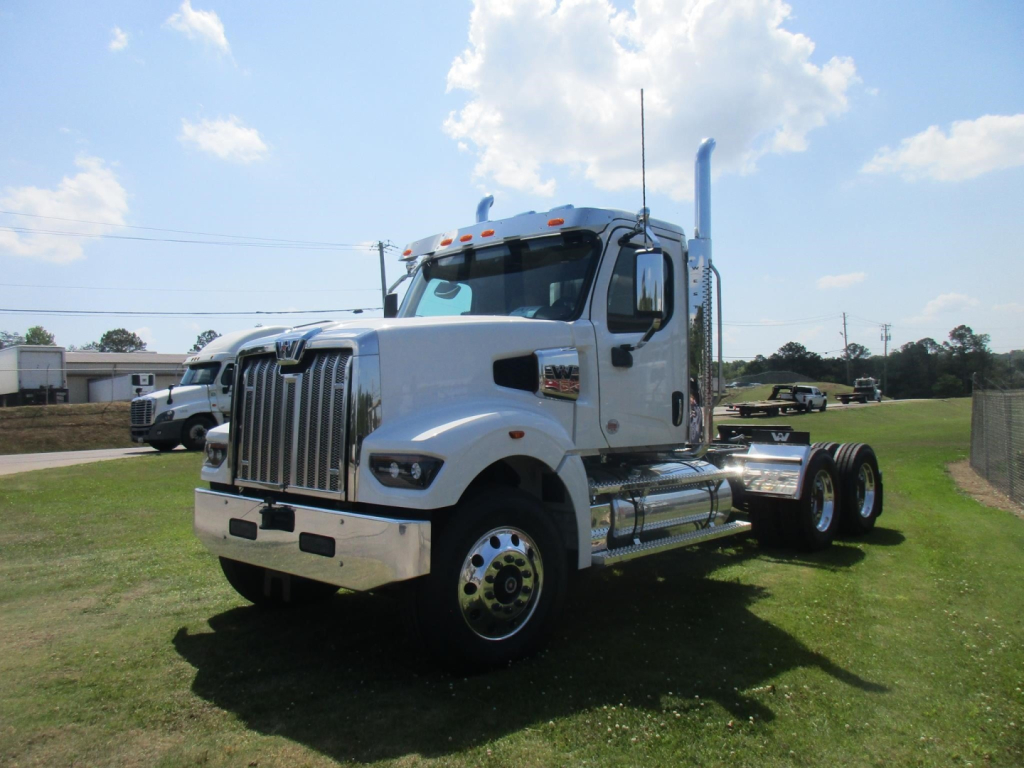
Selling a 2026 day cab truck? List your 2026 day cab truck for sale and reach thousands of commercial buyers.
2026 Day Cab Trucks
The biggest buying decisions are usually engine, transmission, wheelbase, and axle rating. In the current market, common engine families in 2026 day cab trucks include Detroit DD13, DD15, and in heavier specs DD16, with horsepower ranges often running from the mid-400s into the 500-plus range depending on the job. Automated manual transmissions such as the Detroit DT12 remain popular for fleet and regional use because they help with driver consistency, fuel economy, and training, while 18-speed manuals still show up in heavy-spec and specialized applications. Wheelbase matters more than many buyers expect. A shorter wheelbase improves maneuverability for city work, ports, and tight yards, while a longer wheelbase can help with ride quality, bridge law flexibility, deck plate space, and compatibility with certain trailer setups.
Rear axle ratio, suspension, and fifth wheel setup should match the freight. A 2.41 or similar fast ratio can make sense for linehaul and regional lanes where fuel economy is the priority, but it is not the right answer for every route. Heavy vocational or lowboy work may call for deeper ratios, higher GCWR, locking differentials, heavier front axles, and more robust suspension packages. Buyers should also review kingpin settings, sliding versus fixed fifth wheels, frame rail strength, and PTO provisions if hydraulic systems are part of the operation. On newer day cabs, collision mitigation, lane departure warning, side guard assist, disc brakes, and integrated telematics are increasingly common and can be important for fleet safety programs and insurance considerations.
Cab layout and serviceability still matter, even on a non-sleeper tractor. Look for a driver environment that fits the route length, with good ingress and egress, durable seating, usable dash controls, and clear visibility around the hood and mirrors. Aluminum wheels, air slide fifth wheels, fairings, and tire inflation systems can add practical value depending on the application. For buyers comparing 2026 day cab trucks for sale, the best unit is the one spec'd for the trailer, terrain, and daily miles you actually run. A well-matched day cab will deliver better uptime, lower operating cost, and less compromise than a generic fleet spec trying to cover every job.
Frequently Asked Questions about 2026 Day Cab Trucks
What is a day cab truck used for?
A day cab truck is a road tractor without a sleeper compartment, designed for routes where the driver returns home or to the terminal the same day. Common uses include regional freight, drayage, dedicated local lanes, tanker work, flatbed, dump, refuse, and some heavy-haul applications. The right use depends on how the truck is spec'd, especially wheelbase, axle ratings, transmission, and rear axle ratio.
What should I look for when buying a 2026 day cab truck?
Start with the actual job, not the badge on the hood. Match horsepower and torque to gross combination weight, terrain, and trailer type. Review wheelbase for maneuverability and bridge compliance, confirm axle ratings and suspension capacity, and make sure the fifth wheel position works with your trailers' kingpin settings. Buyers should also evaluate emissions warranty coverage, safety systems, PTO capability, and whether an automated or manual transmission makes more sense for their drivers and routes.
Are automated transmissions a good choice in a day cab?
For many fleets and owner-operators, yes. Automated manual transmissions are now common in day cab trucks because they improve shift consistency, reduce driver fatigue in stop-and-go traffic, and can support better fuel economy when paired with the right rear axle ratio. A manual transmission may still be preferred in heavy-haul, severe-service, or highly specialized applications where the operator wants maximum gear control.
How does wheelbase affect a day cab truck?
Wheelbase changes how the truck turns, rides, and fits a trailer application. A shorter wheelbase is usually better for urban work, tight docks, and port service because it improves maneuverability. A longer wheelbase can provide a smoother ride, more deck plate room, and better fit for some trailer combinations, but it may reduce agility in confined spaces. The right wheelbase should be chosen with trailer length, kingpin location, and route conditions in mind.
What is the difference between a highway day cab and a vocational day cab?
A highway day cab is generally spec'd for fuel economy, regional lanes, and higher road speed, often with aerodynamic trim, downsped drivetrains, and lighter weight components. A vocational day cab is built for tougher duty cycles and may include heavier axles, stronger frames, deeper rear axle ratios, PTO provisions, severe-service suspension, and more robust cooling or intake protection. They may look similar from the cab, but they are built for very different operating conditions.