
2026 Day Cab Trucks For Sale in Alabama
Shop 2026 day cab trucks for sale in Alabama. Compare highway and vocational specs, axle ratings, wheelbases, engines, and transmission options.
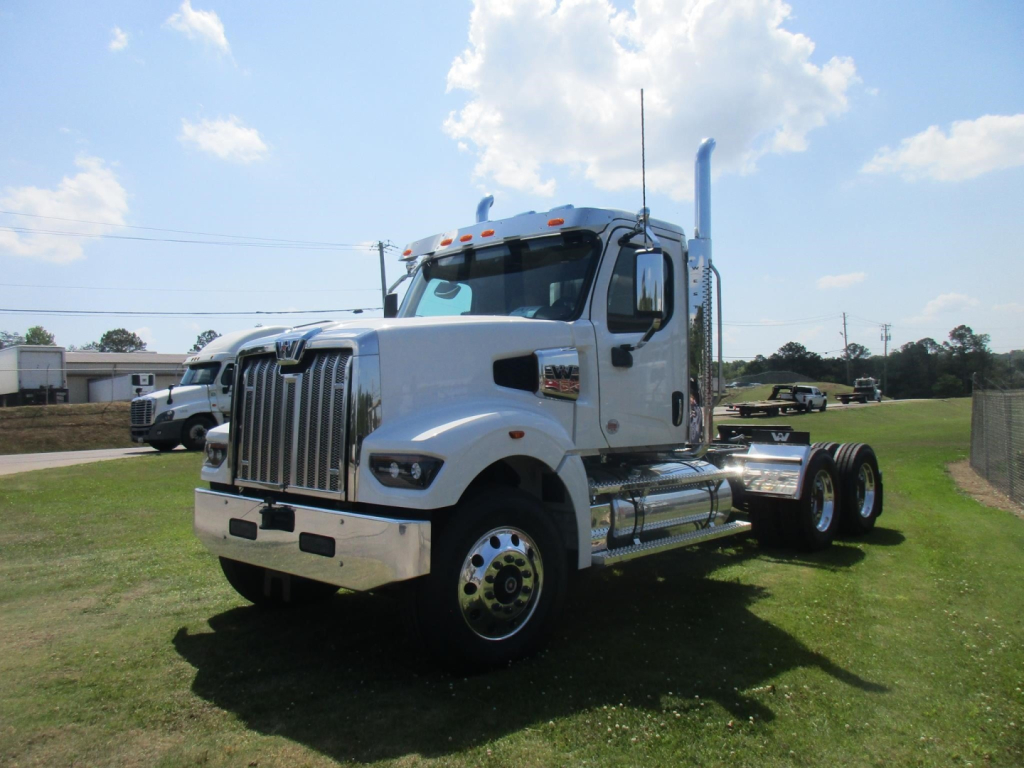
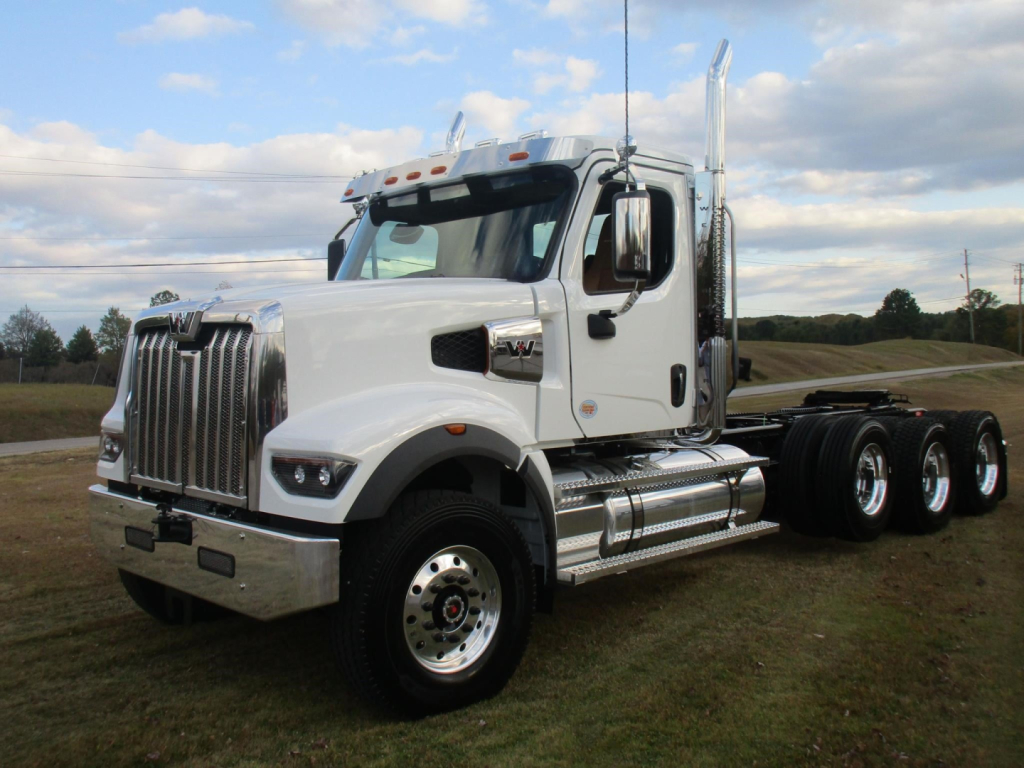
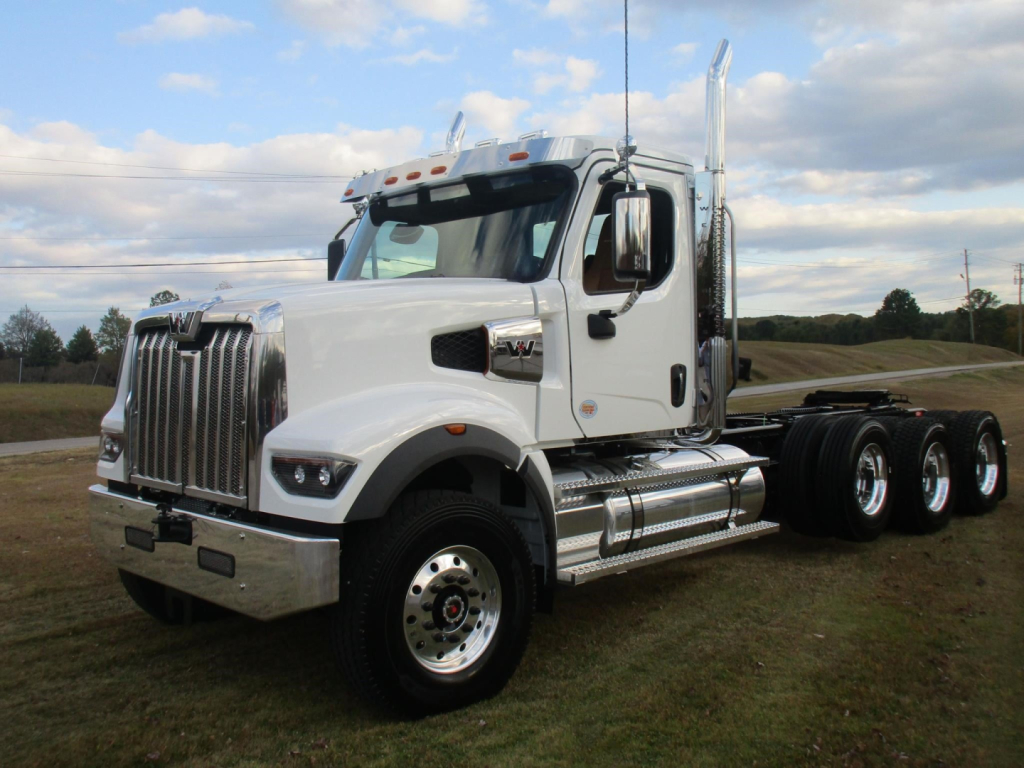
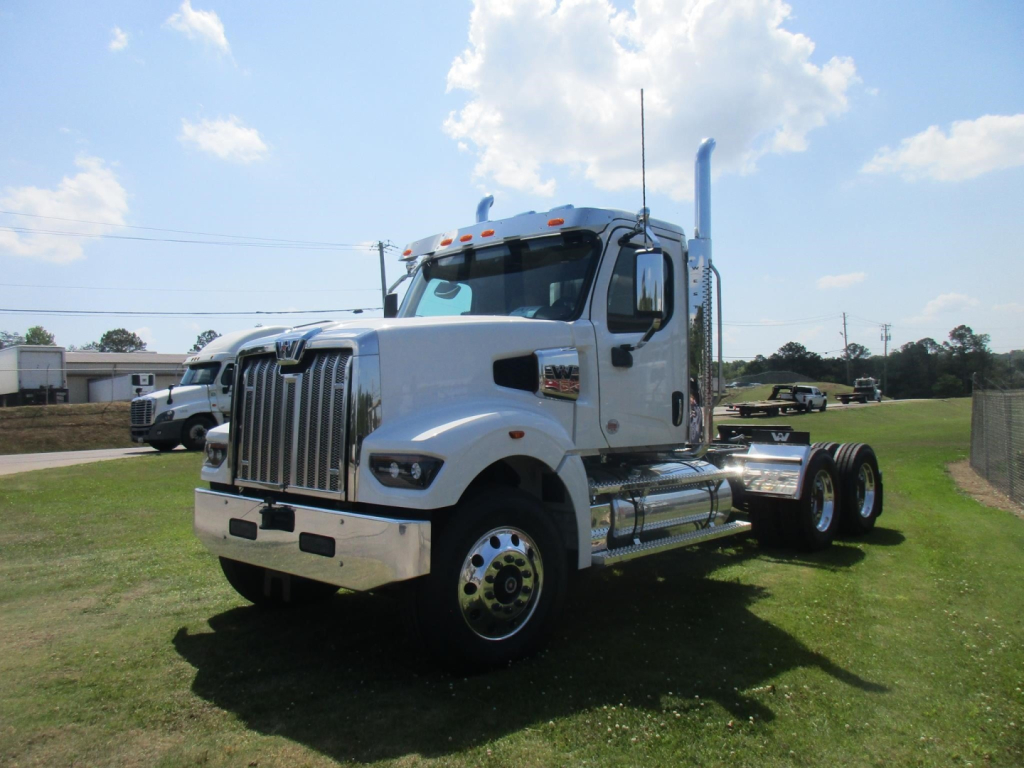
Selling a 2026 day cab truck? List your 2026 day cab truck for sale and reach thousands of commercial buyers.
2026 Day Cab Trucks in Alabama
For most buyers, the big decisions are engine class, transmission, axle package, and wheelbase. Current day cab specs commonly center around Detroit DD13, Cummins X12 or X15, and similar 12 to 15 liter platforms, typically rated from the low 400s up into the 500 HP range depending on intended load and terrain. Automated manuals remain popular for regional freight because they reduce driver fatigue and help with fuel economy, but many vocational buyers still prefer a manual transmission for precise control and familiarity in jobsite conditions. Rear axle ratios such as 3.08, 3.36, 3.55, or 3.90 change the truck’s character more than many first-time buyers expect. A 3.08 setup fits higher-speed regional work, while a 3.90 ratio better supports heavier starts, lower-speed routes, and vocational applications. Wheelbase matters too, especially if the truck will pull multiple trailer lengths or operate in yards, plants, and tight customer docks.
Alabama buyers should also pay close attention to suspension, fifth wheel configuration, fuel capacity, and emissions support. Air ride suspension is common on regional day cabs for ride quality and trailer protection, while heavier vocational setups may use more rugged configurations designed for mixed pavement and jobsite use. An air slide fifth wheel adds flexibility when trailer kingpin settings vary across a fleet. Dual fuel tanks can extend range for multi-stop or regional operations, but added capacity should be balanced against payload and chassis layout. On newer 2026 trucks, the emissions system, software strategy, and dealer service network are part of the buying decision just as much as horsepower. Uptime matters more than a paper spec, especially for trucks running I-20, I-65, I-85, port corridors, or daily industrial routes where missed loads turn into lost revenue fast.
Cab layout and driver environment should not be treated as secondary. A good day cab needs a practical dash, durable seats, strong HVAC performance, clean sightlines, and enough in-cab storage for logbooks, PPE, tools, and daily paperwork. Safety tech on newer models can include collision mitigation, lane departure warning, adaptive cruise, and camera systems, but buyers should verify how those systems fit the actual job, especially in tight urban or vocational service. The best 2026 day cab truck is the one matched to trailer type, average gross combination weight, route speed, dock conditions, and maintenance support. If the spec lines up with the work, a day cab can be one of the most efficient and versatile tractors in a fleet.
Frequently Asked Questions about 2026 Day Cab Trucks in Alabama
What is a day cab truck best used for?
A day cab truck is best suited for local, regional, and dedicated runs where the driver returns home daily and a sleeper is unnecessary. Common applications include dry van, flatbed, tanker, intermodal, port work, and vocational tractor service. Because there is no sleeper, the chassis is often lighter and more maneuverable, which helps in city deliveries, terminal work, and tight customer locations.
What specs matter most when buying a 2026 day cab truck?
The most important specs are engine rating, transmission type, rear axle ratio, wheelbase, front and rear axle capacity, and fifth wheel setup. Buyers should match horsepower and torque to average load and terrain, then choose gearing that fits route speed and startability needs. Wheelbase affects turning radius and trailer compatibility, while axle ratings and suspension determine whether the truck is built for highway freight, heavier regional service, or vocational work.
Are automated transmissions a good choice in a day cab?
Automated transmissions are a strong fit for many day cab operations because they improve driver comfort, help standardize shifting, and often support fuel economy goals. They are especially common in regional and fleet applications with frequent stop-and-go driving. Manual transmissions still make sense for some vocational or specialized operations where drivers want direct gear control, PTO integration, or a setup that matches an existing maintenance program.
How do I choose the right rear axle ratio for a day cab truck?
Rear axle ratio should be selected based on load, route profile, and cruising speed. Lower numerical ratios such as 3.08 generally favor fuel-efficient highway and regional service, especially when paired with direct or overdrive automated transmissions. Higher numerical ratios such as 3.55 or 3.90 provide stronger low-speed pulling power and can be a better fit for heavy loads, frequent starts, steep grades, or vocational duty cycles.
Is a vocational day cab different from a highway day cab?
Yes. A vocational day cab is usually spec'd with heavier axles, tougher frame options, PTO capability, more aggressive gearing, and components intended for rougher duty cycles. A highway day cab is typically optimized for aerodynamics, fuel economy, driver comfort, and regional freight efficiency. Some models can be configured either way, so buyers should evaluate the full chassis spec instead of relying on model name alone.