
2026 Day Cab Trucks For Sale in Georgia
Shop 2026 day cab trucks in Georgia. Compare specs, wheelbases, engines, axle setups, and safety features for regional and local hauling.
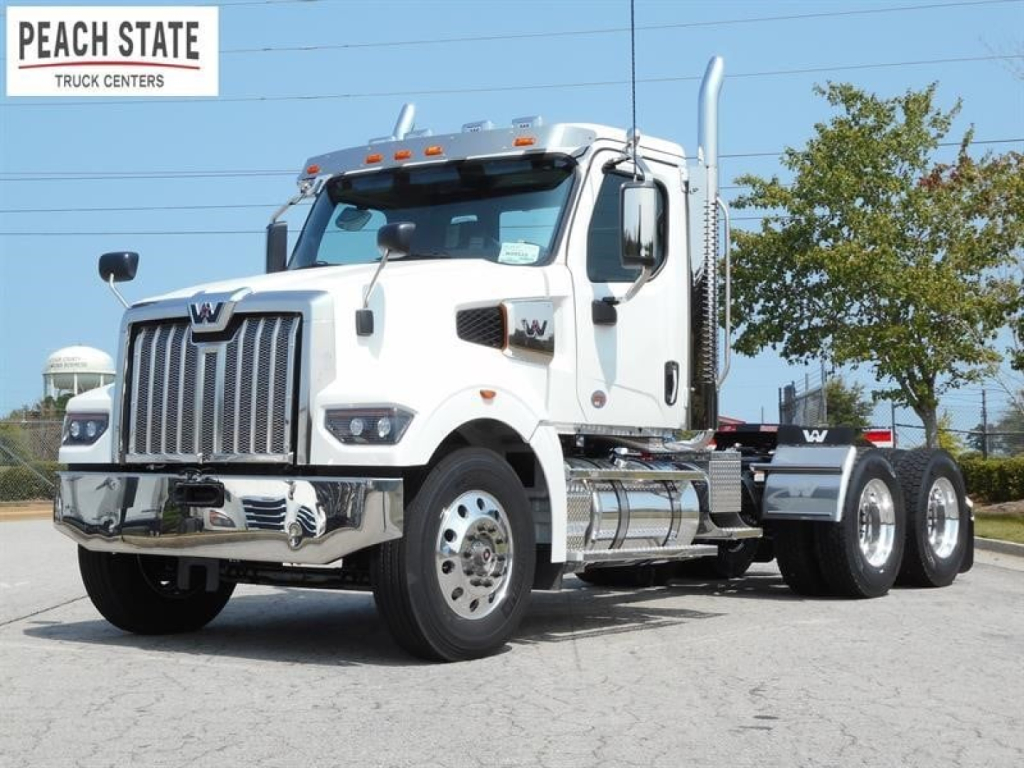
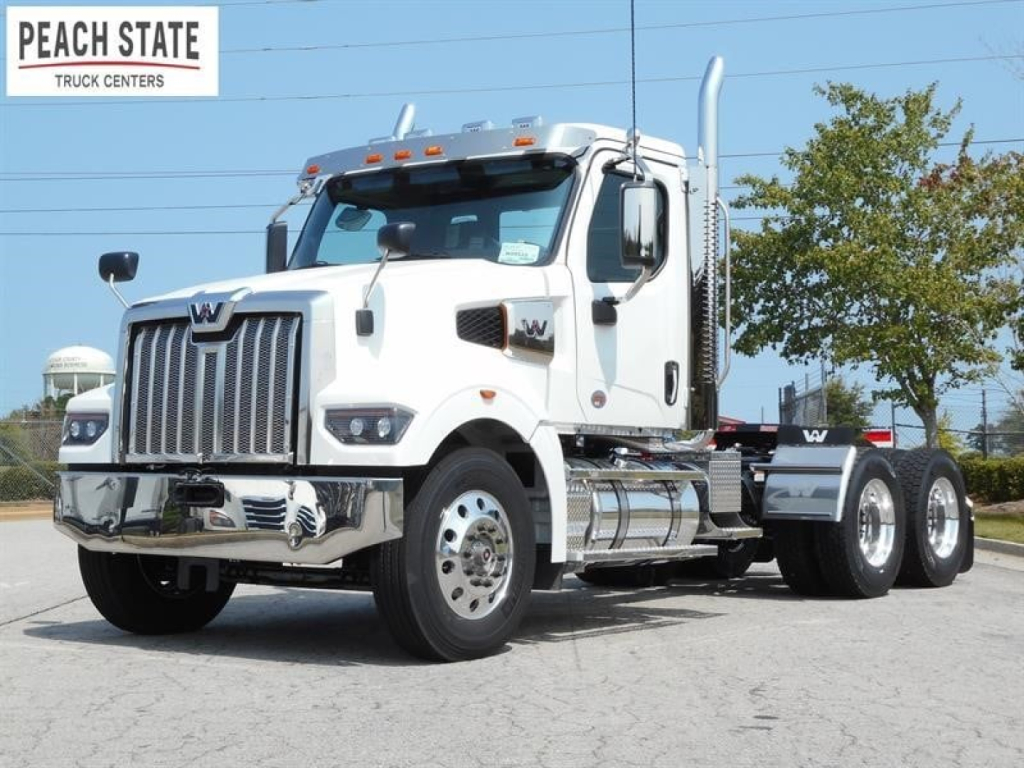
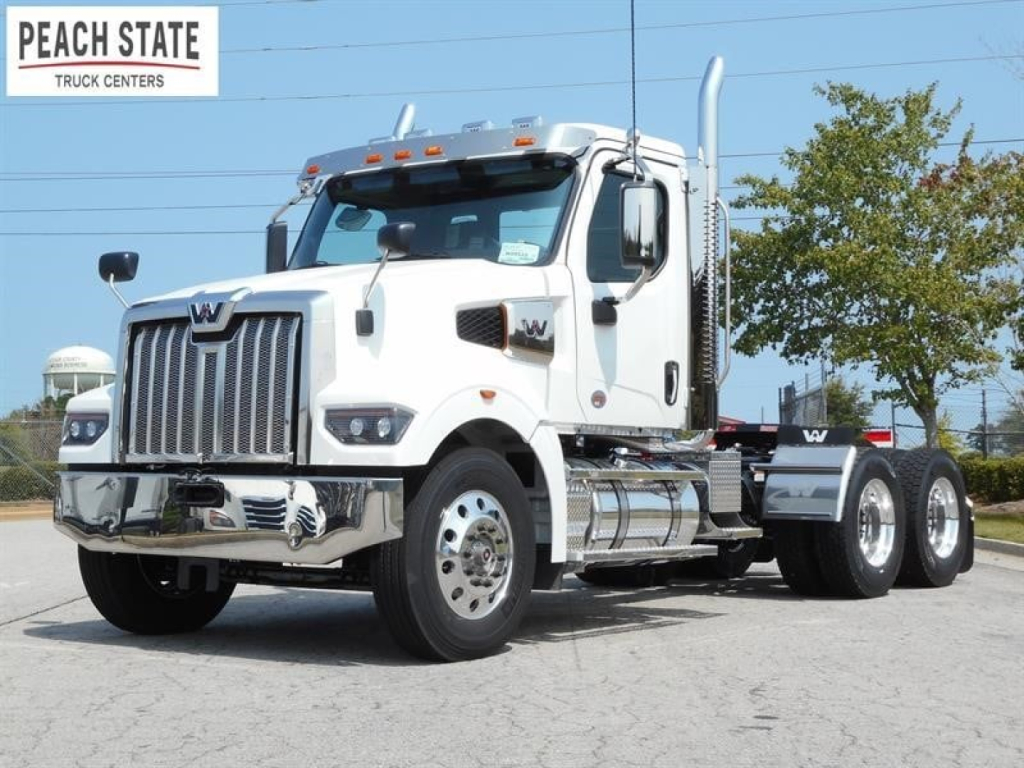
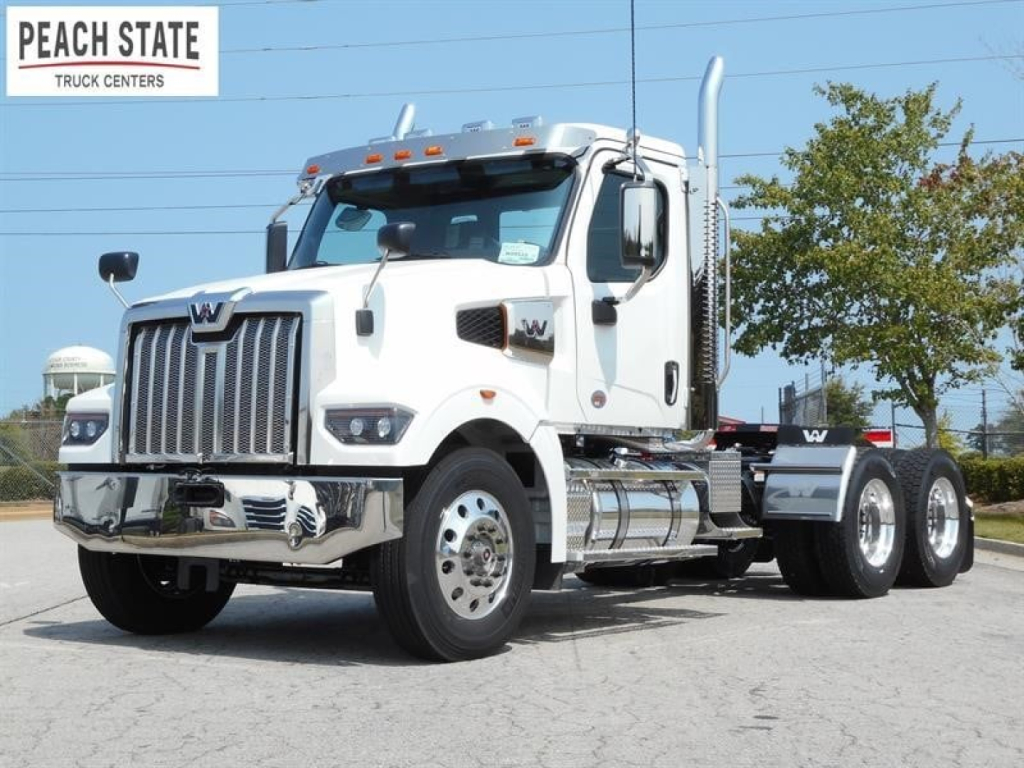
Selling a 2026 day cab truck? List your 2026 day cab truck for sale and reach thousands of commercial buyers.
2026 Day Cab Trucks in Georgia
The first spec decision is usually application-driven: highway regional hauling, vocational crossover use, or heavy local work. Late-model day cabs commonly show up with engines in the 400 to 505 horsepower range, often paired with automated manual transmissions for easier driver onboarding and more consistent fuel economy. Wheelbase is a major factor because it affects bridge law compliance, trailer gap, weight distribution, and maneuverability. A 6x4 tandem axle setup is still the standard for general freight and heavier trailer work, while 6x2 and lighter configurations can make sense in weight-sensitive applications. Buyers should also pay close attention to rear axle ratio, suspension rating, front axle capacity, fifth wheel type, and fuel tank placement, since those details determine how well the truck matches the trailers and lanes it will actually pull.
Cab environment and safety technology have become a bigger part of the buying decision on 2026 models. Many newer day cabs are equipped with collision mitigation, lane departure warning, adaptive cruise functions, and improved camera or onboard video systems. Those features can help with fleet safety goals and insurance conversations, but the basics still matter more: sightlines over the hood, mirror spec, seat comfort, HVAC performance, switch layout, and cab ingress-egress for drivers making repeated stops. Aluminum wheels, disc brakes on some configurations, and integrated powertrain controls are common upgrades that can reduce maintenance time or improve driver acceptance, but buyers should verify service access, parts support, and emissions warranty coverage just as carefully as the option sheet.
For a buyer comparing listings, the best approach is to match the truck to trailer length, average payload, and route profile before getting distracted by brand preference alone. A day cab that spends its life on interstate regional lanes needs different gearing and fuel capacity than one handling dense metro drayage or short distribution loops. Popular models in this class include aerodynamic highway platforms and more vocational-leaning chassis, each with tradeoffs in fuel economy, durability, and driver comfort. The right 2026 day cab truck should deliver a strong balance of turning ability, legal payload, driver-friendly controls, and a powertrain spec that fits Georgia freight conditions instead of being overbuilt or under-trucked for the job.
Frequently Asked Questions about 2026 Day Cab Trucks in Georgia
What is a day cab truck used for?
A day cab truck is used for local and regional hauling where the driver does not need a sleeper berth. Common applications include dedicated freight lanes, port drayage, LTL operations, food and beverage delivery, dump and vocational trailer work, and distribution center shuttles. The shorter cab improves maneuverability and usually reduces tare weight compared with a sleeper tractor.
What specs matter most when buying a 2026 day cab truck?
The most important specs are engine horsepower and torque, transmission type, axle configuration, wheelbase, rear axle ratio, suspension rating, and fifth wheel setup. Those items determine how the truck handles payload, trailer type, turning radius, bridge compliance, and fuel economy. Buyers should also confirm front axle capacity, fuel capacity, brake spec, and any active safety systems if the truck will run in dense traffic or dedicated fleet service.
Is a day cab better than a sleeper for regional freight?
A day cab is often the better choice for regional freight when the operation returns drivers to the terminal daily or runs short out-and-back routes. It is typically lighter, easier to maneuver, and simpler to maintain than a sleeper tractor. A sleeper makes more sense when runs regularly require overnight stays, longer dwell time, or extra storage for the driver.
What wheelbase should I look for on a day cab?
The right wheelbase depends on trailer length, axle spacing requirements, and the operating environment. Shorter wheelbases generally improve maneuverability in urban areas, yards, and port applications, while longer wheelbases can help with ride quality, trailer gap, and weight distribution on highway runs. Buyers should match wheelbase to kingpin setting, trailer swing clearance, and state bridge requirements rather than treating one measurement as ideal for every job.
Are automated transmissions common in newer day cab trucks?
Yes, automated manual transmissions are now very common in newer day cab trucks, especially in fleet and regional applications. They help standardize shifting, reduce clutch-related driver fatigue, and can improve fuel economy when paired correctly with the engine and rear axle ratio. They also make driver onboarding easier, although some operations still prefer manual transmissions for specific vocational or driver-preference reasons.