
2026 Commercial Trucks For Sale in Arkansas
Browse 2026 trucks for sale in Arkansas, including day cabs, dump trucks, and box trucks with current powertrain and body options.
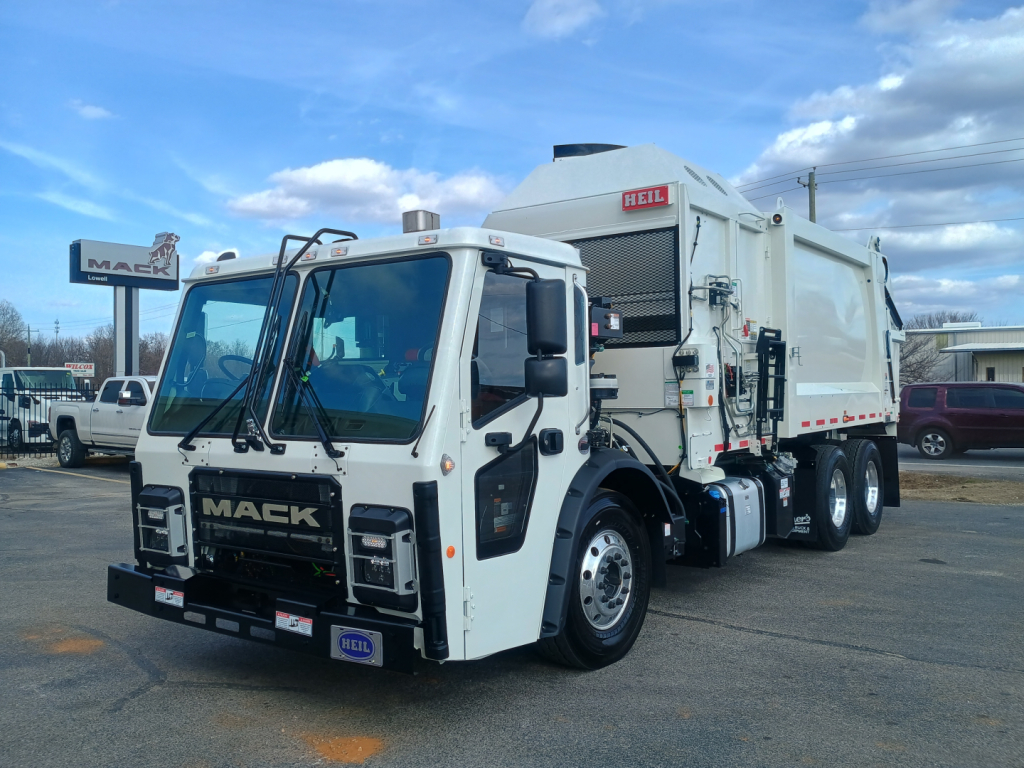
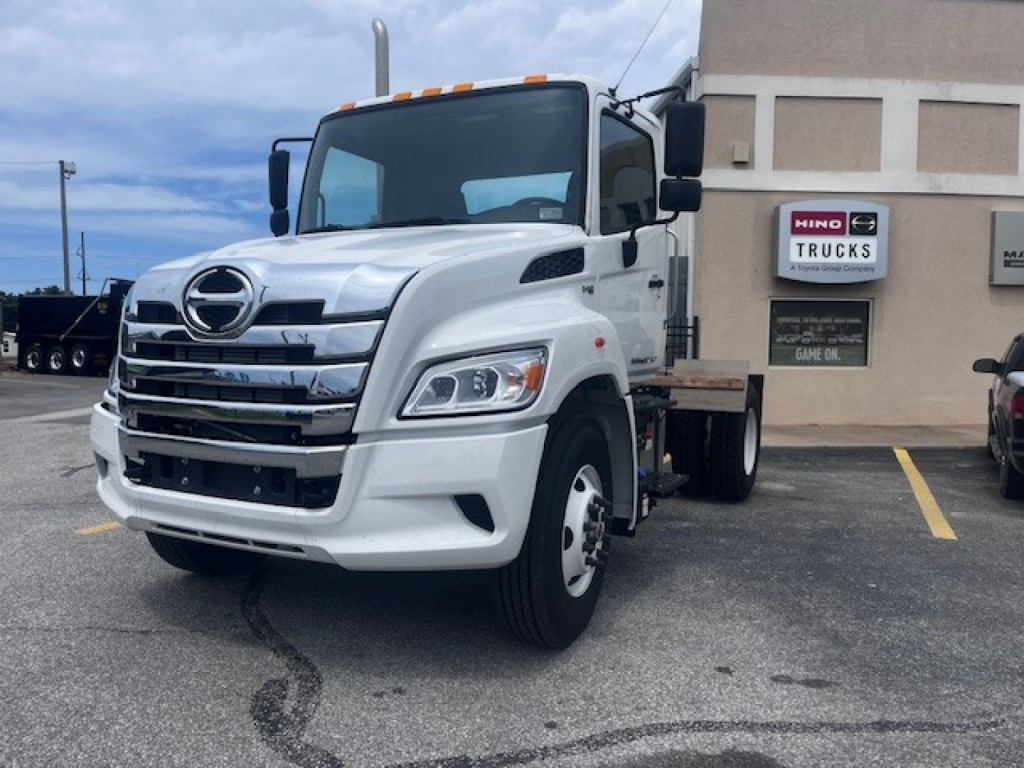
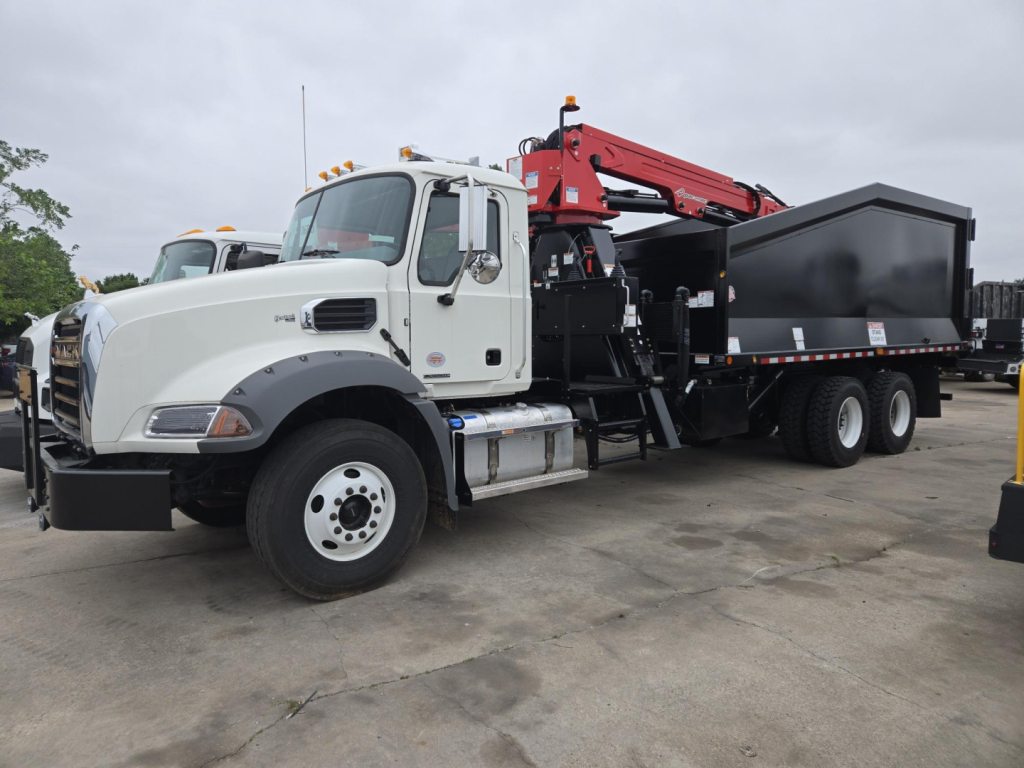
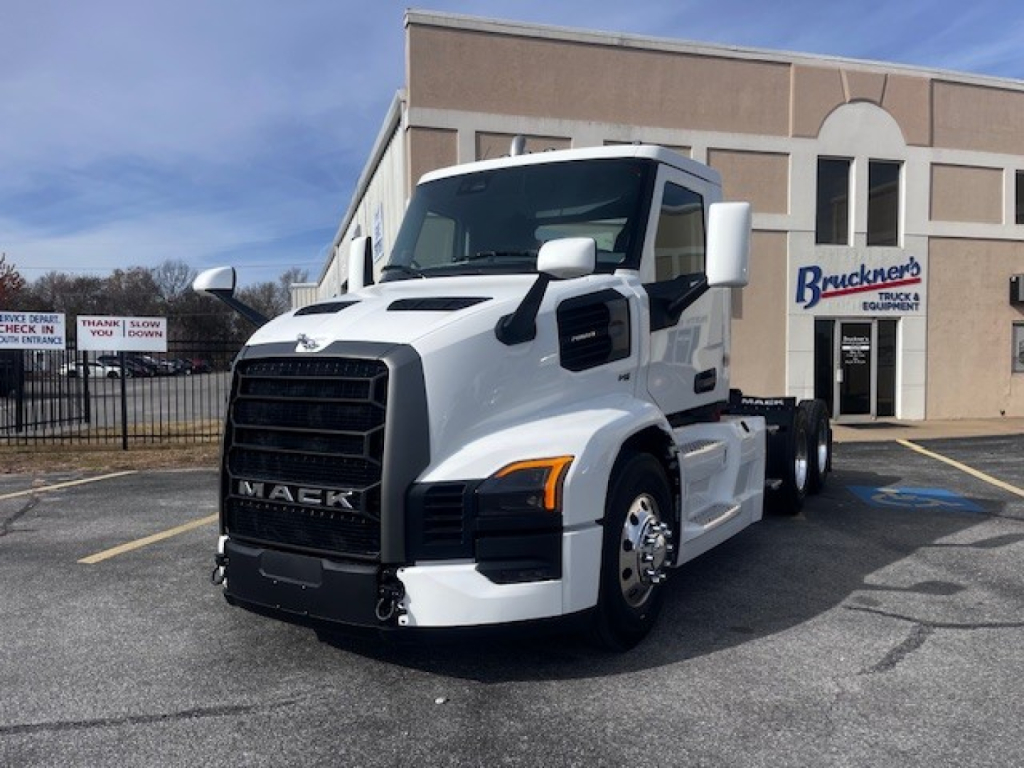
Selling a 2026 commercial truck? List your 2026 commercial truck for sale and reach thousands of commercial buyers.
2026 Commercial Trucks in Arkansas
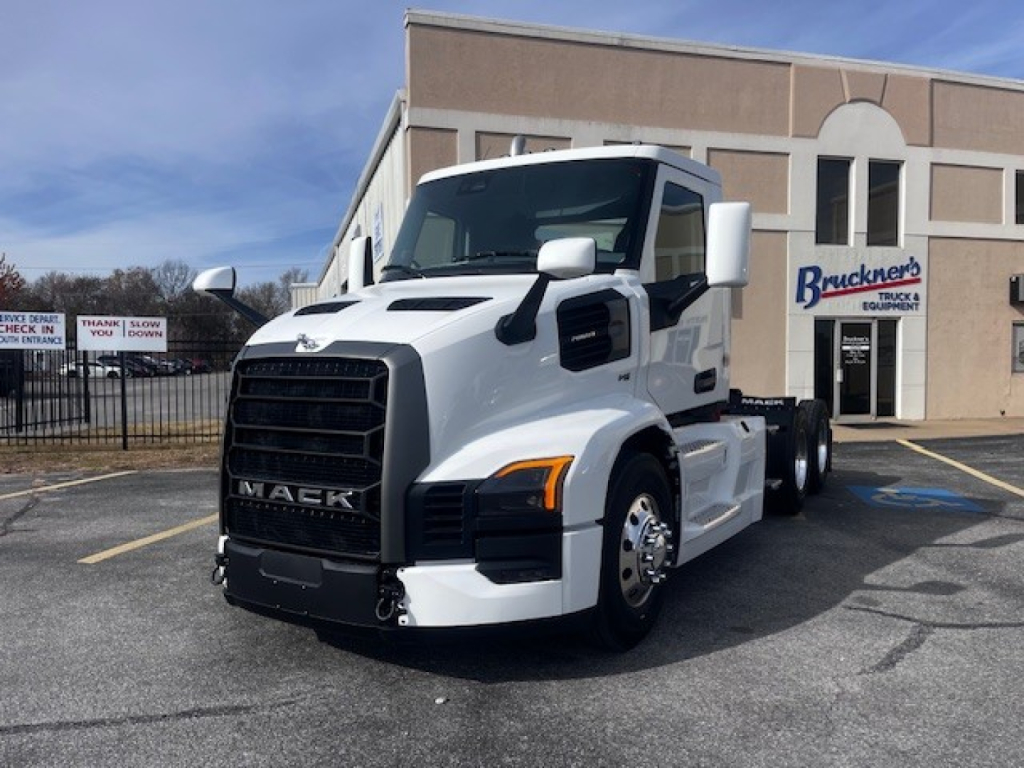
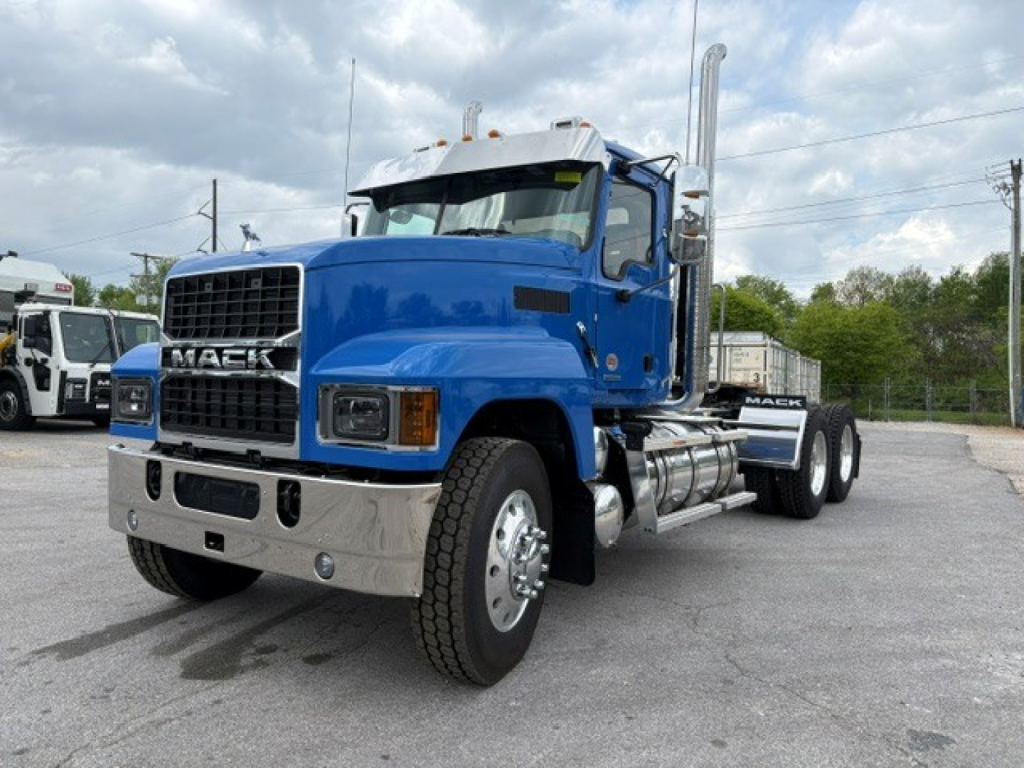
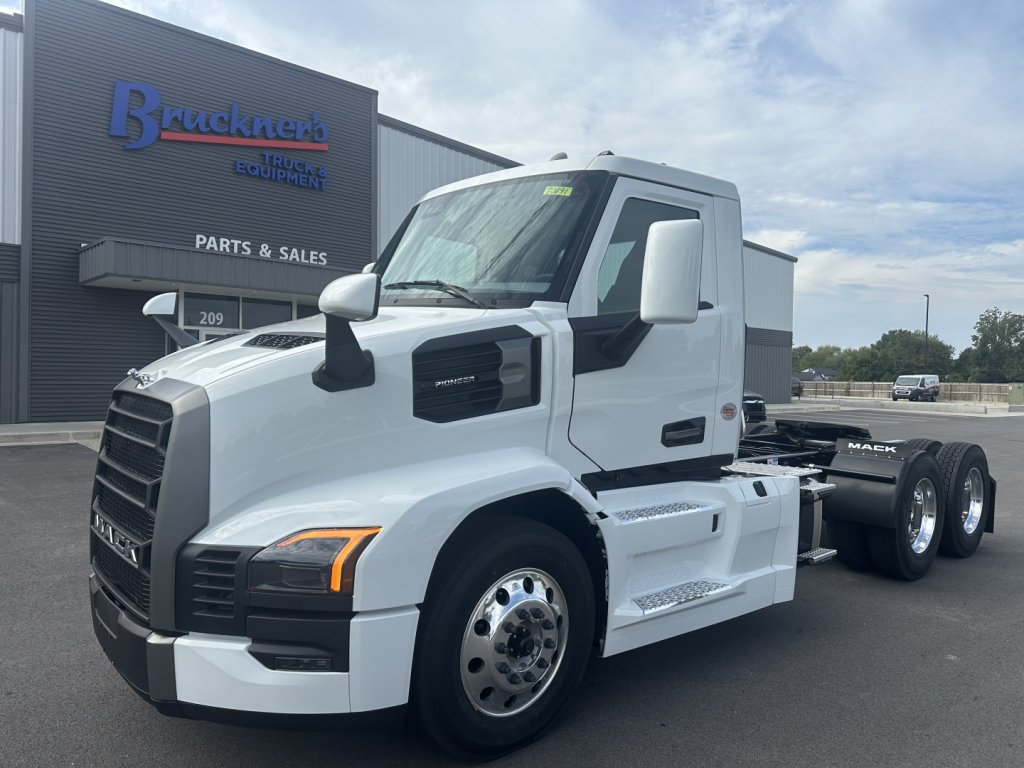
For highway and regional freight, a 2026 day cab tractor is often spec'd around engine horsepower, transmission type, rear axle ratio, and brake package. A typical setup may include a 12,000 to 13,200 pound front axle, 38,000 to 40,000 pound rears, and an automated manual transmission paired with a fuel-efficient direct-drive or overdrive ratio. Buyers running Arkansas interstates and short regional lanes usually focus on wheelbase, fifth wheel position, and gearing that fit both maneuverability and cruising efficiency. Disc brakes, aluminum wheels, and modern driver-assist features can also matter if the truck will see frequent stop-and-go work or high annual miles.
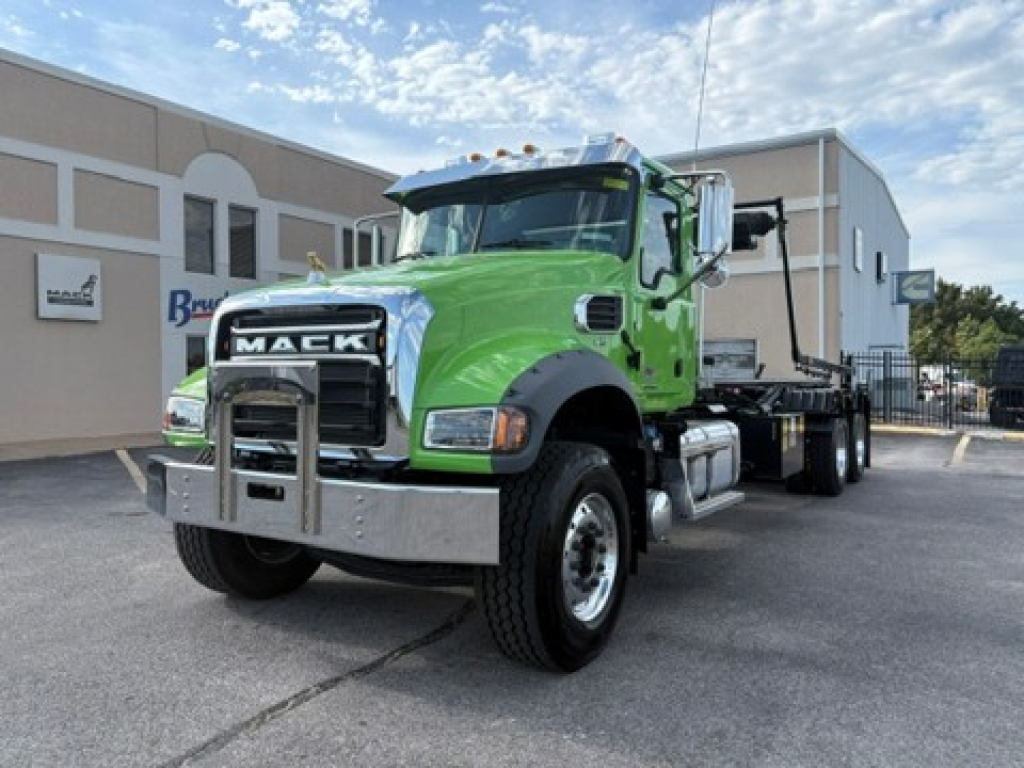
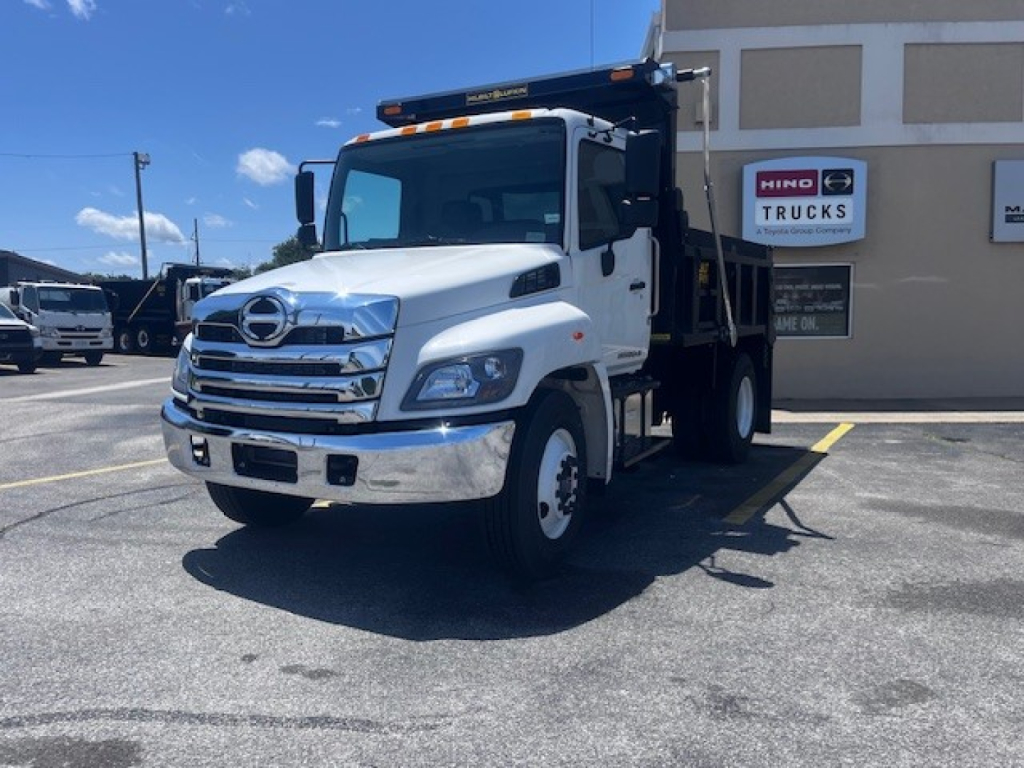
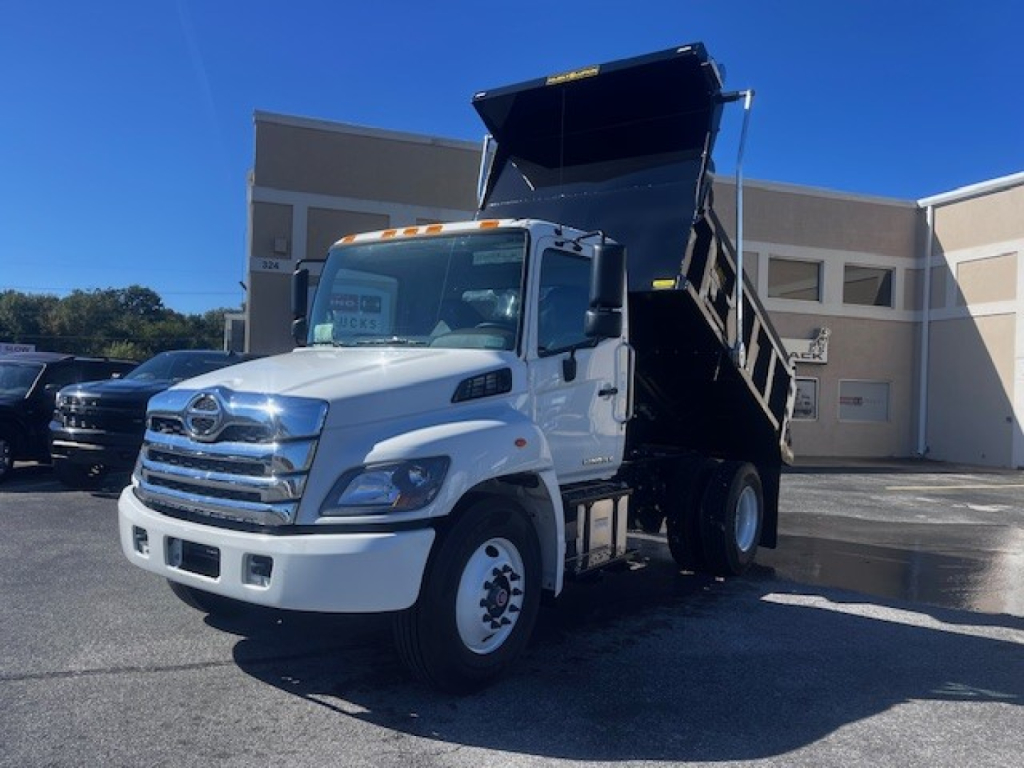
Vocational 2026 trucks require a different buying lens. Dump trucks need close attention to body capacity, hoist configuration, axle spread, suspension, PTO compatibility, and whether the chassis is built for severe-duty service. Box trucks are often judged by body length, interior cube, liftgate capacity, door configuration, and whether the engine and transmission are matched for urban delivery cycles. In Arkansas, buyers may also consider how a truck is spec'd for mixed terrain, jobsite access, and seasonal weather changes that can affect traction, tire choice, and brake wear. A truck that looks similar on paper can perform very differently depending on frame reinforcement, spring capacity, and intended body application.
The strongest 2026 truck value usually comes from matching the spec to the work instead of buying only by badge or horsepower. Check the GVWR or GCWR first, then confirm axle ratings, suspension type, cab configuration, fuel capacity, and body or fifth wheel setup. Engine families from major builders such as Mack and Cummins remain common in this class, often paired with Allison automatic or automated manual transmissions depending on the application. For buyers comparing multiple 2026 trucks in Arkansas, the important question is not just what the truck is, but what duty cycle it was built to handle day after day.
Frequently Asked Questions about 2026 Commercial Trucks in Arkansas
What types of 2026 trucks are most common for sale in Arkansas?
The most common 2026 trucks in Arkansas usually include conventional day cab tractors, dump trucks, and box trucks. Day cabs are popular for local and regional hauling, dump trucks are widely used in construction and aggregate work, and box trucks are common in delivery and route service. The exact mix depends on local industries, but these categories cover much of the commercial truck demand in the state.
What should I check first when comparing 2026 day cab tractors?
Start with the truck’s intended duty cycle and then verify horsepower, torque, transmission type, rear axle ratio, axle ratings, and wheelbase. These specs determine how the truck will pull, cruise, turn, and carry weight. Buyers should also review brake type, suspension, and fifth wheel position because those details affect trailer compatibility, maintenance cost, and driver productivity.
Are 2026 box trucks mainly built for local delivery work?
Most 2026 box trucks are configured for local or regional delivery, but the right application depends on body length, GVWR, liftgate rating, and drivetrain. A medium-duty box truck with a van body and liftgate is well suited for route delivery, appliance hauling, beverage work, and general freight that requires dock or curbside unloading. Body construction, floor capacity, and cargo access matter just as much as engine power in this segment.
What matters most on a 2026 dump truck spec?
On a 2026 dump truck, buyers should focus on axle configuration, suspension, frame strength, PTO setup, hoist type, body material, and legal payload capacity. These trucks are built for demanding stop-start cycles and off-road or mixed-surface use, so the severe-duty chassis spec is critical. A truck with the right engine but the wrong suspension or frame reinforcement can still be a poor fit for construction or aggregate work.
Why does transmission choice matter on 2026 trucks?
Transmission choice affects drivability, maintenance, fuel economy, and jobsite performance. Automated manual transmissions are common in tractors because they balance efficiency with driver ease of use, while Allison automatic transmissions remain popular in delivery and vocational applications that involve frequent starts, stops, and PTO work. The best choice depends on route type, driver pool, terrain, and the amount of low-speed work the truck will perform.