
2026 Mack Trucks For Sale in Arkansas
Shop 2026 Mack trucks for sale in Arkansas, including highway, vocational, mixer, and daycab configurations with current Mack powertrain options.
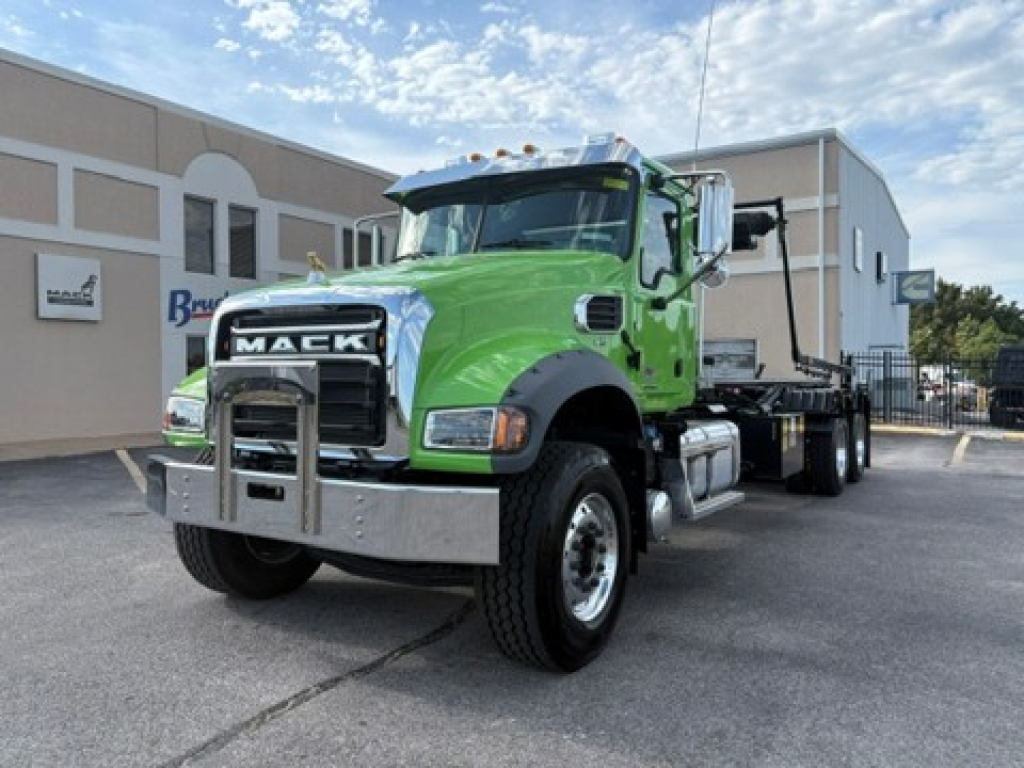
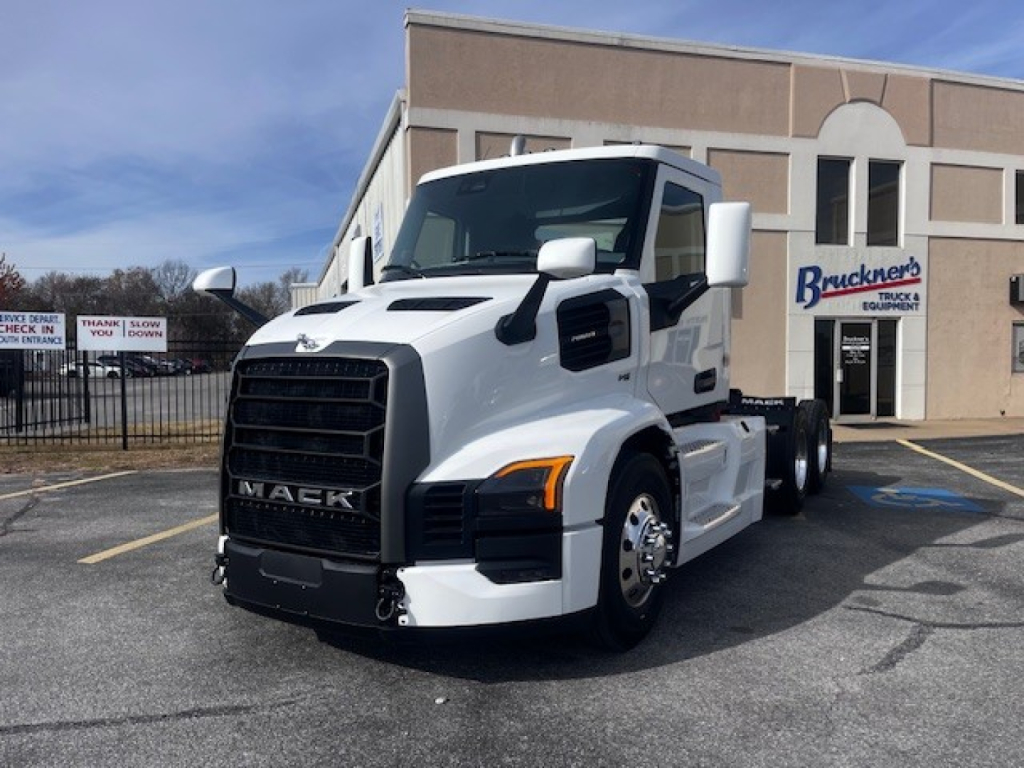
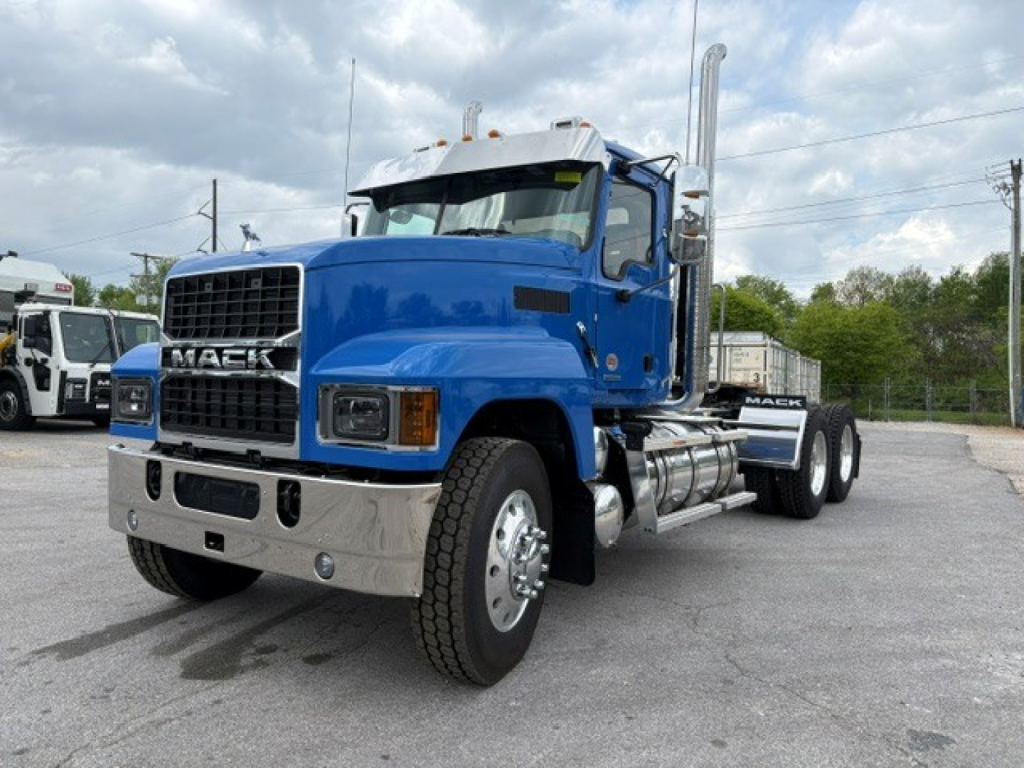
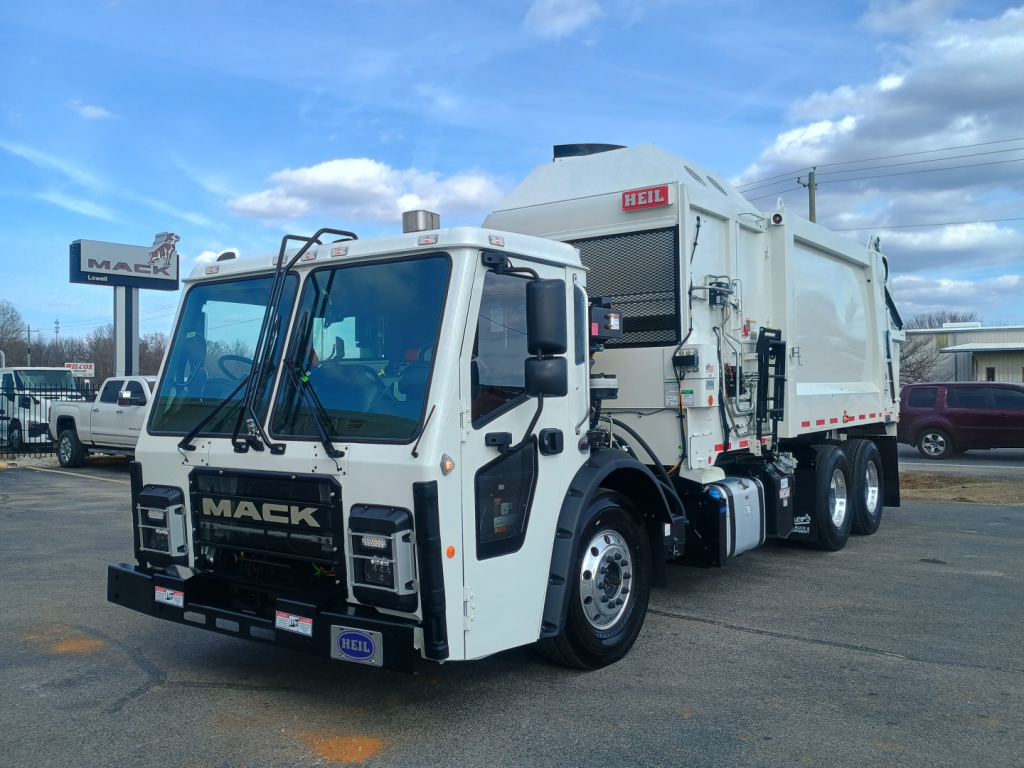
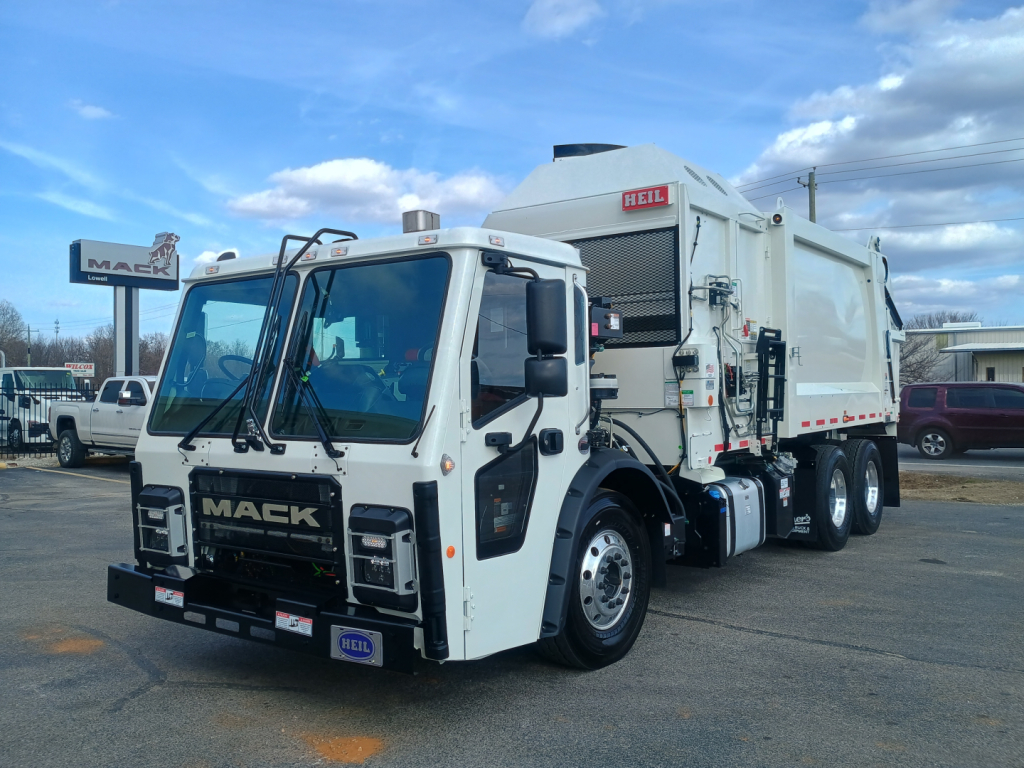
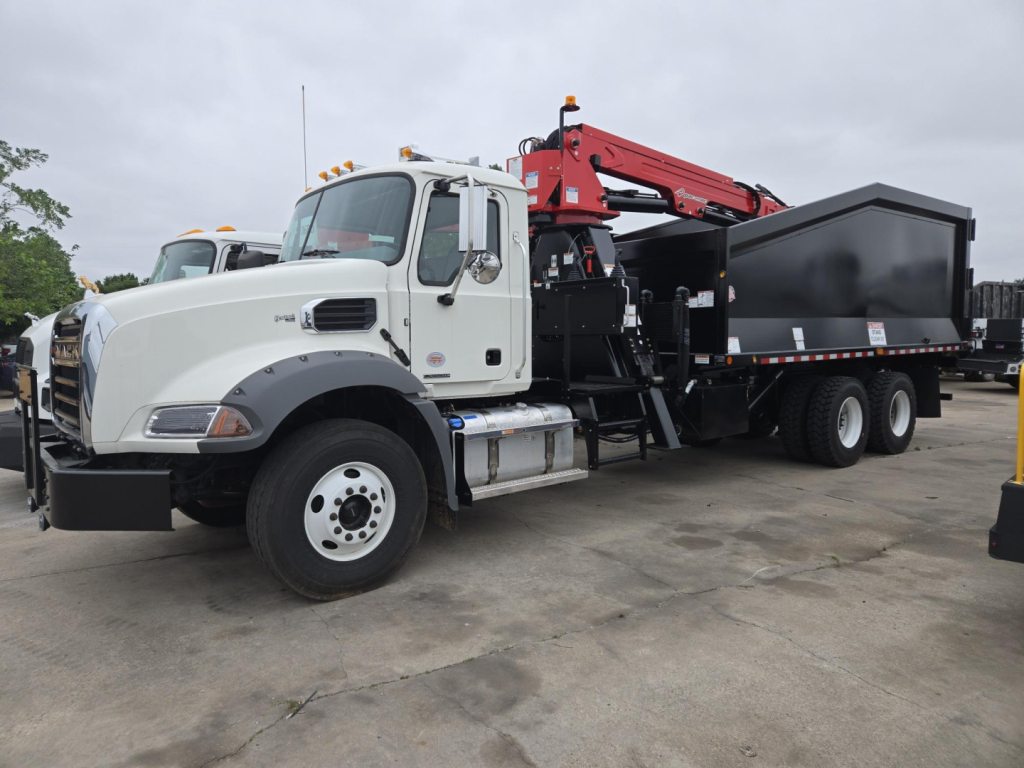
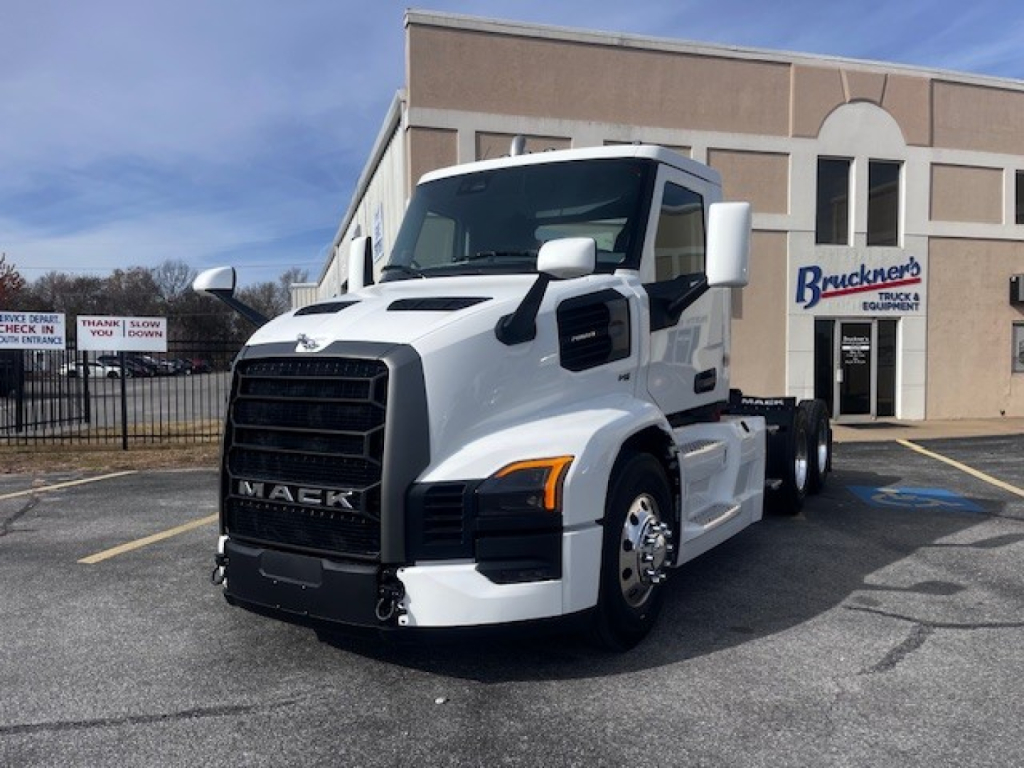
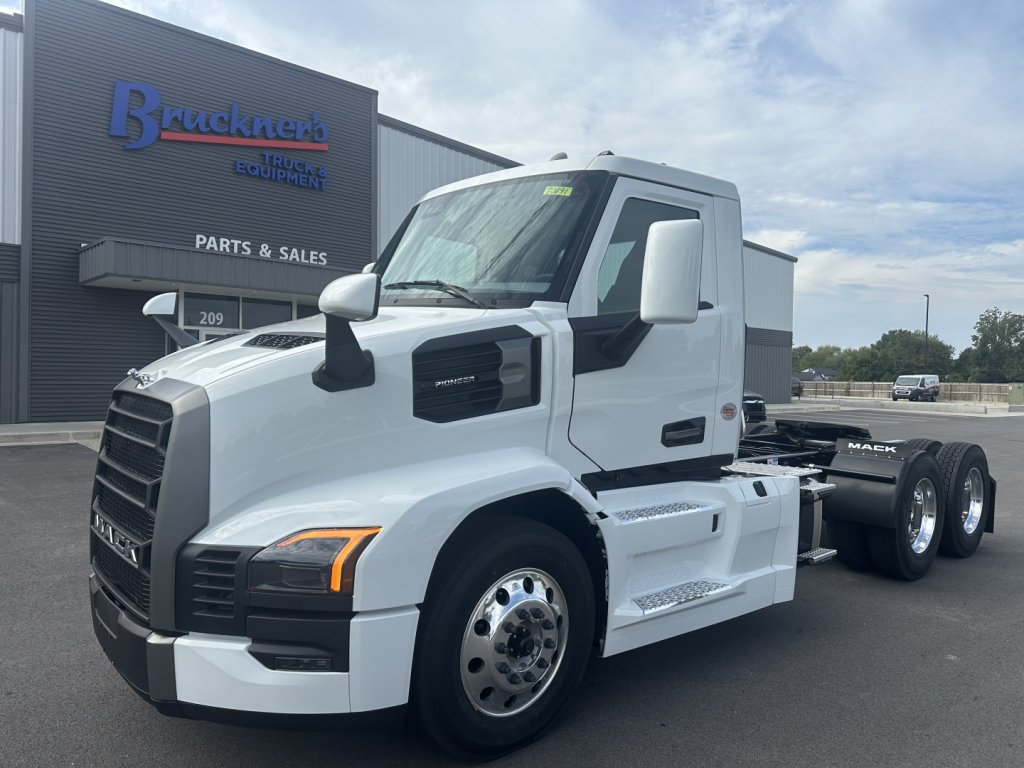
Selling a 2026 mack truck? List your 2026 mack truck for sale and reach thousands of commercial buyers.
2026 Mack Trucks in Arkansas
Current Mack truck specs often center around Mack integrated powertrains, including MP series diesel engines and the mDRIVE automated manual transmission. Buyers comparing newer Mack models usually pay close attention to horsepower and torque ratings, rear axle ratios, suspension type, and front axle capacity. For tractor applications, common decision points include daycab versus sleeper, 6x4 layout, fifth wheel placement, and enough frame and wheelbase room for headache racks, wet kits, hydraulic tanks, or other vocational add-ons. For severe-duty work, Mack models such as Granite and Pioneer-related configurations are often considered for their heavier front axles, vocational frame options, and body-builder flexibility.
Mack trucks have long been known for rugged chassis design, strong vocational support, and factory integration between engine, transmission, and driveline components. That matters to buyers who want predictable performance under load and simpler service planning across the fleet. A mixer or construction spec may call for a set-forward axle, higher GVWR, double frame, heavy rears, and PTO programming, while a regional daycab may be focused more on fuel economy, driver visibility, maneuverability, and maintenance access. Interior layout, driver-assist features, and emissions system serviceability also matter more on late-model trucks, especially for fleets trying to reduce downtime.
When comparing 2026 Mack trucks for sale, look beyond model names and focus on the build sheet. Engine brake rating, suspension brand, wheelbase, tire size, frame reinforcement, and electrical provisions can have a bigger effect on real-world performance than badge alone. Buyers in Arkansas often need trucks that can handle heat, short-haul stop-and-go work, and occasional off-pavement conditions without giving up road speed or payload efficiency. A well-matched Mack spec can serve as a highway tractor, a vocational daycab, a concrete mixer, or a specialized chassis for body installation, depending on how the truck is configured.
Frequently Asked Questions about 2026 Mack Trucks in Arkansas
What should I look for first when buying a 2026 Mack truck?
Start with the intended job, then verify the truck’s axle layout, wheelbase, horsepower, torque, transmission, and suspension against that application. A highway daycab, mixer, dump, and PTO-ready vocational chassis can all carry the Mack name but perform very differently. The build sheet matters more than the model badge because wheelbase, front axle rating, rear ratio, frame spec, and PTO capability determine how useful the truck will be once it is put to work.
Are 2026 Mack trucks good for vocational and construction use?
Yes. Mack has a strong reputation in vocational service, especially for construction, aggregate, concrete, refuse, and other severe-duty applications. Buyers often choose Mack for heavy front axle options, durable chassis design, integrated driveline packages, and body-builder support. The best vocational spec will usually include the right frame reinforcement, suspension setup, PTO provisions, and axle capacities rather than just higher horsepower alone.
What engines and transmissions are common in newer Mack trucks?
Many newer Mack trucks are equipped with Mack MP series diesel engines paired with Mack mDRIVE automated manual transmissions. This combination is popular because it is designed as an integrated powertrain, which can help with drivability, shift logic, and service consistency across a fleet. Final engine rating and transmission programming should still be checked closely because the right calibration for regional haul is not always the right fit for heavy vocational work.
Is a Mack daycab a good choice for Arkansas routes?
A Mack daycab can be a strong fit for Arkansas operations that involve regional haul, port work, construction support, local delivery, or repeated same-day runs. Daycabs are easier to maneuver, generally lighter than sleeper tractors, and often leave more flexibility for PTO equipment or vocational accessories depending on wheelbase and frame layout. The key is making sure the rear axle ratio, suspension, and cab configuration match the mix of interstate travel, local roads, and loaded starts the truck will see.
Why is wheelbase so important on a Mack truck?
Wheelbase affects turning radius, bridge law compliance, body fitment, driveline geometry, and room for accessories like wet kits, hydraulic tanks, battery boxes, and headache racks. On vocational Mack trucks, wheelbase can also determine whether a body installer has enough usable frame for the intended equipment. On tractors, it influences weight distribution and how easily the truck can be adapted for specialized hauling or PTO-driven applications.