
2026 Mack Trucks For Sale
Shop 2026 Mack trucks for sale, including vocational and highway models with MP engines, durable chassis specs, and driver-focused cabs.
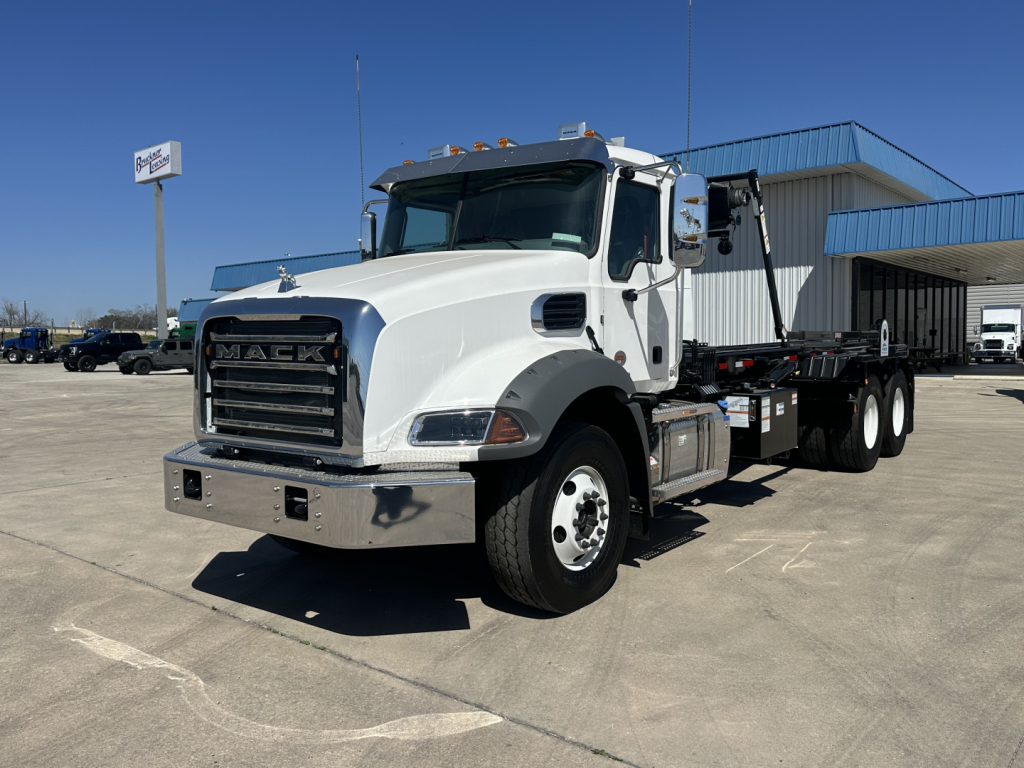
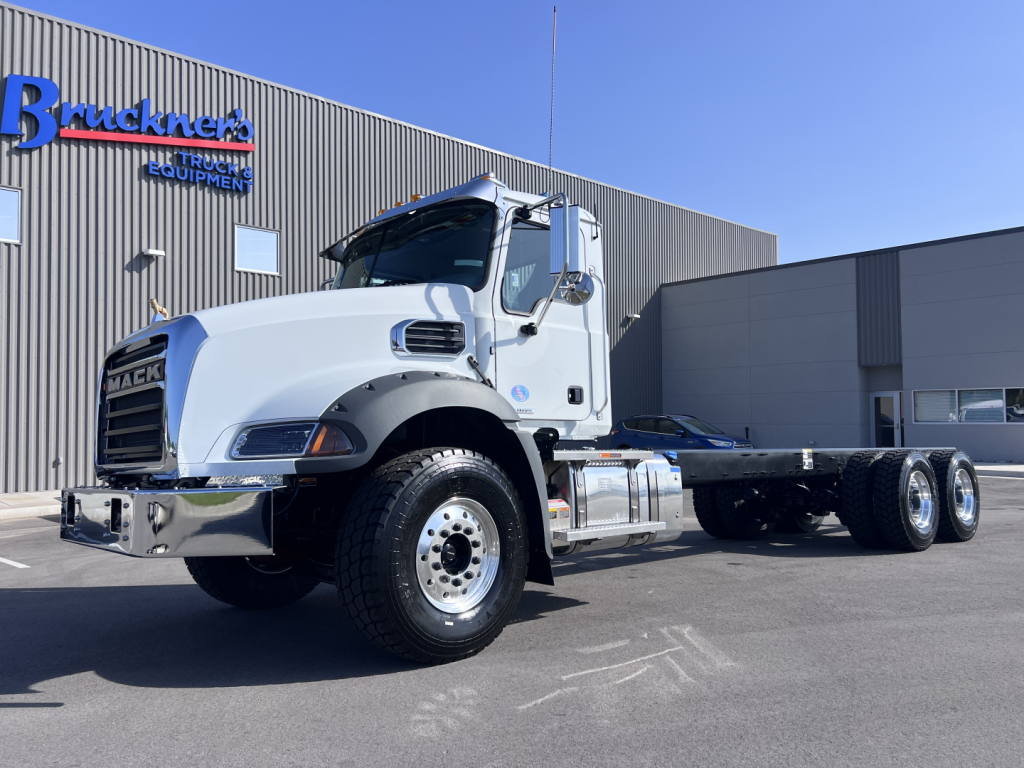
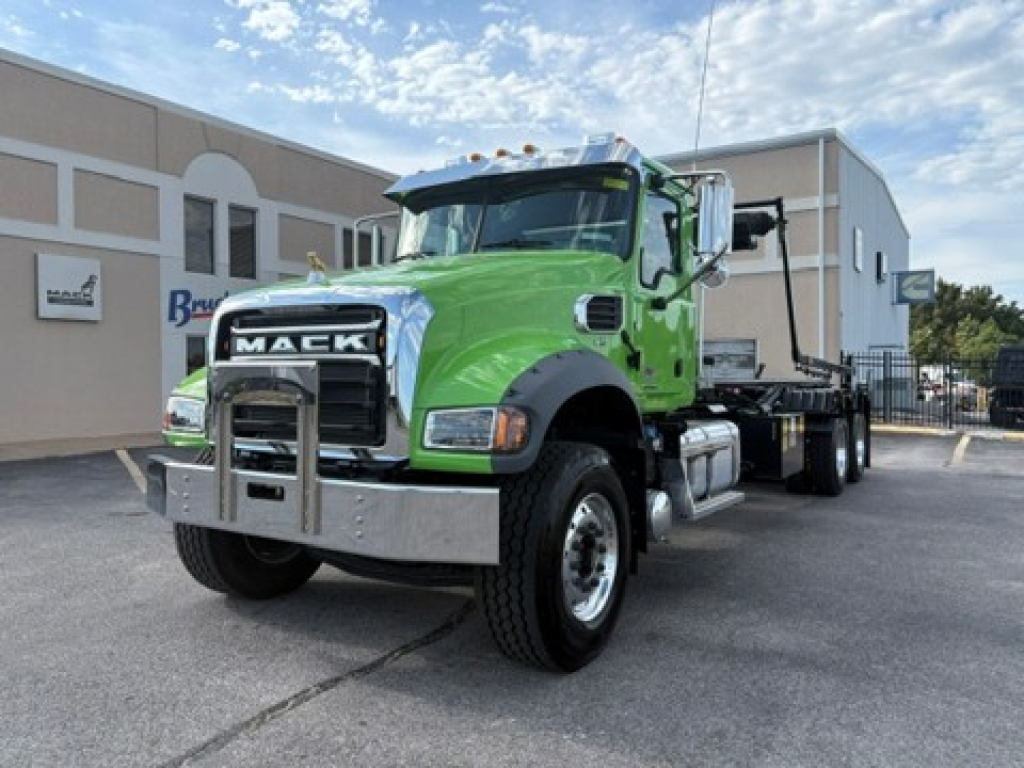
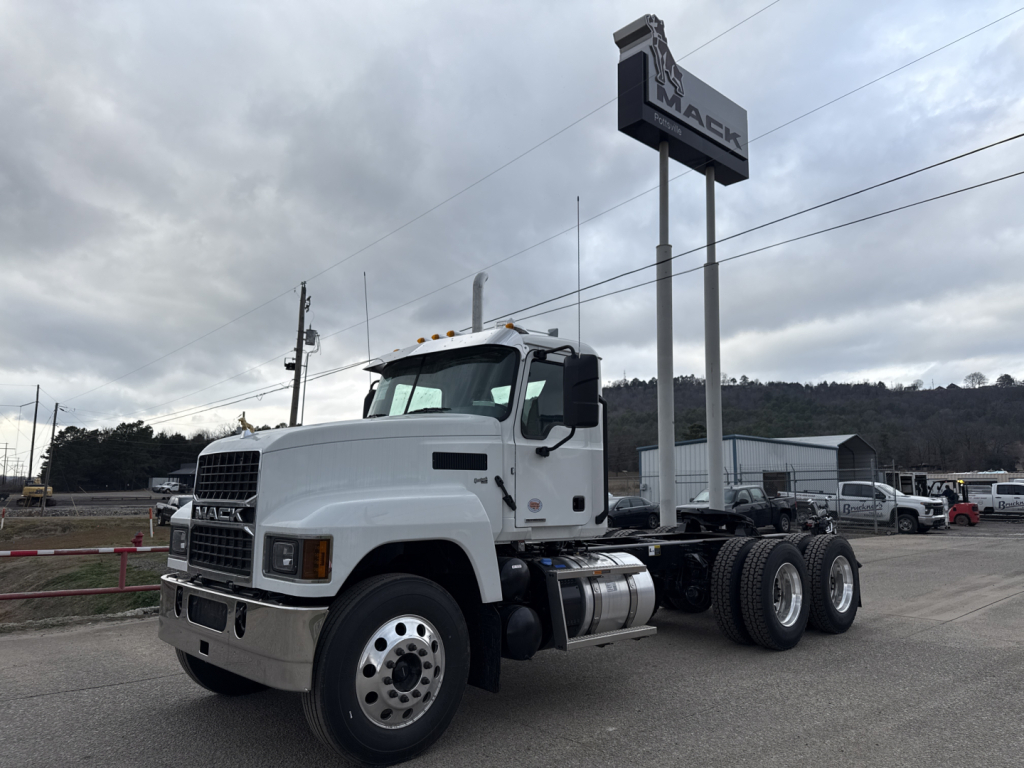
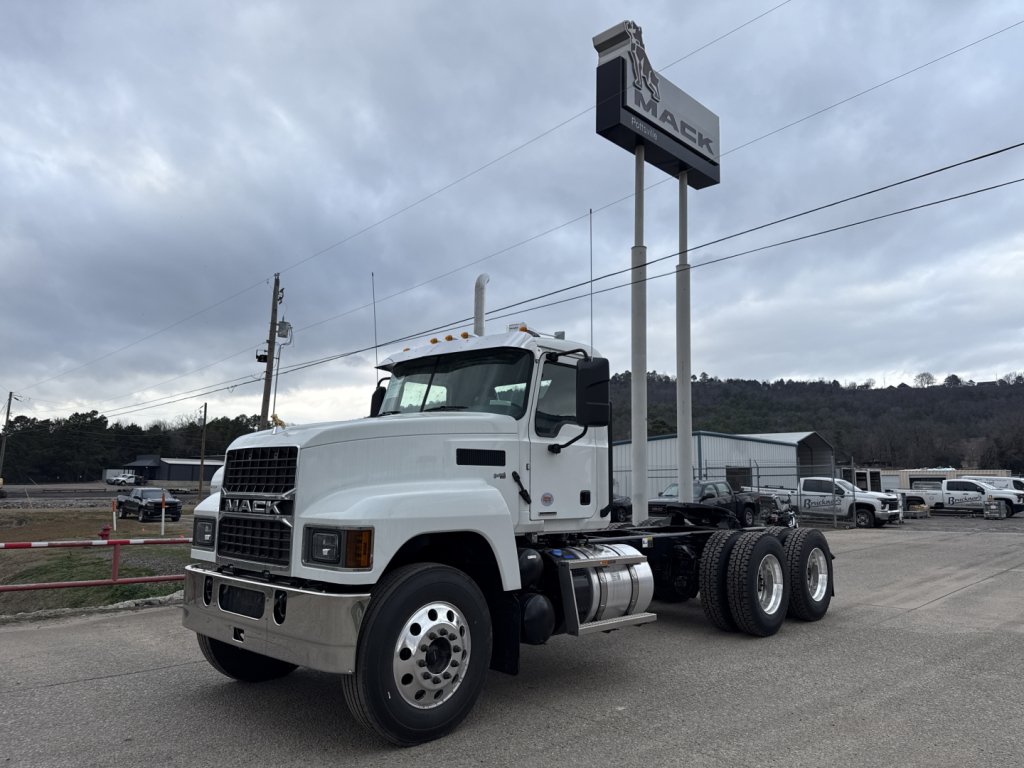
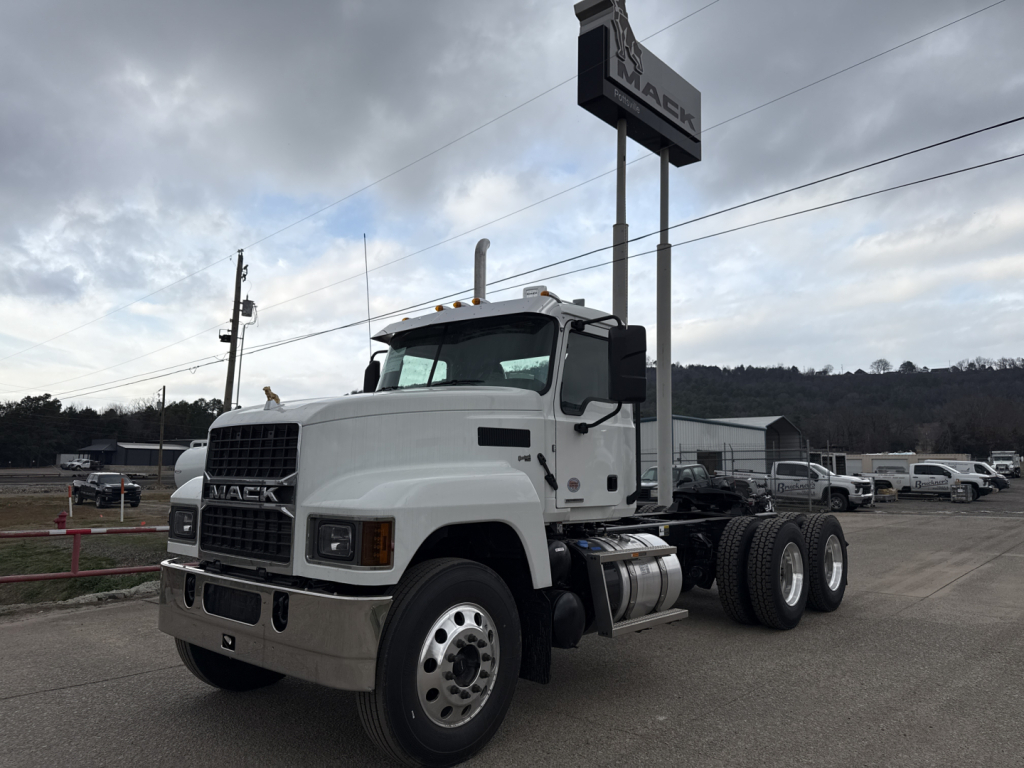
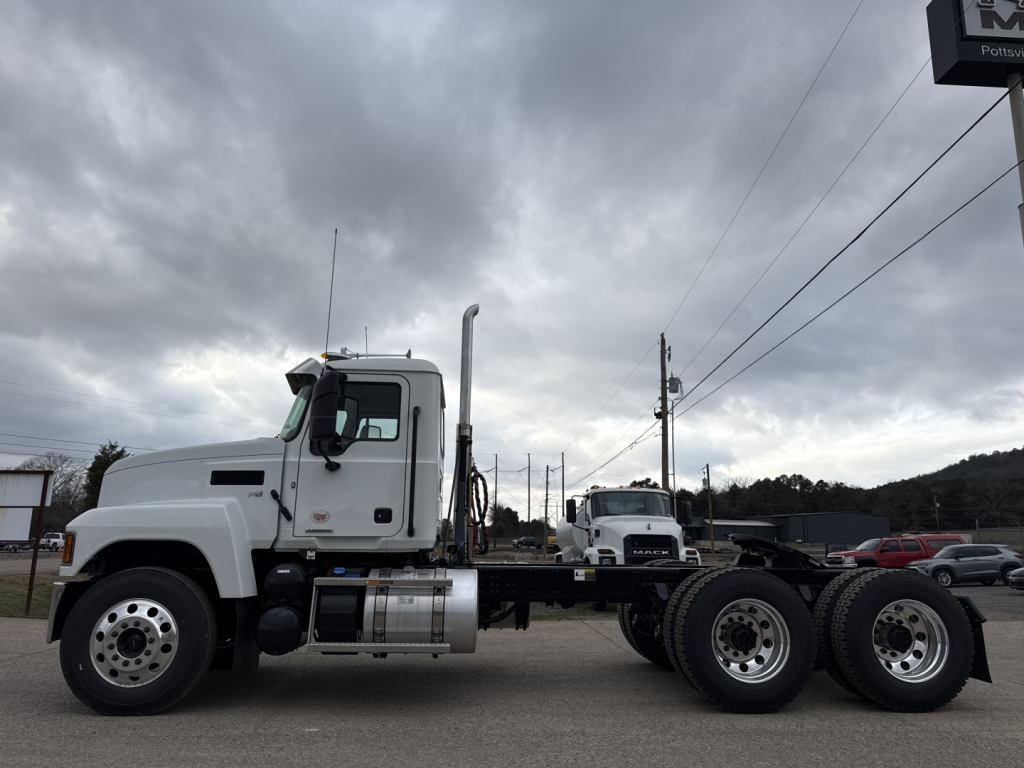
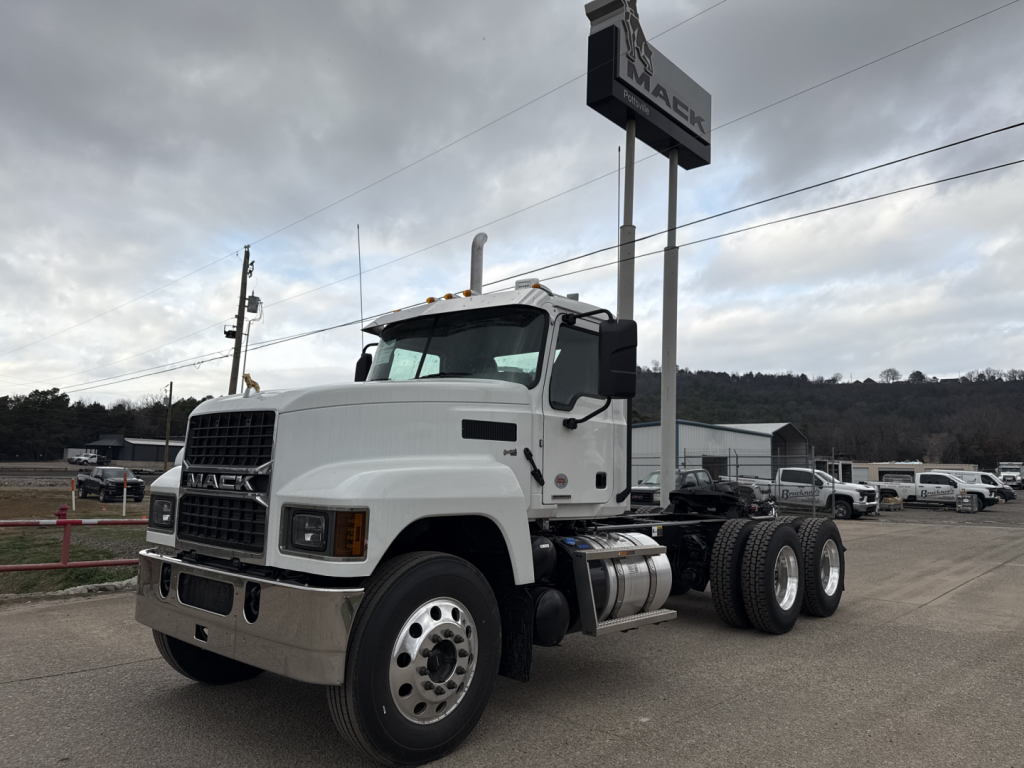
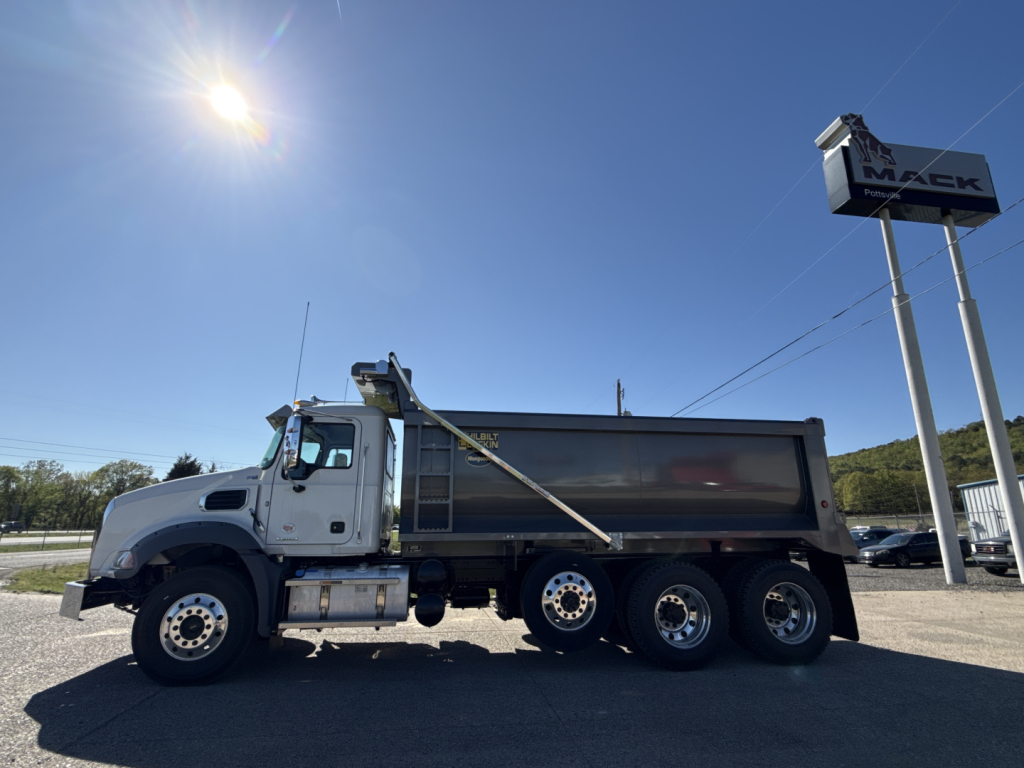
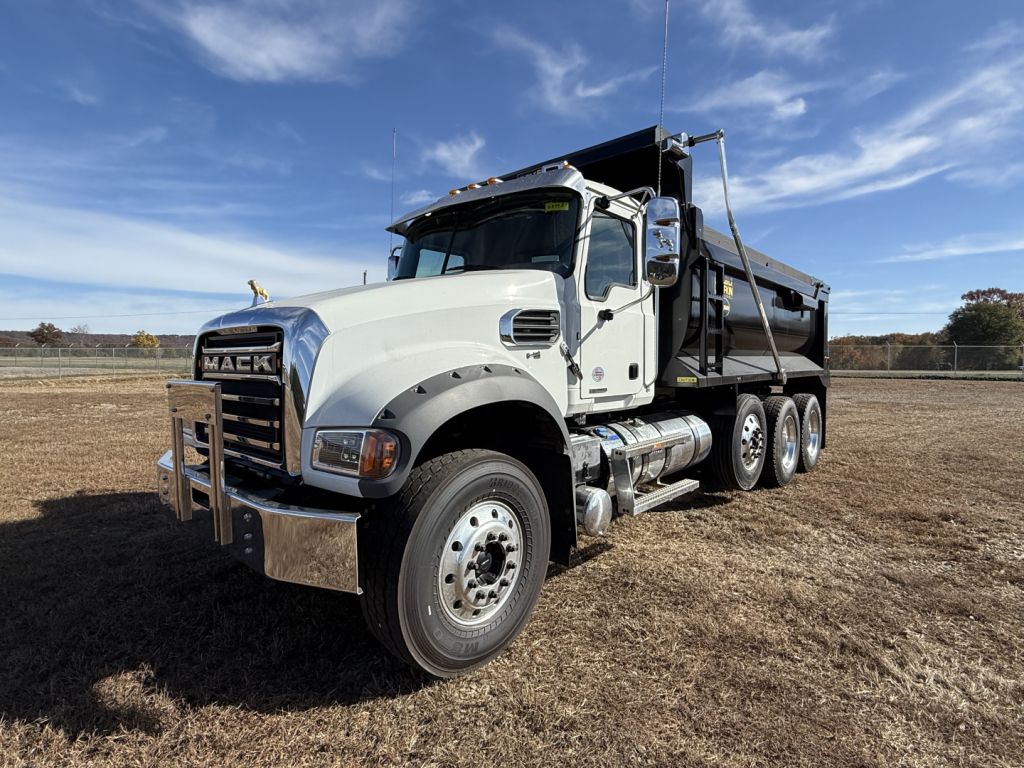
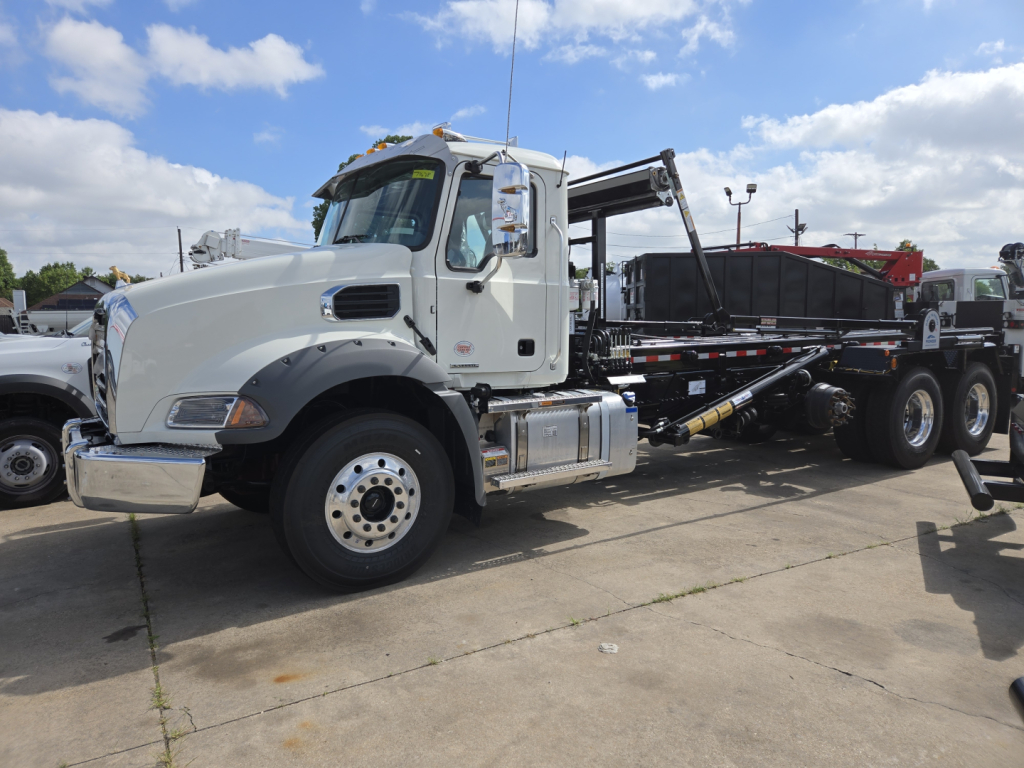
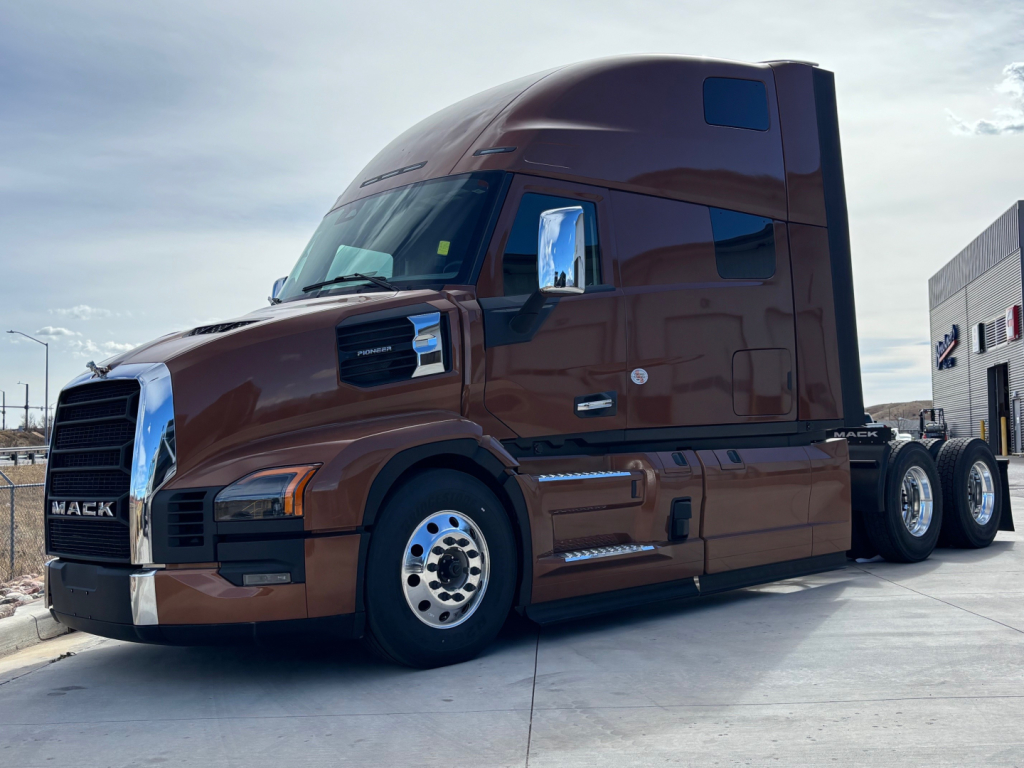
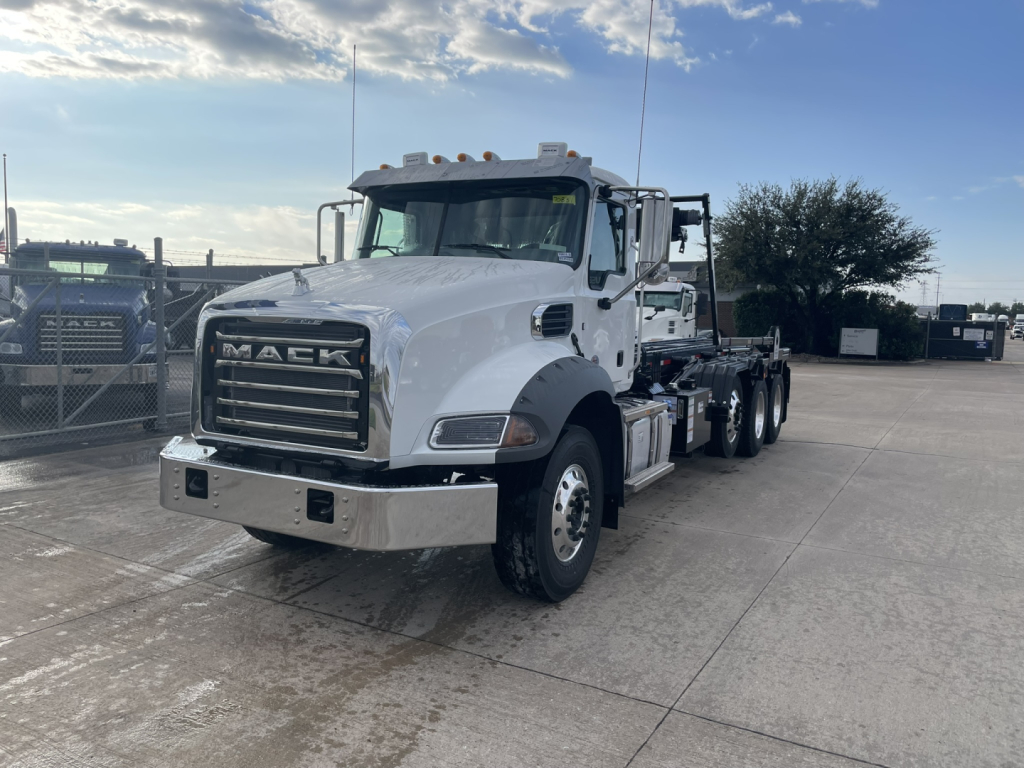
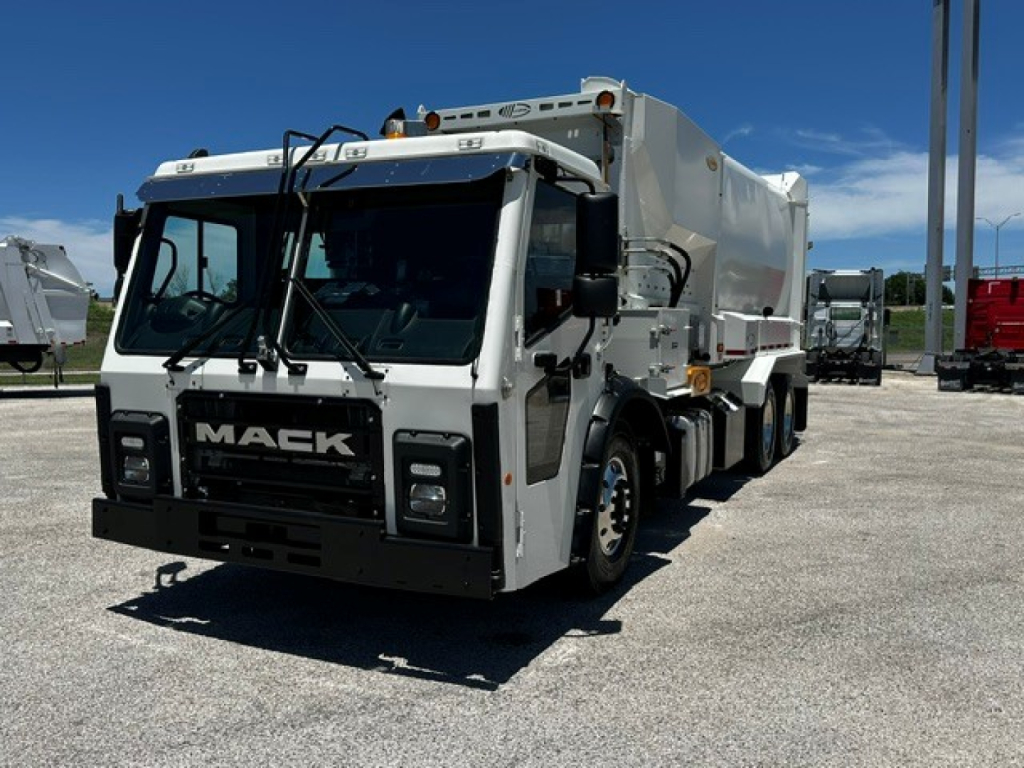
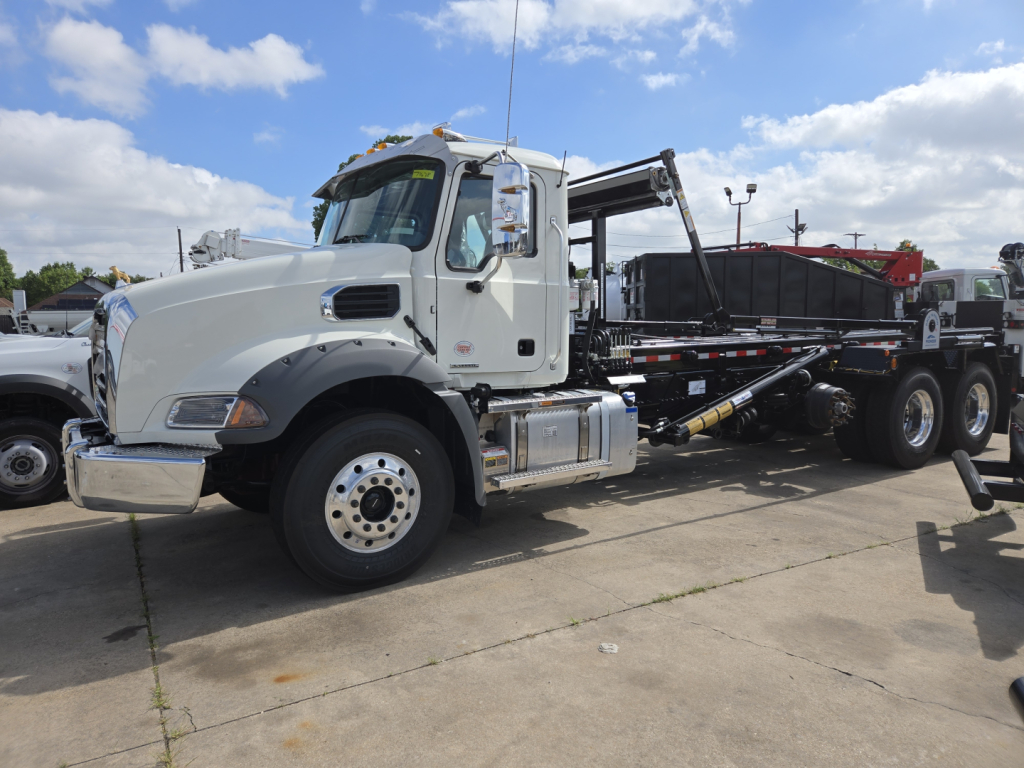
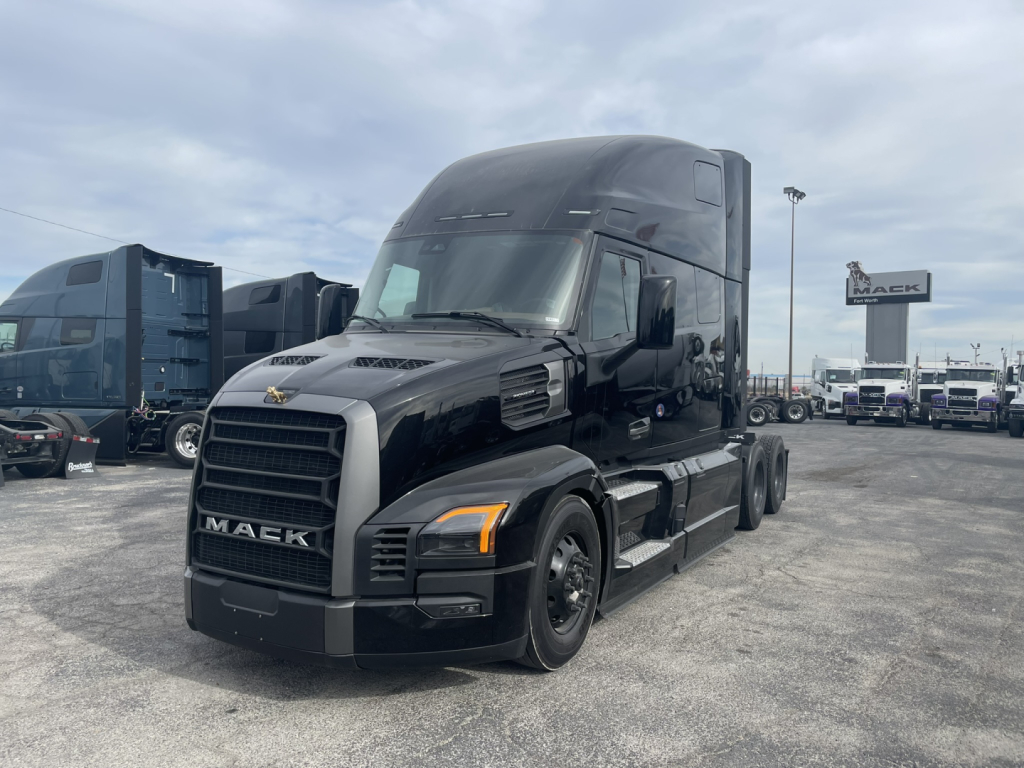
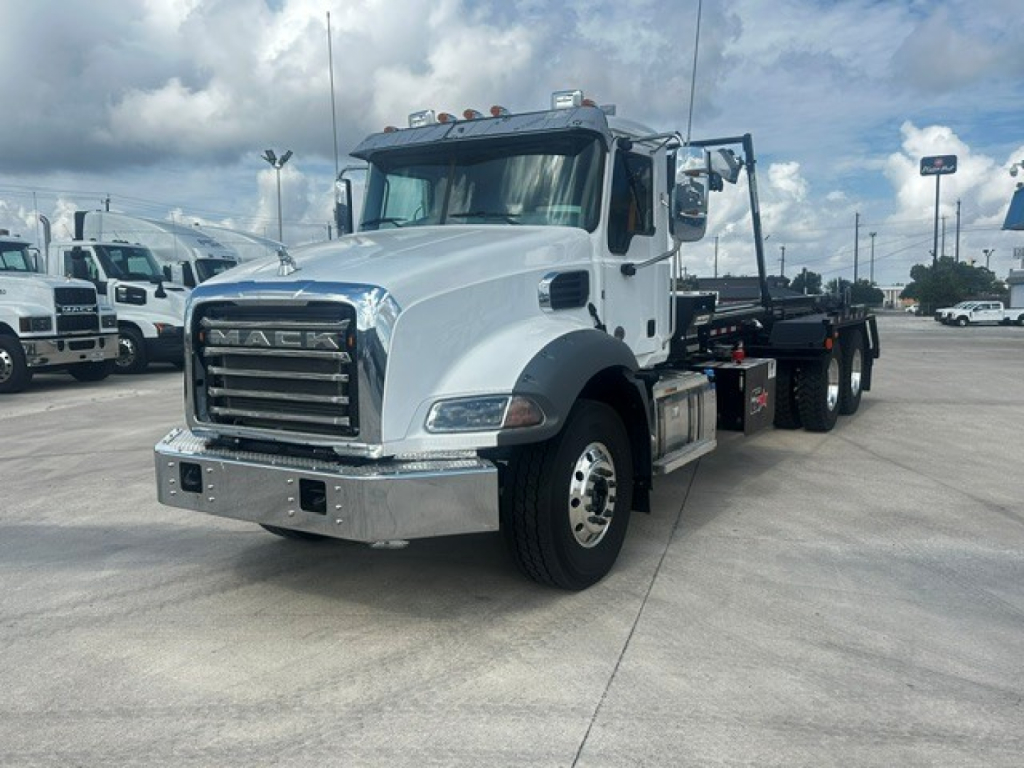
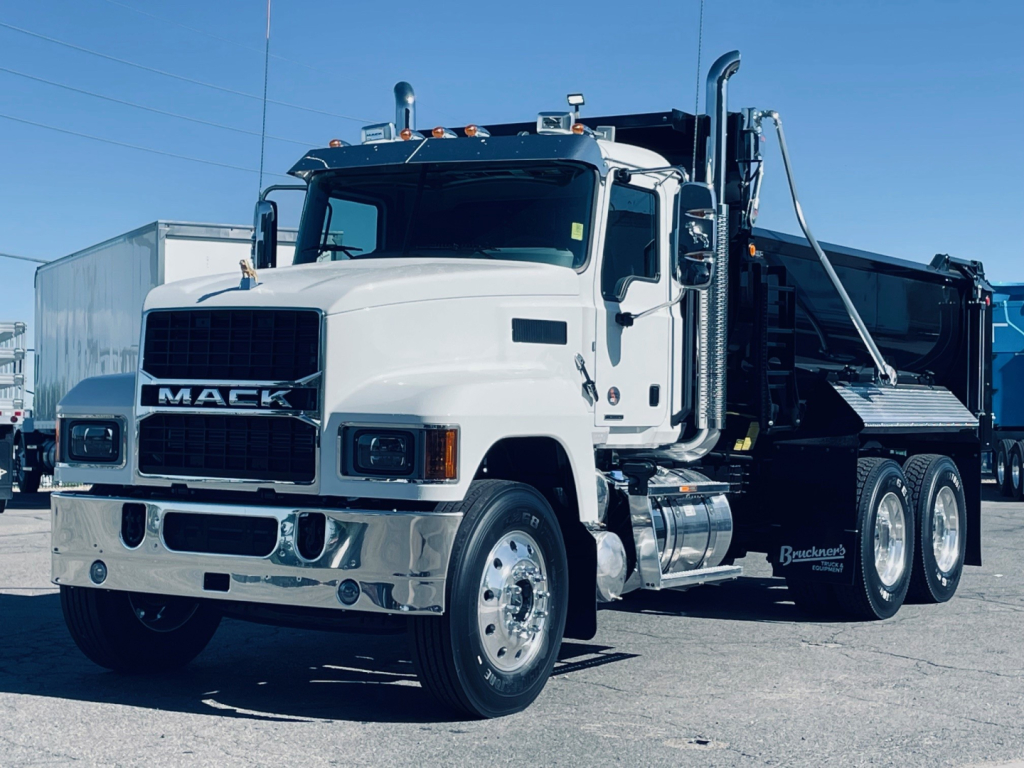
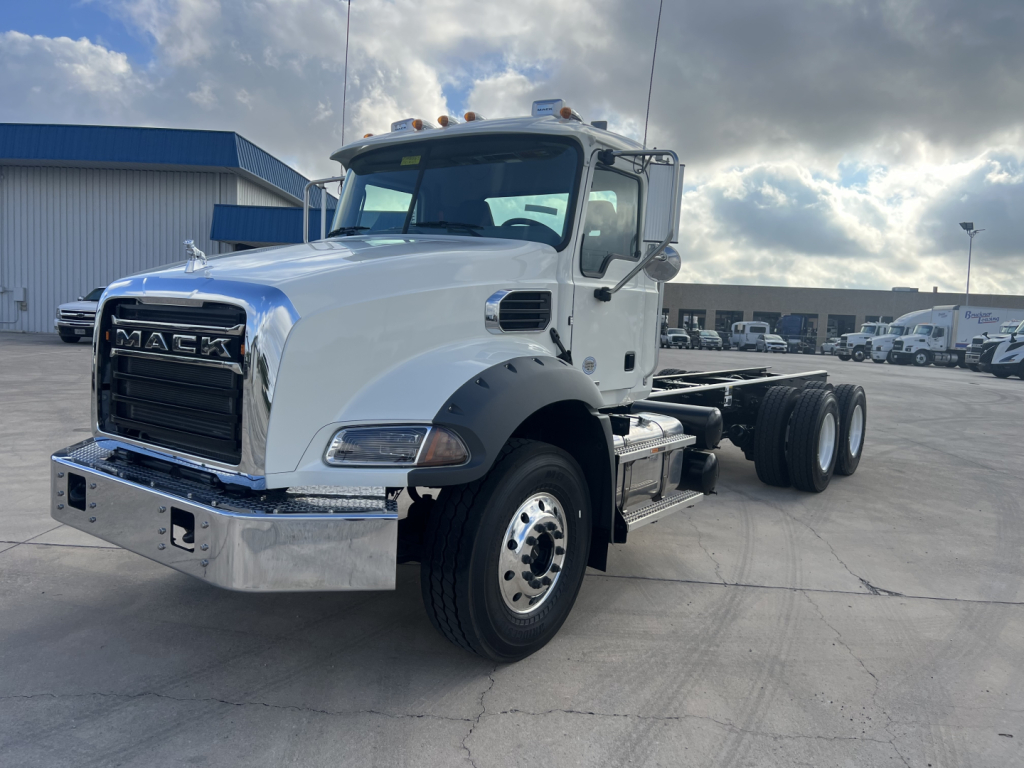
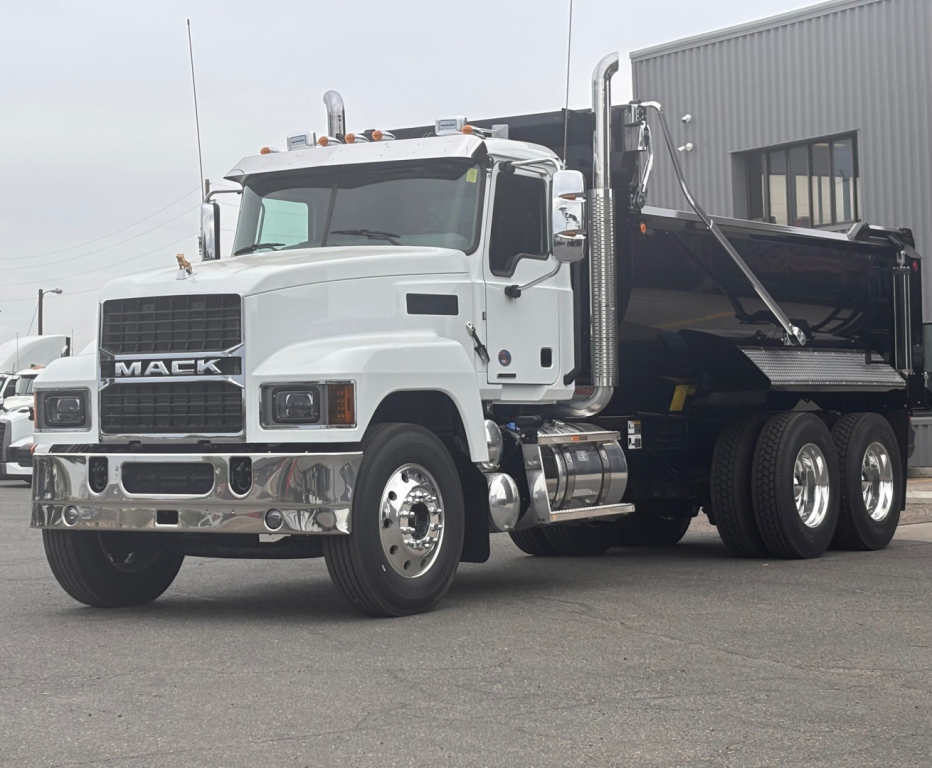
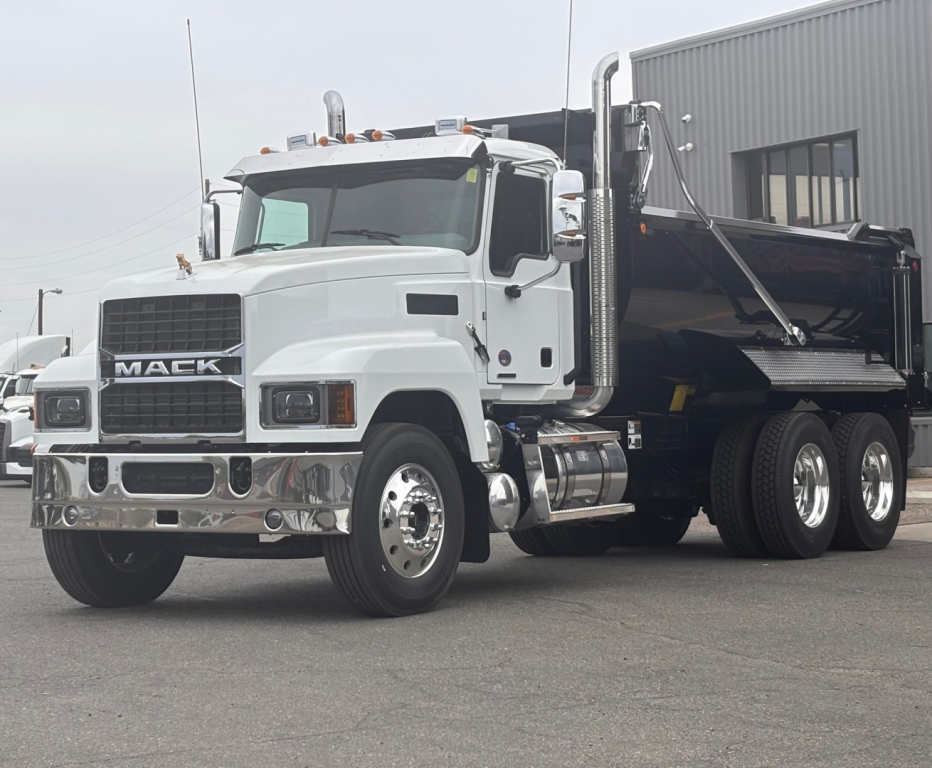
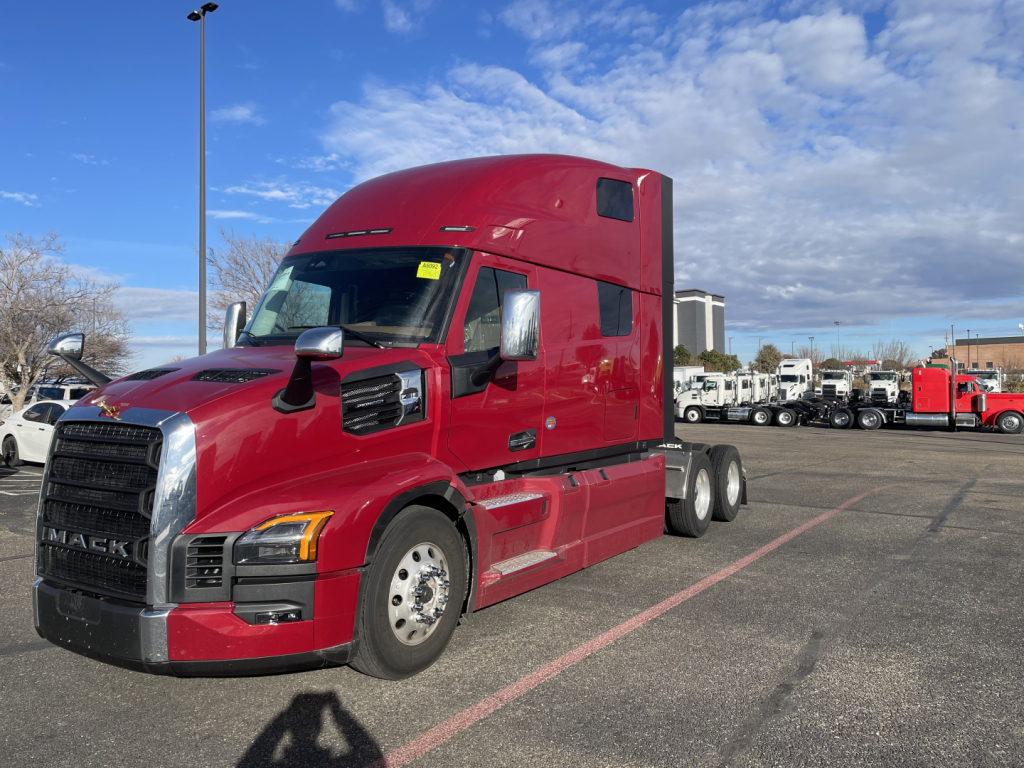
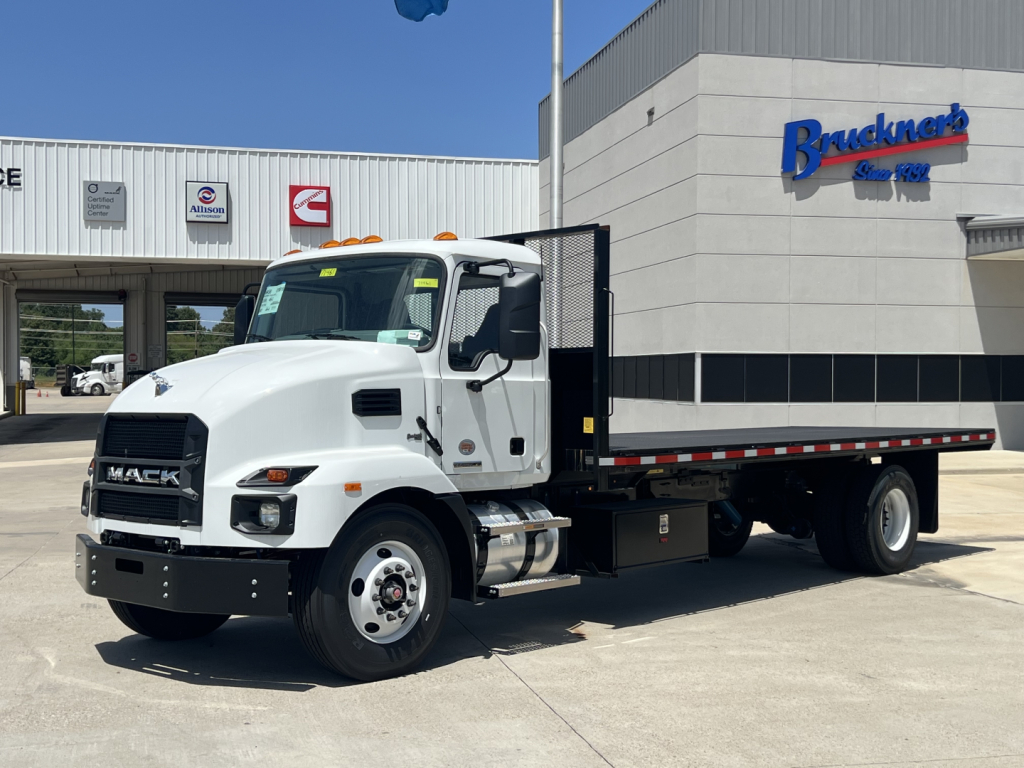
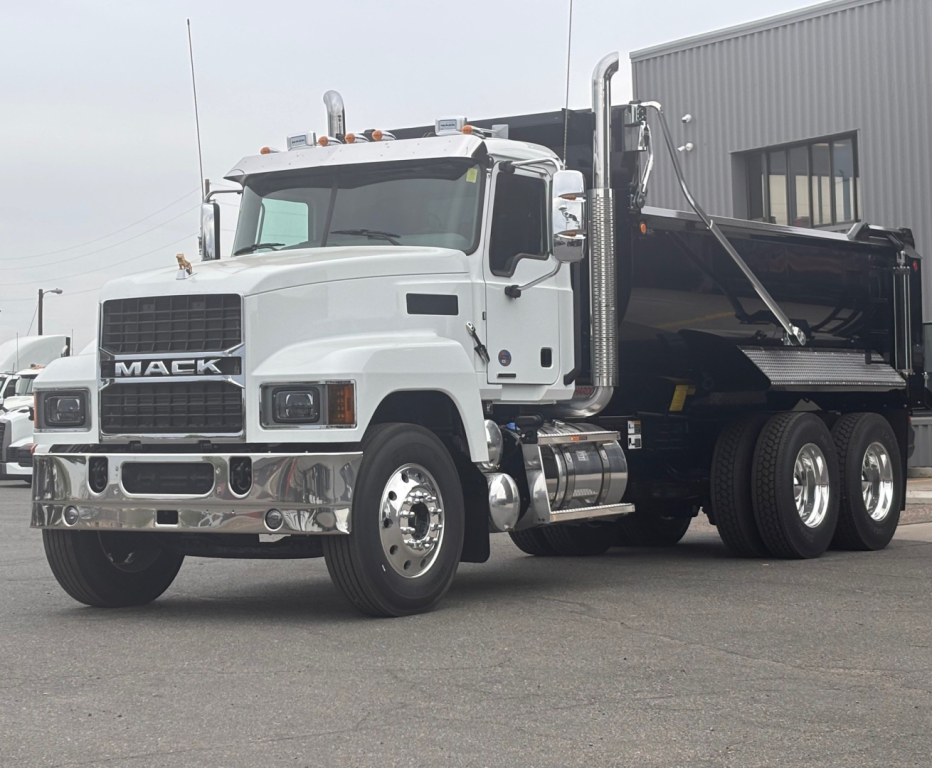
Showing 1 to 28 of 172 results
Selling a 2026 mack truck? List your 2026 mack truck for sale and reach thousands of commercial buyers.
2026 Mack Trucks
Across the Mack range, common engine choices include the MP7 and MP8, with horsepower and torque selections matched to the job rather than just the badge on the hood. An MP7-equipped truck often fits municipal, refuse, roll-off, or regional vocational work where strong low-end torque and manageable weight are key. MP8-powered trucks are often spec'd for heavier GCWs, demanding PTO loads, and applications that need more reserve power. Transmission choice is another major decision point. Mack mDRIVE automated manuals are popular for fuel economy, driver consistency, and reduced clutch wear, while Allison automatic transmissions remain a strong fit for mixer, refuse, and urban vocational work where smooth launch and constant shifting matter. Buyers should also look closely at rear ratios, engine brake spec, and cooling package if the truck will work in steep terrain or high ambient temperatures.
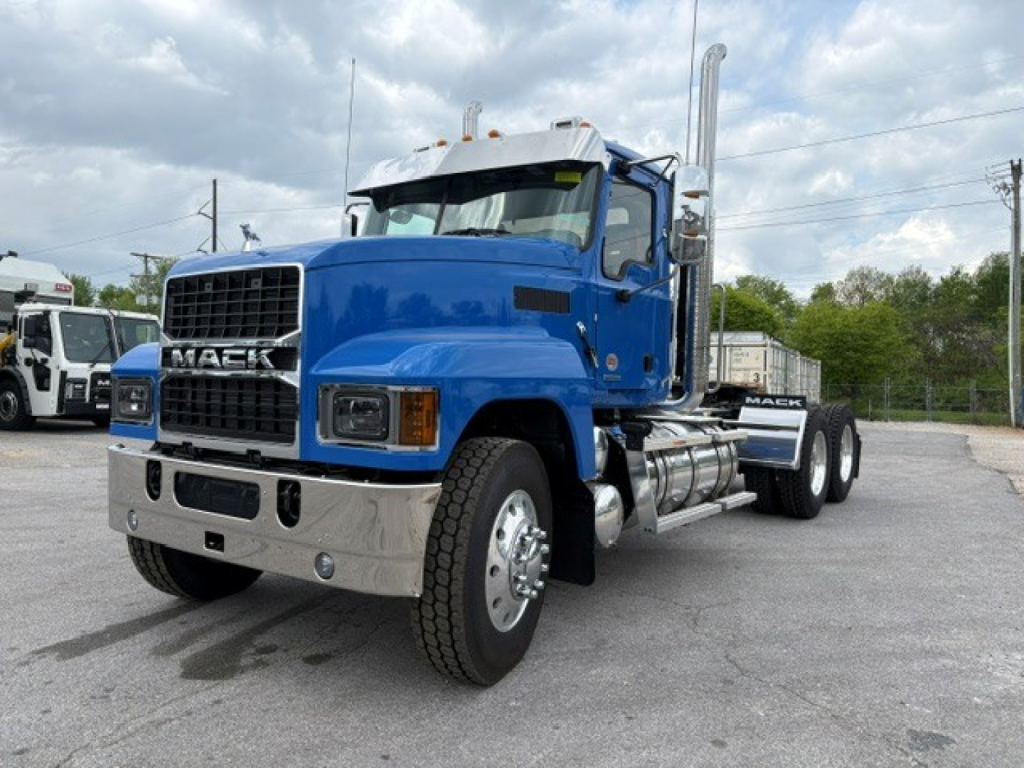
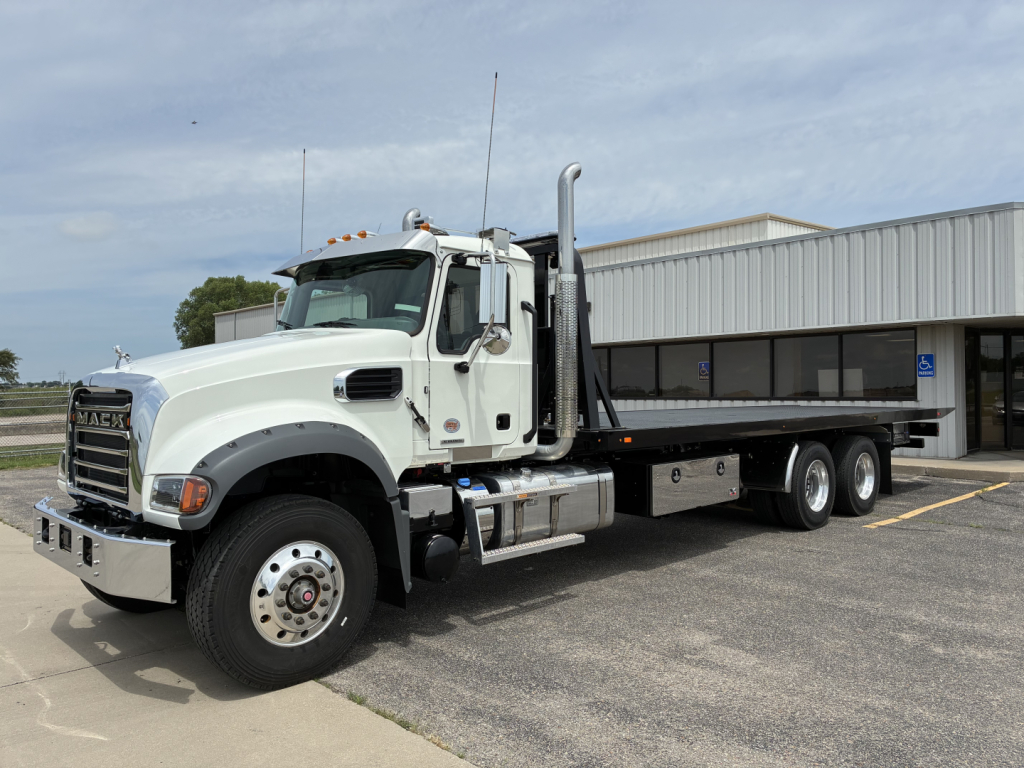
Suspension and axle configuration tell you a lot about what a Mack is built to do. Camelback remains a well-known Mack vocational suspension for severe-duty work and jobsite durability, while mRIDE options can improve ride quality and support various body installations. Front axle ratings in the 14,000 to 20,000 pound range and rear axles in the 40,000 to 46,000 pound range are common in heavier vocational specs, but the right setup depends on bridge laws, body weight, legal payload targets, and how the truck loads across the wheelbase. If you are comparing daycabs or road-going tractors, pay attention to wheelbase, fuel capacity, fifth wheel position, and how the spec aligns with trailer swing clearance and kingpin settings. For body-builder applications such as roll-off, mixer, dump, or hooklift, confirm clear back-of-cab dimensions, frame RBM, PTO provision, and any lift axle or hydraulic prep already included.
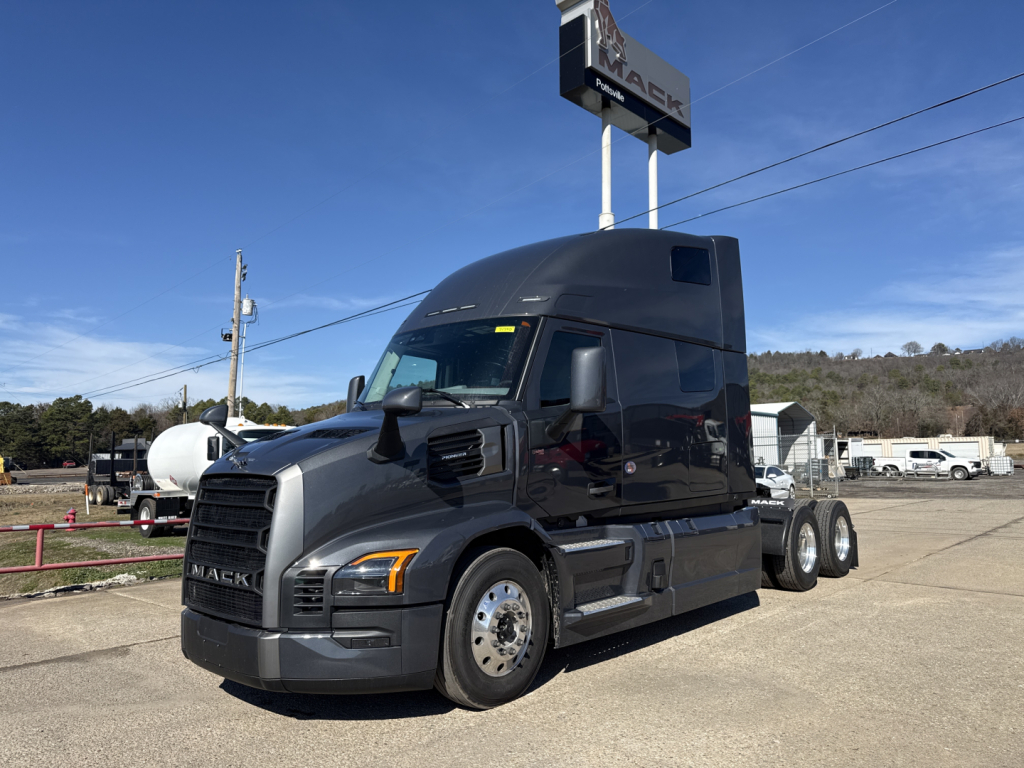
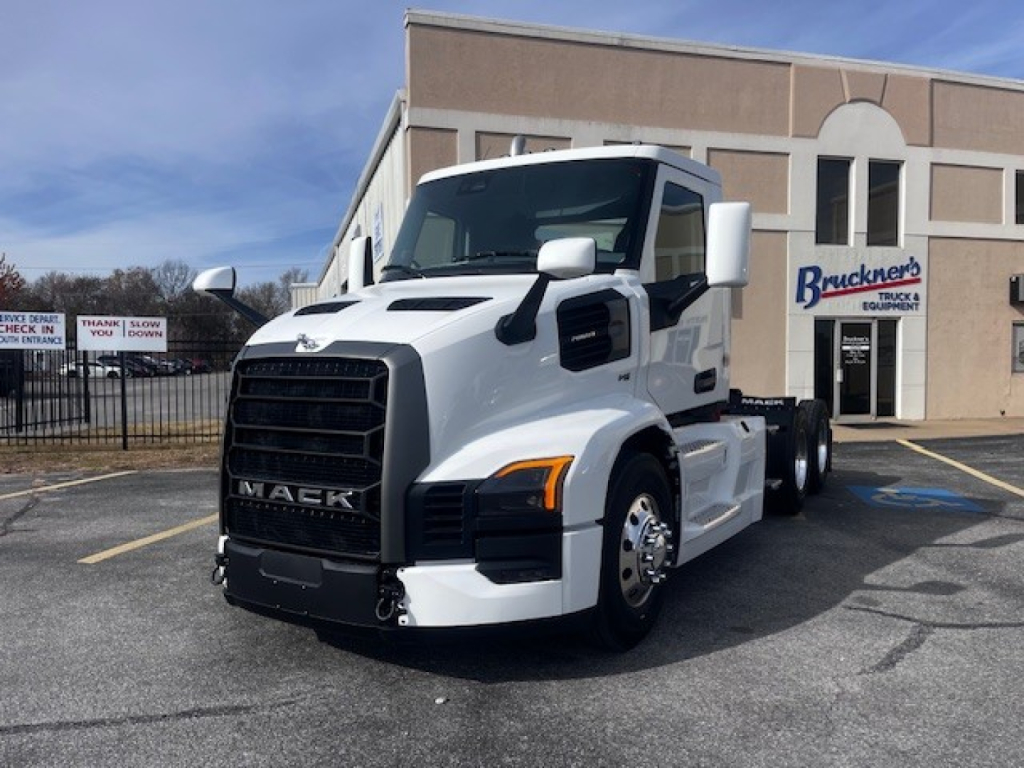
Cab layout and serviceability also matter with Mack trucks because these units are often expected to stay productive in tough environments. Many buyers prioritize visibility, switch placement, vocational interior materials, and access to daily service points. On newer Mack trucks, emissions system packaging, aftertreatment access, and dealer support can influence downtime just as much as the engine spec itself. The best 2026 Mack truck is the one matched to the work cycle: a lighter daycab for regional hauling, a heavy-spec Granite-style vocational chassis for construction and refuse, or a specialized body-ready platform with the axle, suspension, and transmission combination the application demands.
Frequently Asked Questions about 2026 Mack Trucks
What should I look for first when comparing 2026 Mack trucks?
Start with the application, then work backward through axle ratings, suspension, engine, transmission, and wheelbase. A vocational Mack for mixer, dump, roll-off, or refuse work needs the right frame strength, PTO capability, and front axle capacity before cosmetic or comfort features matter. A highway daycab or tractor should be evaluated on drivetrain efficiency, rear ratio, wheelbase, fuel capacity, and how well the spec matches trailer length, kingpin setting, and expected gross combination weight.
What is the difference between Mack MP7 and MP8 engines?
The MP7 is commonly selected for strong vocational performance with a balance of power, weight, and operating efficiency. The MP8 is typically chosen when the job calls for higher horsepower and torque, especially in heavier hauling or severe-duty applications where reserve power matters. The right choice depends on payload, terrain, PTO demand, average speed, and how often the truck operates at or near maximum gross weight.
Is an mDRIVE or Allison transmission better in a Mack truck?
Neither is universally better because each fits a different duty cycle. Mack mDRIVE automated manual transmissions are widely used where fuel economy, driveline efficiency, and consistent shift logic are priorities. Allison automatics are often preferred in refuse, mixer, and urban stop-and-go work because they provide smooth launch characteristics and simplify operation in constant shifting conditions. The better transmission is the one that matches the route, body type, and driver environment.
Why do Mack suspension specs matter so much on vocational trucks?
Suspension choice directly affects durability, ride quality, traction, and body compatibility. Mack Camelback is a long-established severe-duty option known for rugged jobsite performance, while mRIDE configurations can offer a different balance of support and ride characteristics depending on the application. The suspension has to match the body weight, terrain, legal axle loading, and how the truck is expected to load and unload throughout the day.
Are 2026 Mack trucks mainly for construction use, or do they fit highway work too?
Mack is strongly associated with vocational and construction applications, but the brand also covers highway and regional hauling roles. Many buyers know Mack for heavy-duty daycabs, dump, mixer, and roll-off chassis, yet properly spec'd Mack tractors can also serve regional freight, dedicated haul, and other commercial operations. The deciding factor is not the brand alone but how the truck is configured for the intended work cycle.