
2026 Mack Other Trucks For Sale
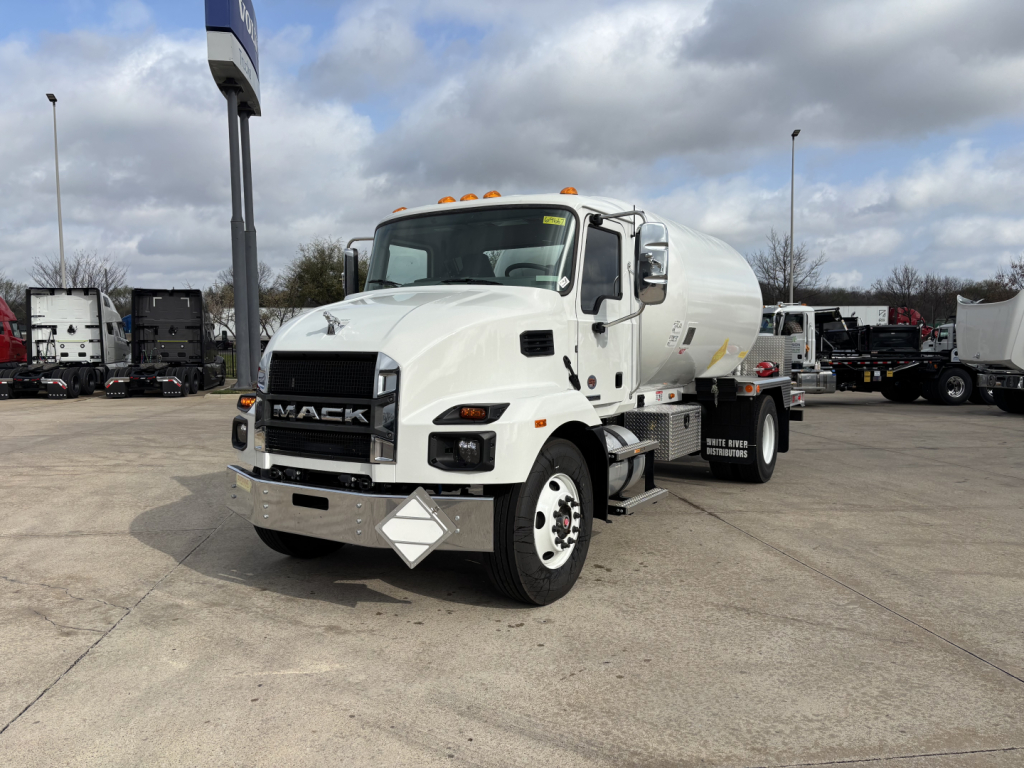
Shop 2026 Mack other trucks, including MD6 and MD7 specialty chassis for propane, utility, municipal, and route-delivery applications.
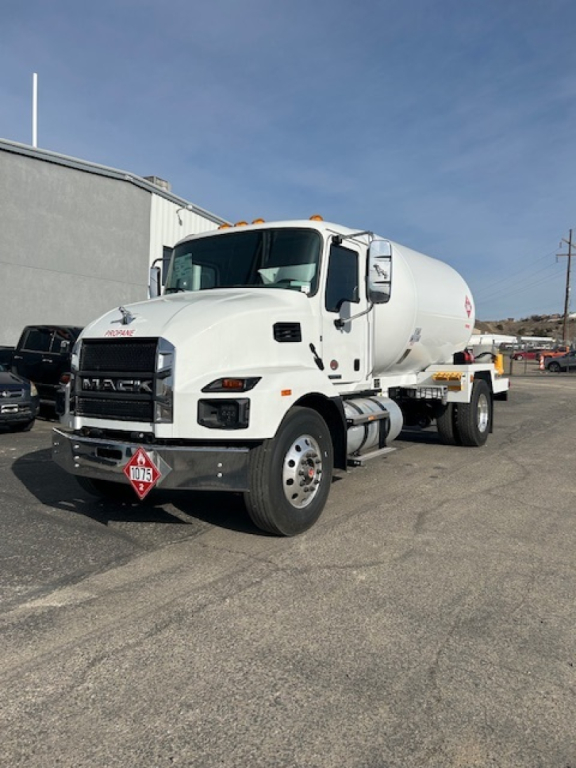
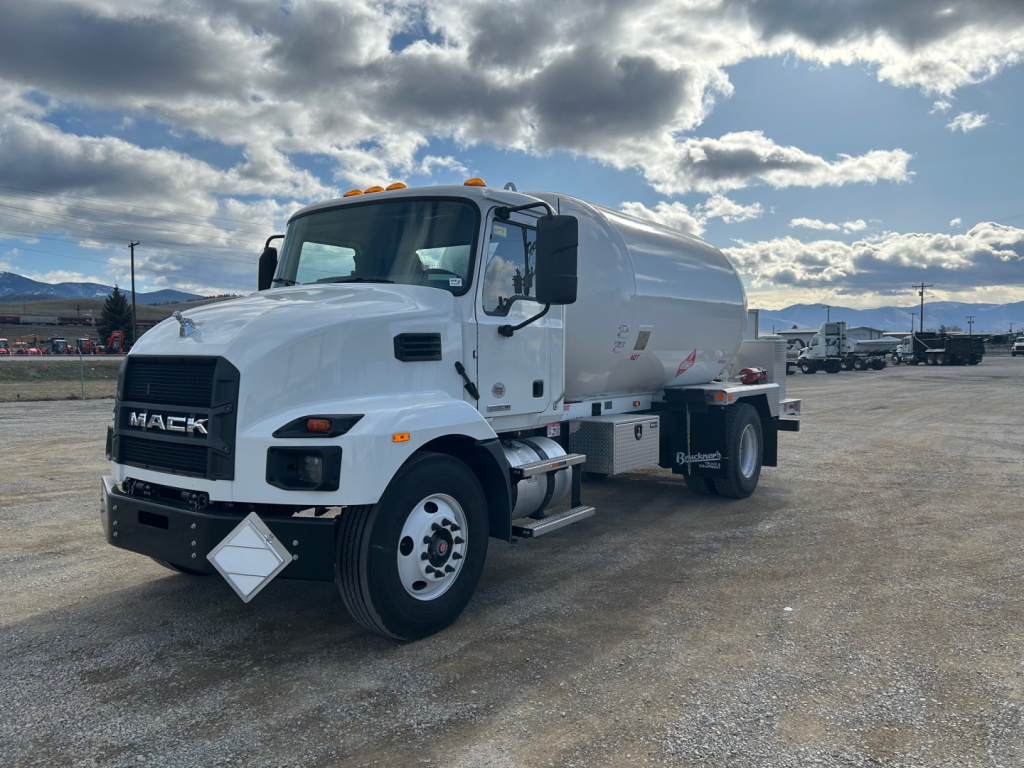
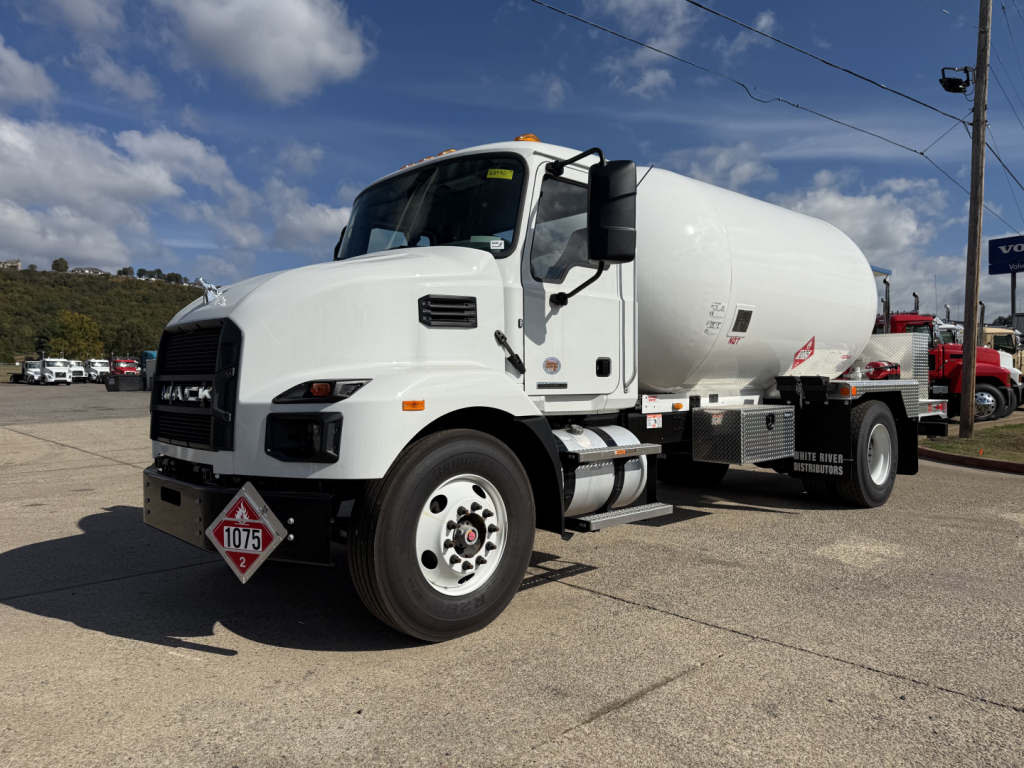
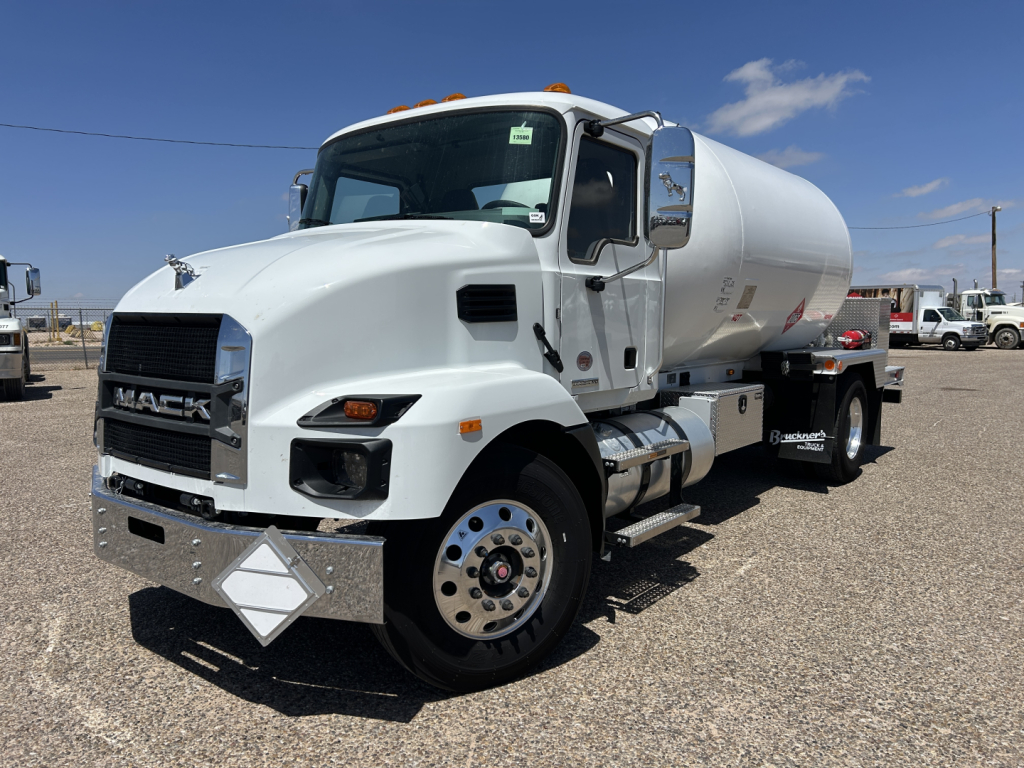
Selling a 2026 mack other truck? List your 2026 mack other truck for sale and reach thousands of commercial buyers.
2026 Mack Other Trucks
For many buyers, the first decision is GVWR and body capacity. A Mack MD6 is generally suited for lighter Class 6 work, while the MD7 moves into Class 7 territory for higher payloads and more demanding body installations. In propane delivery trim, for example, MD7 trucks are often paired with 3,200-gallon to 3,400-gallon bobtail tanks, balancing route capacity with maneuverability in residential and retail delivery environments. Powertrain specs commonly include the Cummins B6.7 diesel and an Allison automatic transmission such as the 3000 RDS, a combination valued for predictable shifting, broad service support, and good drivability in stop-and-go operations.
A buyer should look closely at wheelbase, axle ratings, suspension, PTO provisions, and how the chassis was spec'd for the intended body. On a specialty truck, body integration is everything. Tank mounting, plumbing layout, pump system, meter setup, hose reel arrangement, rear overhang, and turning radius all affect daily productivity. The same is true for non-tank applications such as mechanics trucks or municipal units, where frame space, cab-to-axle dimensions, and electrical architecture determine how well the chassis supports the equipment package. Brake type, tire size, fuel tank placement, and cab access also deserve attention because they influence uptime and driver acceptance more than buyers sometimes expect.
Mack other trucks in the 2026 model year appeal to fleets that need a durable vocational chassis without moving into a heavy Class 8 platform. They fit operations that require tighter urban maneuvering, easier body packaging, and lower acquisition and operating costs than a larger tandem or severe-duty truck. If the application involves propane delivery, utility service, local construction support, or route-based commercial work, the right MD-series configuration can offer a strong mix of capacity, reliability, and upfitter flexibility.
Frequently Asked Questions about 2026 Mack Other Trucks
What kinds of trucks are usually included in the 2026 Mack other trucks category?
This category usually includes Mack trucks that have been built for specialized vocational use rather than standard over-the-road hauling. Common examples include propane bobtails, utility trucks, mechanics trucks, municipal units, and other custom body installations on Mack MD6 or MD7 chassis. The exact body type matters as much as the truck itself because the upfit determines payload, operating range, and day-to-day job suitability.
What is the difference between a Mack MD6 and Mack MD7 for specialty truck applications?
The main difference is weight class and carrying capacity. The Mack MD6 is a Class 6 medium-duty chassis, while the MD7 is a Class 7 chassis with higher GVWR potential for heavier bodies and payloads. Buyers comparing the two should review axle ratings, suspension specs, wheelbase, and body weight because a tank, crane, or service body can quickly change how much usable payload remains.
Why is the Mack MD7 common in propane bobtail applications?
The Mack MD7 offers a good balance of capacity, maneuverability, and medium-duty operating cost, which is important for propane route work. It can support common bobtail tank sizes such as roughly 3,200 to 3,400 gallons while remaining practical for neighborhood deliveries, customer site access, and repeated stop-and-go service. Many buyers also prefer proven components like the Cummins 6.7L diesel and Allison automatic transmission because they are widely supported and familiar to fleet technicians.
What specs should I verify before buying a specialized Mack truck?
Start with the chassis fundamentals, including GVWR, front and rear axle ratings, wheelbase, cab-to-axle measurement, transmission model, suspension type, brake setup, and PTO capability. Then verify the body-side details such as tank or equipment manufacturer, mounting method, pump and meter configuration, hose reel arrangement, plumbing, electrical integration, and any compliance requirements tied to the truck's intended use. On vocational equipment, those body and chassis details determine real-world productivity and operating cost.
Are 2026 Mack other trucks mainly for local or regional work?
Most are designed for local and regional vocational service rather than long-haul freight. Their strengths are route density, maneuverability, body integration, and jobsite or customer-site access. That makes them a strong fit for propane delivery, utility support, municipal operations, and commercial service work where repeated stops, specialized equipment, and reliable daily uptime are more important than highway speed or sleeper cab comfort.