
Other Trucks For Sale
Shop specialty vocational trucks. Compare chassis, floor strength, tare weight, corrosion protection, hydraulics and thermal integrity for your job.
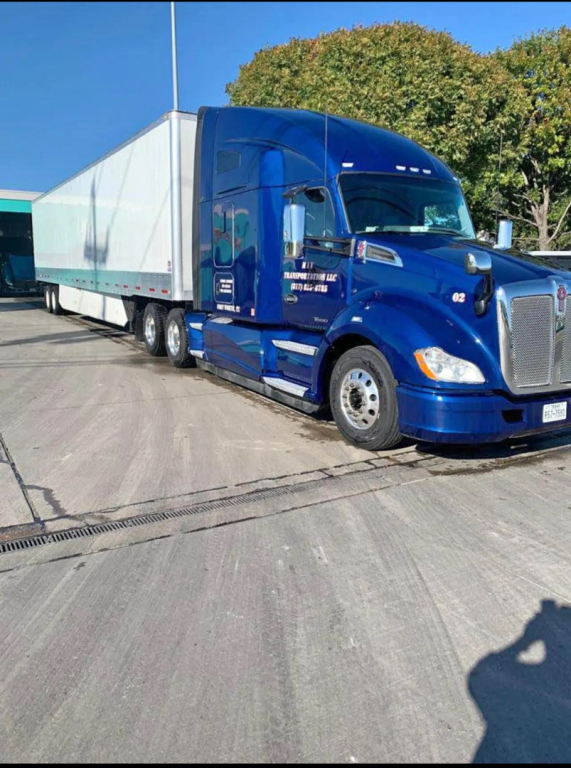
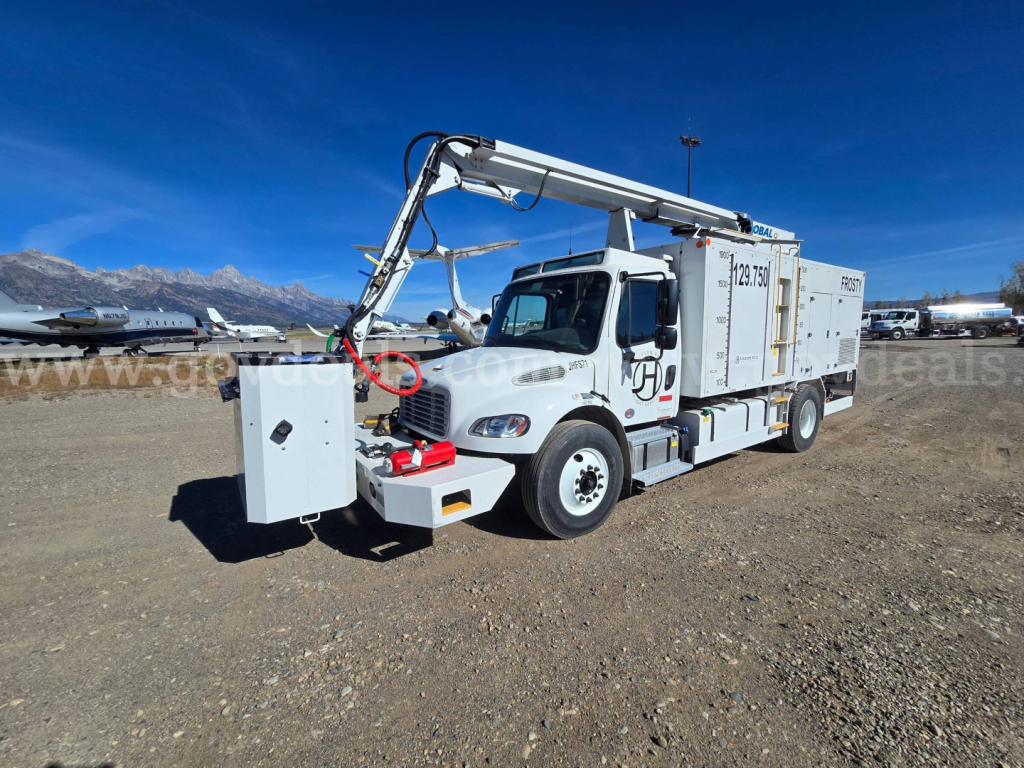
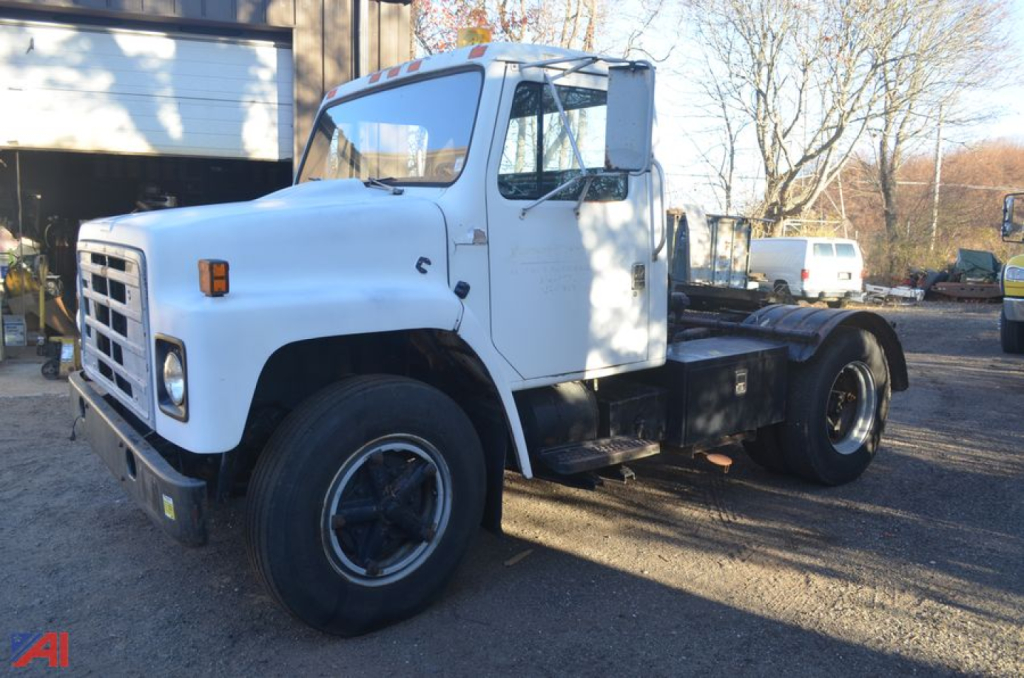
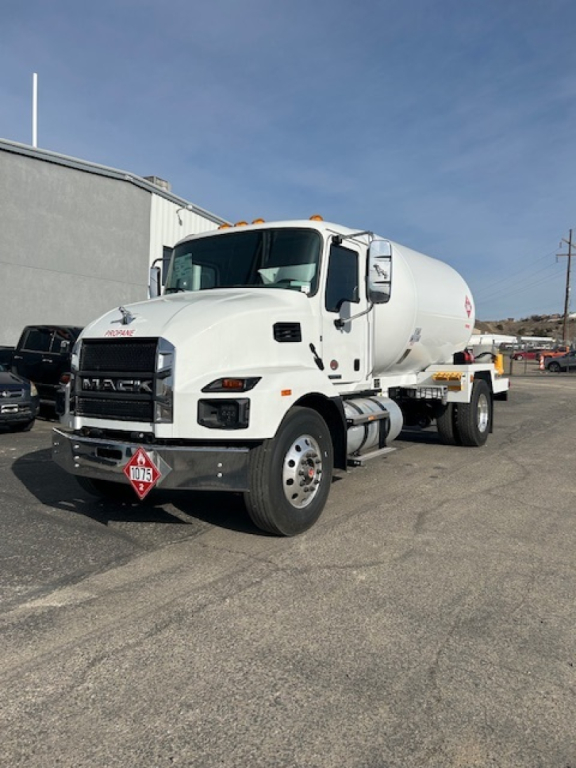

Selling a other truck? List your other truck for sale and reach thousands of commercial buyers.
Other Trucks
Floor strength is a core differentiator across this category. On flatbeds and service decks, check crossmember spacing, 8 to 12 inches is common for heavy vocational loads, and inspect decking material and thickness, such as 3 over 16 or 1 over 4 inch steel treadplate, 1 to 1.25 inch Apitong plank, or extruded aluminum planks with interlocks. Crane pedestals and outriggers require load spread plates that tie into multiple crossmembers and the frame rails, cracked welds or deflected deck around these points signal under spec reinforcement. Enclosed bodies benefit from scuff liners 12 to 24 inches high and reinforced wheel boxes to prevent punctures, look for aluminum or UHMW scuff that protects sidewalls from pallet or tool strikes. Tie downs, rub rails, and D rings should show stamped ratings, verify that anchor points are tied into structure, not just the skin. Liftgates and hooklift subframes should be checked for straightness and bushing wear, misalignment can telegraph into uneven floor wear and premature hinge failure.
Thermal integrity matters on insulated service bodies, specialty food or pharma support trucks, and units that carry water or emulsions in freezing or high heat conditions. Look for foam in place polyurethane insulation with consistent coverage and minimal thermal bridges at posts and door frames, continuous bulb seals, stainless or composite door frames, and sealed pass throughs maintain compartment temperatures. Heated cabinets can use engine coolant loops or diesel fired heaters with thermostatic control, verify hose routing, circulation pumps, and heat exchanger condition, electric heat requires adequate alternator output and battery reserve. For cooled compartments, inspect insulation R value claims, drain paths, gasket compression, and refrigerant system performance, temperature recovery time after a door open event is a practical test. Tanks used for water or chemicals benefit from insulated wraps, heat tracing, and baffles that reduce surge, check for uniform wrap and intact cladding.
Tare weight influences payload, operating cost, and compliance. Aluminum service bodies and decks can cut 800 to 1,500 pounds compared to steel on medium duty chassis, stainless steel resists corrosion in deicing and coastal environments but adds weight similar to or slightly below carbon steel, galvanneal with e coat and powder coat balances cost, weight, and protection. Specify hot dip galvanized subframes where possible, add underbody coatings in high salt regions, and prefer stainless or coated fasteners with isolators between dissimilar metals to reduce galvanic attack. Electrical harnesses should be sealed with weather pack or Deutsch connectors and abrasion protection, moisture intrusion is the root cause of many intermittent faults in specialty builds. Match hydraulic pump type to duty cycle, gear pumps suit intermittent use, piston pumps handle continuous high pressure work, size the reservoir and add an oil cooler when the system sees long run time, then confirm that PTO ratios deliver required flow at working RPM. Finally, validate axle load distribution with the body installed and tanks full, add pusher or tag axles when needed, and confirm that the spec delivers the payload and uptime you expect without overstressing the structure.
Frequently Asked Questions about Other Trucks
What chassis factors matter most when speculating a specialty truck in the Other category?
Start with GVWR and axle ratings that cover the body, equipment, and payload with margin, then set wheelbase to keep legal axle loads once the build is complete. Review frame rail RBM and section modulus, add reinforcement where cranes, plows, or hooklifts create concentrated loads. Confirm PTO provision, cooling package size, alternator output, and upfitter harnesses, and choose axle ratio for the duty cycle, low speed PTO work often benefits from deeper gearing. Suspension selection should reflect load dynamics and stability during stationary operation, and braking capacity must suit the final gross weight.
How can I evaluate floor strength and structural integrity on a used vocational body?
Inspect crossmember spacing and attachment to the main rails, tighter spacing and continuous welds support higher point loads. Check deck material and thickness for deflection or oil canning, look closely around crane pedestals, outrigger boxes, and liftgate mounts for cracking or halo rust that signals flex. Inside enclosed bodies, look for scuff liners, intact wheel boxes, and straight door frames. Verify that tie downs and D rings are rated and tied into structure. A straight string line along rub rails and subframe, plus a no load crane or hooklift cycle, can reveal twist or binding.
How do body materials affect tare weight and corrosion resistance on specialty trucks?
Aluminum bodies and decks reduce tare and improve payload and fuel efficiency, they require proper isolation from steel to avoid galvanic corrosion. Carbon steel offers high strength and lower cost but needs quality coatings, look for galvanneal steel with e coat primer and powder coat for better durability. Stainless steel resists chemicals and road salt very well, it is heavier than aluminum and close to carbon steel, use it for tanks, cabinets, and areas with constant exposure. Hot dip galvanized subframes and stainless hardware extend life in deicing regions.
What defines good thermal integrity for insulated compartments or temperature sensitive systems?
Consistent closed cell foam insulation with adequate thickness, minimal thermal bridges at posts, sealed wiring pass throughs, and high quality bulb seals at doors preserve temperatures. Heated cabinets should have reliable coolant or diesel fired heaters with thermostatic control and good circulation, cooled compartments need proper insulation R value, tight gaskets, and a refrigeration unit sized to the expected door cycles. Inspect with an infrared thermometer for cold spots, check gasket compression, and verify temperature recovery time after a door open event.
What should I check in hydraulic and PTO systems on vocational trucks?
Confirm that the PTO ratio and engine idle speed deliver the hydraulic flow and pressure your tools require, then match pump type to duty cycle, gear for intermittent use, piston for continuous high load. Inspect hoses, fittings, and cylinders for leaks, check filter condition and service records, and verify reservoir size and oil cooling for long run time jobs. Look for proper shaft alignment, guarded drives, and secure pump mounts, and test controls for smooth modulation. Overheating or cavitation noises indicate undersized or improperly set up systems that will not last.