
2020 Other Trucks For Sale
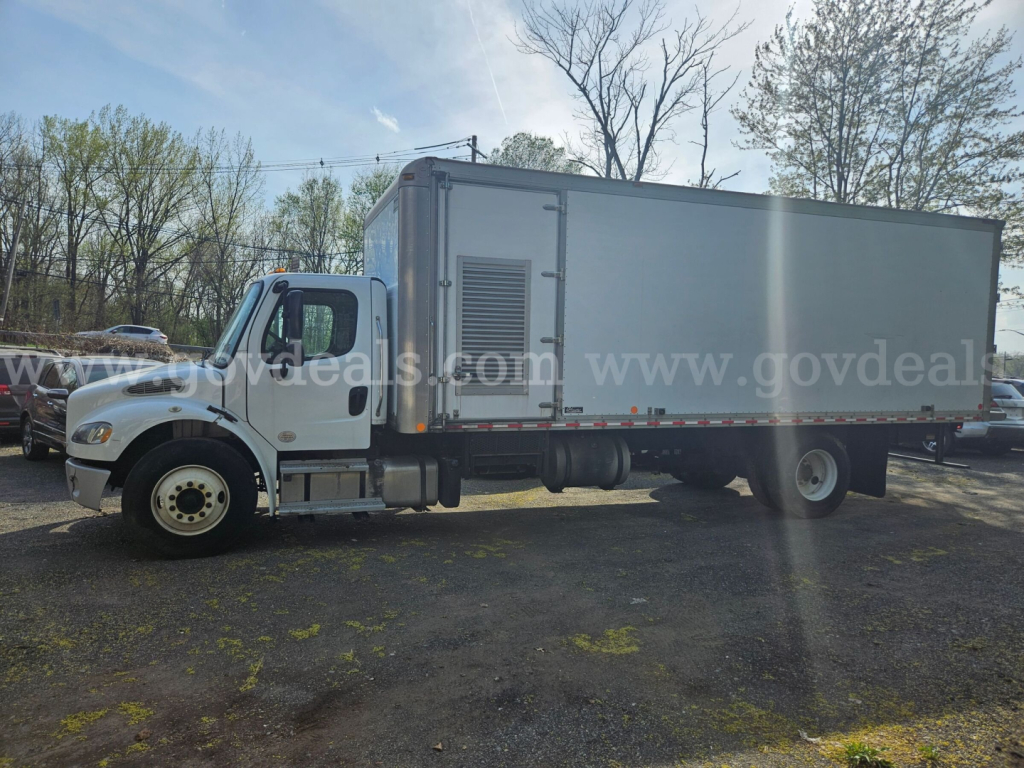
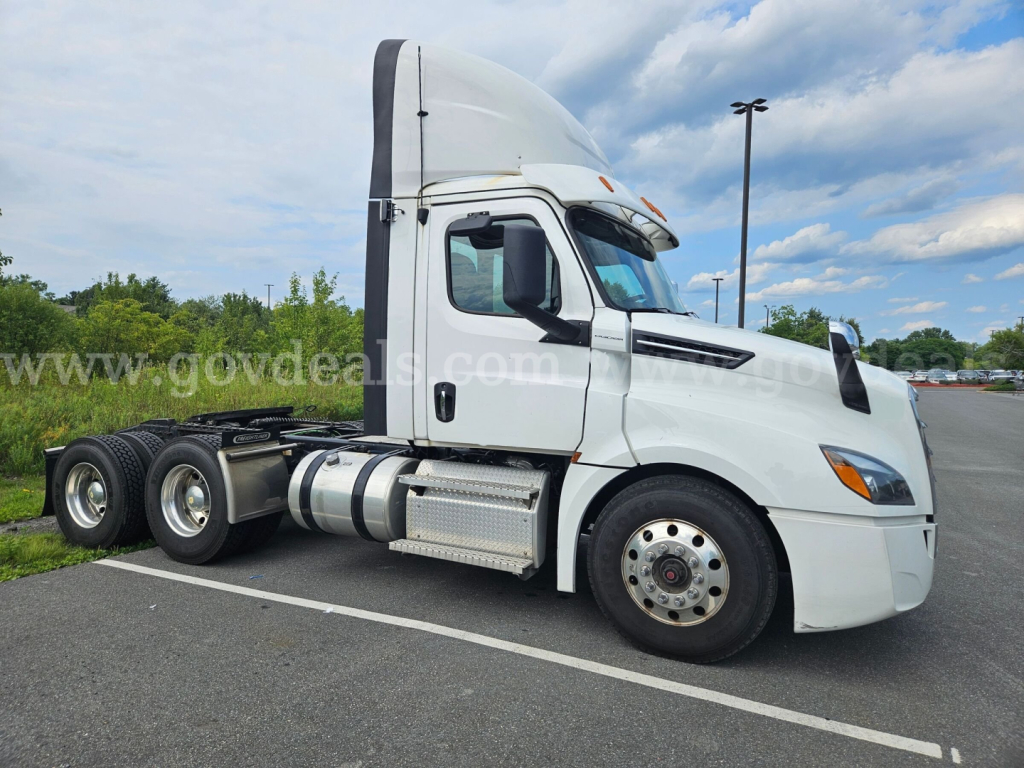
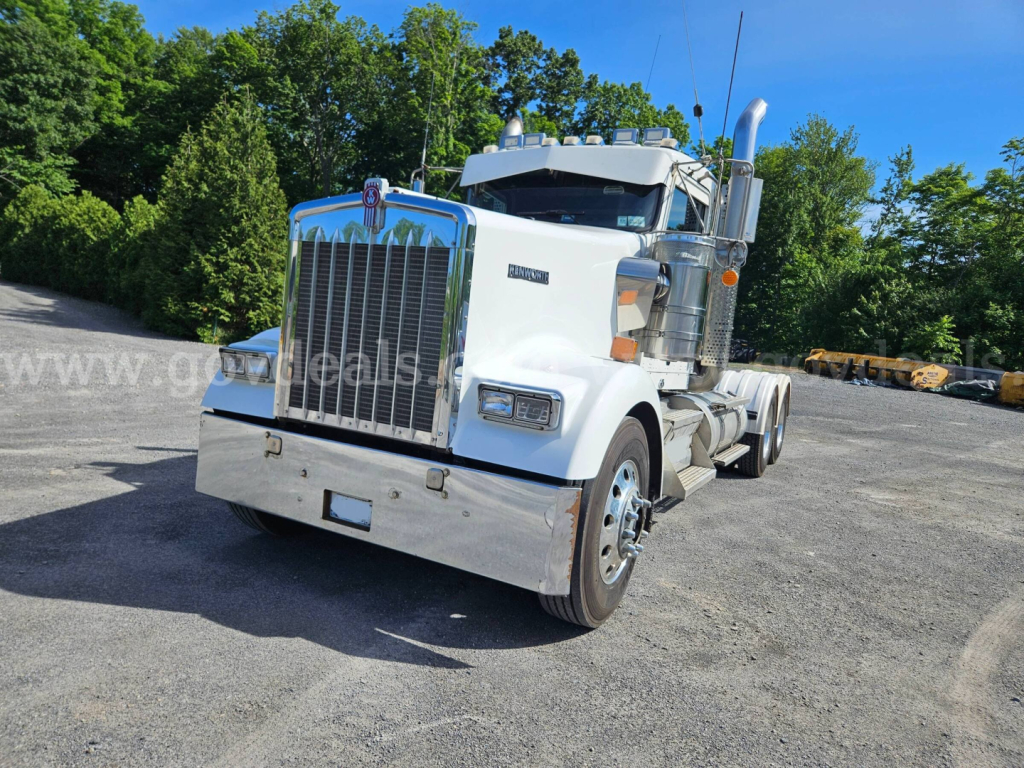
Have 2020 other truck to sell? List it here to reach thousands of buyers.
2020 Other Trucks
On 2020 model year trucks, buyers should pay close attention to GVWR, wheelbase, axle configuration, body manufacturer, and powertrain compatibility with the installed equipment. Many specialty trucks in this category are built on Class 3 through Class 8 platforms, so payload, CDL exposure, brake type, and suspension matter more than they do on a standard consumer truck. Diesel engines, automatic transmissions, PTO provisions, hydraulic circuits, wet kits, liftgates, compressors, reels, tool storage, traffic attenuators, or tank systems can all be part of the value. Emissions equipment is another practical consideration on 2020 trucks, especially for buyers running frequent stop-and-go routes, idle-heavy applications, or municipal duty cycles.
A strong evaluation starts with the upfit itself. Buyers should inspect body mounting, frame integrity, wiring quality, corrosion around attachment points, pump hours if applicable, and the condition of any specialized gear that would be expensive to replace. On service and municipal units, electrical load capacity, inverter systems, auxiliary lighting, backup camera integration, and safety equipment can have a major effect on usability. If the truck carries product or equipment, confirm tank certifications, placarding requirements, tie-down provisions, and any state or federal compliance issues tied to the body. For trucks used in utility, road work, or field service, underbody storage, ground clearance, turning radius, and jobsite maneuverability are often just as important as engine horsepower.
Resale strength in this category usually follows how broadly usable the truck is after purchase. A clean 2020 specialty truck with a known body builder, documented maintenance, and common drivetrain components is typically easier to place into service and easier to remarket later. Buyers comparing listings should separate chassis value from upfit value and ask whether the body configuration supports current work without major rework. When the application is right, a 2020 other truck can be one of the most cost-effective ways to add highly specific capability to a fleet.
Frequently Asked Questions about 2020 Other Trucks
What types of vehicles are usually listed under 2020 other trucks for sale?
This category usually includes specialty and vocational trucks that do not fit standard retail classifications. Common examples include service trucks, traffic attenuator trucks, propane or fuel service units, utility body trucks, municipal specialty trucks, and custom chassis with dedicated upfits. The defining feature is that the truck is being bought for the body, equipment package, and job function as much as for the chassis itself.
What should I inspect first on a 2020 specialty truck?
Start with the upfit and how it is integrated with the chassis. Check frame modifications, body mounts, PTO operation, hydraulic or pneumatic systems, wiring, corrosion, warning systems, and any specialized equipment that would be costly to repair. After that, review engine hours versus miles if idle time is relevant, confirm axle and GVWR ratings, and make sure the truck's licensing and compliance requirements match your operation.
Do 2020 other trucks require a CDL?
Some do and some do not. CDL requirement depends on GVWR, GCWR, air brake configuration, hazardous material use, and how the truck is equipped and operated. Many specialty trucks are built to stay under common CDL thresholds, but body additions, tank systems, or towing requirements can change the legal picture. Buyers should verify the door tag, registered weight, and intended use before purchase.
How do I value a 2020 other truck accurately?
The best approach is to value the chassis and the upfit separately. A truck with an average commercial chassis may still command strong value if the installed body or specialty equipment is expensive, current, and ready for work. Body manufacturer reputation, replacement cost, maintenance history, and compliance status all affect market value. A cheaper truck can become the more expensive option if the equipment needs recertification, rewiring, or major refurbishment.
Are 2020 emissions systems a concern on vocational trucks?
They can be, especially on trucks used in short-route, stop-and-go, or high-idle service. Diesel particulate filter and SCR systems generally perform best when the truck is run long enough and hot enough to complete regeneration cycles properly. On specialty trucks that spend long periods idling at a worksite, maintenance records, fault history, and evidence of proper emissions service are important parts of the buying decision.