
Other Trucks For Sale in Texas
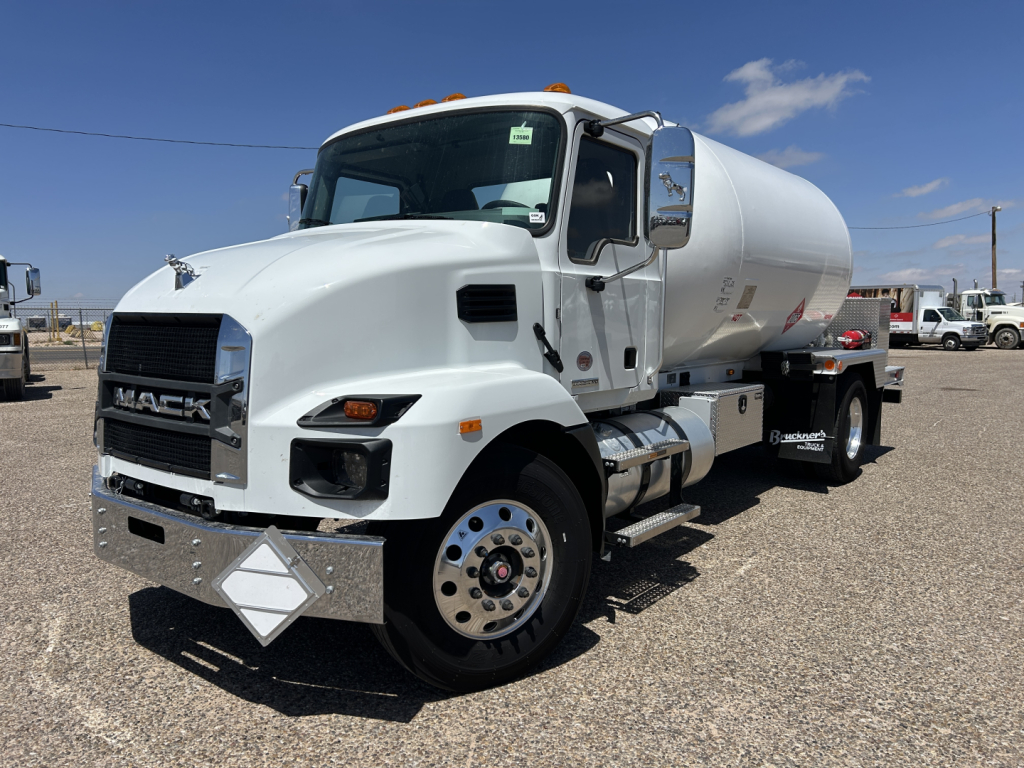
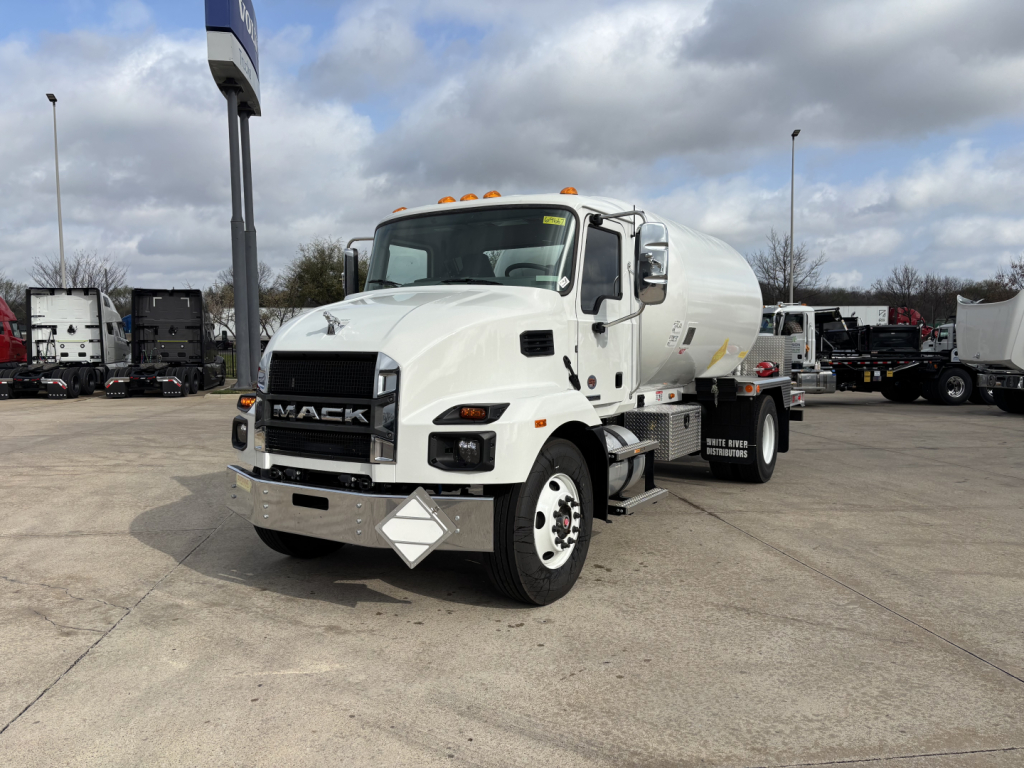
Browse other trucks for sale in Texas, including specialized vocational units like propane, septic, utility, and custom medium-duty truck builds.

Selling a other truck? List your other truck for sale and reach thousands of commercial buyers.
Other Trucks in Texas
A lot of these trucks are medium-duty platforms in the Class 6 and Class 7 range, commonly built with GVWRs around 26,000 to 33,000 pounds. Diesel engines such as the Cummins ISB6.7 are common in this segment, often paired with Allison automatic transmissions because they handle stop-and-go vocational work well and simplify driver training. Single-axle layouts, rear ratios in the mid-5 range, leaf spring suspensions, and wheelbases chosen around tank or body length are all typical. Buyers should pay close attention to front axle loading, not just rear axle capacity, because tank bodies, pumps, hose reels, compressors, and tool storage can shift weight forward more than expected.
The upfit matters as much as the drivetrain. On a propane truck, tank gallon capacity, pump and meter configuration, hose reel layout, and state compliance requirements are central. On a septic or vacuum unit, the tank construction, compartment sizing, pump brand and CFM, washdown or freshwater capacity, hose storage, and rear access all affect route efficiency. Service buyers in Texas also need to think about operating radius, heat, road conditions, and whether the truck will spend more time on paved city routes, oilfield approaches, ranch property, or tight residential access points. A shorter wheelbase improves maneuverability, while a longer wheelbase may be necessary to support larger body capacity and better weight distribution.
When comparing trucks in this category, focus on application-specific productivity and serviceability. Check the exact body manufacturer, tank material, PTO and hydraulic layout, pump hours if applicable, backup camera and lighting provisions, hitch or towing capability, and the availability of replacement parts for both chassis and upfit components. Also verify CDL implications, bridge law exposure, and whether the truck’s usable payload changes significantly once the body is full of liquid, product, or onboard equipment. A well-matched specialty truck earns its value through uptime, safe load handling, and how efficiently it performs a narrow job every day.
Frequently Asked Questions about Other Trucks in Texas
What types of vehicles are usually listed under other trucks for sale?
This category usually includes specialty vocational trucks with permanent bodies or equipment that do not fit traditional retail categories. Common examples include propane trucks, septic trucks, vacuum trucks, fuel service trucks, mechanic service bodies, municipal maintenance trucks, and other custom upfitted units. The chassis may look familiar, but the intended use is defined by the body, tank, pump, PTO, and supporting equipment.
What should I check first when buying a specialty vocational truck?
Start with the application, then verify that the chassis and upfit are sized correctly for it. Key items include GVWR, front and rear axle ratings, wheelbase, engine and transmission pairing, PTO compatibility, and the actual body or tank specifications. On liquid-hauling or vacuum applications, capacity alone is not enough. You also need to confirm pump performance, compartment design, hose handling, and how the loaded truck carries weight across the axles.
Are medium-duty automatic transmissions common in other vocational trucks?
Yes. Many specialty trucks in this category use Allison automatic transmissions because they are well suited for repeated stops, low-speed maneuvering, and PTO-driven vocational work. They also reduce driver fatigue and are easier to operate in urban routes, service yards, and customer locations. For many propane, septic, and municipal applications, an automatic transmission is the standard choice rather than the exception.
How important is wheelbase on a specialty truck?
Wheelbase is a major buying factor because it affects body fitment, turning radius, axle loading, and stability. A shorter wheelbase helps in tight residential or urban service environments, while a longer wheelbase may be required for larger tanks, tool storage, or better load distribution. The correct wheelbase depends on the upfit design and the space needed for pumps, reels, cabinets, and rear access equipment.
Do I need to think differently about payload on propane, septic, or tank-equipped trucks?
Yes. On specialty trucks, usable payload can change quickly because the body itself is heavy and the product being carried may be liquid, pressurized, or part of a vacuum system. Tank capacity in gallons does not automatically equal practical legal payload. Buyers should calculate loaded operating weight, account for the body and accessories, and make sure the front axle, rear axle, and total GVWR remain within legal and safe limits during normal service.