
Mack Other Trucks For Sale in Texas
Browse Mack other trucks for sale in Texas, including specialty medium-duty chassis for propane, septic, utility, and custom vocational work.
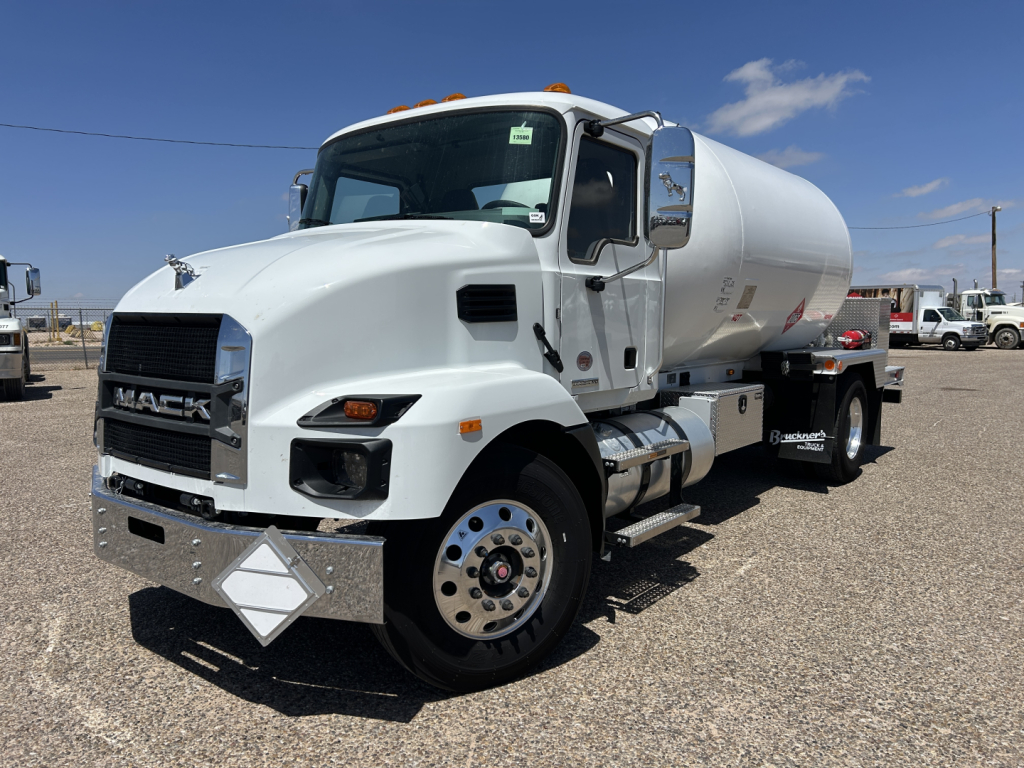
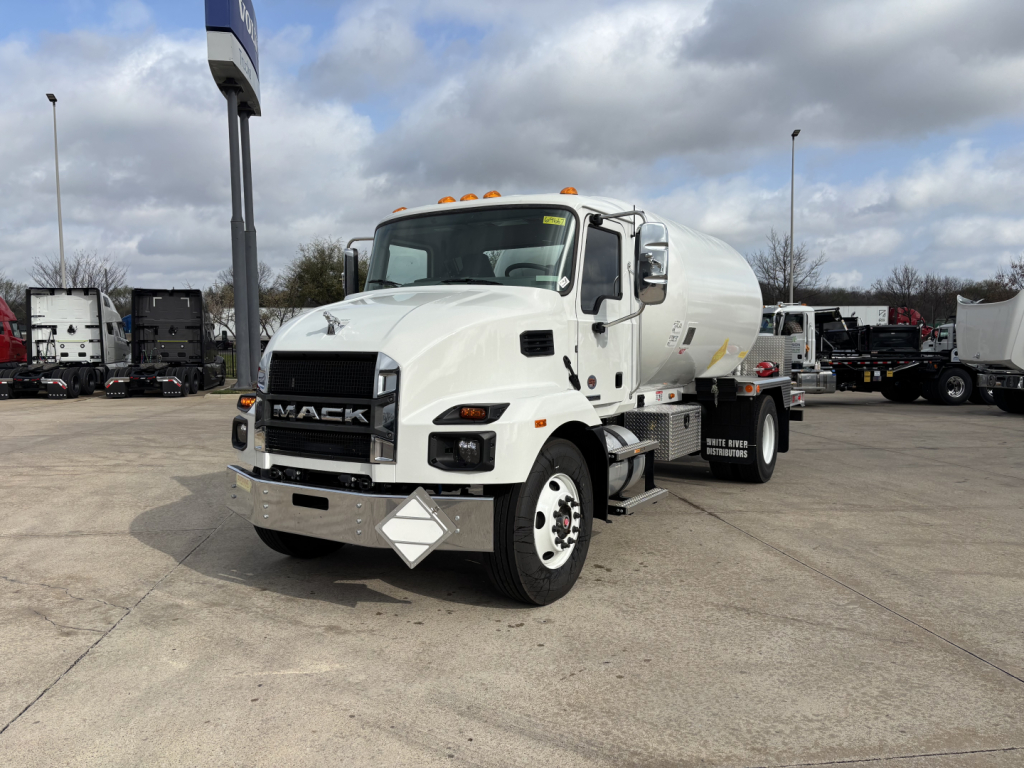

Selling a mack other truck? List your mack other truck for sale and reach thousands of commercial buyers.
Mack Other Trucks in Texas
On Mack medium-duty specialty trucks, you will often see Cummins ISB 6.7 power in the 280 to 325 horsepower range paired with Allison automatic transmissions such as the 2500 RDS or 3000 RDS. That combination is popular for stop-and-go service because it is familiar to fleet technicians, easy for multiple drivers to operate, and well suited to PTO-driven equipment and route work. Typical specs in this class include single axles, 31,000 to 33,000 lb GVWR, front axles around 10,000 to 12,000 lb, rear axles around 21,000 lb, rear ratios in the mid-5s, and leaf spring suspensions. Buyers in Texas often pay close attention to wheelbase because it affects body fit, bridge between capacity and turning radius, and how the finished truck behaves in subdivisions, plants, and rural service roads.
For propane bobtails, septic units, and similar specialty bodies, the chassis spec matters as much as the tank or service equipment. A propane application may need a longer wheelbase and carefully matched axle capacity to support a 3,400-gallon tank while keeping the truck stable and compliant when loaded. A septic configuration may prioritize vacuum pump integration, hose storage, toolbox space, hitch options, and balanced compartment design for waste and fresh water. Drum brakes, multi-leaf rear suspension, full differential lock, and practical visibility features like heated mirrors or backup cameras are common on trucks built for daily vocational service. The best fit usually comes from matching the truck to route density, legal payload needs, and the service equipment your crew uses every day.
Texas buyers also tend to focus on serviceability, emissions support, and regional operating conditions. A Mack MD-series specialty truck offers a straightforward cab layout and a widely supported medium-duty driveline, which can reduce downtime when the truck is working local routes instead of sitting in a shop. When comparing listings, look closely at body manufacturer, tank or vessel capacity, pump and hose specifications, PTO setup, rear axle ratio, and the exact wheelbase. Those details determine how well the truck will perform in real vocational use, especially when the body is purpose-built for propane delivery, septic pumping, utility support, or another specialized commercial application.
Frequently Asked Questions about Mack Other Trucks in Texas
What kinds of trucks are usually included under Mack other trucks?
Mack other trucks typically refers to specialty vocational units that fall outside standard categories like sleeper tractors, day cab semis, box trucks, or dump trucks. In practice, that often includes propane bobtails, septic trucks, vacuum units, utility service trucks, municipal equipment, and custom upfits built on Mack medium-duty chassis such as the MD6 or MD7. The exact body and equipment package matter more than the category label, so buyers should evaluate the truck as a complete application-specific unit.
What is the difference between a Mack MD6 and MD7 for specialty applications?
The Mack MD6 and MD7 are both medium-duty vocational chassis, but the MD7 generally supports heavier front axle and GVWR configurations than the MD6. That makes the MD7 a common choice for higher-capacity tanks and heavier body installations, while the MD6 can be a strong fit for lighter but still demanding service work. The right choice depends on body weight, payload, wheelbase needs, and how much axle margin you want once the truck is fully equipped and loaded.
Why are Allison automatic transmissions common on Mack specialty trucks?
Allison automatics are common because these trucks often run stop-and-go routes, involve multiple operators, and depend on smooth low-speed control around homes, yards, tanks, or job sites. They also pair well with vocational applications that use PTO-driven equipment. For many fleets, an Allison 2500 RDS or 3000 RDS offers easier driver training, consistent operation, and a driveline package that is widely understood by service technicians.
What specs matter most when buying a propane or septic truck on a Mack chassis?
The most important specs are the ones that affect legal capacity, body compatibility, and daily usability. Buyers should check GVWR, front and rear axle ratings, wheelbase, rear axle ratio, suspension type, transmission model, and engine horsepower. On the body side, review tank capacity, compartment layout, pump brand and rating, hose storage, tool storage, lighting, and any towing or hitch setup. A truck can look similar on paper but perform very differently depending on how those chassis and body specs were matched.
Are Mack medium-duty specialty trucks a good fit for Texas operations?
They can be a strong fit for Texas operations because many routes involve a mix of town driving, county roads, service stops, and longer distances between jobs. A properly spec'd Mack MD-series truck can balance maneuverability with enough axle capacity and durability for vocational use. Texas buyers often benefit from focusing on cooling package support, service network access, wheelbase for local route conditions, and body equipment that matches the demands of propane delivery, septic service, or utility work in hot and varied operating environments.