
Other Trucks For Sale in New York
Explore other specialty trucks in New York. Get expert guidance on floor strength, thermal integrity, tare weight, and corrosion protection before you buy.
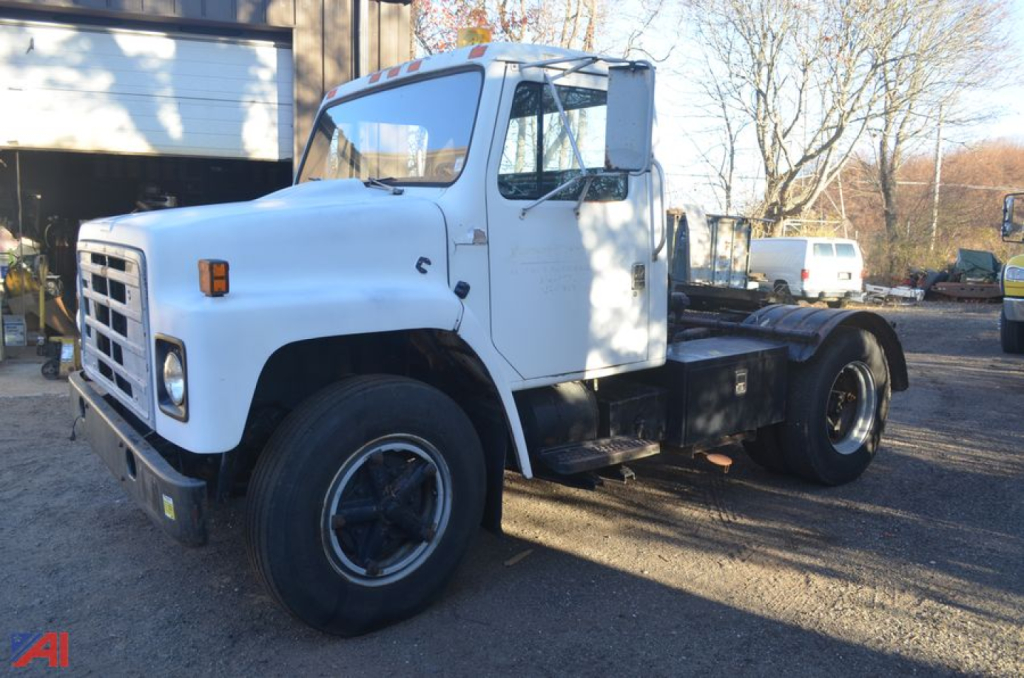

Selling a other truck? List your other truck for sale and reach thousands of commercial buyers.
Other Trucks in New York
Floor strength determines how a truck survives concentrated loads and impact. For flatbeds, dumps and service decks, compare floor material and substructure, AR plate like AR400 or Hardox resists gouging, extruded aluminum plank reduces tare weight and sheds corrosion. Crossmember spacing in the 8 to 12 inch range improves load distribution, deep main sills and full length outriggers mitigate point loads from equipment feet and pallets. Look for scuff liners, wear plates at the hoist hinge and tailgate, and sidewall reinforcements in scrap or demolition duty. Hooklift and roll off systems depend on rail section modulus and body locks, verify the hoist rating against the heaviest container plus debris, and confirm frame reinforcements around outrigger pockets on crane or bucket configurations.
Thermal integrity matters whenever product temperature or freeze protection affects the job. Insulated dump bodies keep asphalt workable longer, foam insulated sidewalls, dual purpose tarps and sealed tailgates reduce heat loss. Reefer straight trucks rely on foamed in place polyurethane, thermal breaks at door frames, high quality door gaskets and properly sealed scuff liners to prevent sweat and ice. Vacuum, jetter and septic trucks benefit from heated cabinets, glycol traced lines and insulated valves to prevent freeze ups in upstate winters. Cold weather packages should include block heaters, heated DEF lines, fuel tank heaters, high output alternators for work lights and hydraulics, and guard kits for radiators and charge air coolers in slush and salt.
Tare weight drives payload, toll class and fuel cost in New York, select aluminum bodies, wheels and tanks where appropriate, or high strength thin gauge steel to shed pounds without giving up durability. Verify axle ratings, pusher or tag lift geometry and suspension selection so the truck can scale legally on bridge formula while protecting steer axle weight in the boroughs. Corrosion resistance is critical with road salt and coastal air, prioritize e coated or epoxy primed frames, powder coated or galvanized subframes, stainless hardware and hydraulic tanks, sealed harnesses, heat shrink terminals and dielectric grease at critical connectors. Add robust underbody protection and rinse access, isolate dissimilar metals with barriers to prevent galvanic attack, and specify composite fenders and non porous liners in high splash zones for longer service life.
Frequently Asked Questions about Other Trucks in New York
How do I evaluate floor strength on a dump, flatbed or service body truck?
Start with floor material, thickness and the substructure that supports it. AR plate like AR400 or Hardox resists abrasion from rock and scrap, extruded aluminum plank saves weight for palletized freight. Tighter crossmember spacing spreads point loads from machinery and forklifts, deep sills limit flex, and full length outriggers or gussets protect the deck where cranes, stabilizers or pallet jacks bear. Inspect weld quality, wear plates at hinge and gate areas, and scuff liners to reduce wall damage. Match the body rating to real loads, including impact and off center lifts.
What corrosion protection should I prioritize for New York operations?
Salt brine and freeze thaw cycles attack frames, wiring and hydraulics, so aim for multi layer protection. Look for e coated or epoxy primed frames, powder coated or hot dip galvanized subframes and accessories, stainless or aluminum tanks and toolboxes, sealed wiring with heat shrink terminals, and protected air lines. Use isolators wherever aluminum meets steel, apply dielectric grease at connectors and anti seize on hardware, and consider underbody coatings with access for routine rinsing. Stainless fasteners, stainless or composite hydraulic lines at spray zones and closed cell body mounts help extend service life.
When is thermal integrity a priority on a specialty truck?
Any job where product temperature or freeze protection affects productivity or safety requires attention to thermal details. Asphalt work benefits from insulated dump bodies, tight tarp systems and sealed tailgates to retain heat. Food and pharma delivery on straight reefers depends on foamed in place insulation, robust door seals, thermal breaks and well sealed scuff liners. Sewer, jetter and vacuum work in winter calls for heated cabinets, insulated valves and traced lines to prevent freeze ups. Pair these with block heaters, heated DEF lines and adequate alternator output to support heaters and controls.
How does tare weight affect legal payload and cost in New York?
Lower tare weight increases legal payload under bridge formula, reduces toll class triggers on some facilities and typically improves fuel economy. Aluminum bodies, wheels and liftable axles can shed hundreds of pounds, high strength steel allows thinner sections without losing capacity. Balance weight across steer, drive and any lift axles so the truck scales on your routes, and verify suspension and brake ratings. Saving 500 to 1,000 pounds can translate into more revenue per trip or the ability to carry necessary tools and winter gear without overloading an axle.
How should I match the engine, transmission and PTO to vocational equipment?
Size the powertrain for torque at the RPM where your PTO or hydraulic system will operate. Many vocational builds benefit from a live drive PTO or a rear mount unit with adequate continuous duty rating. Choose gear ratios that let the engine hold grade at target speeds while maintaining PTO performance at fast idle, automatics like Allison with integral retarders help in stop start and hilly terrain. Add higher capacity cooling, larger alternators and appropriate hydraulic filtration and reservoir sizing for cranes, packers, blowers or vacuum pumps, then confirm access for maintenance around the body and outriggers.