
Freightliner Other Trucks For Sale in New York
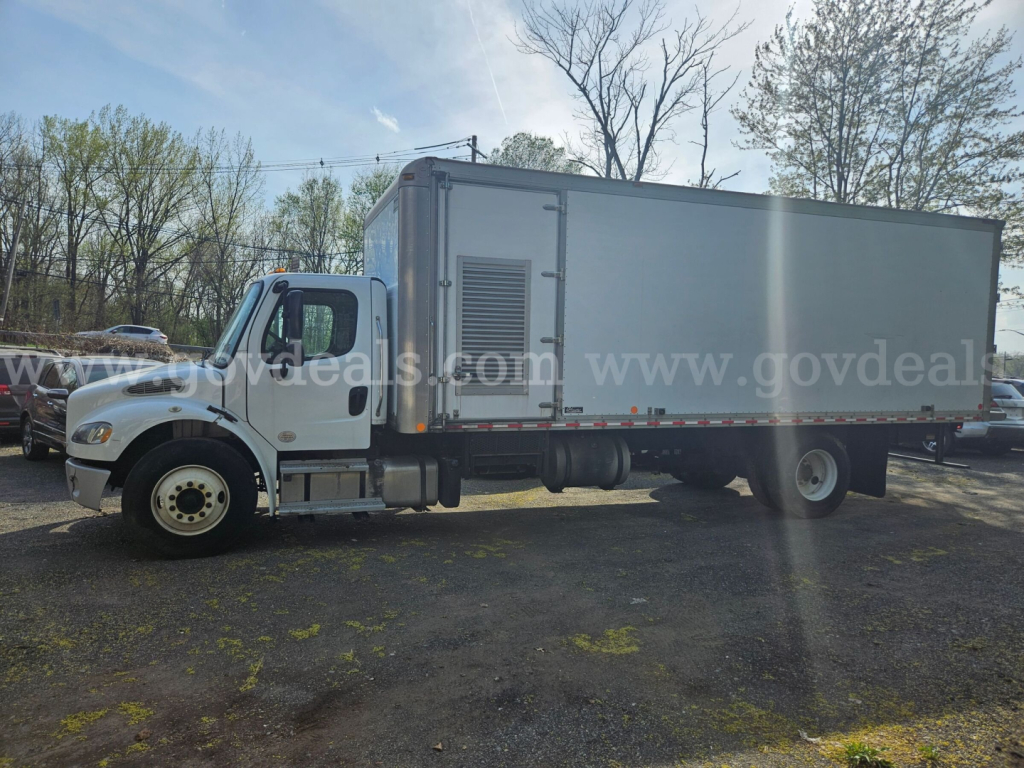
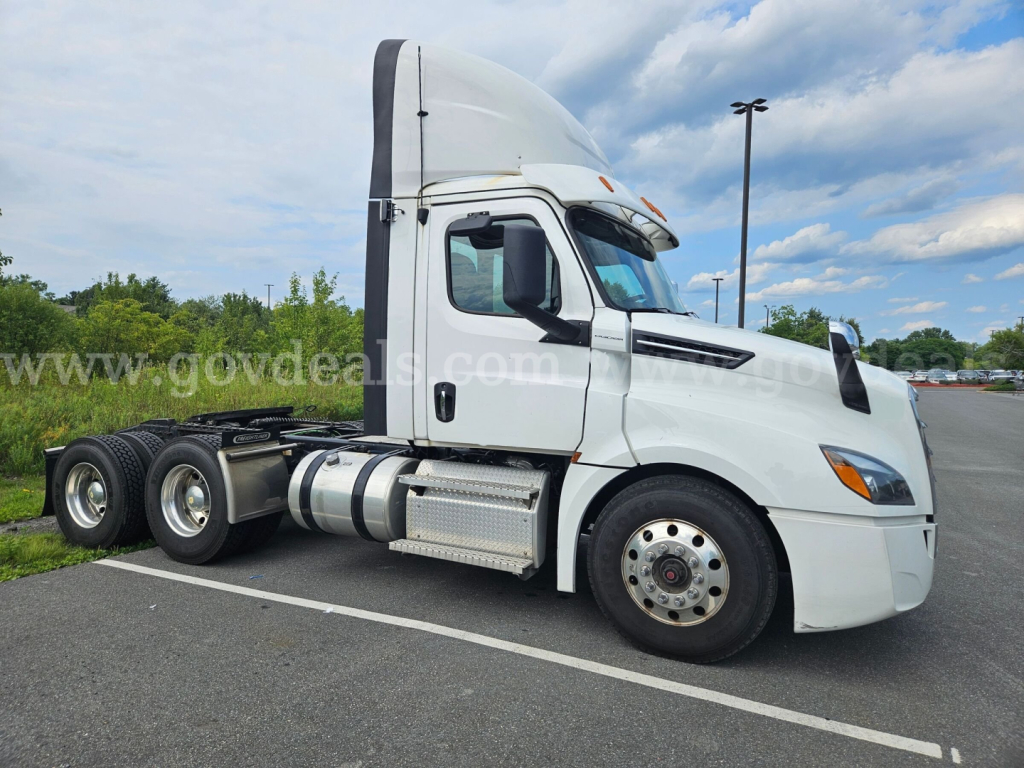
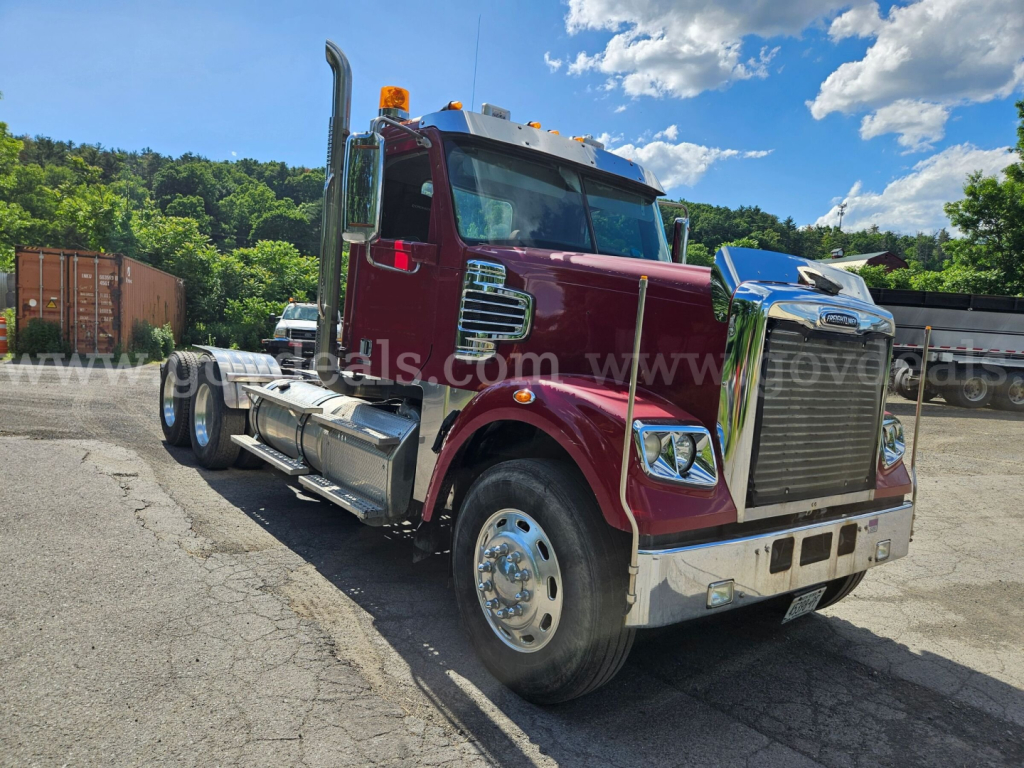
Have freightliner other truck to sell? List it here to reach thousands of buyers.
Freightliner Other Trucks in New York
Frequently Asked Questions about Freightliner Other Trucks in New York
What kinds of trucks are usually listed under Freightliner other trucks?
This category often includes specialty units built on Freightliner chassis, such as service trucks, municipal trucks, insulated-body trucks, spray foam rigs, day cab tractors with unique spec packages, and vocational builds that do not fall into a standard body classification. Buyers should evaluate the truck by its actual application, body equipment, PTO or hydraulic needs, axle rating, and registration class rather than relying only on the category label.
What specs matter most when comparing Freightliner other trucks?
Start with the chassis class and intended job. Key items include GVWR or GCWR, front and rear axle ratings, wheelbase, engine family, transmission type, PTO capability, suspension, brake configuration, and any body-specific equipment such as compressors, generators, tanks, HVAC systems, or wet line components. On New York jobs, turning radius, bridge-law considerations, and whether the truck can be operated under a CDL threshold can also make a major difference in day-to-day usability.
Are Freightliner other trucks good for vocational and municipal work?
Freightliner chassis are widely used in vocational service because they can be spec'd across a broad range of applications. Medium-duty M2 trucks are common in contractor, utility, and service roles, while heavier platforms can support tractors, heavy-haul setups, and severe-duty work. Buyers should confirm that the frame, axle capacity, gearing, and PTO provisions match the equipment mounted on the truck, especially if the unit will run hydraulic tools, body systems, or specialized payloads.
Should I choose an automatic or manual transmission in this category?
That depends on the job cycle and driver pool. Automatic and automated manual transmissions can reduce driver fatigue in stop-and-go urban work and may simplify training, which is useful in dense New York operating conditions. Manual transmissions still appeal in some heavy vocational applications where drivers want direct control, especially on specialized tractors or trucks working with high-load startability requirements. The right choice comes down to route profile, gross weight, maintenance preferences, and who will be behind the wheel.
What should I inspect on a used Freightliner specialty truck?
Look beyond the cab and powertrain. Inspect the body installation, frame condition, PTO operation, hydraulics, wiring quality, air system health, and signs of corrosion around mounts, crossmembers, and underbody components. If the truck has emissions equipment, review DPF, SCR, and injector service records. On specialty units, the mounted equipment can be as important as the truck itself, so service history, hours on auxiliary systems, and replacement cost of body components should be part of the buying decision.