
2026 Mack Trucks For Sale in Alaska
Browse 2026 Mack trucks in Alaska, including dump, day cab, and sleeper models built for heavy hauling, severe duty work, and cold climates.
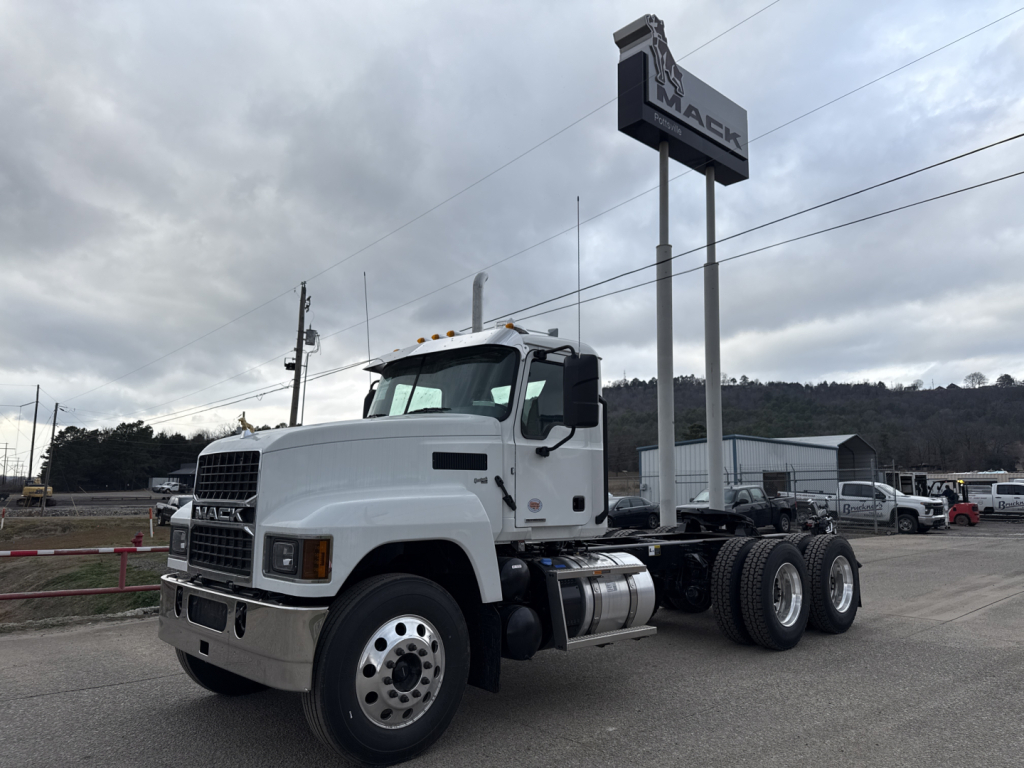
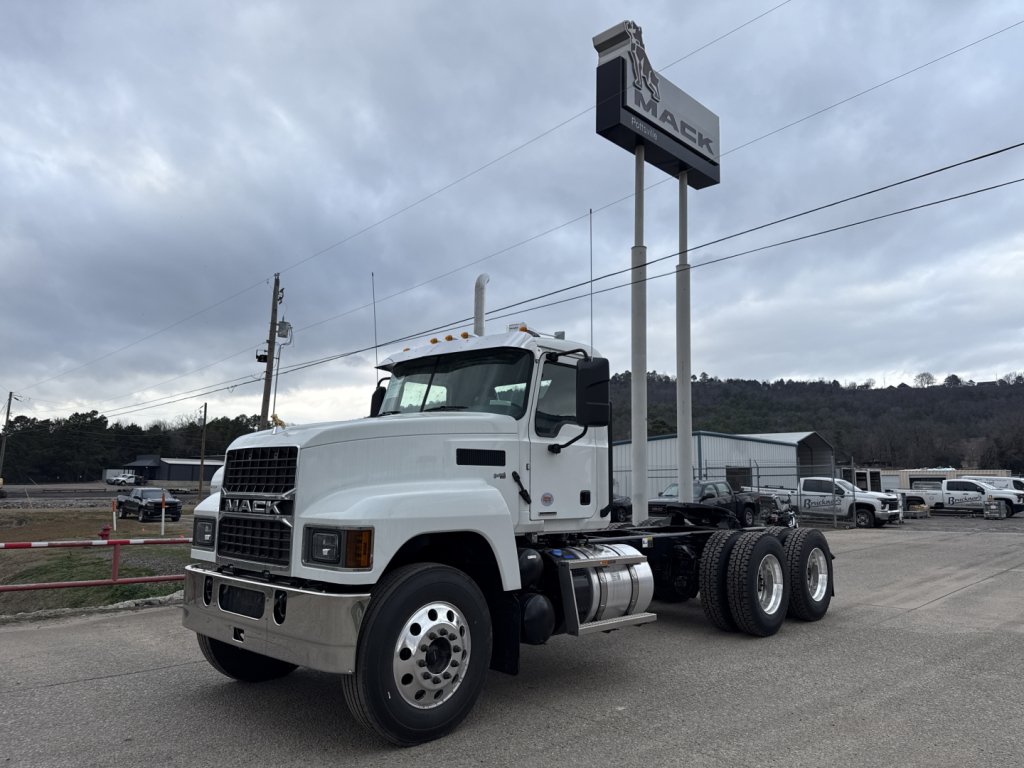
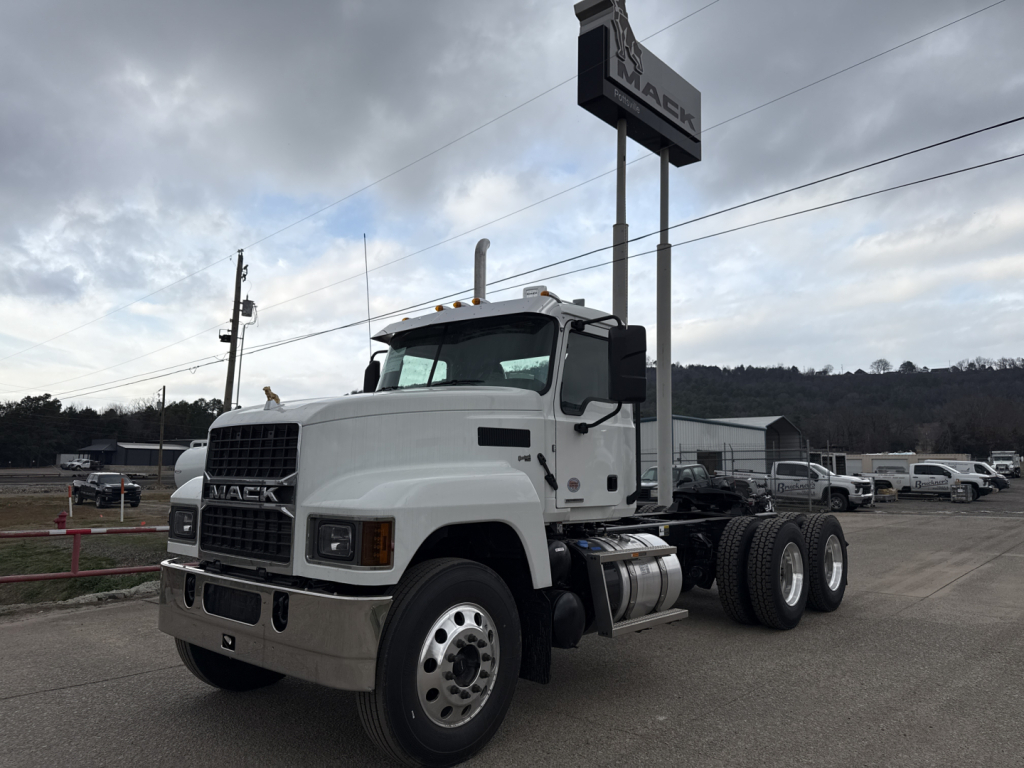
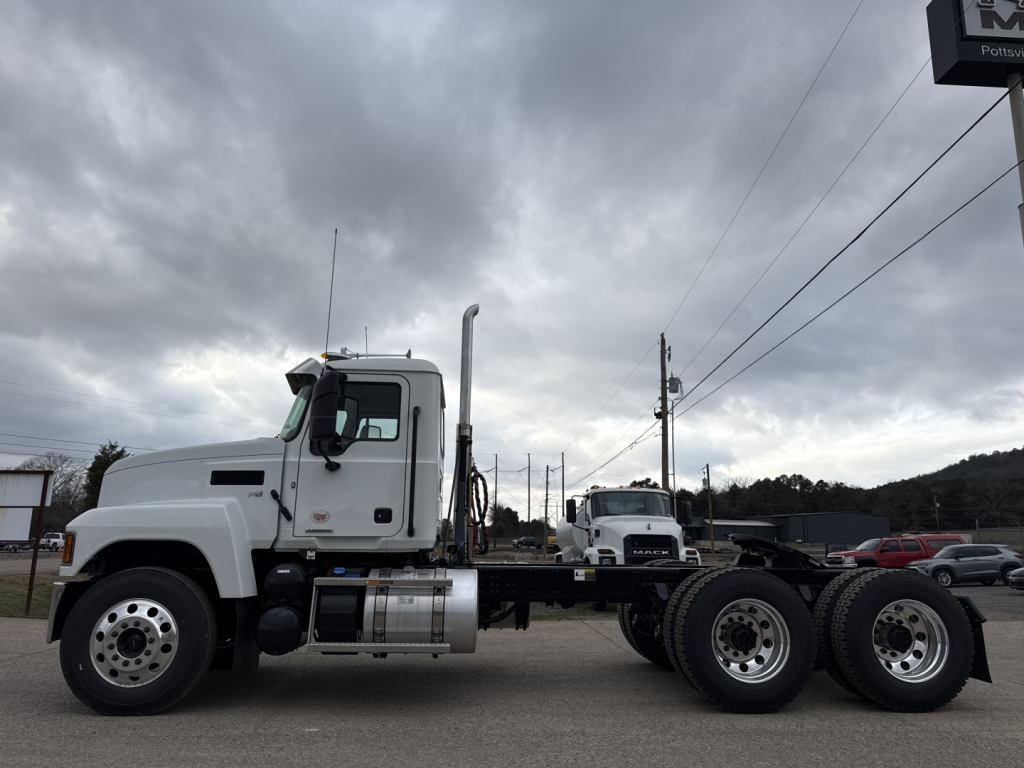

Selling a 2026 mack truck? List your 2026 mack truck for sale and reach thousands of commercial buyers.
2026 Mack Trucks in Alaska
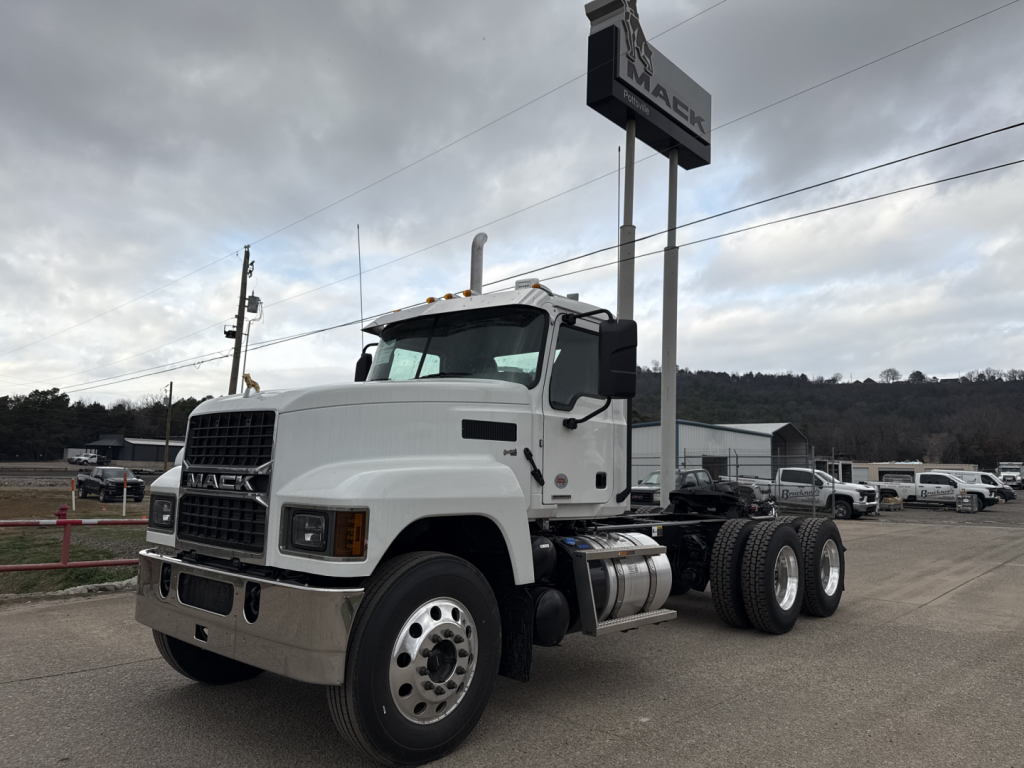
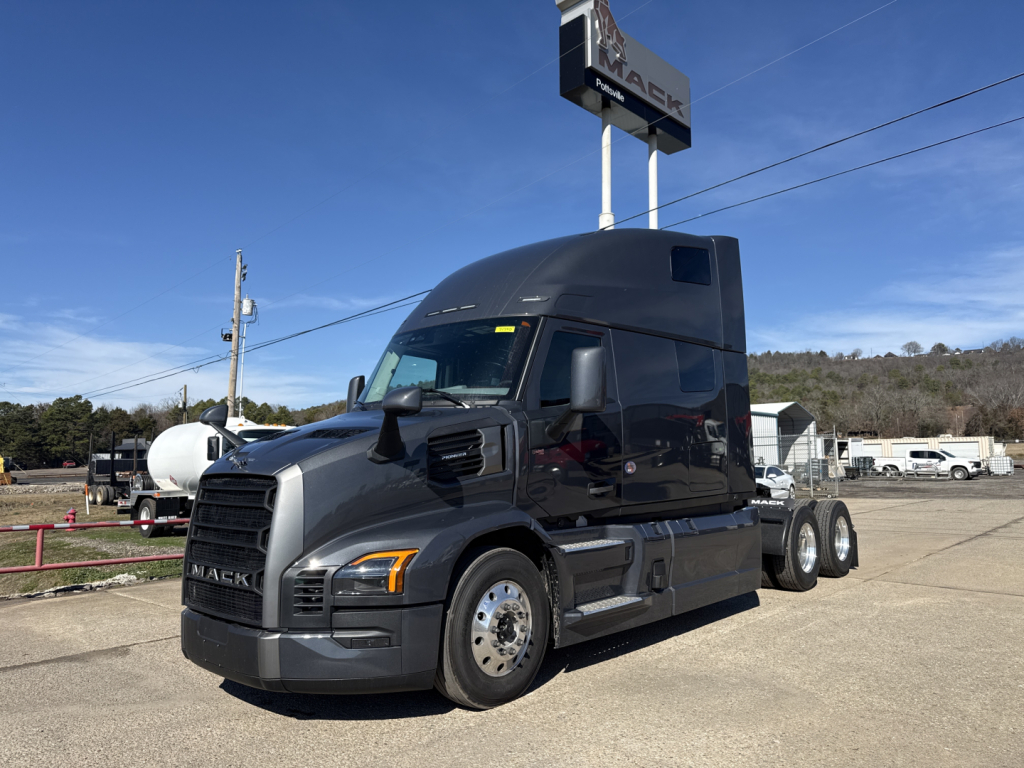
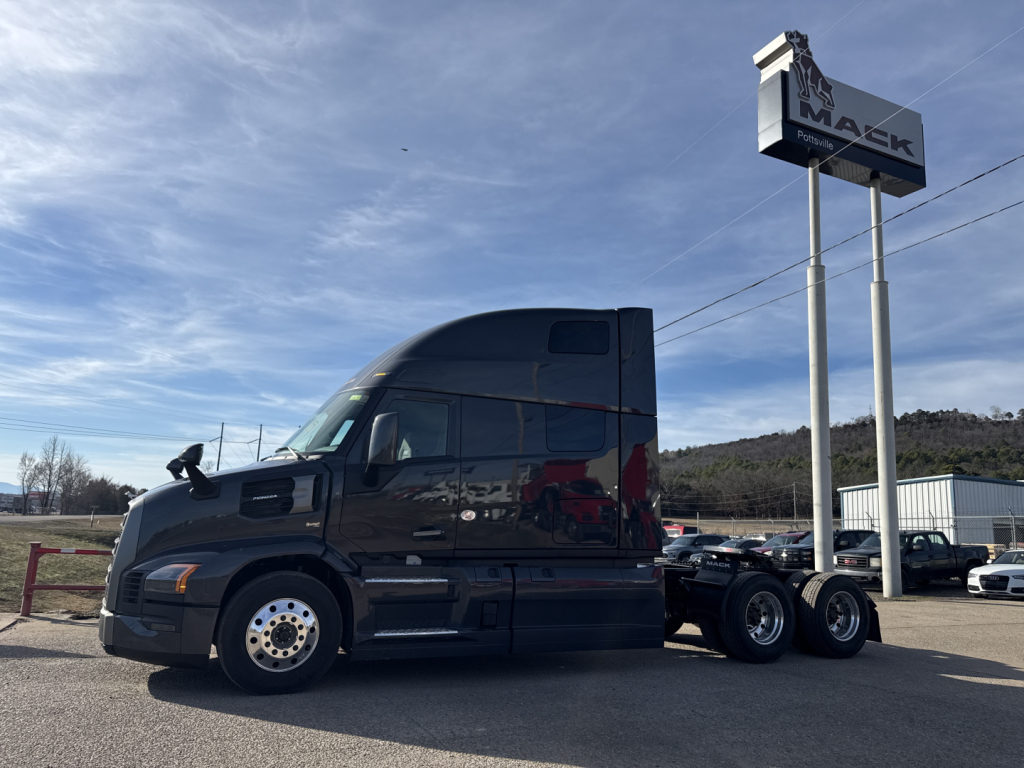
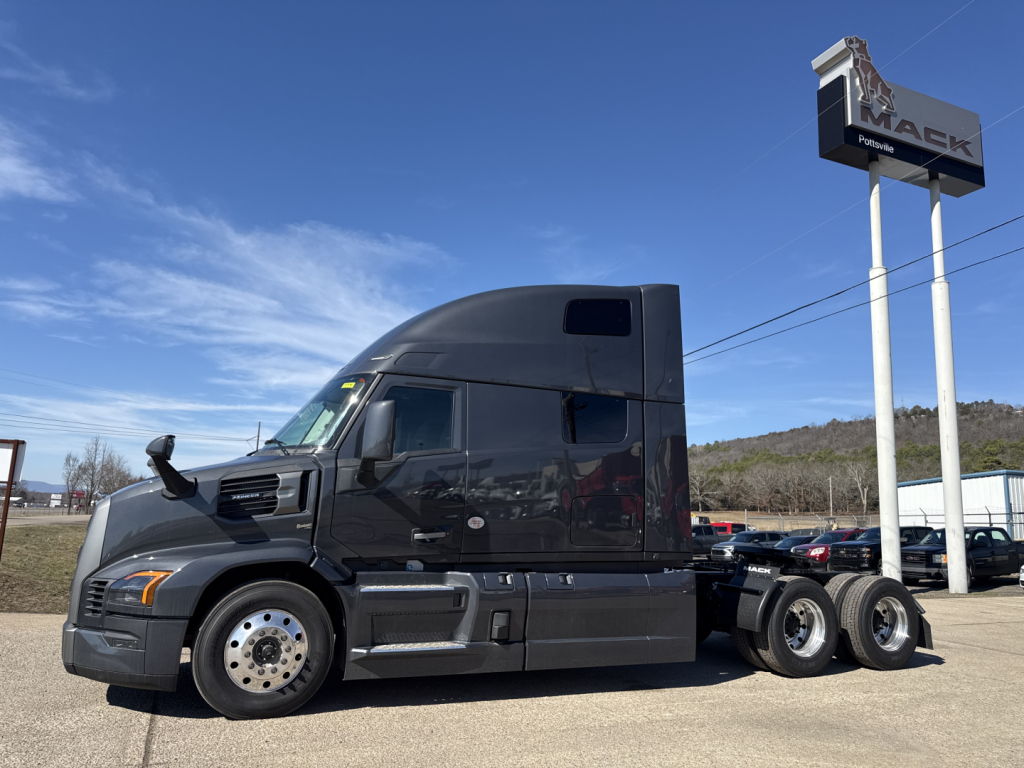
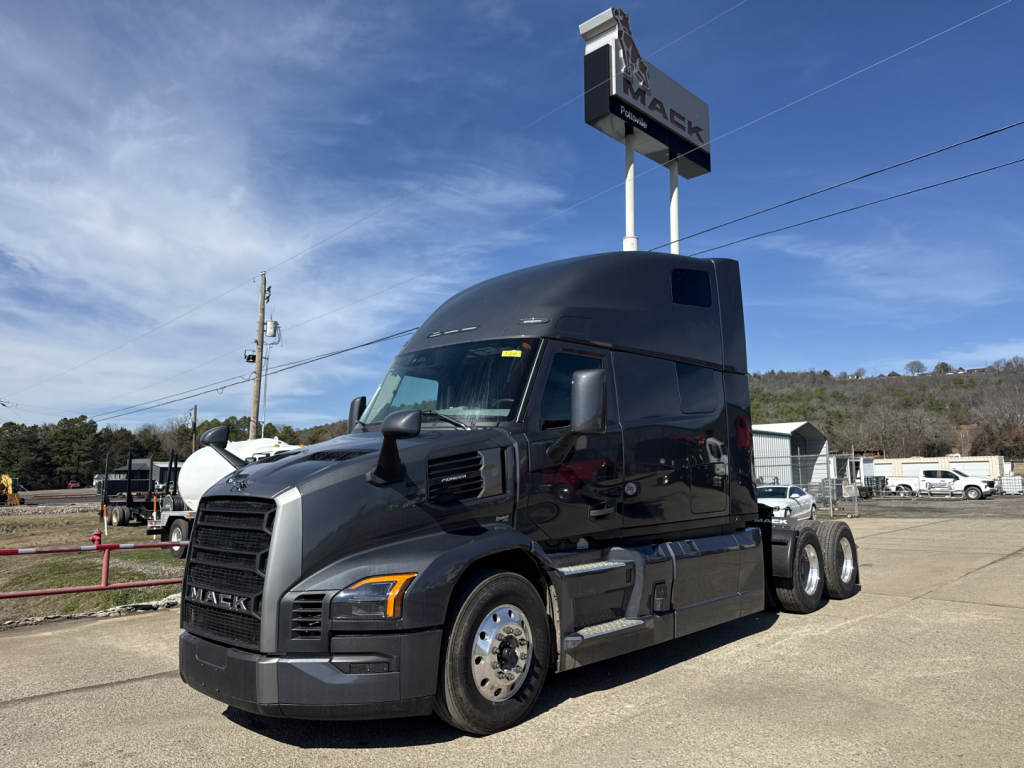
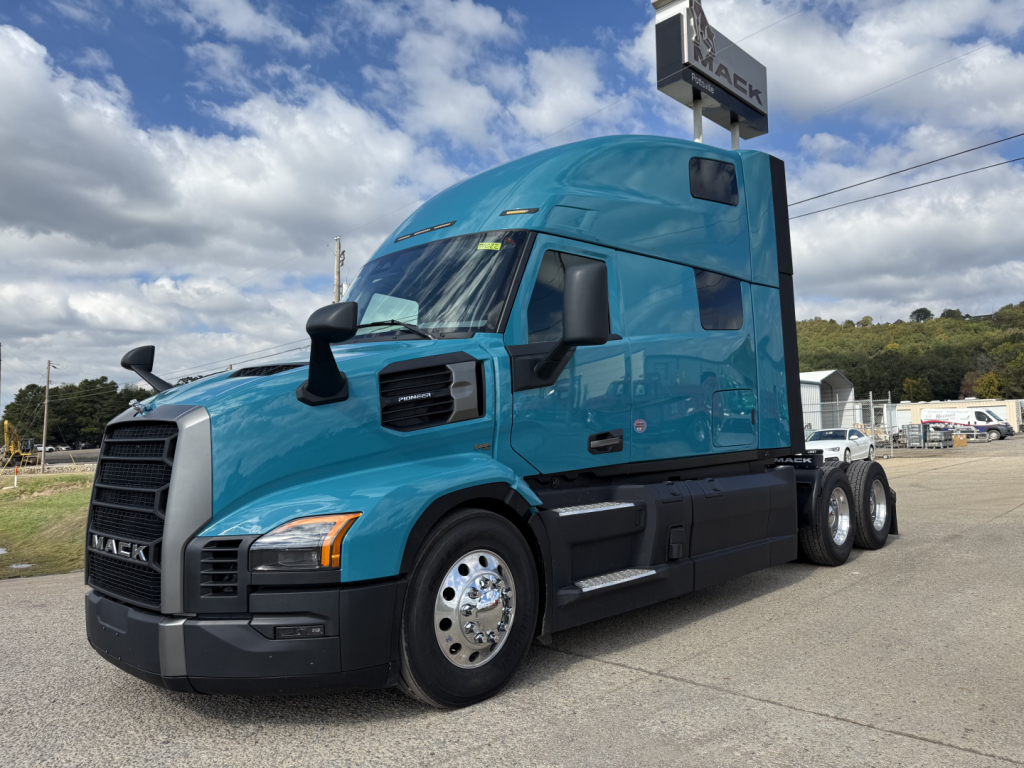
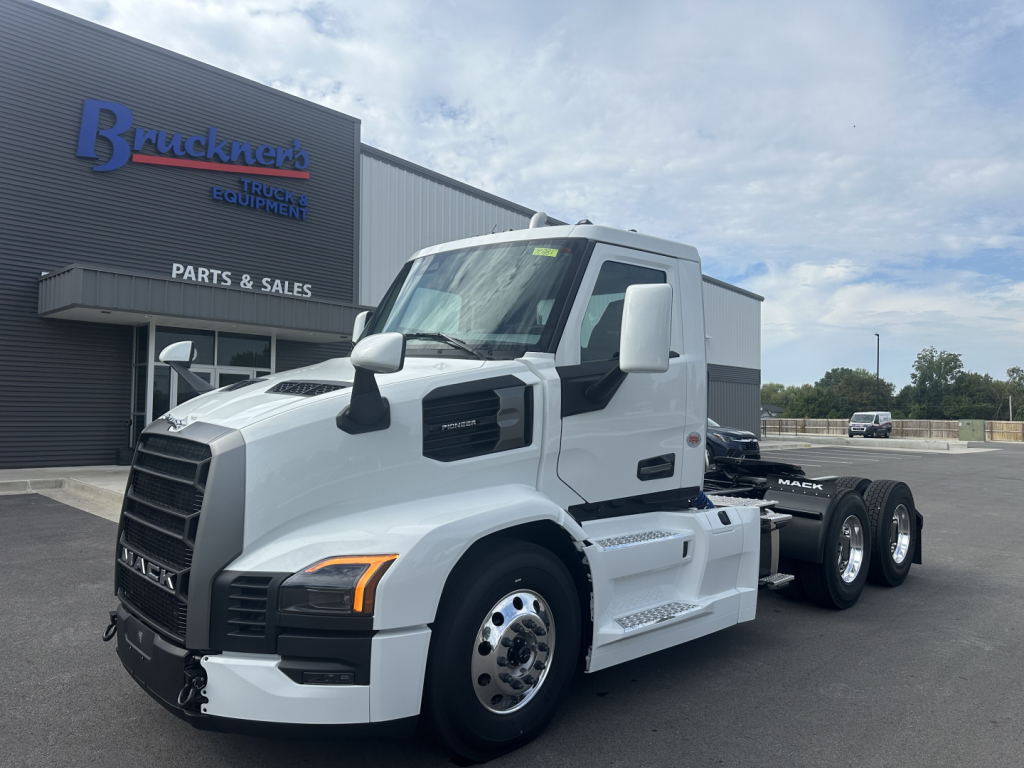
For on-highway use, 2026 Mack conventional sleeper and day cab models are often spec’d with the MP series engine and the Mack mDRIVE automated manual transmission. Common decision points include horsepower, torque, rear axle ratio, and sleeper size. A 76-inch high-roof sleeper, for example, is set up for over-the-road work and longer runs, while a day cab is a more practical choice for regional hauling, terminal work, or short-cycle operations. Fuel capacity also matters in Alaska, where route length and fuel stop availability can shape the right tank layout. Wheelbase should be matched to trailer type, bridge law considerations, and turning needs, especially if the truck will see a mix of highway and tighter jobsite access.
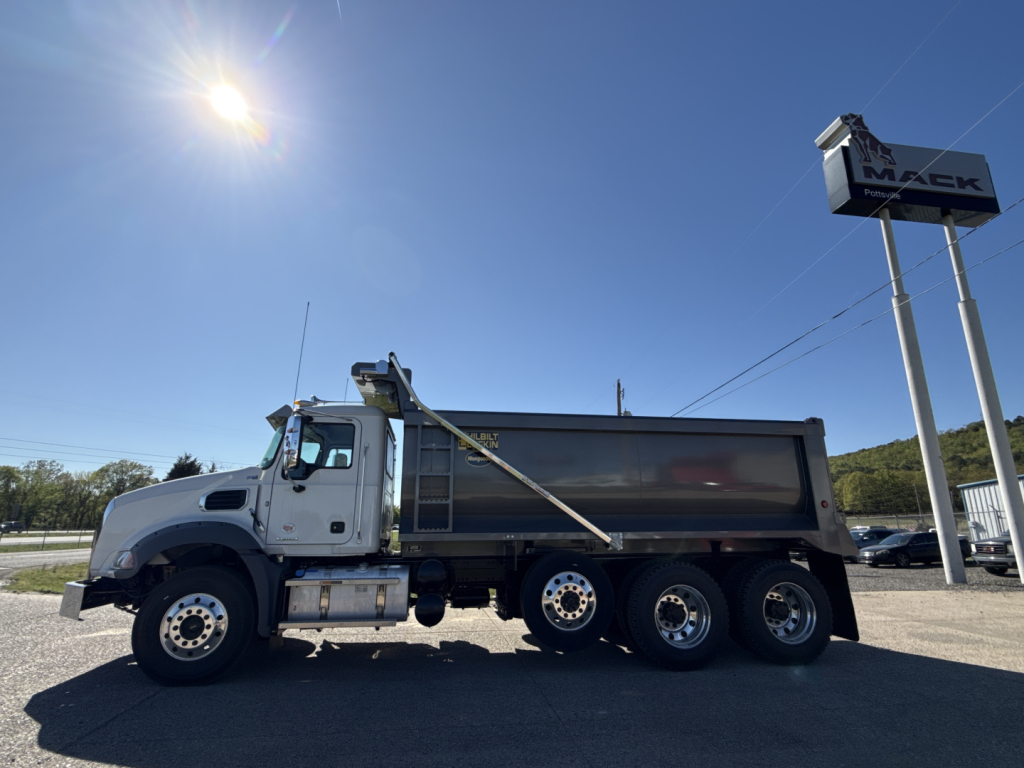
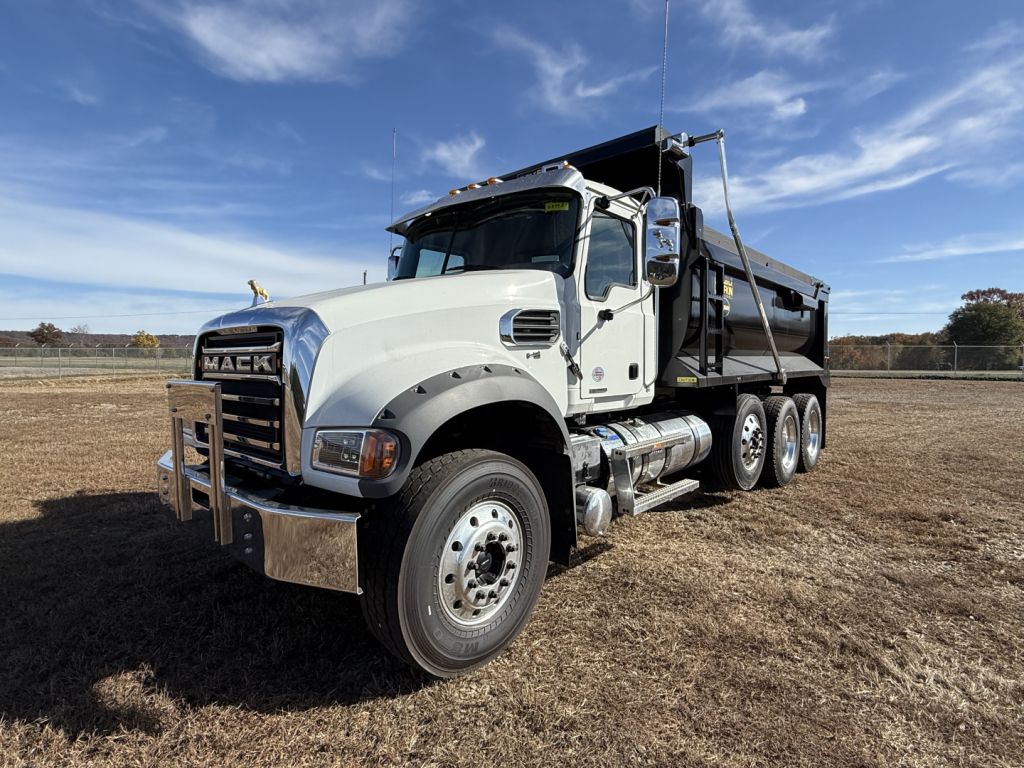
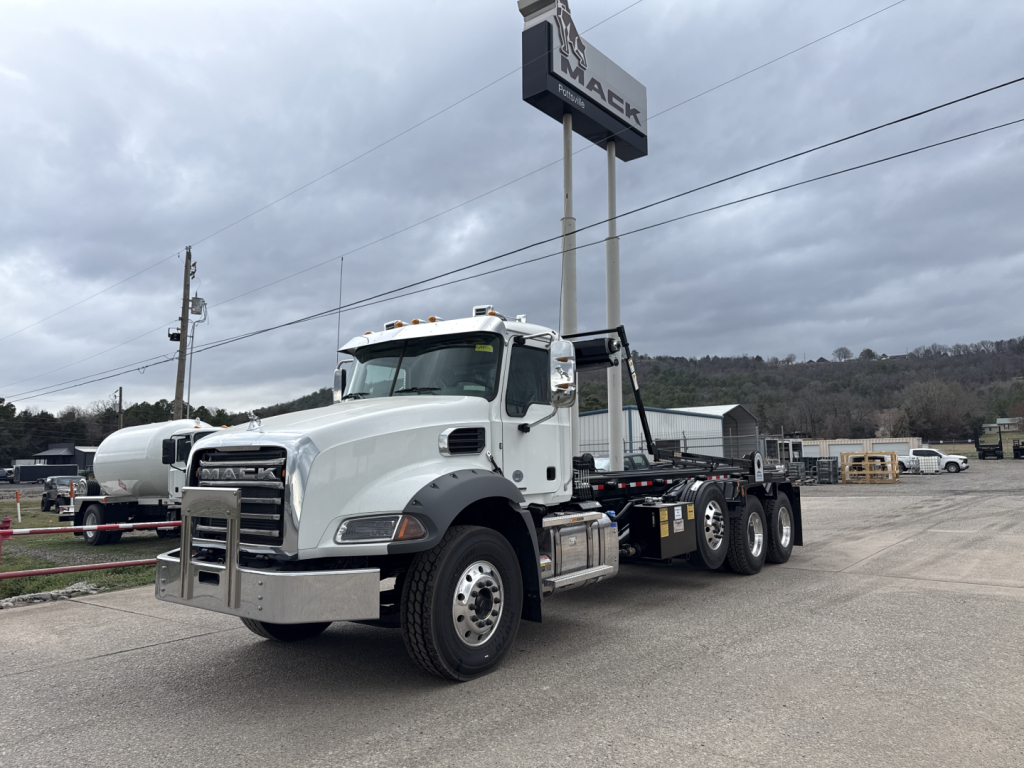
On the vocational side, Mack dump trucks remain popular because the brand has a long reputation for rugged chassis design, heavy front axles, durable rear suspensions, and driveline specs built for construction, aggregate, and municipal work. Buyers should pay attention to body compatibility, frame reinforcement, pusher or tag axle requirements, PTO setup, and brake configuration. In cold regions, practical details carry more weight than brochure specs. Battery capacity, block heater setup, cab insulation, heated mirrors, traction aids, and tire selection can make a real difference in uptime. Severe-duty buyers should also evaluate ground clearance, set-back or set-forward axle layout, and how the suspension and tires are matched to off-road versus mixed-service use.
Across the 2026 Mack truck range, the big advantage is that these trucks are usually spec’d with a clear job in mind rather than as generic fleet units. That makes it important to compare intended use against actual build details instead of shopping by model name alone. A sleeper tractor configured for highway fuel economy is a very different machine from a Mack dump built for low-speed, high-load cycles, even if both carry the same model year badge. For buyers in Alaska, the smartest comparison is not just new versus used or day cab versus sleeper, but how each truck’s engine, transmission, axle package, and cab equipment line up with weather, terrain, payload, and maintenance demands.
Frequently Asked Questions about 2026 Mack Trucks in Alaska
What types of 2026 Mack trucks are common in this category?
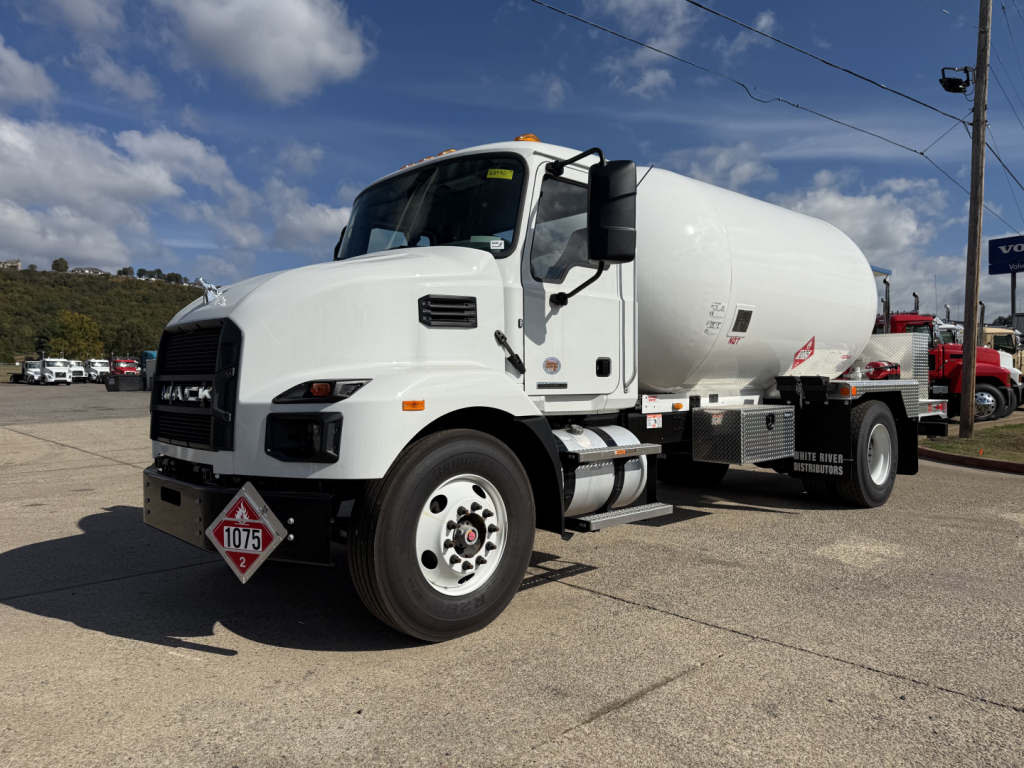
The 2026 Mack truck category can include conventional sleeper tractors, conventional day cab tractors, dump trucks, and other vocational configurations depending on how each chassis was ordered. Mack builds trucks for both highway and severe-duty work, so two trucks from the same model year may have very different axle ratings, frame specs, and drivetrain setups. Buyers should compare the truck’s actual configuration and intended application rather than relying only on the cab style or model designation.
What should I look for in a 2026 Mack truck for Alaska operating conditions?
Cold-weather equipment and chassis spec are especially important in Alaska. Buyers should check for features such as block heaters, strong battery capacity, heated mirrors, effective cab heat, appropriate fuel tank setup, and tire choices suited to snow, ice, or mixed terrain. Axle ratio, suspension, and traction configuration also matter because long grades, remote routes, and winter road conditions place more demand on the driveline than a typical lower-48 highway operation.
Is a Mack day cab or sleeper better for my operation?
A day cab is generally the better fit for local hauling, short regional routes, port work, and operations where maximizing maneuverability and reducing empty weight matter more than driver living space. A sleeper is the better choice for over-the-road runs, long distances between stops, and operations that need overnight capability. The right decision depends on route length, driver schedule, payload goals, and how much wheelbase and fuel capacity the application requires.
Are Mack dump trucks a good choice for heavy vocational work?
Mack dump trucks are widely used in construction, aggregate, paving, and municipal applications because they are commonly built with heavy-duty frames, strong front axle ratings, vocational suspension options, and driveline packages designed for repeated starts, rough surfaces, and high-GCW work. The best way to evaluate one is by looking at the complete chassis spec, including axle capacity, transmission, PTO readiness, brake package, and any lift axle or body-related requirements tied to the job.
Why do axle ratings, wheelbase, and gear ratio matter so much on a 2026 Mack truck?
These three items shape how the truck works every day. Axle ratings determine legal and practical load capacity, wheelbase affects trailer compatibility and turning radius, and gear ratio influences startability, cruising rpm, and grade performance. A truck with the wrong combination can be less efficient, less maneuverable, or poorly matched to the terrain and payload. For that reason, serious buyers compare these hard specs early in the shopping process instead of treating them as minor details.