
2026 Mack Conventional Sleeper Trucks For Sale in Alaska
Shop 2026 Mack conventional sleeper trucks with MP13 power, M-Drive automation, high-roof sleepers, and long-haul specs built for comfort.
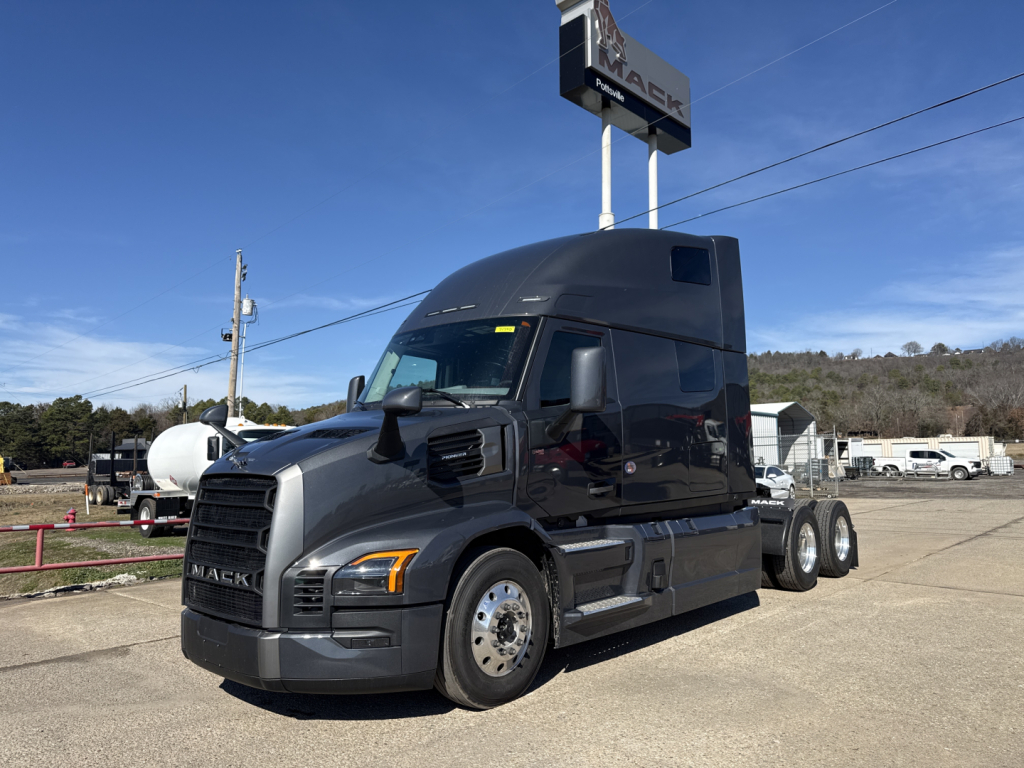
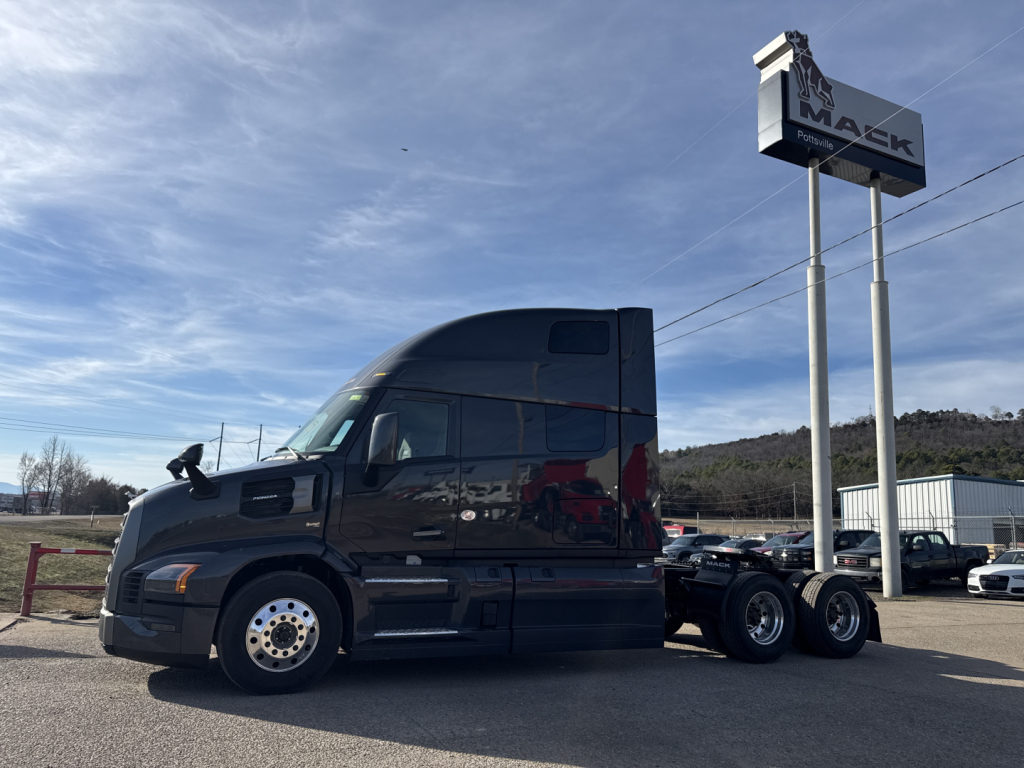
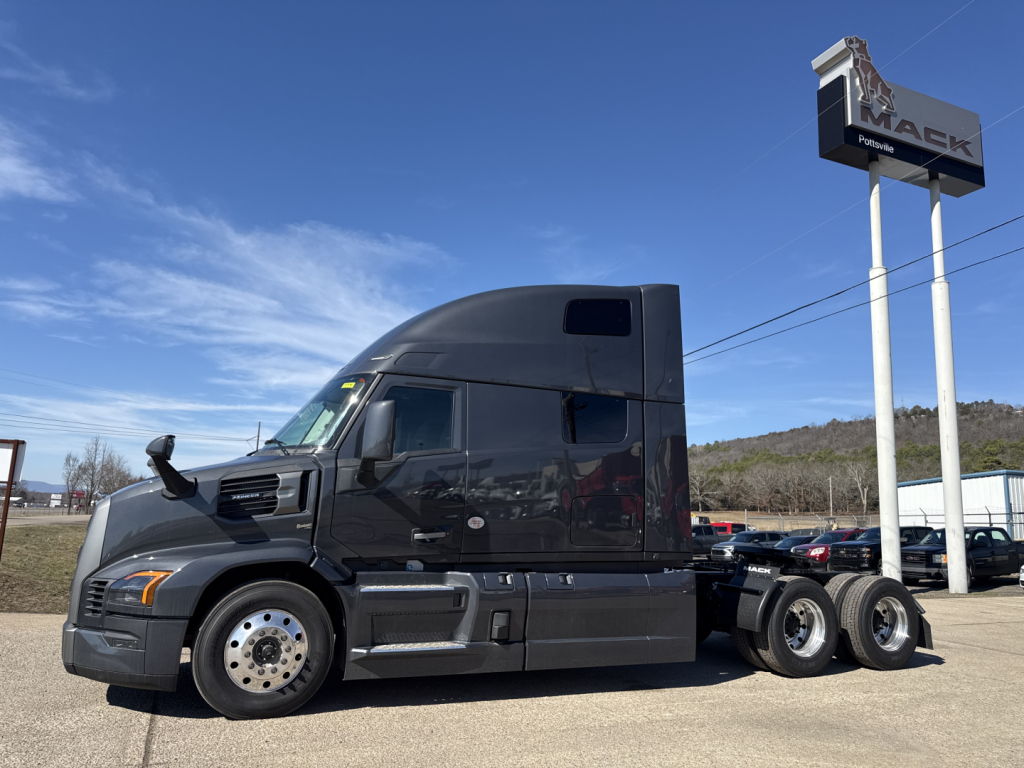
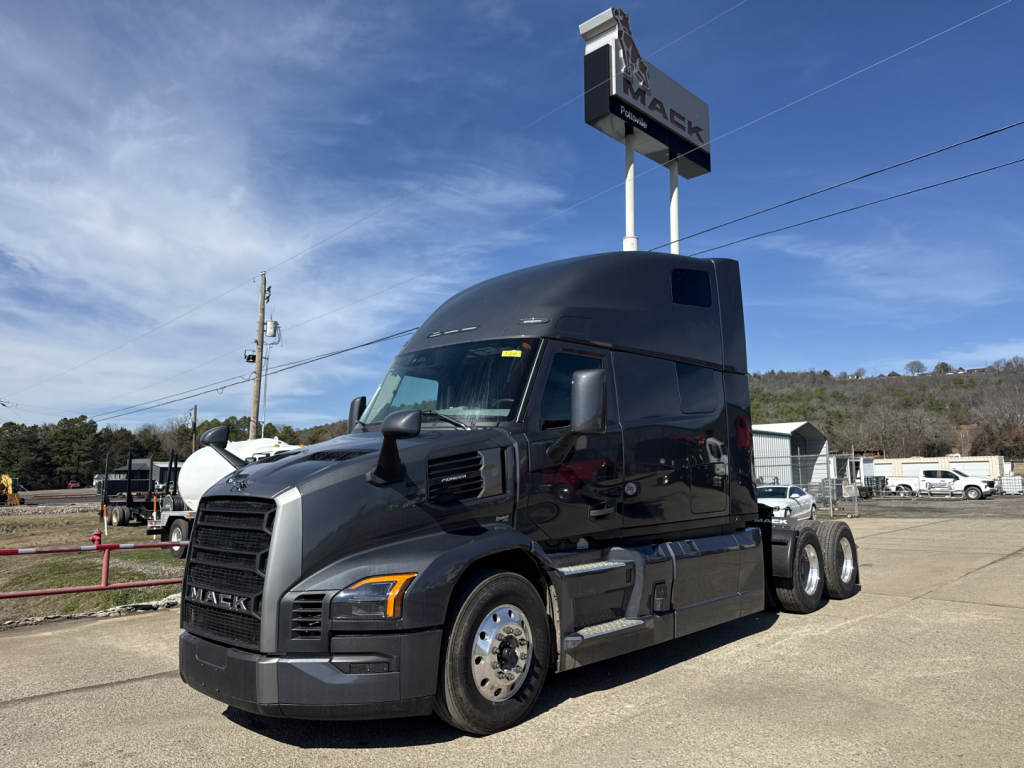
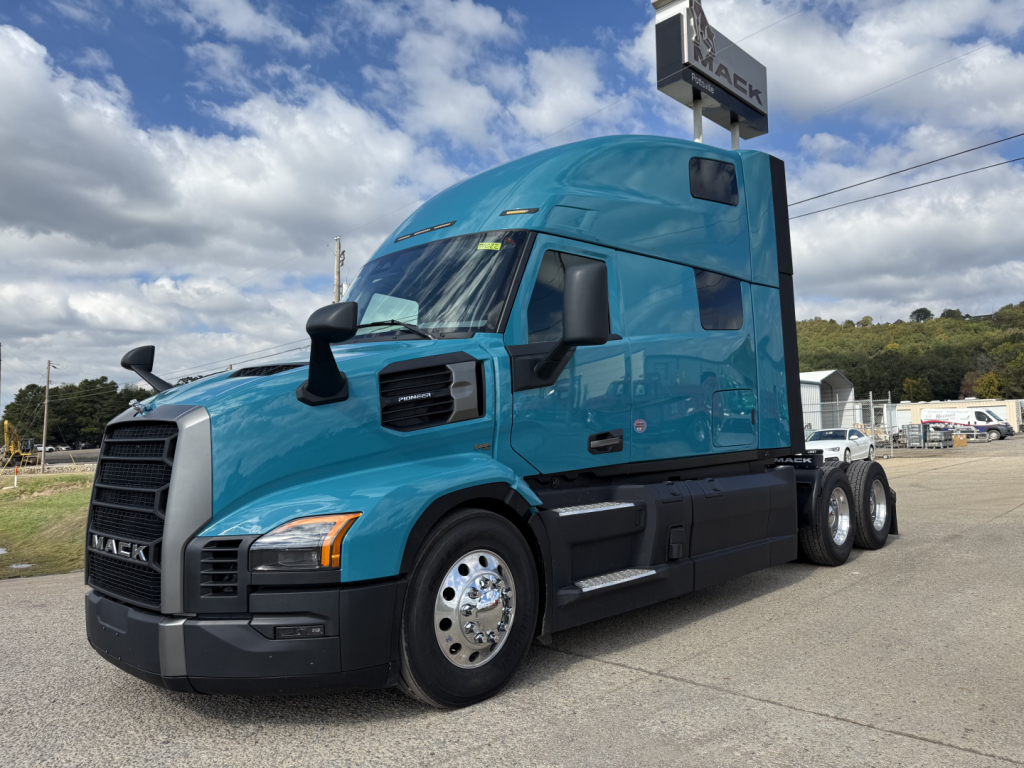
Selling a 2026 mack conventional sleeper truck? List your 2026 mack conventional sleeper truck for sale and reach thousands of commercial buyers.
2026 Mack Conventional Sleeper Trucks in Alaska
The sleeper itself is one of the biggest decision points. A 76-inch high-roof sleeper gives a driver enough room for over-the-road work, team operation, or extended regional runs with fewer compromises on storage and stand-up space. Parking heaters, electronic climate control, and larger fuel capacity matter more in real-world use than they do on a spec sheet, especially for carriers running cold-weather lanes or longer gaps between fueling stops. For Alaska buyers, cab heat, bunk comfort, and fuel range deserve extra attention because operating conditions can punish trucks that are underspecified for cold starts, idle reduction, and remote routing.
Wheelbase, rear ratio, and tank layout should be matched to the freight network. A wheelbase in the 228-inch to 238-inch range is common for sleeper tractors set up for standard 53-foot trailer work, and a 2.64 rear ratio signals a fuel-economy highway spec aimed at keeping engine rpm down at cruise speed. Dual fuel tank setups in the 250-gallon to 325-gallon combined range are also typical for long-haul use. Buyers should confirm fifth wheel position, frame layout, and weight distribution if they expect to run heavy reefer loads, bulk cube, or operations where bridge law and steer axle loading can become a factor.
For this Mack category, the real value is in the integrated powertrain and driver-focused road spec. Mack’s MP13 and M-Drive combination is widely considered a strong fit for fleets that want consistent shift logic, reduced driver fatigue, and a straightforward spec for highway service. On a new 2026 truck, emissions compliance, CARB and EPA certification, and current safety electronics will also be part of the buying conversation. The smartest comparison between listings is not just price. It is sleeper size, axle ratings, wheelbase, ratio, fuel capacity, and how well the truck’s spec matches the lanes, terrain, and trailer types it will actually pull.
Frequently Asked Questions about 2026 Mack Conventional Sleeper Trucks in Alaska
What is the typical application for a 2026 Mack conventional sleeper truck?
A 2026 Mack conventional sleeper is primarily used as a highway road tractor for long-haul and regional freight. It is commonly matched with dry vans, refrigerated trailers, and general freight operations where the driver needs an onboard sleeping area and enough fuel capacity for extended runs. A conventional sleeper spec usually prioritizes aerodynamics, driver comfort, and fuel economy over vocational off-road capability.
What engine and transmission are common in this Mack sleeper category?
A common setup in this category is the Mack MP13 engine rated around 445 horsepower with the Mack M-Drive automated manual transmission. That combination is designed for linehaul performance, efficient highway cruising, and reduced driver workload. Buyers should still compare horsepower, torque rating, rear axle ratio, and software calibration to make sure the truck matches the average gross weight and terrain of the intended routes.
Is a 76-inch high-roof sleeper a good choice for long-haul work?
Yes. A 76-inch high-roof sleeper is a strong fit for over-the-road use because it gives the driver more standing room, storage, and living space than a mid-roof or day cab configuration. That extra room matters on multiday trips, team driving, and routes where the truck spends significant time away from terminals. It also tends to support better driver retention when comfort is part of the fleet spec.
Why does rear axle ratio matter on a conventional sleeper truck?
Rear axle ratio affects launch feel, cruise rpm, gradeability, and fuel economy. A ratio like 2.64 is typically chosen for highway freight where the goal is lower engine speed at road speed and better fuel efficiency. That can be an excellent fit for van and reefer operations on flatter interstate lanes, but buyers running heavier loads or steeper terrain should confirm that the ratio works with the transmission gearing and tire size.
What should Alaska buyers pay attention to on a Mack sleeper spec?
Alaska buyers should pay close attention to cold-weather readiness, fuel range, bunk heating, and overall drivability in remote conditions. A parking heater, strong HVAC performance, adequate battery capacity, and practical tank sizing become more important when temperatures drop and service intervals can be affected by distance. It is also smart to review wheelbase, axle ratings, and tire setup based on the trailer mix and the road conditions the truck will see throughout the year.