
2026 Mack Conventional Daycab Trucks For Sale in Alaska
Shop 2026 Mack conventional daycab trucks with specs for regional haul, vocational use, axle ratings, wheelbase, drivetrain, and PTO options.
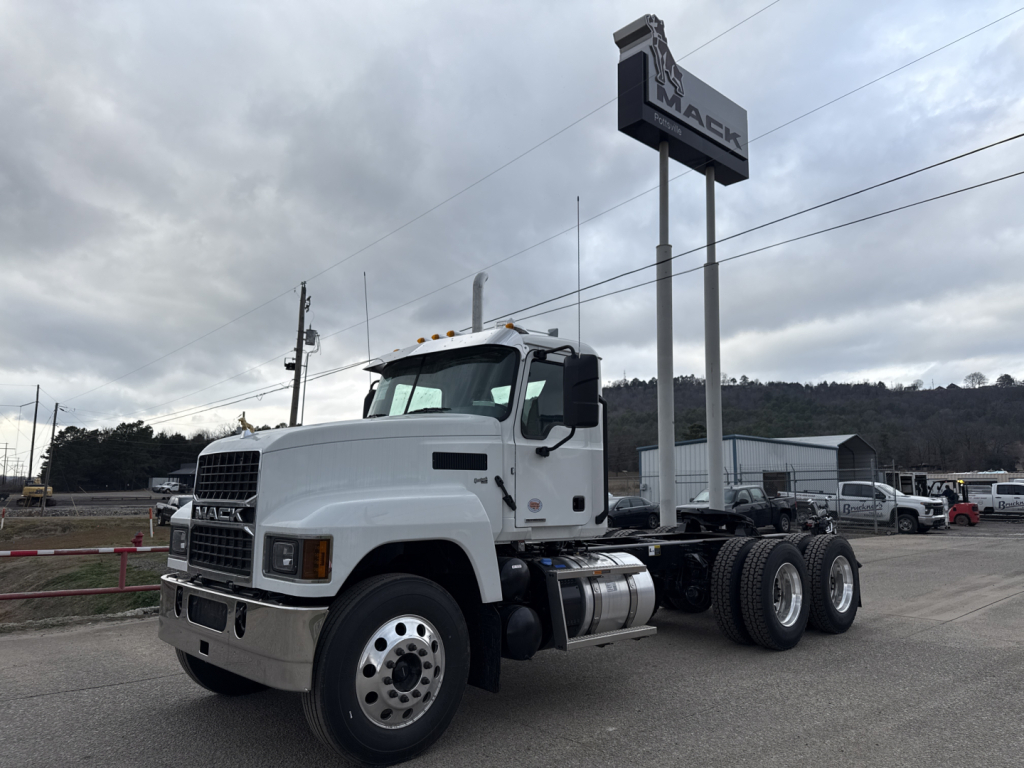
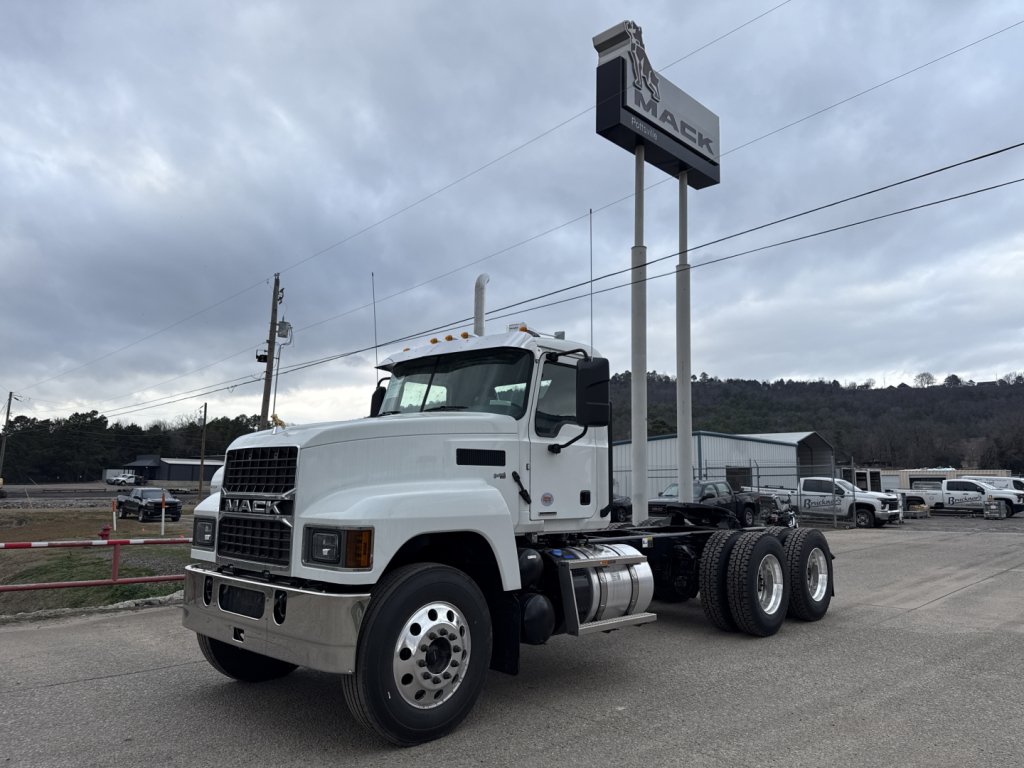
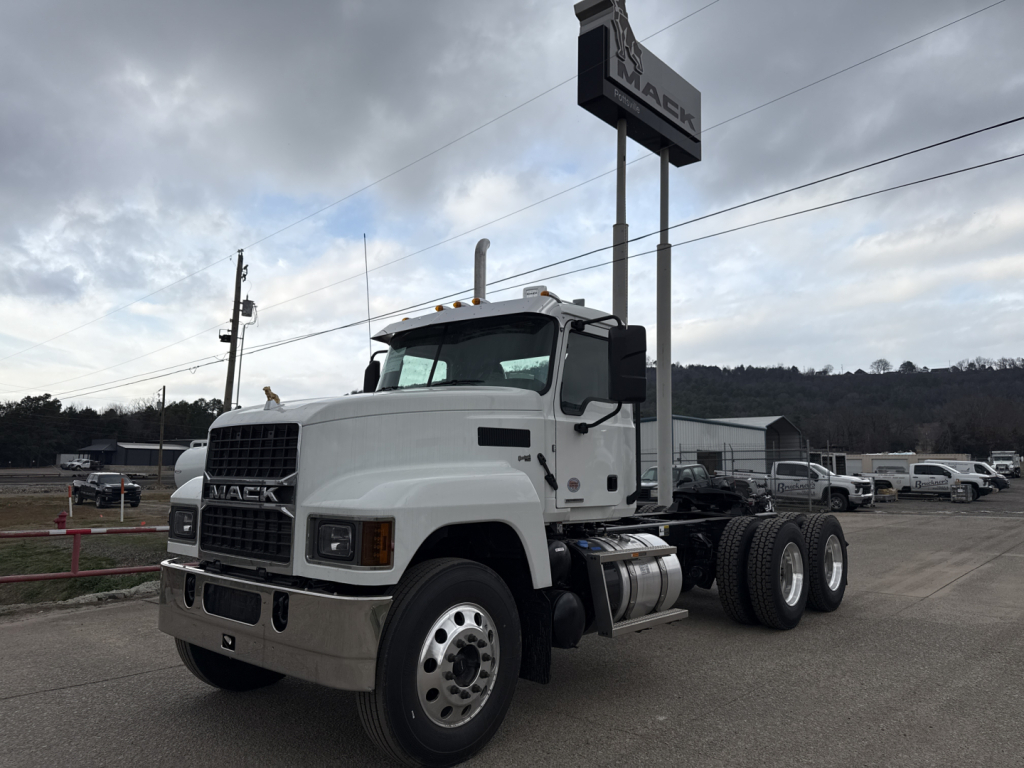
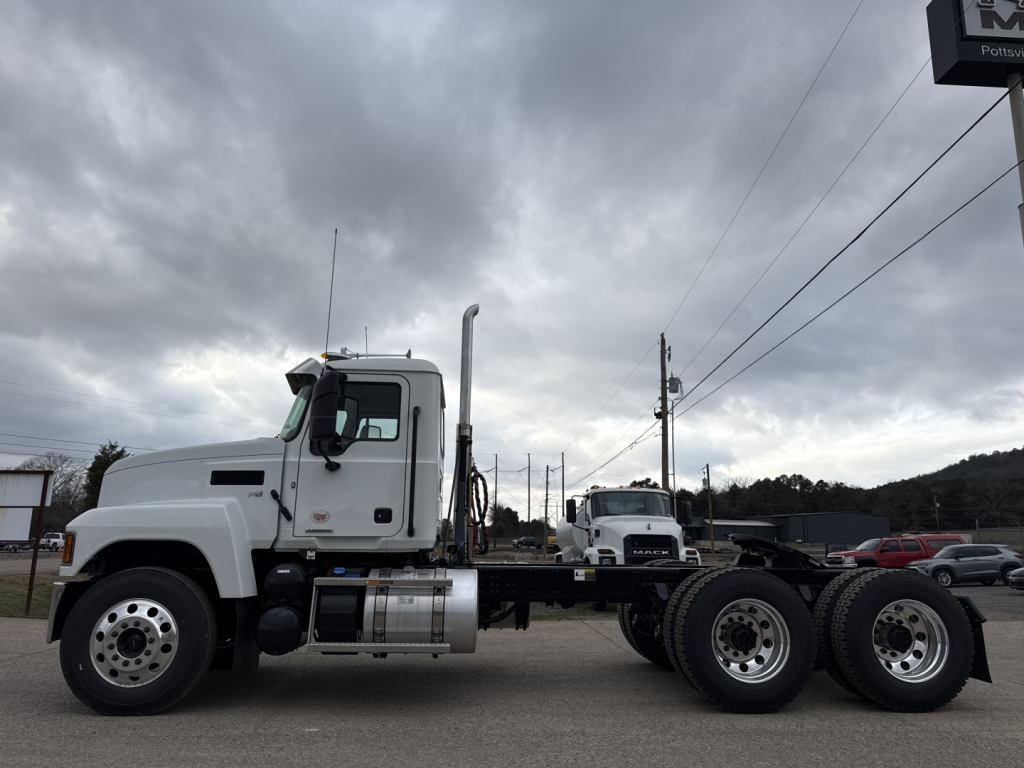
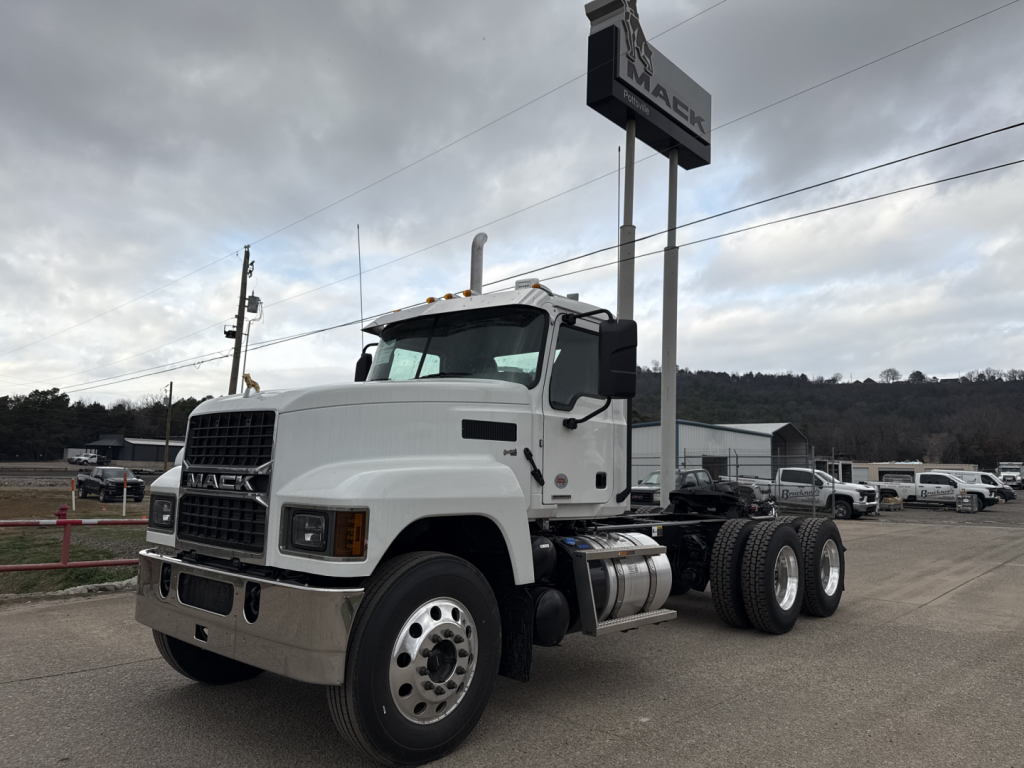
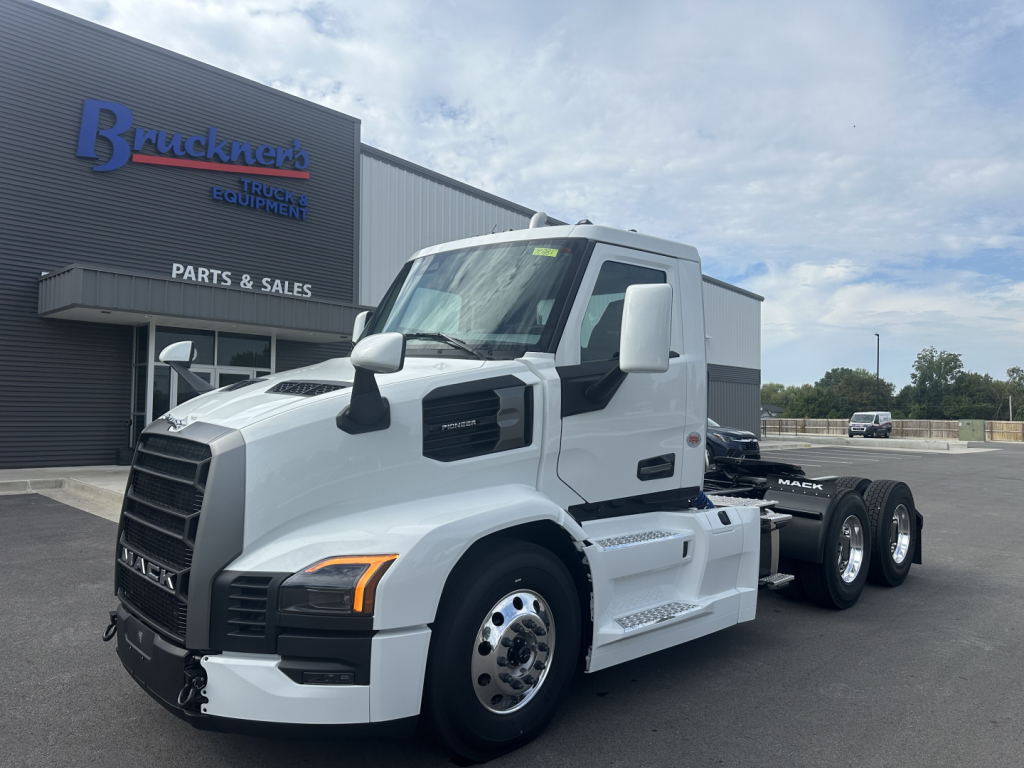
Selling a 2026 mack conventional daycab truck? List your 2026 mack conventional daycab truck for sale and reach thousands of commercial buyers.
2026 Mack Conventional Daycab Trucks in Alaska
Powertrain selection is a major decision point. Many 2026 Mack conventional daycabs are equipped with the Mack MP8, a 13-liter engine commonly spec'd in the mid-400 horsepower range for strong pulling power without moving into an oversized fuel burn profile for regional work. Buyers will also see the Mack M-Drive automated manual transmission frequently paired with that engine, often in a 12-speed overdrive configuration. That combination is popular because it balances launch performance, cruise efficiency, and driver consistency. Rear axle ratios such as 3.56 are common for buyers trying to hold highway speed while still keeping the truck usable in heavier starts. If the truck will handle steep grades, heavy tank, or off-pavement job access in Alaska, power divider and differential lock are worth close attention.
Chassis and running gear matter just as much as horsepower. A conventional Mack daycab may be spec'd with a 12,000-pound front axle and 40,000-pound rear axles on an air ride suspension such as Mack’s S40R, which is a solid fit for general highway freight and many specialized trailer applications. Wheelbase affects bridge compliance, trailer gap, weight distribution, and turning radius, so a setup around the low-200-inch range is a practical middle ground for many fleets. Fifth wheel choice also matters more than some buyers expect. A stationary Holland-style fifth wheel can be ideal in dedicated trailer service, while fleets with mixed trailer lengths may prefer a sliding configuration. PTO provisions are another key detail for buyers planning to run hydraulic systems for wet kits, blowers, pumps, or other auxiliary equipment.
For Alaska operations, spec discipline is especially important. Cold weather starting, traction management, corrosion resistance, tire selection, and fuel system planning can matter as much as the base engine rating. Buyers should pay attention to wheel and tire size, axle locking features, battery capacity, and how the truck is geared for long distances between service points. A Mack conventional daycab is generally best for operations that want a durable, straightforward tractor with a roomy cab, strong visibility, and proven vocational adaptability. The best unit is usually the one whose drivetrain, suspension, and wheelbase match the trailer type and route profile, not simply the one with the highest horsepower rating.
Frequently Asked Questions about 2026 Mack Conventional Daycab Trucks in Alaska
What is a Mack conventional daycab truck best used for?
A Mack conventional daycab truck is best suited for regional haul, local delivery, tanker work, flatbed service, port drayage, construction support, and other applications where the driver returns home daily. The absence of a sleeper reduces weight and overall length, which can improve payload, maneuverability, and maintenance access. In a heavy-spec configuration, a conventional daycab can also serve demanding vocational tractor roles.
What engine and transmission are common in a 2026 Mack conventional daycab?
A common setup in this category is the Mack MP8 engine paired with the Mack M-Drive automated manual transmission. The MP8 is a 13-liter diesel often spec'd around the mid-400 horsepower range for regional and heavy linehaul work. The M-Drive 12-speed overdrive is popular because it helps standardize shifting, supports fuel efficiency, and performs well in mixed traffic and variable terrain.
Why do rear axle ratio and wheelbase matter on a daycab tractor?
Rear axle ratio affects startability, cruising rpm, fuel economy, and grade performance. A ratio such as 3.56 is a common compromise between highway efficiency and pulling ability. Wheelbase affects bridge law compliance, trailer swing clearance, turning radius, and how weight is distributed across the axles. Buyers should match both specs to trailer type, freight weight, and route conditions instead of choosing them in isolation.
Should I choose a Mack daycab with locking differentials and power divider?
If the truck will operate on snow, ice, gravel, unpaved yards, steep grades, or jobsite entrances, locking differentials and power divider are highly valuable. These features improve traction by helping both drive axles and wheels maintain usable torque in poor surface conditions. For Alaska service, they are often more than convenience items and can be important uptime features.
What should Alaska buyers focus on when shopping for a Mack conventional daycab?
Alaska buyers should focus on traction spec, cold-weather starting capability, axle ratings, corrosion resistance, battery capacity, tire setup, and serviceability. Long distances, severe weather, and variable road conditions can make a standard lower-48 fleet spec less suitable. A properly spec'd Mack daycab for Alaska should balance highway gearing with winter drivability, and it should have the right suspension, differential features, and PTO or auxiliary provisions for the work being done.