
2026 Mack Trucks For Sale in Washington
Browse 2026 Mack trucks for sale in Washington, including highway, medium-duty, and vocational models built for hauling, delivery, and jobsite work.
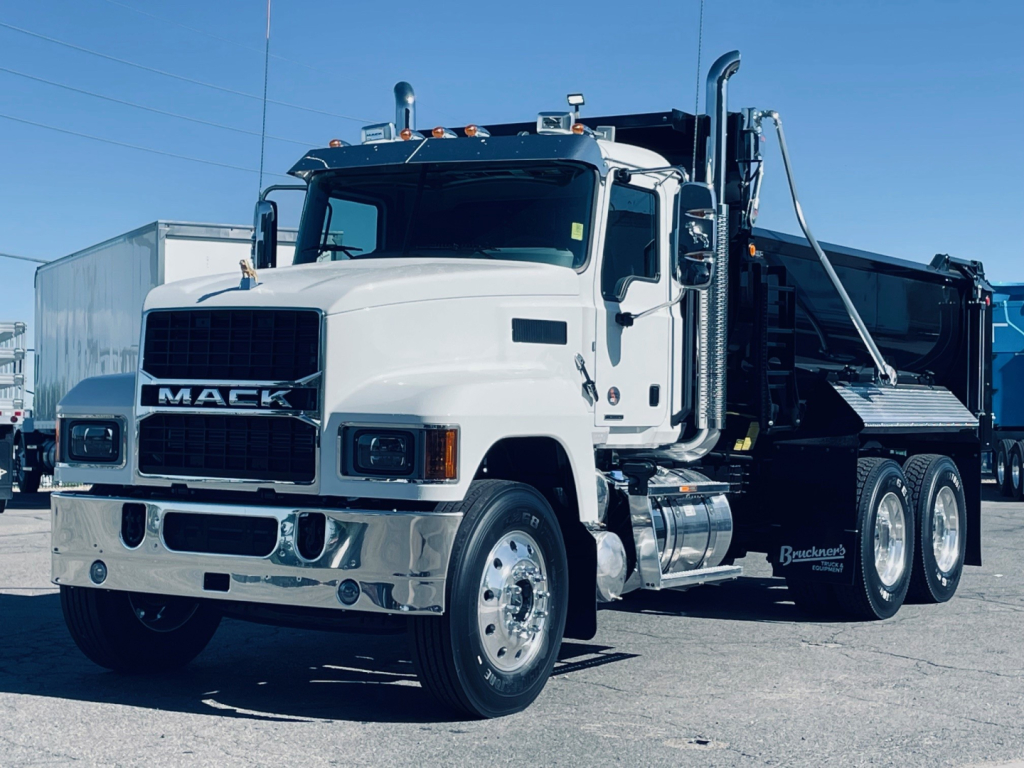
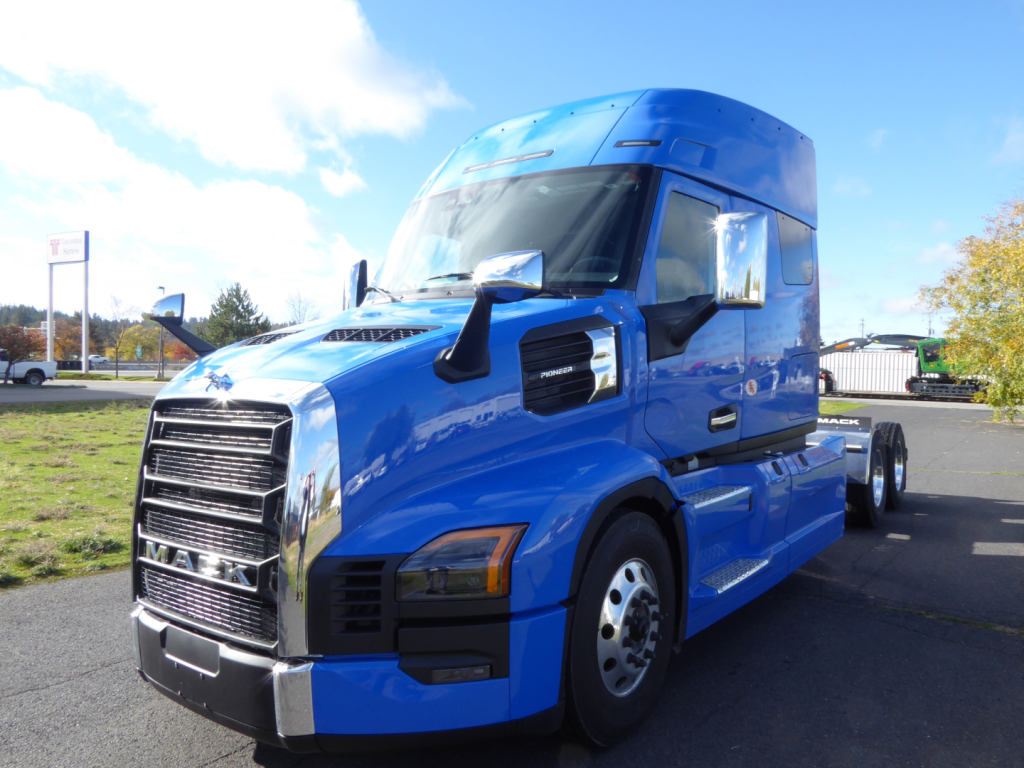
2026 Mack PR64T64
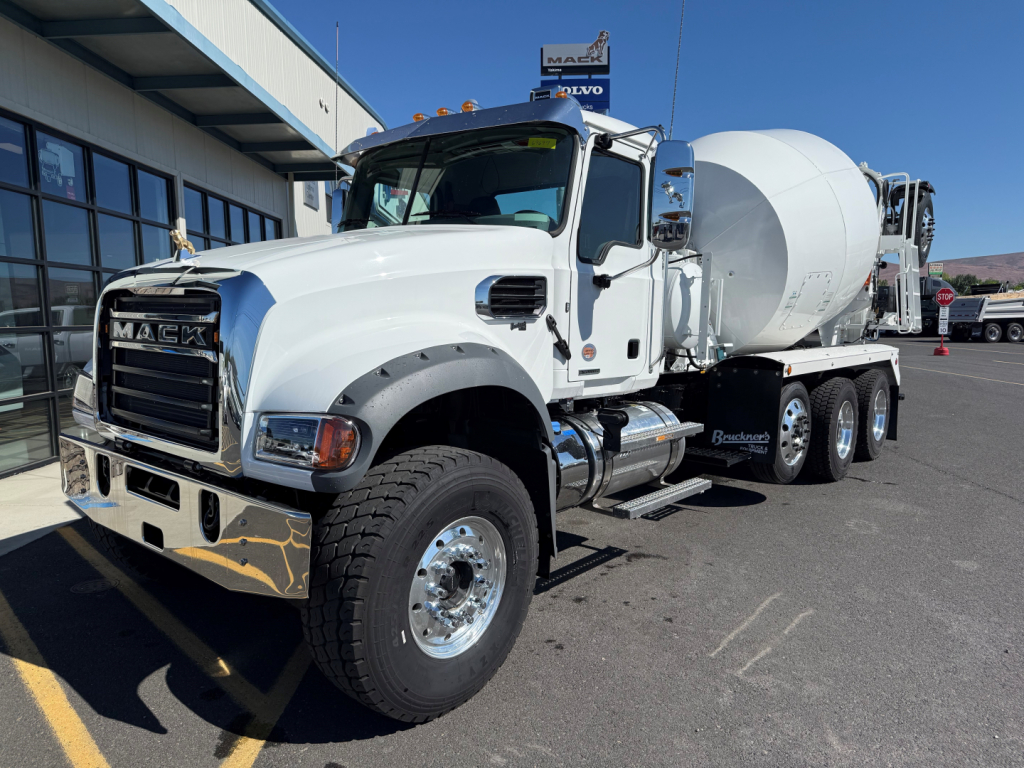
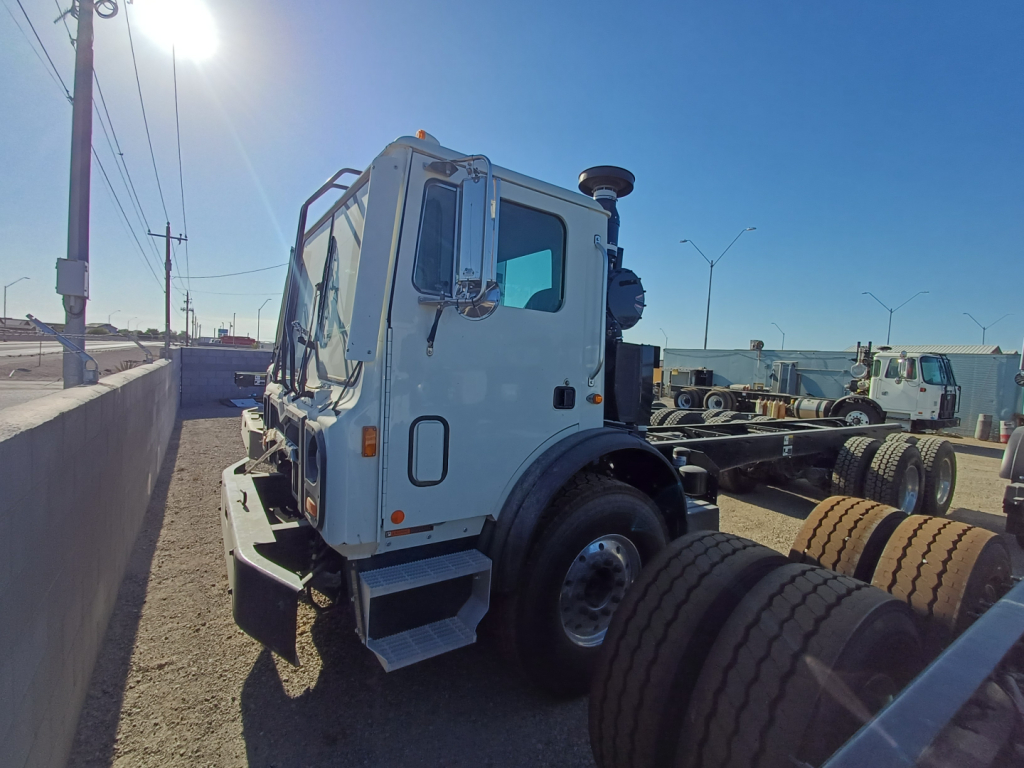
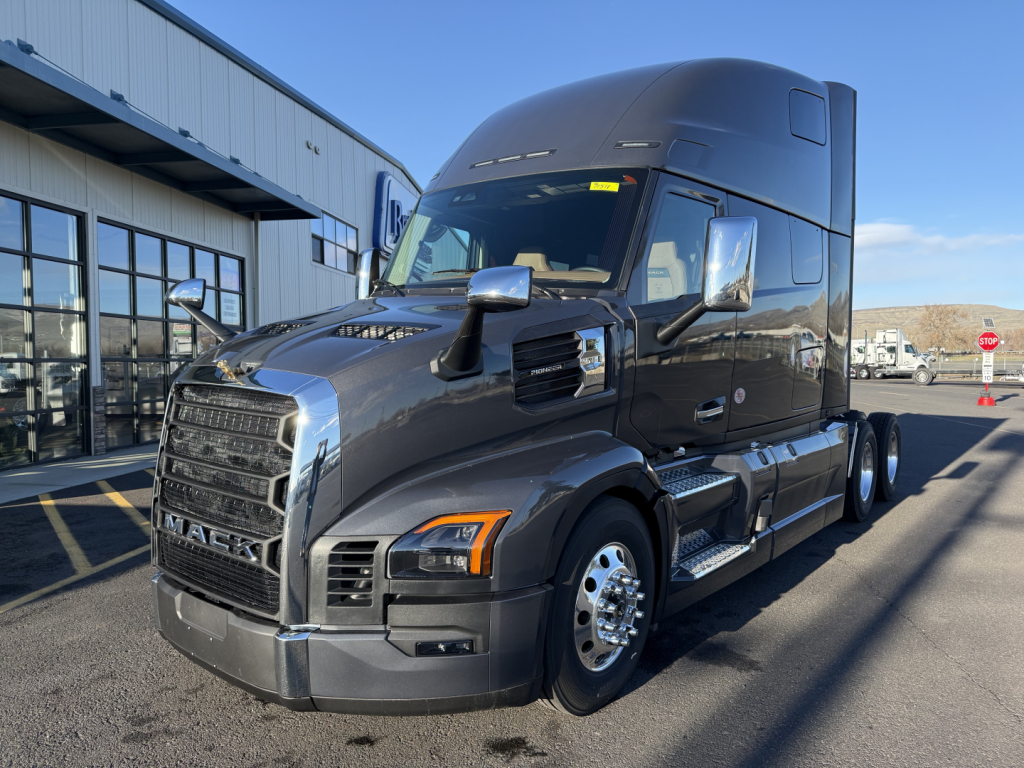
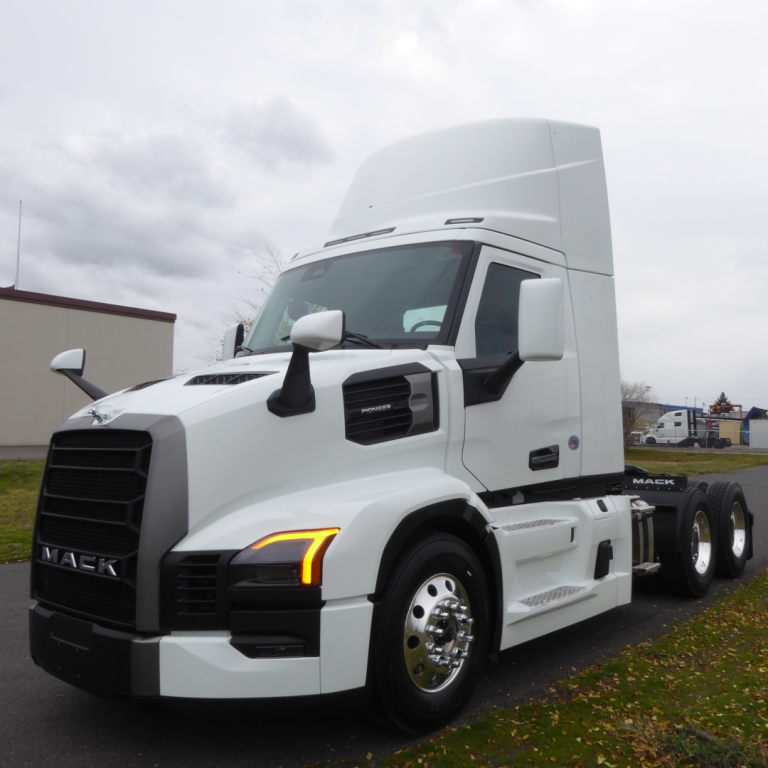
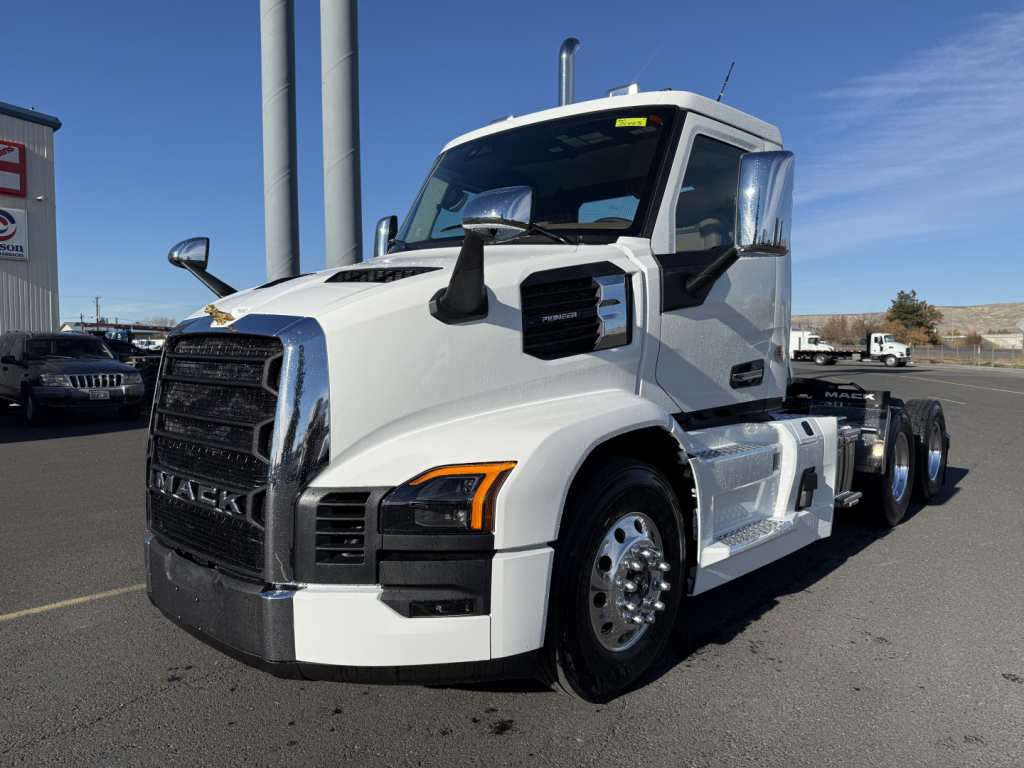
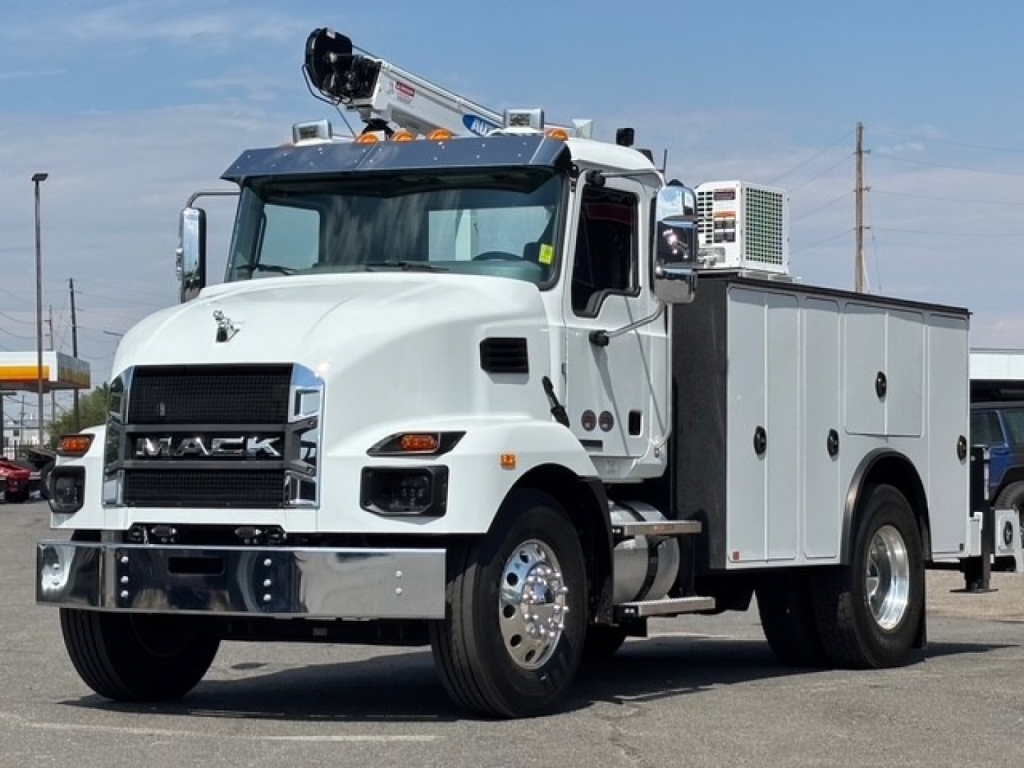
Selling a 2026 mack truck? List your 2026 mack truck for sale and reach thousands of commercial buyers.
2026 Mack Trucks in Washington
For over-the-road applications, late-model Mack conventional sleepers are commonly spec'd with the MP13 engine, automated manual transmissions such as the M-Drive, and ratios chosen to balance cruise speed, gradeability, and fuel economy. Key points include wheelbase, rear axle rating, suspension type, and sleeper size, especially for fleets running mixed regional and longer mileage lanes. A 6x4 highway tractor with a 40,000-pound rear axle and an efficient overdrive transmission is a common fit for van, reefer, and general freight operations. Mack’s integrated powertrain remains a major selling point for buyers who want consistent drivability, simplified service support, and predictable performance under load.
On the medium-duty side, Mack models used for box truck and dry van applications are often spec'd to stay at or below the 26,000-pound GVWR threshold, which matters for non-CDL operations. These trucks are frequently paired with Cummins diesel engines, Allison automatic transmissions, 24-foot to 26-foot van bodies, and liftgates for palletized freight, retail distribution, foodservice, and final-mile delivery. Buyers should pay close attention to front axle capacity, body dimensions, floor construction, rear door design, and liftgate rating. In city service around Seattle, Tacoma, Spokane, and other urban corridors, maneuverability, visibility, and dock-friendly body specs can matter as much as horsepower.
Mack is also a strong vocational choice in Washington for dump, construction, and severe-service applications. Granite models are widely recognized for heavy-duty frames, high axle ratings, and body-builder-friendly chassis layouts. For dump work, the most important spec decisions usually involve axle configuration, body material, suspension, PTO setup, and how the truck is matched to aggregate, asphalt, dirt, or demolition debris. Buyers running mountain grades, soft jobsites, or off-pavement routes should also evaluate locking differentials, gearing, tire size, and bridge-law considerations. Across the lineup, a 2026 Mack truck tends to appeal to buyers who prioritize durability, driver acceptance, and a straightforward work-truck spec that can handle demanding regional conditions.
Frequently Asked Questions about 2026 Mack Trucks in Washington
What types of 2026 Mack trucks are most common in Washington?
The most common 2026 Mack trucks in Washington generally fall into three groups: highway sleepers, medium-duty delivery trucks, and vocational dump or construction units. Highway tractors are typically used for regional and long-haul freight, medium-duty models are often set up with dry van bodies and liftgates for city or regional delivery, and Granite vocational trucks are common in construction, municipal, and material-hauling work. The right category depends on payload, route type, and operating environment more than brand loyalty alone.
What should I look at first when comparing 2026 Mack trucks for sale?
Start with the intended application, then match the truck’s axle configuration, GVWR or GCWR, wheelbase, engine, transmission, and suspension to that use case. For highway trucks, fuel economy, sleeper size, and rear axle ratio are usually high-priority items. For box trucks, body length, liftgate capacity, and CDL threshold can drive the decision. For dump trucks, body spec, axle ratings, PTO compatibility, and jobsite durability are the critical factors.
Are Mack trucks a good choice for vocational and dump applications?
Mack has a long-established reputation in vocational service, especially with Granite models used in dump, construction, and municipal work. These trucks are commonly chosen for their heavy-duty chassis design, strong frame construction, and ability to be spec'd with high-capacity axles, vocational suspensions, and body-ready layouts. For buyers hauling aggregates, asphalt, dirt, or debris, Mack remains a practical option when uptime and structural durability matter more than lightweight spec'ing.
Can a Mack medium-duty truck be set up for non-CDL operation?
Yes. Mack medium-duty trucks can be configured at or below 26,000 pounds GVWR, which is a common target for non-CDL delivery operations. That setup is popular for dry van, box truck, and liftgate applications where fleets want flexibility in driver hiring and route assignment. Buyers still need to confirm local operating requirements, payload needs, and body weight because the non-CDL threshold only works if the finished truck remains within the correct gross vehicle weight rating.
Why do buyers choose Mack integrated powertrains in highway tractors?
Many buyers prefer Mack integrated powertrains because the engine, transmission, and related controls are designed to work as a matched system. That can improve shift quality, drivability, and overall operating consistency compared with mixed-component specs. In regional and long-haul use, this matters for fuel efficiency, driver satisfaction, and service familiarity, especially in fleets that want standardized spec's across multiple trucks.