
2026 Hino Trucks For Sale in Arkansas
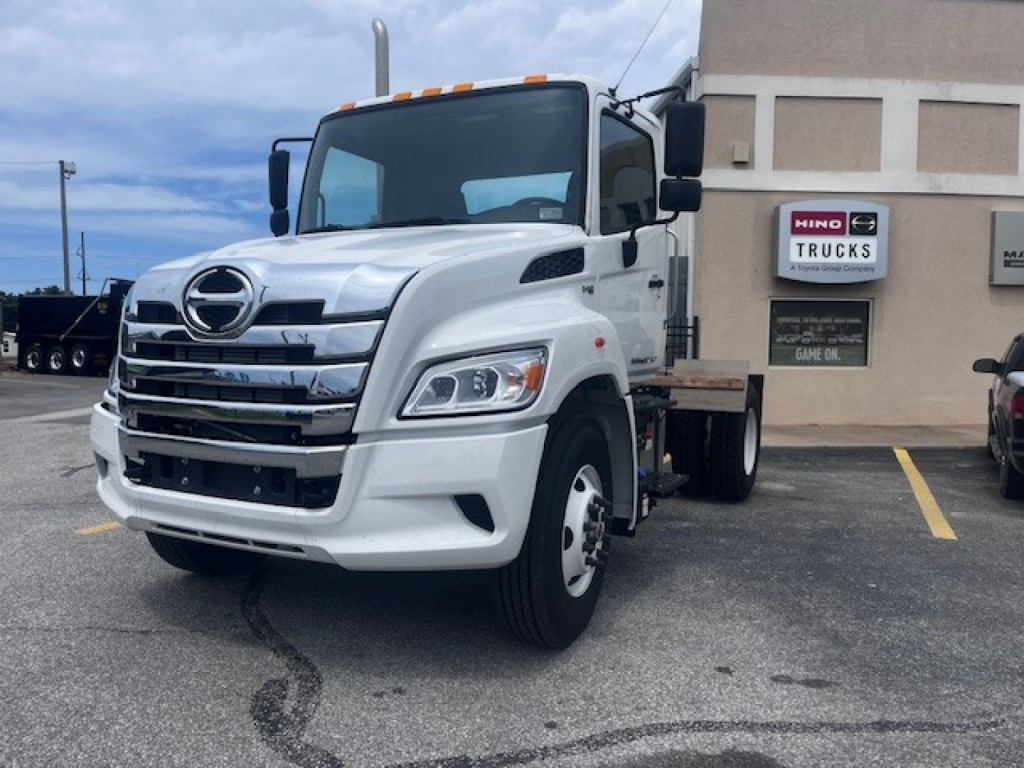
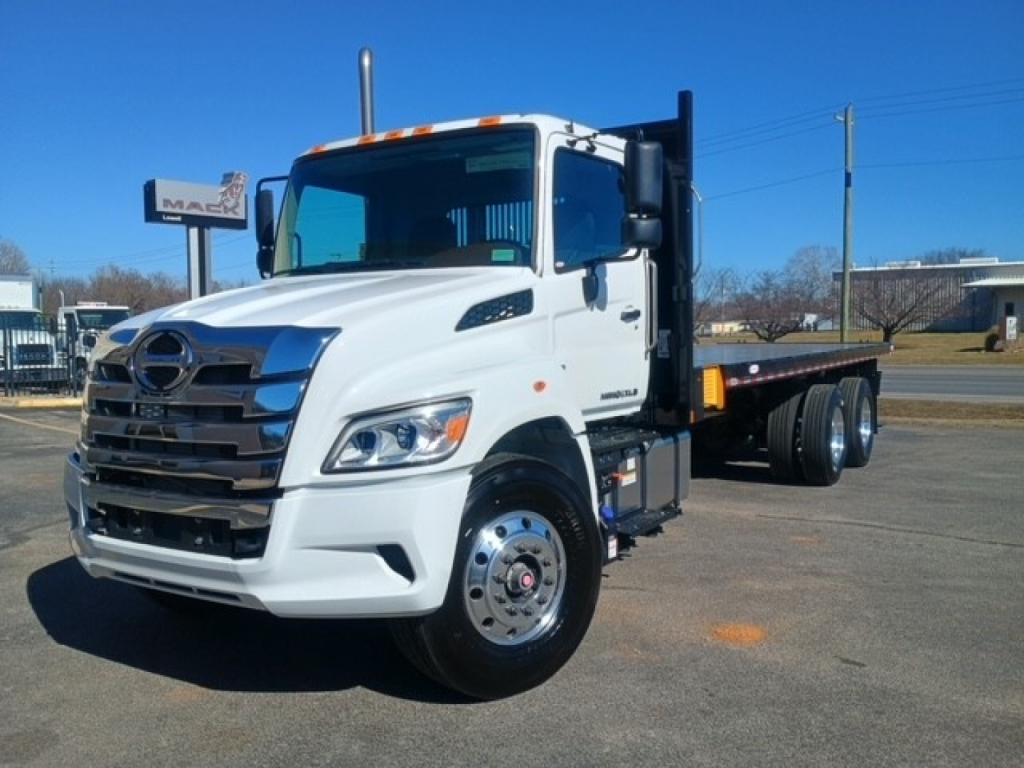
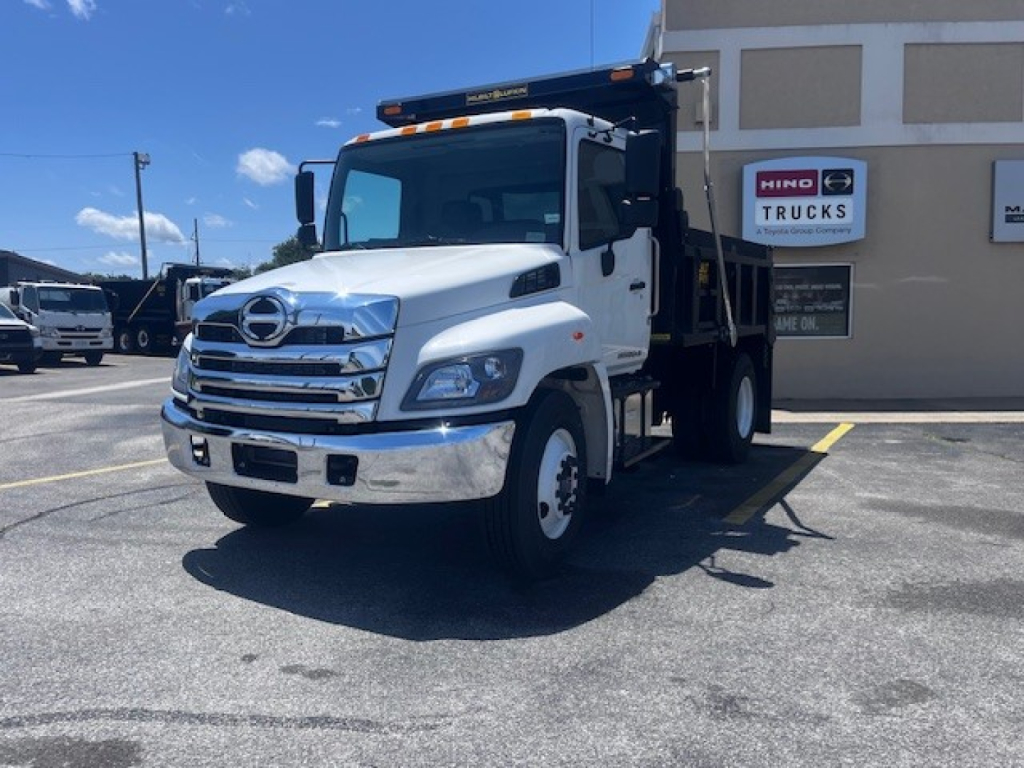
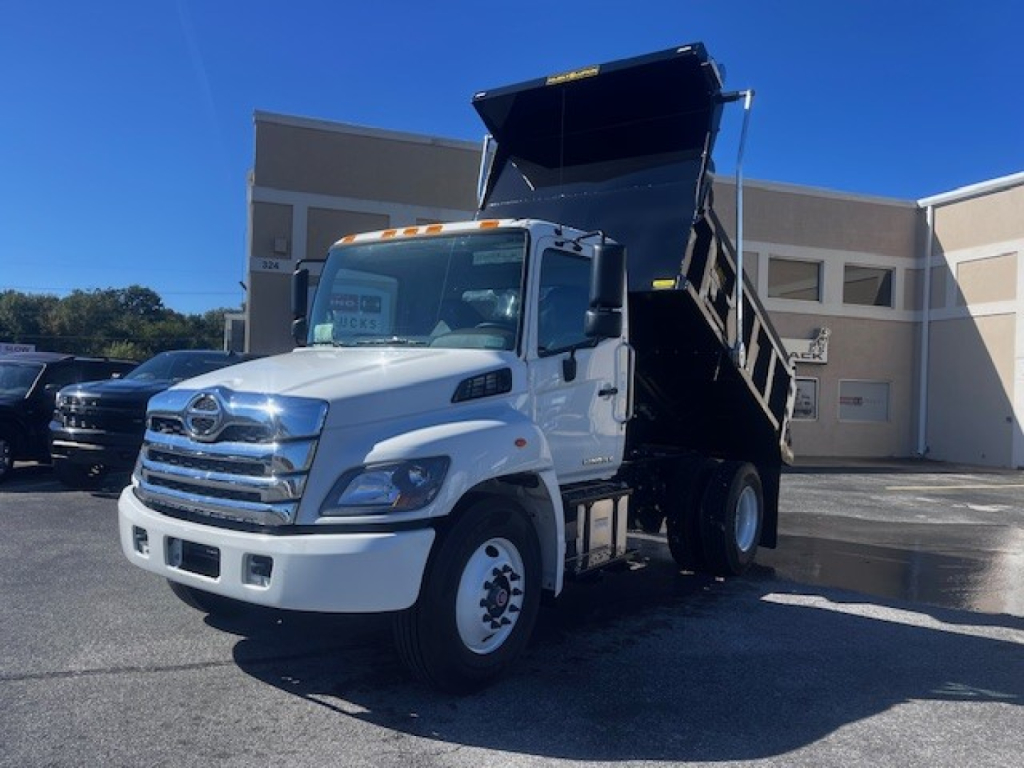
Shop 2026 Hino trucks in Arkansas, including L Series and XL models for dump, flatbed, rollback, and cab & chassis applications.
Selling a 2026 hino truck? List your 2026 hino truck for sale and reach thousands of commercial buyers.
2026 Hino Trucks in Arkansas
On current Hino medium-duty trucks, buyers will often see Cummins diesel power paired with Allison automatic transmissions. That combination is popular for predictable serviceability, straightforward driver training, and strong compatibility with vocational use. Typical specs can include engines in the 6.7L to 8.9L range, horsepower suited for city-route work up through heavier regional applications, and rear axle ratios selected around startability, cruise RPM, and body weight. For buyers comparing a 2026 Hino L7 to an XL8-type chassis, front axle capacity, rear axle rating, suspension choice, and frame strength matter more than the badge alone. Air ride rear suspension may be preferred for certain flatbed or equipment-hauling applications, while spring suspension can still make sense for severe-service or dump use.
Body fit is where a 2026 Hino truck really becomes application-specific. Rollback buyers should look closely at deck length, bed capacity, winch specs, hydraulic setup, and toolbox placement. Flatbed buyers often compare deck length, stake pockets, headache rack design, forklift kit provisions, and tie-down flexibility. Dump truck buyers should focus on hoist type, body material, side height, tailgate configuration, and the truck's legal payload after the body is installed. If you are starting with a cab and chassis, confirm the wheelbase, cab-to-axle, frame rail dimensions, fuel tank placement, and any body-builder wiring or PTO provisions before ordering an upfit.
A 2026 Hino truck also appeals to fleets that want a modern medium-duty platform with strong parts support and familiar vocational specs. For Arkansas operators, road mix matters. Tight urban routes, rural county roads, jobsite access, and seasonal heat all affect suspension choice, cooling needs, tire selection, and body durability. Buyers comparing Hino trucks for sale should pay attention to GVWR, GCWR, brake configuration, turning radius, and service access, not just engine horsepower. The right truck is the one whose chassis ratings, wheelbase, and drivetrain are properly matched to the body, payload, and daily route profile.
Frequently Asked Questions about 2026 Hino Trucks in Arkansas
What are the most common 2026 Hino truck applications?
The most common 2026 Hino truck applications include cab and chassis builds, flatbed trucks, dump trucks, and rollback carriers. Hino medium-duty platforms are frequently selected for local delivery, equipment hauling, towing, construction support, landscaping, and municipal work. The final application depends less on the nameplate and more on wheelbase, axle ratings, PTO capability, and how the chassis is spec'd for the body.
What is the difference between a Hino L Series and an XL Series truck?
The Hino L Series is generally aimed at medium-duty work where maneuverability, straightforward upfitting, and regional or local operation are priorities. The XL Series is designed for heavier-duty vocational use with higher axle capacities, longer wheelbase options, and more demanding body installations. Buyers choosing between them should compare GVWR, front and rear axle ratings, frame dimensions, suspension type, and the body requirements of the intended job.
What should I check before buying a 2026 Hino cab and chassis?
Start with wheelbase and cab-to-axle measurement because those determine what body can be installed correctly. Then verify GVWR, front and rear axle capacities, frame rail dimensions, fuel tank location, transmission PTO provisions, and body-builder electrical interfaces. If the truck will carry a dump body, rollback, or specialized flatbed, confirm the finished body weight so the completed truck still has useful legal payload capacity.
Are Allison automatic transmissions common in 2026 Hino trucks?
Yes. Allison automatic transmissions are common in vocational and medium-duty Hino applications because they simplify driver operation and work well in stop-and-go service. They are especially common in rollback, dump, and flatbed applications where predictable low-speed control and PTO integration matter. Buyers should still verify the exact transmission model and rating to make sure it matches engine output, body weight, and duty cycle.
Which specs matter most on a 2026 Hino truck for vocational work?
The most important specs are GVWR, wheelbase, cab-to-axle, front and rear axle ratings, engine horsepower and torque, transmission model, rear axle ratio, suspension type, and brake setup. For upfitted trucks, body length, body weight, and PTO compatibility are just as important. These specs determine payload, handling, turn radius, gradeability, and whether the truck will perform efficiently in the job it is built to do.