
2026 Hino Trucks For Sale
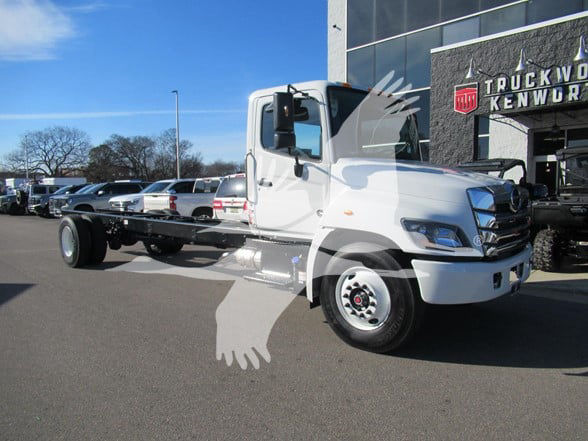
Shop 2026 Hino trucks for sale, including cab and chassis, box, stake bed, and medium-duty straight truck configurations.
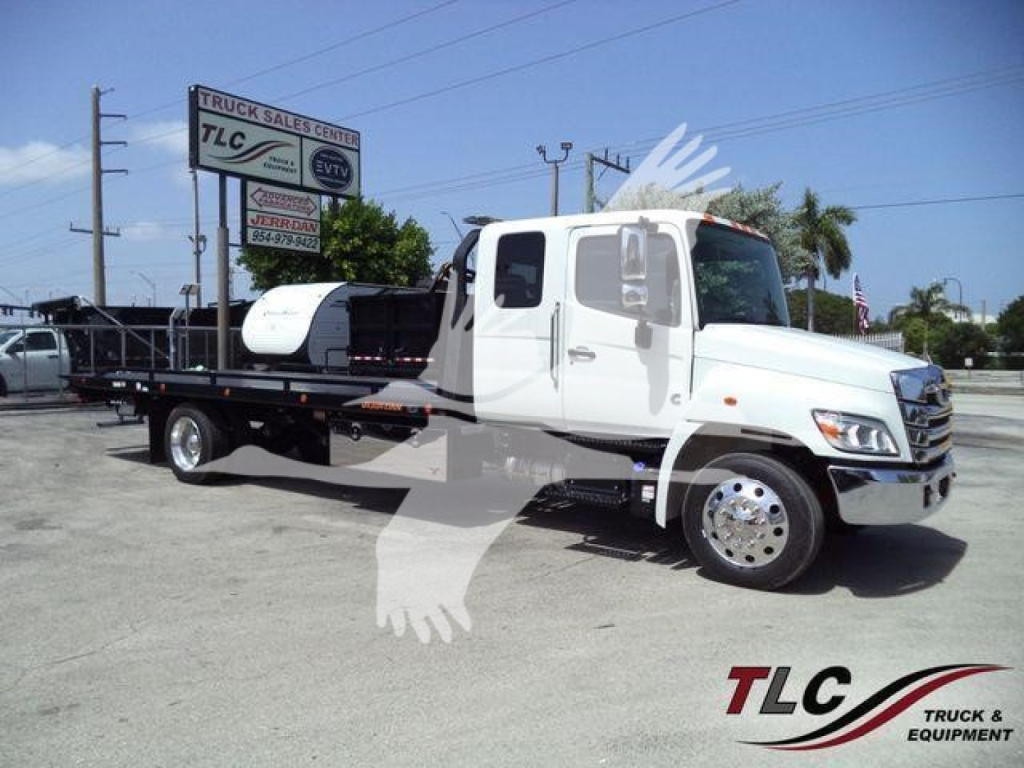
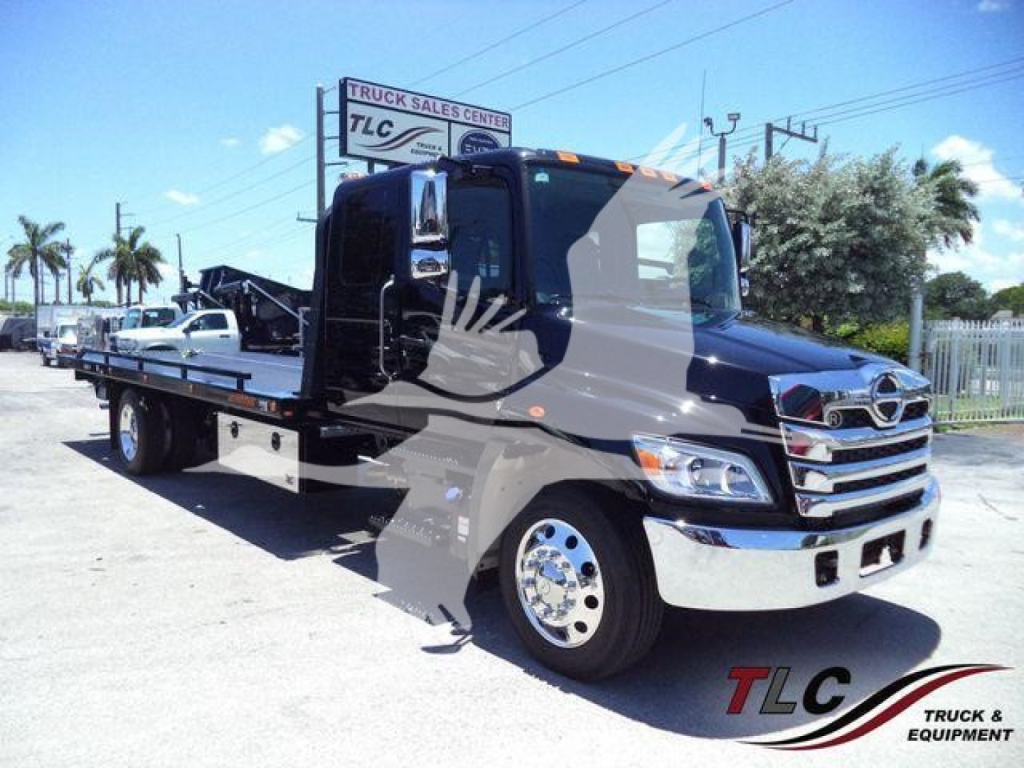
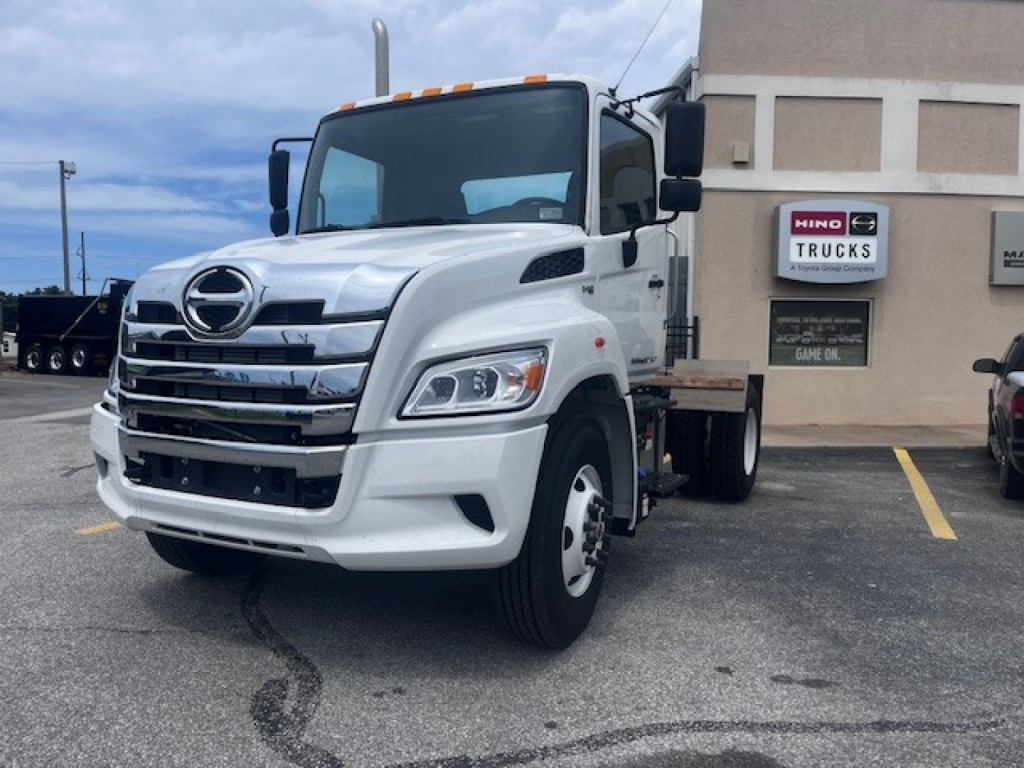
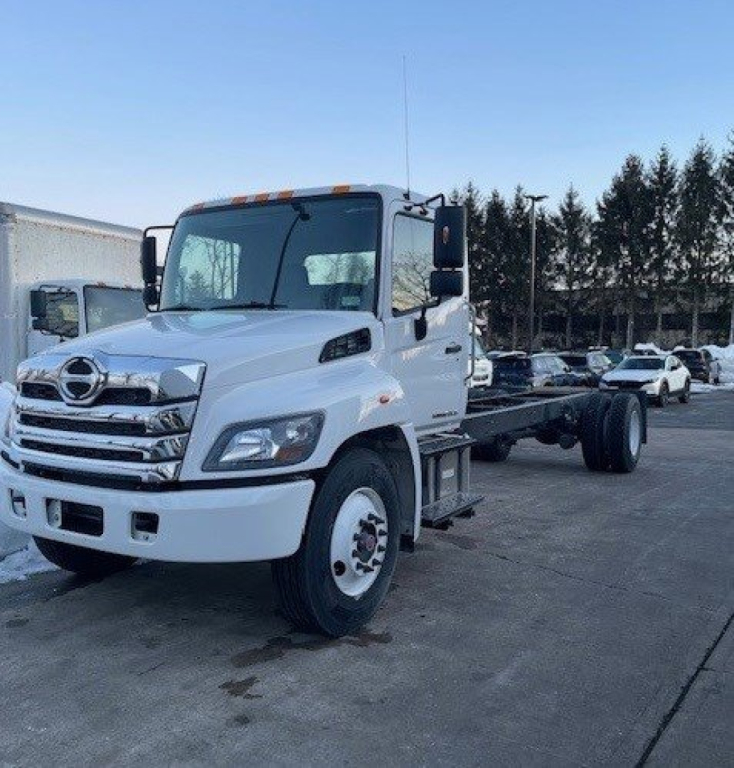
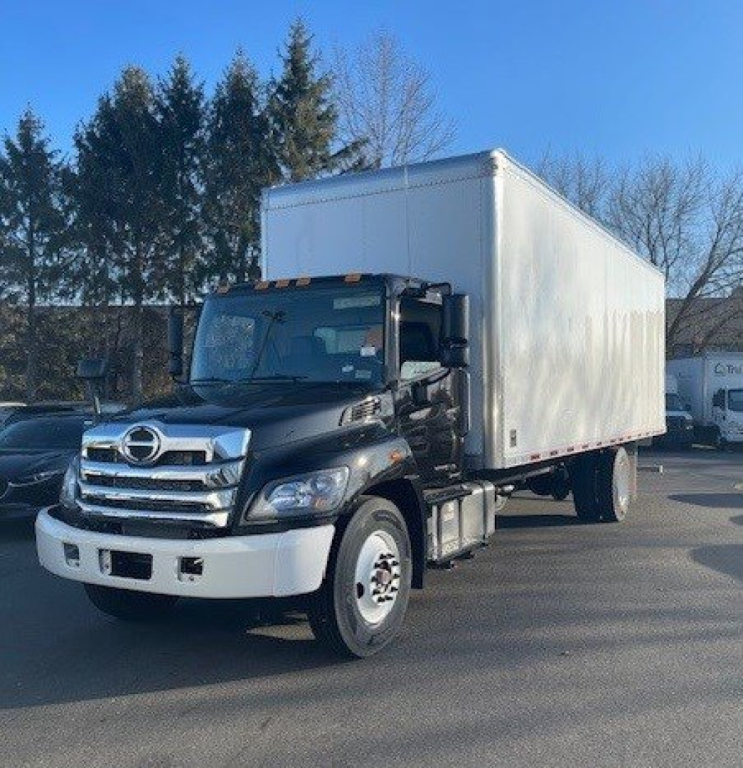
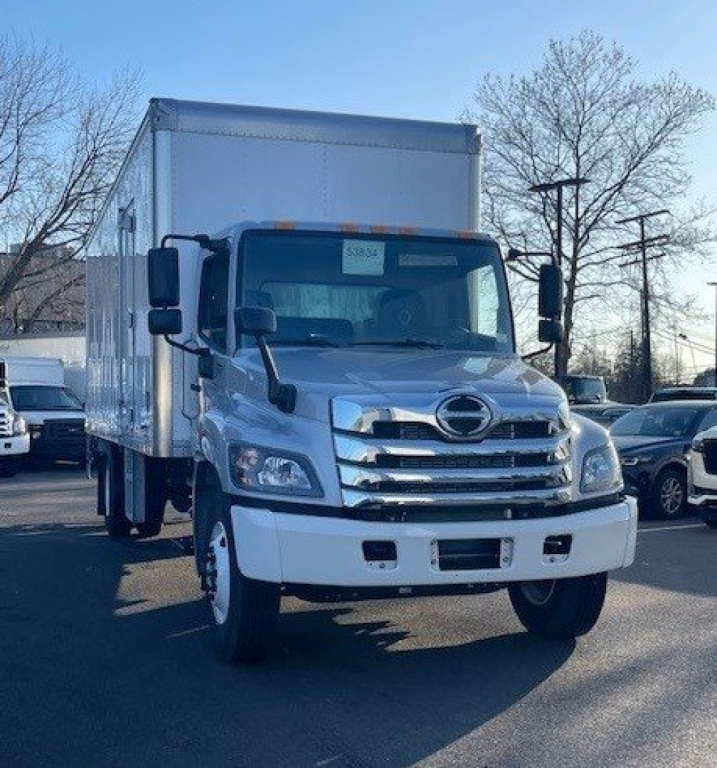
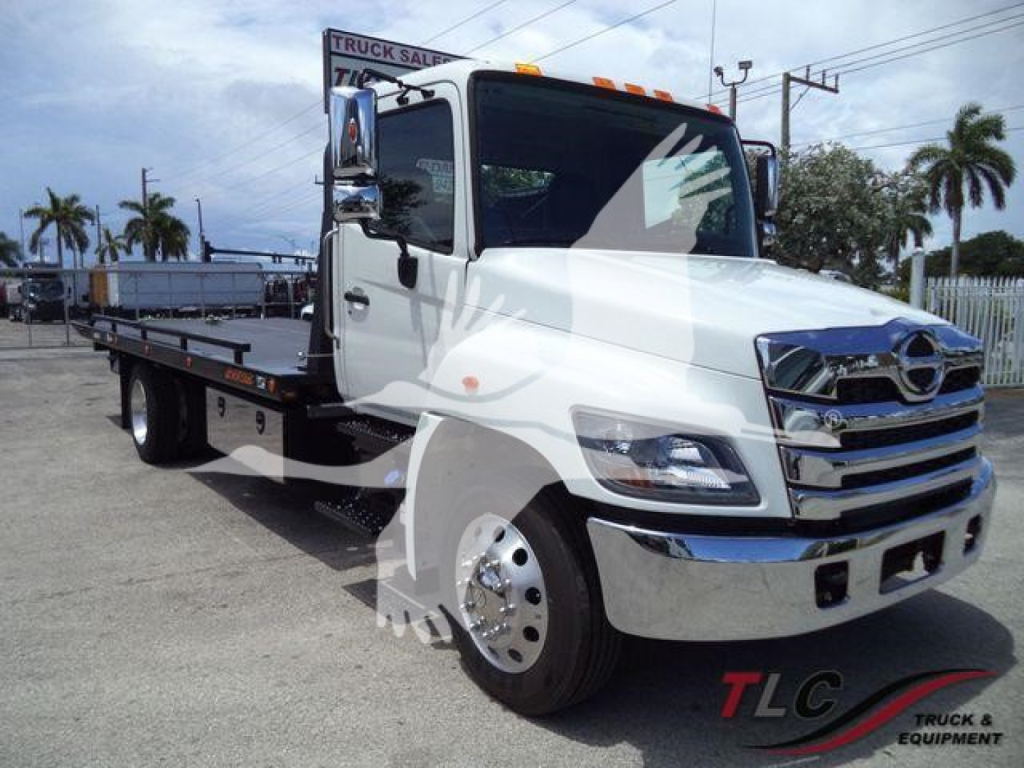
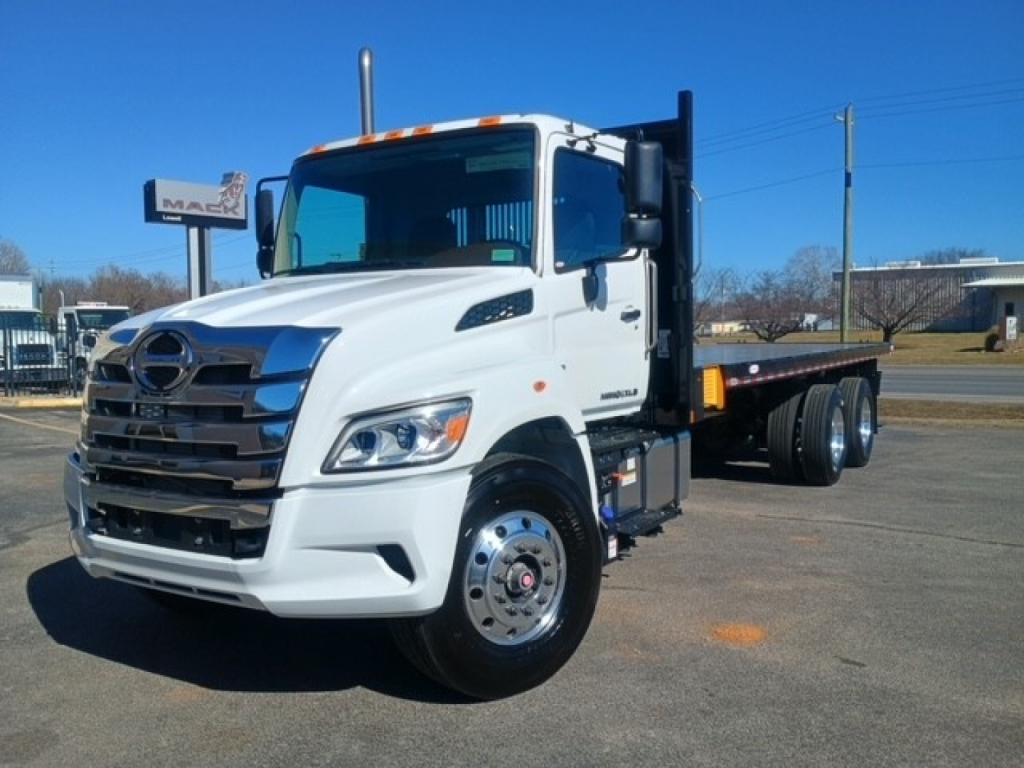
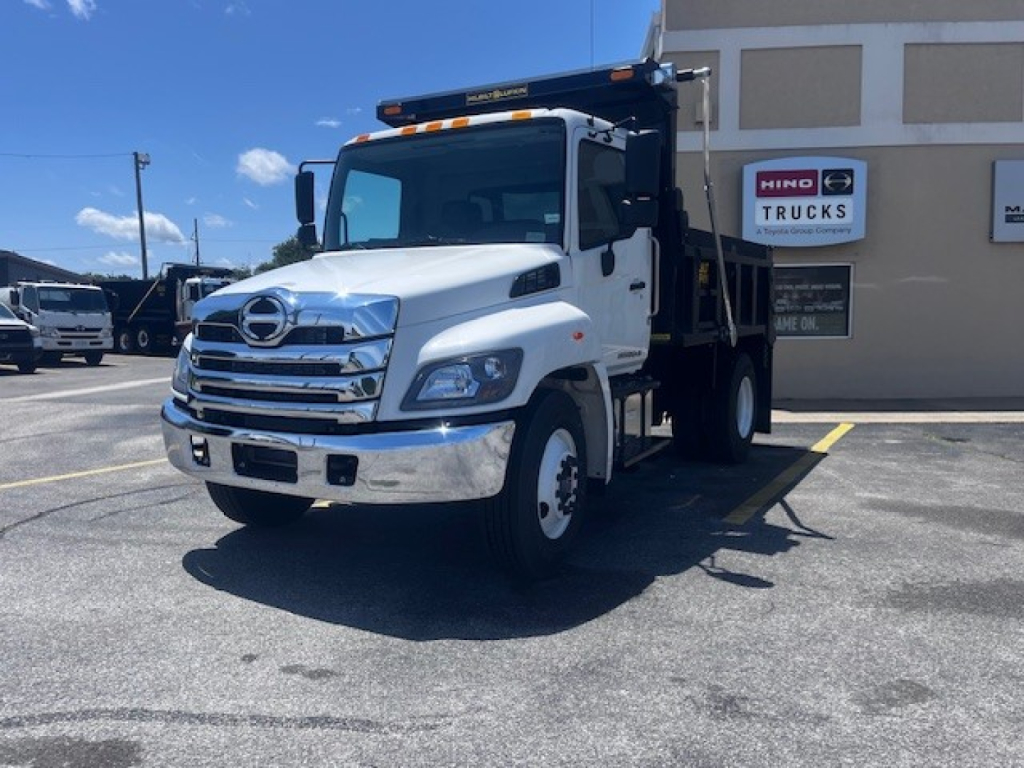
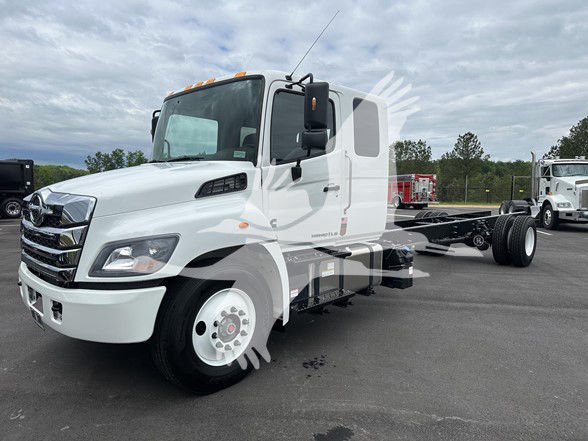
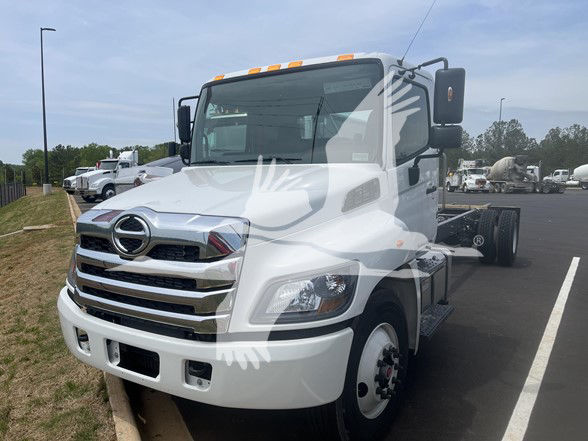
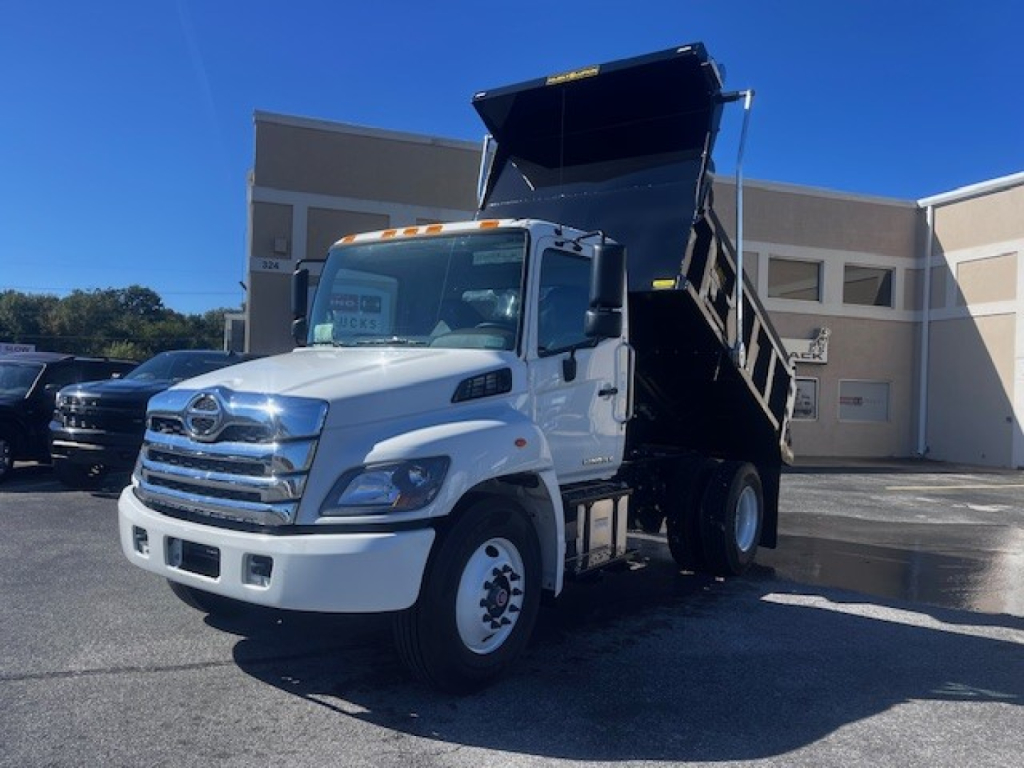
Selling a 2026 hino truck? List your 2026 hino truck for sale and reach thousands of commercial buyers.
2026 Hino Trucks
Powertrain selection matters more than brand loyalty in this segment. Recent Hino medium-duty models commonly pair diesel engines in the 200 to 260 horsepower range with Allison automatic transmissions, especially in P&D, municipal, and vocational service. Buyers comparing 2026 Hino trucks should pay close attention to torque ratings, PTO provisions, rear axle ratings, and brake type, especially if the truck will carry a liftgate, refrigeration unit, dump insert, or other driven equipment. Depending on the model and GVWR target, you may see Cummins-powered chassis in the lineup, while earlier and used Hino units often carry Hino J-series engines. That distinction affects service network preference, emissions familiarity, and long-term parts planning.
Cab layout and chassis dimensions are where a good specification becomes a productive truck. A conventional Hino offers straightforward service access and a familiar driving position, while cab-forward models can improve visibility and shorten overall vehicle length for city work. Wheelbase, cab-to-axle, and frame height should match the intended body so the finished truck keeps proper weight distribution and turning characteristics. Many buyers also look for spring suspension for simplicity, air brake availability at higher GVWRs, 19.5-inch or 22.5-inch rubber depending on class, and driver-focused features such as air-ride seating, ergonomic controls, and good mirror coverage. These details directly affect route comfort, dock approach, and curbside operation.
The strongest reason buyers stay in the Hino category is fit for application. Beverage delivery, furniture hauling, dry freight, landscaping, utility support, and last-mile distribution all demand different body lengths, axle capacities, and loading methods. A 20,000 to 25,950 GVWR truck may be ideal for under-CDL or near-CDL operations, while heavier medium-duty specs are better suited to taller van bodies, liftgates, or denser cargo. When comparing 2026 Hino trucks for sale, the best approach is to spec the truck backward from payload, route density, dock height, and body requirement instead of shopping by badge alone. That usually leads to the right combination of horsepower, wheelbase, suspension, and upfit readiness.
Frequently Asked Questions about 2026 Hino Trucks
What are 2026 Hino trucks commonly used for?
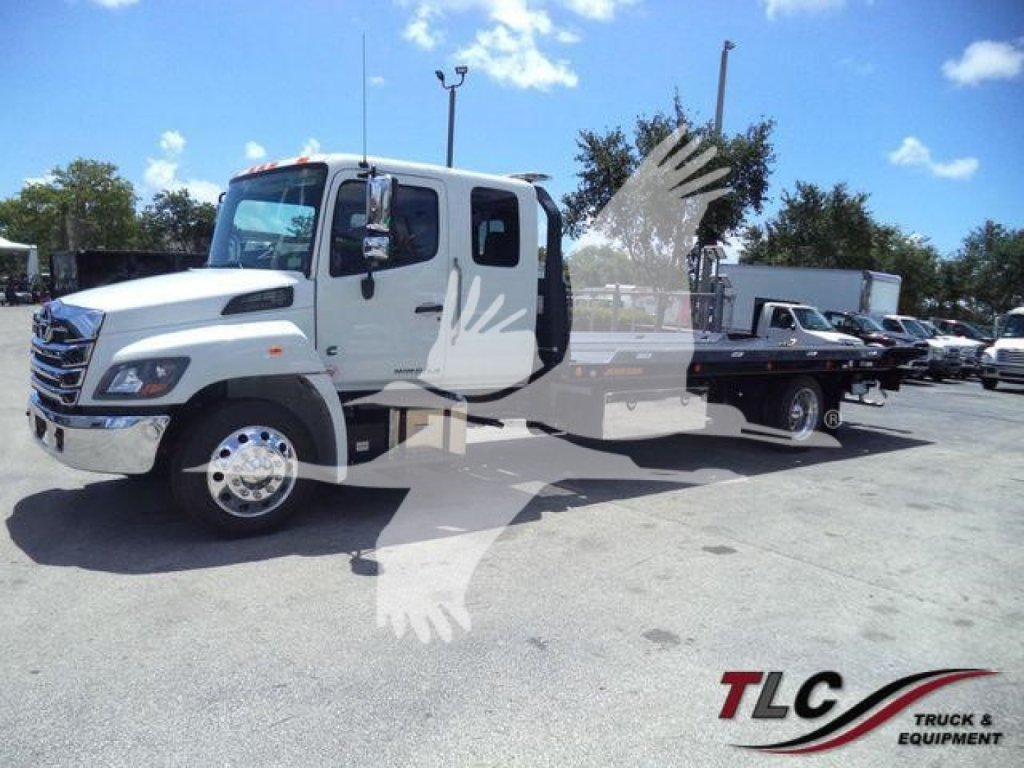
2026 Hino trucks are commonly used for medium-duty delivery and vocational work, including box truck service, stake bed hauling, flatbed delivery, reefer applications, and utility upfits. They are especially well suited for local and regional routes where maneuverability, frequent stop-and-go operation, and body customization matter more than long-haul sleeper features.
What should I check first when comparing 2026 Hino truck listings?
Start with GVWR, wheelbase, cab-to-axle measurement, and intended body type. Those four items determine whether the chassis can legally and efficiently handle the payload and upfit you need. After that, review engine horsepower, transmission model, rear axle rating, suspension type, and whether the truck has PTO provision if auxiliary equipment will be added.
Are 2026 Hino trucks good for box truck and straight truck applications?
Yes. Hino has long been a strong fit for box truck and straight truck applications because the chassis is commonly spec'd for van bodies, liftgates, and local delivery duty cycles. Buyers should still confirm frame length, axle placement, and weight distribution so the completed body does not compromise turning radius, front axle loading, or dock usability.
Do 2026 Hino trucks come with automatic transmissions?
Many medium-duty Hino trucks are configured with Allison automatic transmissions because they perform well in pickup-and-delivery service and reduce driver fatigue in urban traffic. Automatic transmissions are especially common in box, stake bed, and vocational applications where smooth low-speed operation and ease of training are priorities.
How do I choose the right 2026 Hino truck for my business?
Choose the truck based on payload, cargo density, route length, and the body or equipment that will be installed. A lighter Class 5 or Class 6 setup may be enough for parcel, landscaping, or stake bed work, while a higher-GVWR Class 6 or Class 7 chassis is often better for larger van bodies, heavier freight, and liftgate-equipped delivery. Matching the chassis to the actual job is more important than simply choosing the highest horsepower or longest frame.