
2026 Hino Trucks For Sale in New Jersey
Shop 2026 Hino trucks in New Jersey. Compare Hino L6, L7, and medium-duty configurations for delivery, box, moving, and chassis applications.
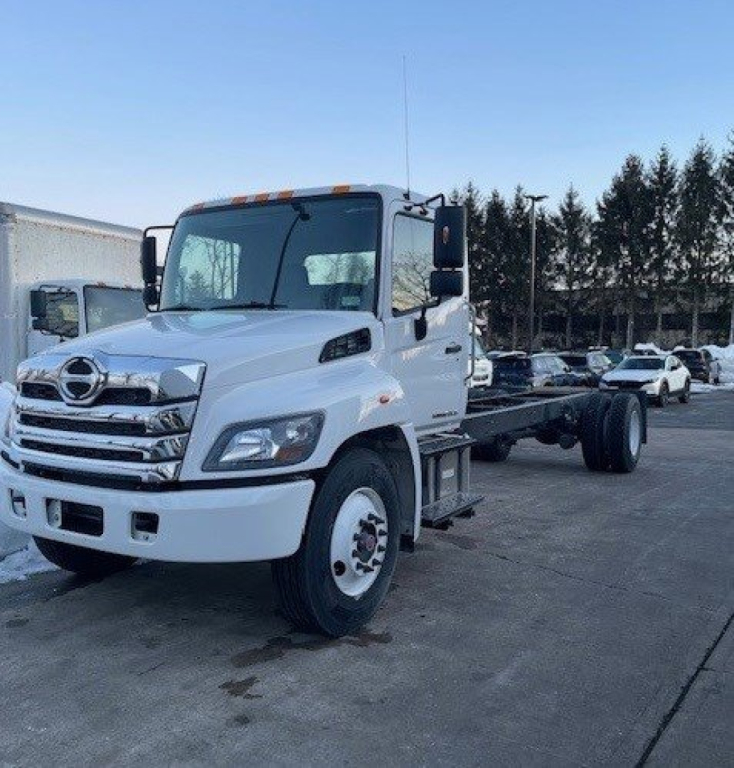
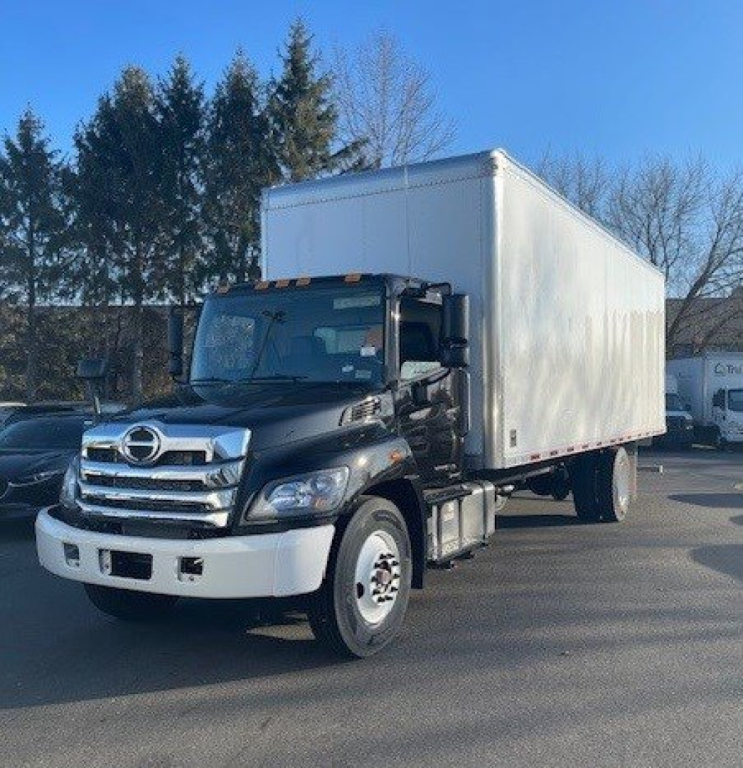
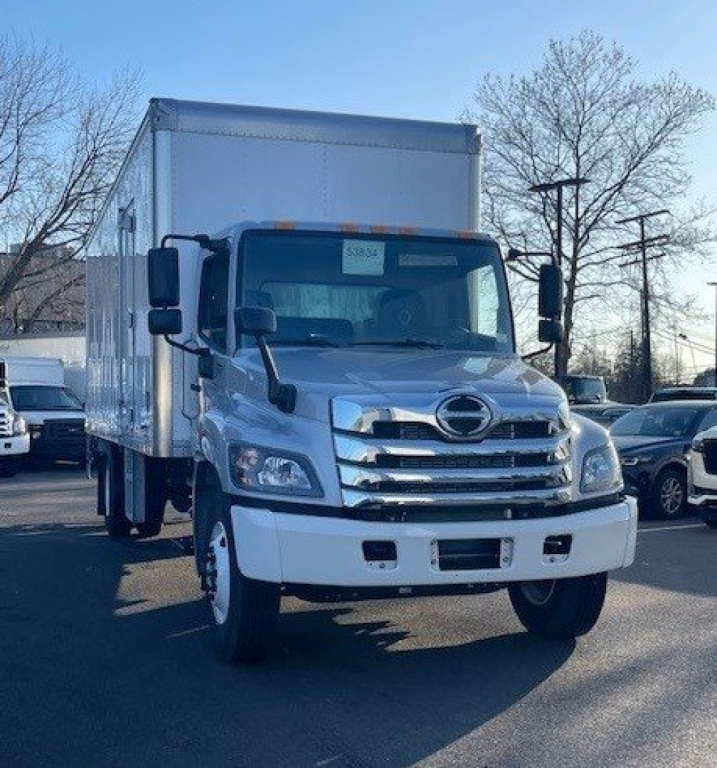
Selling a 2026 hino truck? List your 2026 hino truck for sale and reach thousands of commercial buyers.
2026 Hino Trucks in New Jersey
One of the first decisions is GVWR and body pairing. A Hino L6 commonly shows up in the 25,950-lb GVWR range, which is important for operators trying to maximize payload while staying below CDL thresholds in certain applications. That makes it a frequent fit for 24-ft to 26-ft box trucks, dry freight bodies, moving vans, and refrigerated builds. The L7 steps up for heavier payload demands, more aggressive vocational use, and bodies that need a stronger chassis foundation. Buyers should compare axle ratings, wheelbase, frame section, suspension type, and brake configuration before looking only at horsepower, because the wrong chassis spec can limit body selection, liftgate capacity, or legal payload.
Powertrain specs on newer Hino medium-duty trucks commonly center on the Cummins B6.7 diesel paired with an Allison automatic transmission, a combination many fleets prefer for service familiarity and broad parts support. Depending on configuration, buyers will often see outputs around the mid-200 horsepower range with torque suited to stop-and-go delivery work. Allison 2200 or similar RDS automatic transmissions are common on van body and delivery builds because they simplify driver training and perform well in urban duty cycles. Practical spec items matter just as much as the engine badge: fuel tank size, rear suspension choice, air brake versus hydraulic brake setup, PTO provisions, and whether the truck has the right electrical architecture for liftgates, reefer units, or other auxiliary equipment.
Body application should drive the purchase. A 2026 Hino truck may be set up as a box van truck, moving van, reefer, stake body, landscape truck, or bare cab chassis for custom upfit. For delivery and household goods work, buyers should pay close attention to interior body height, door opening dimensions, scuff liner condition or spec, liftgate rating, and floor construction. For cab chassis purchases, the key questions are cab-to-axle length, usable frame, body-builder support, and turning radius. Hino trucks are generally valued for good cab ergonomics, visibility, and straightforward medium-duty operation, so the best choice is usually the one with the right chassis rating and body spec for the route, not simply the newest badge or longest box.
Frequently Asked Questions about 2026 Hino Trucks in New Jersey
What are the most common 2026 Hino truck models for medium-duty work?
The most common 2026 Hino trucks for this class of work are typically in the L Series, especially the Hino L6 and Hino L7. The L6 is often selected for box trucks, moving vans, and delivery applications where a 25,950-lb GVWR spec is desirable. The L7 is better suited for heavier Class 7 work, larger payloads, and vocational upfits that need more chassis capacity.
Is a 2026 Hino L6 a good choice for a 26-foot box truck?
Yes, the 2026 Hino L6 is a common fit for a 26-foot box truck when the GVWR, wheelbase, and rear axle ratings match the intended payload. It is frequently used in dry freight, moving, and route delivery service. Buyers should confirm body length, interior height, liftgate capacity, and net payload, because a 26-foot body can be a strong setup only if the chassis is spec'd correctly.
What engine and transmission are commonly found in 2026 Hino trucks?
Many 2026 Hino medium-duty trucks are equipped with the Cummins B6.7 diesel engine and an Allison automatic transmission. That pairing is popular because it offers familiar service support, solid drivability in stop-and-go conditions, and broad acceptance across commercial fleets. Exact horsepower, torque, and transmission series vary by GVWR and application, so those details should be matched to the route and body type.
What should buyers in New Jersey look for in a 2026 Hino truck?
New Jersey buyers should pay close attention to maneuverability, body size, bridge and road restrictions, and how the truck performs in dense urban delivery conditions. A shorter wheelbase may help in tighter industrial areas, while a higher-capacity rear suspension may matter more for heavier suburban or port-related work. It is also smart to verify brake type, axle ratings, and body dimensions so the truck fits both the route and the business's licensing requirements.
How do I choose between a Hino box truck and a Hino cab chassis?
Choose a Hino box truck if the truck body is already matched to your freight, route, and loading method, since that can shorten lead time and simplify purchase decisions. Choose a Hino cab chassis if you need a custom body such as a reefer, stake, contractor, landscape, or specialized vocational upfit. The main buying factors are cab-to-axle measurement, frame length, PTO and electrical needs, and total payload after the body is installed.