
2026 Hino Rollback Trucks For Sale
Shop 2026 Hino rollback trucks with 22-foot carriers, air brakes, diesel power, and medium-duty specs for towing and vehicle transport.
Selling a 2026 hino rollback truck? List your 2026 hino rollback truck for sale and reach thousands of commercial buyers.
2026 Hino Rollback Trucks
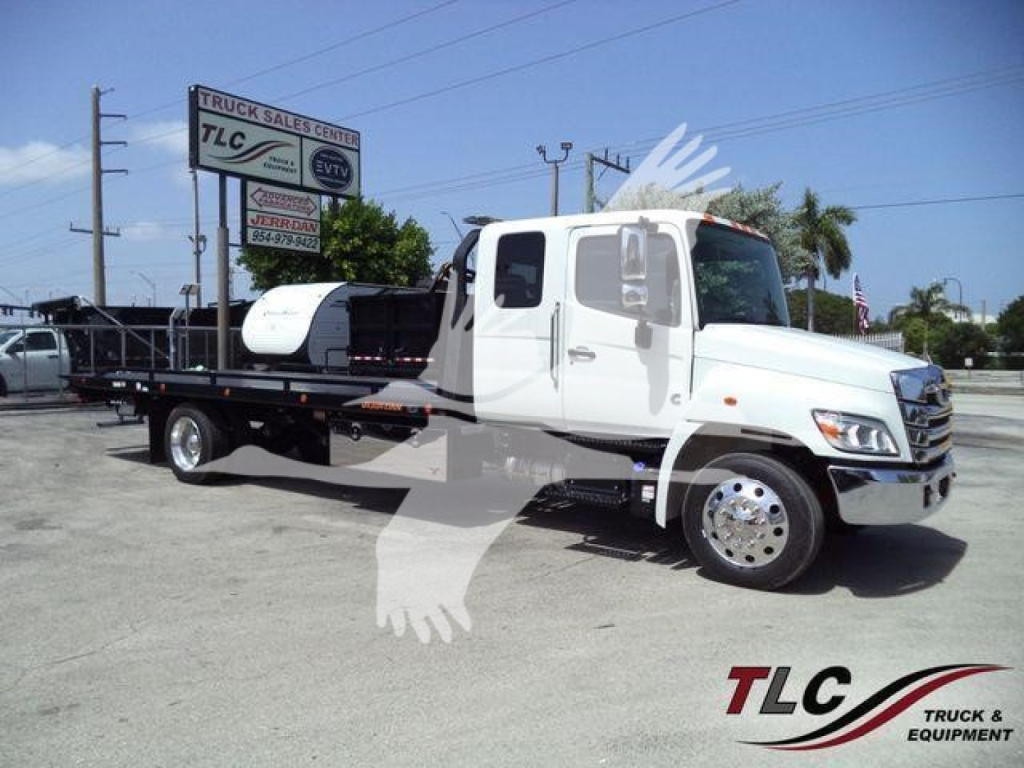
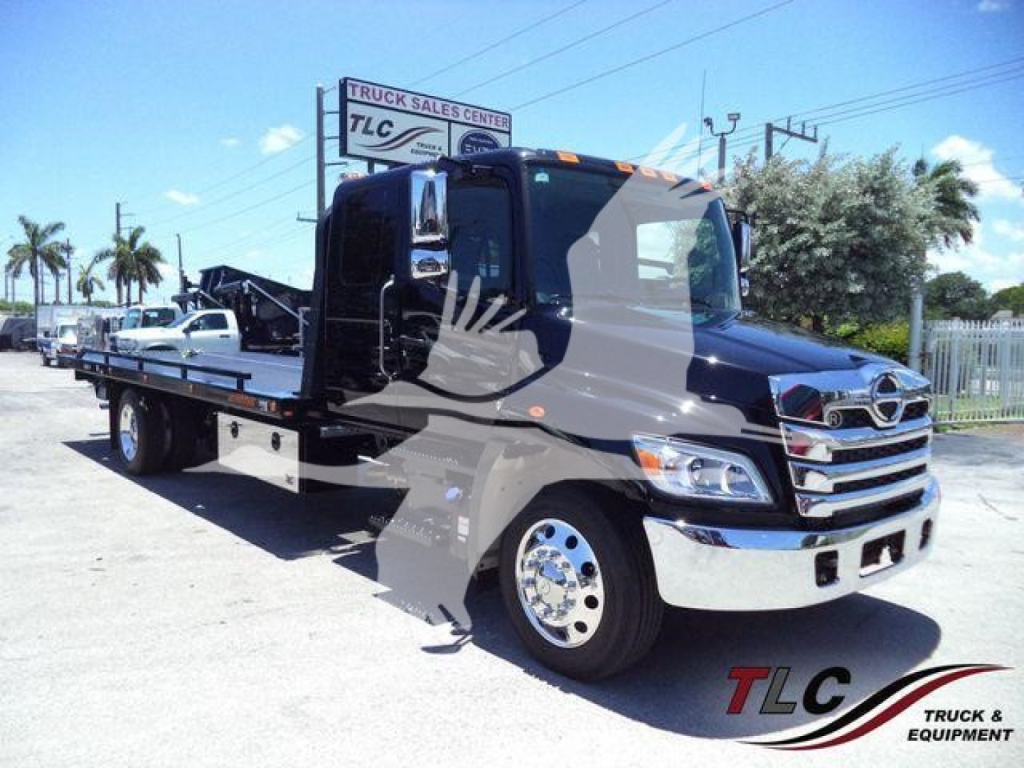
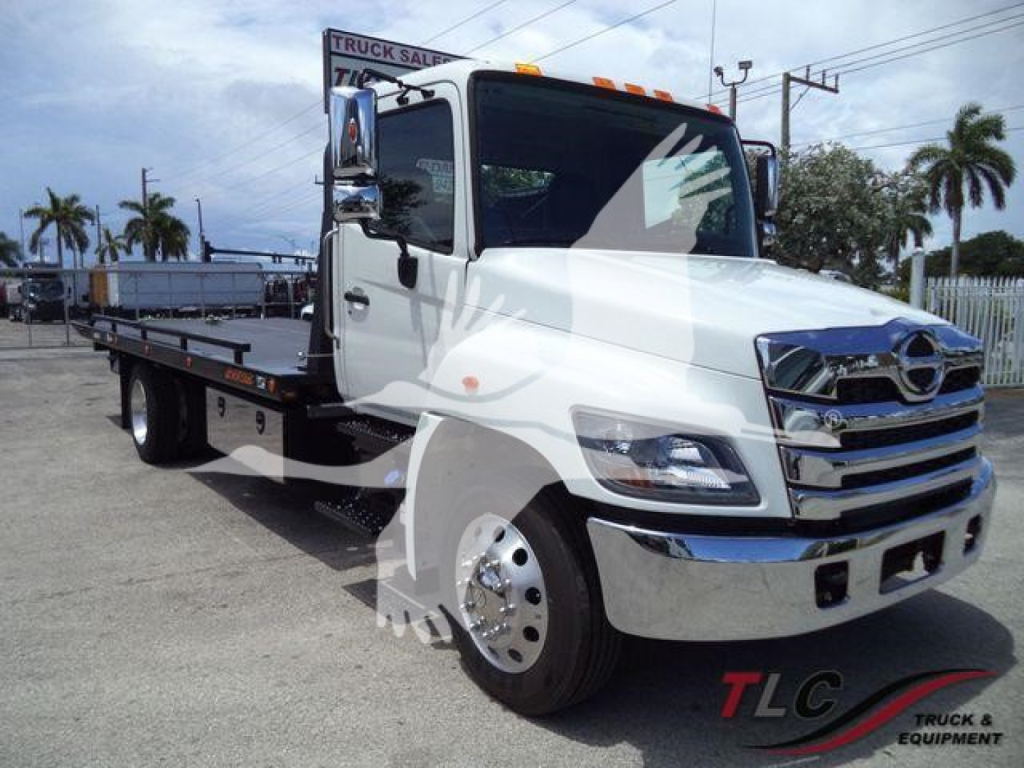
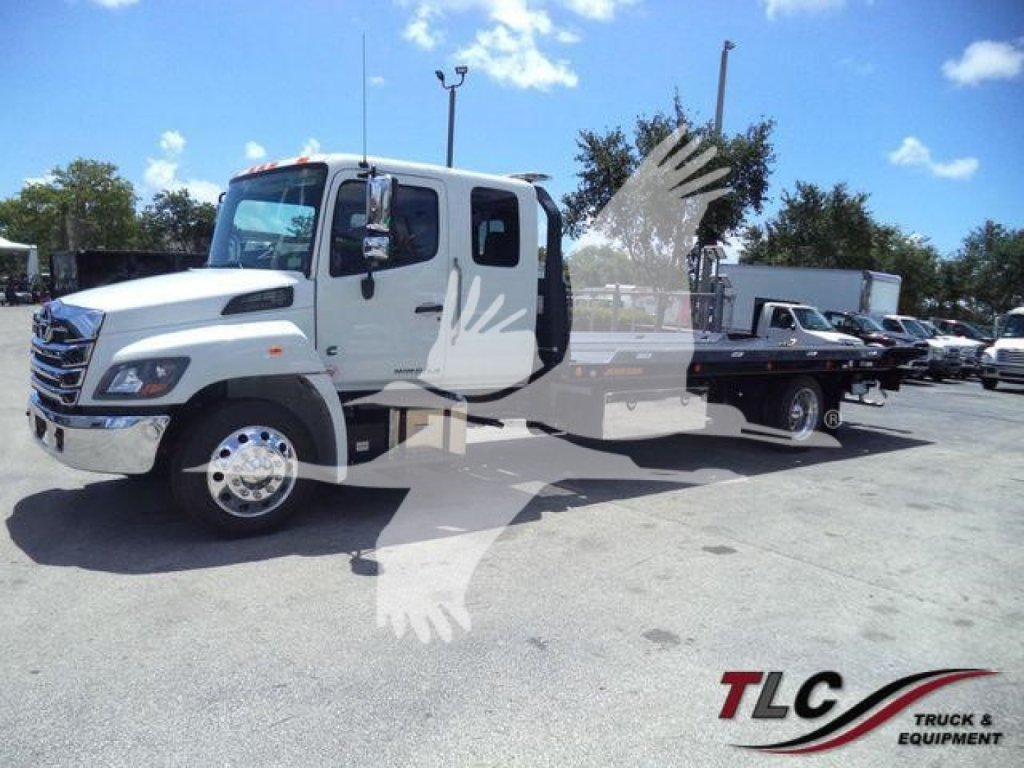
The body spec is what separates one rollback from another. Most 2026 Hino rollback trucks in this segment use a 22-foot by 102-inch carrier body, often in an extra low profile or low center of gravity design. That lower deck height improves loading angles for low-clearance vehicles and reduces the chance of scraping on sports cars, lowered sedans, forklifts, and scissor lifts. Common body ratings in this class are around 6 tons of deck capacity, with winches in the 8,000 to 10,000 lb range and wheel lifts rated around 3,500 to 4,000 lbs. Bed construction, crossmember spacing, subframe strength, rail style, and deck surface all affect long-term durability, especially for operators who load daily in urban service, impound work, dealer transport, or recovery duty.
Cab and chassis details are just as important as carrier specs. A Hino rollback in this year range often includes 22.5-inch low profile rubber, aluminum wheels, a 50-gallon fuel tank, power windows and locks, heated power mirrors, and air ride seating. Extended cab configurations are common because they give crews extra inside storage for straps, skates, chains, and personal gear without stepping up to a larger truck. Buyers should compare wheelbase, cab-to-axle, frame capacity, and upfit integration closely. A well-matched chassis and body will track better, distribute load more cleanly across the steer and drive axles, and give the operator more confidence when carrying heavier front-engine SUVs or longer wheelbase pickups.
For towing businesses, municipality fleets, and repossession or transport operators, the best 2026 Hino rollback truck is usually the one with the right balance of deck height, winch spec, wheel-lift capacity, storage, and service support. Jerr-Dan and Century are common rollback body names in this market, and both are widely recognized for 21- to 22-foot carriers with practical parts availability. Look closely at hydraulic warranties, structural coverage, wireless winch controls, work lighting, toolbox configuration, and included tie-down gear. If the truck will spend most of its time on urban calls, a low-profile 22-foot steel carrier with a strong wheel-lift package is often the sweet spot. If the job mix includes dealer moves, light equipment hauling, or longer transfers, deck width, approach angle, and winch capacity become even more important.
Frequently Asked Questions about 2026 Hino Rollback Trucks
What GVWR is common on a 2026 Hino rollback truck?
A common setup is 26,000 lb GVWR on the Hino L6 platform. That puts the truck in a medium-duty Class 6 range that works well for car hauling, light truck towing, and general rollback service without moving into a larger Class 7 chassis. Buyers should still verify axle ratings and completed body weight, because the final usable payload depends on the carrier body, toolboxes, wheel-lift equipment, and hydraulic package.
What size bed is typical for a Hino rollback?
A 22-foot by 102-inch bed is one of the most common configurations. That size gives enough deck length for most passenger vehicles, crew cab pickups, small vans, and compact equipment while still keeping the truck maneuverable in city towing work. Extra low profile and low center of gravity designs are popular because they improve load angle and make loading easier for low-clearance vehicles.
How much can a 2026 Hino rollback usually tow or carry?
Many trucks in this category use a carrier body rated around 6 tons, with a winch in the 8,000 to 10,000 lb range and a wheel lift around 3,500 to 4,000 lbs. Actual carrying and towing performance depends on the completed truck weight, body manufacturer, deck construction, and axle distribution. Published body ratings are useful, but buyers should always confirm legal payload and wheel-lift limitations on the finished unit.
Is a steel bed or aluminum bed better on a rollback truck?
Steel beds are common because they are durable, familiar to repair, and well suited for daily commercial towing. They tend to hold up well in hard-use fleets, impound work, and recovery service. Aluminum can save weight and improve payload, but the right choice depends on operating conditions, corrosion exposure, repair preferences, and how aggressively the truck will be used.
What should buyers compare besides engine and price?
The most important comparisons are deck height, approach angle, wheel-lift rating, winch specification, toolbox layout, hydraulic coverage, and how well the body is matched to the chassis wheelbase and cab-to-axle dimension. On a rollback, these details affect daily productivity more than cosmetic features do. A truck with the right geometry and upfit will load faster, handle better under load, and create fewer problems with clearance, balance, and operator workflow.