
2026 Hino Trucks For Sale in Florida
Shop 2026 Hino trucks for sale in Florida. Compare L Series specs, GVWR, diesel power, body options, and medium-duty applications.
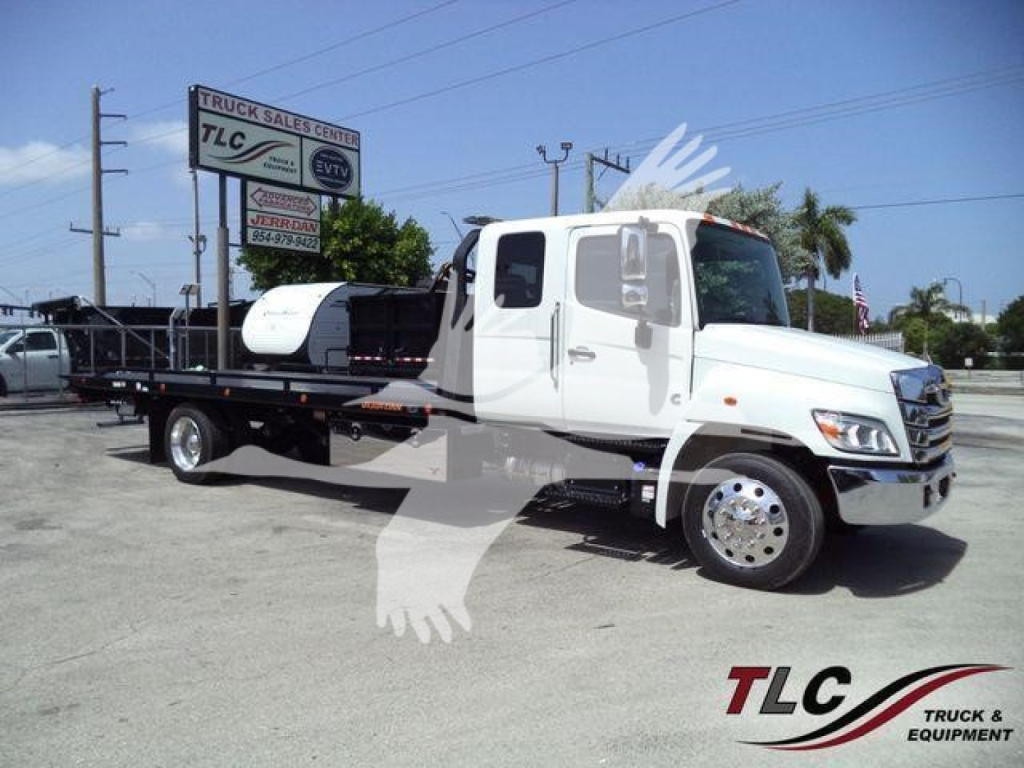
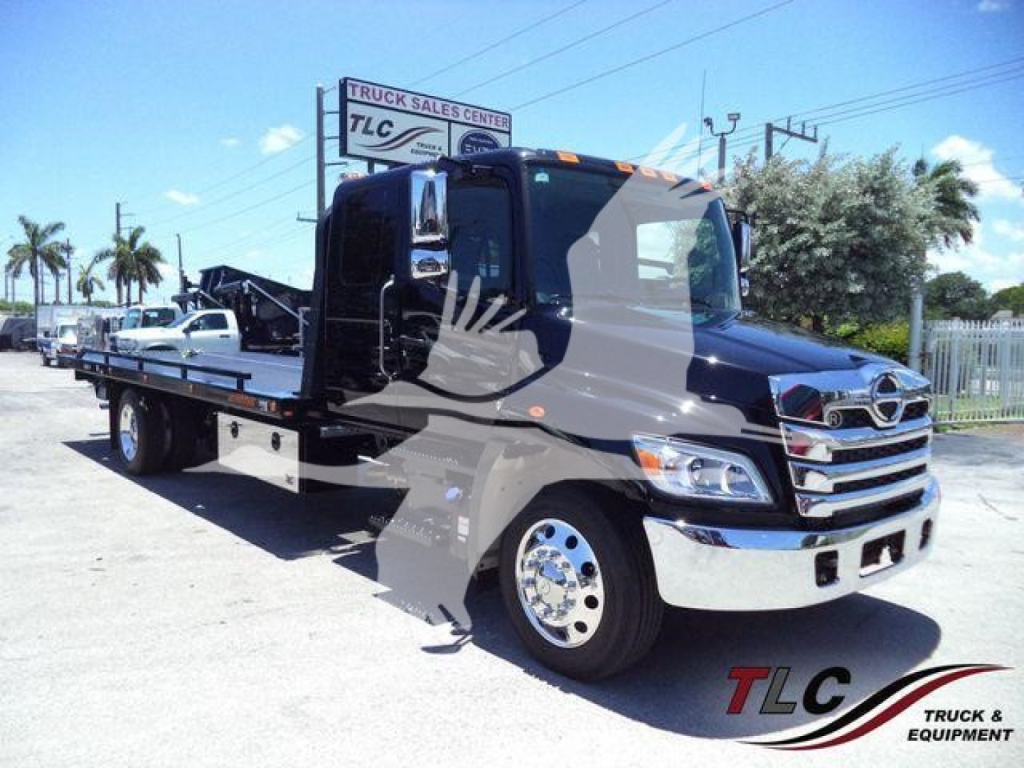
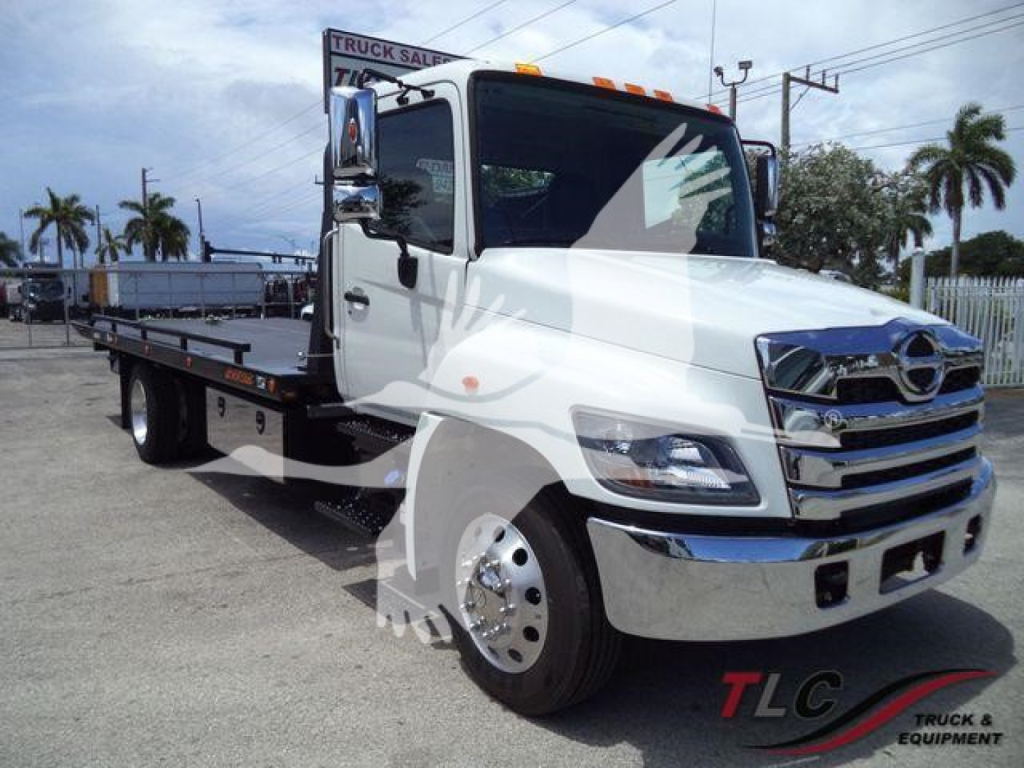
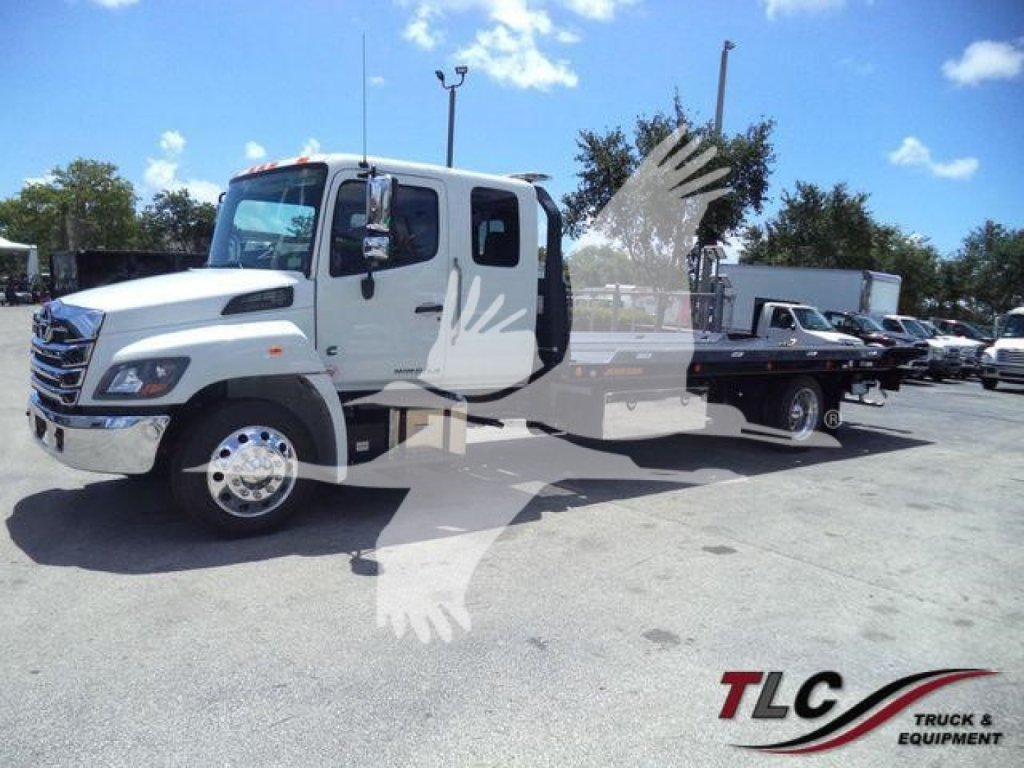
Selling a 2026 hino truck? List your 2026 hino truck for sale and reach thousands of commercial buyers.
2026 Hino Trucks in Florida
The first buying decision is usually GVWR and body application. Many Hino configurations are popular right under CDL thresholds, especially around 25,950 GVWR, because that rating can broaden the driver pool while still supporting dry freight, reefer, and light towing or recovery work. If the truck will carry a 20-foot to 26-foot box, reefer body, or rollback deck, pay close attention to payload after the body and equipment are installed. Wheelbase, cab-to-axle, front axle rating, rear axle ratio, and suspension setup all affect how well the finished truck matches the job. On tow and carrier setups, bed length, wheel-lift rating, winch capacity, and low-profile deck height matter just as much as the chassis specs.
Powertrain details are another major consideration. Current Hino medium-duty trucks are commonly spec'd with diesel engines in the Cummins B6.7 range, paired with Allison automatic transmissions, which is a familiar and serviceable combination for many fleets. Buyers should compare horsepower and torque against route demands, trailer or equipment weight, and terrain. Air brakes are common on heavier medium-duty builds, while fuel tank capacity, tire size, and air ride suspension can make a noticeable difference in operating range, ride quality, and driver retention. In hot, humid Florida service, cooling performance, A/C output, corrosion resistance, and ease of body maintenance are worth extra attention, especially on reefer, towing, and last-mile delivery applications.
A well-matched 2026 Hino truck can work across food distribution, moving and storage, equipment hauling, vehicle recovery, retail delivery, and contractor service. The most useful comparisons are not just make and model, but how the truck is equipped for the intended duty cycle. Review axle ratings, body brand, liftgate or reefer specs, brake type, frame layout, and warranty coverage before narrowing choices. Hino trucks are often cross-shopped against other medium-duty straight trucks because they balance cab comfort, straightforward drivability, and vocational adaptability in a chassis that can be configured for a wide range of commercial work.
Frequently Asked Questions about 2026 Hino Trucks in Florida
What are the most common applications for a 2026 Hino truck?
A 2026 Hino truck is commonly used as a box truck, refrigerated truck, rollback tow truck, flatbed, stake bed, or service body chassis. The platform is popular in medium-duty commercial work because it can be spec'd for city delivery, regional freight, vehicle transport, food distribution, and contractor use. The right application depends on GVWR, wheelbase, cab-to-axle measurement, and the weight of the finished body or upfit.
Is a 2026 Hino truck available in a non-CDL configuration?
Yes, many Hino medium-duty trucks are configured at or near 25,950 GVWR, which keeps them under the 26,001-pound CDL threshold in many applications. That setup is especially common for box trucks, reefer trucks, and some rollback carriers. Buyers still need to confirm local licensing rules, actual door-sticker GVWR, body weight, and payload requirements before assuming a truck will fit a non-CDL operation.
What engine and transmission should buyers expect in a 2026 Hino truck?
Many 2026 Hino trucks in the medium-duty segment are built with diesel powertrains designed for vocational use, commonly centered around the Cummins B6.7 and an Allison automatic transmission. That combination is widely recognized for broad service support and straightforward operation in stop-and-go routes. Buyers should compare horsepower, torque, rear axle ratio, and transmission programming to the truck's actual use, especially for towing, refrigerated service, or heavier payloads.
What specs matter most when buying a 2026 Hino rollback or body-upfitted truck?
For any upfitted Hino chassis, the key specs are GVWR, wheelbase, cab-to-axle, axle ratings, suspension type, brake system, and usable payload after the body is installed. On rollback carriers, bed length, deck width, wheel-lift rating, and winch capacity are critical. On box or reefer trucks, body length, interior height, liftgate capacity, and refrigeration unit specs have a direct impact on productivity and legal payload.
Why do Florida buyers often look closely at cooling and corrosion-related features on Hino trucks?
Florida operating conditions put extra pressure on cooling systems, air conditioning performance, and components exposed to humidity, rain, and coastal air. A Hino truck used in delivery, reefer, or towing service benefits from strong HVAC performance, accessible maintenance points, and body materials that hold up well against corrosion. Buyers in the state often pay closer attention to reefer unit condition, electrical reliability, and underbody exposure than they would in drier inland markets.