
2026 Commercial Trucks For Sale in Oklahoma
Shop 2026 trucks for sale in Oklahoma, including day cabs, sleepers, and cab & chassis models built for highway, vocational, and fleet use.
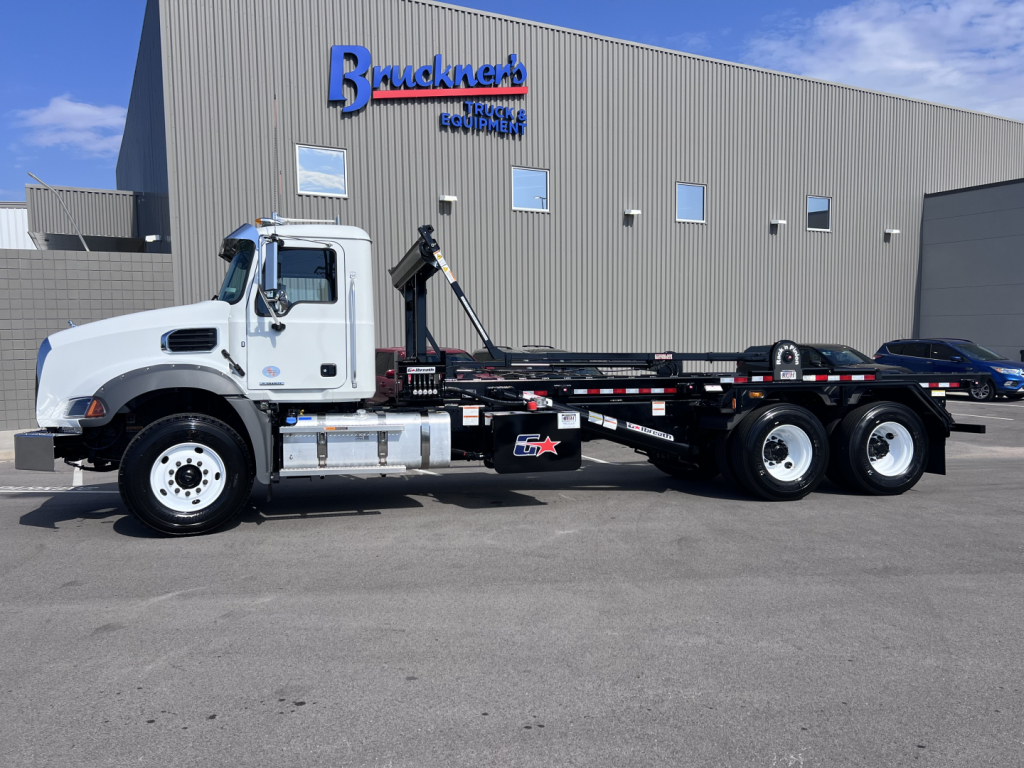
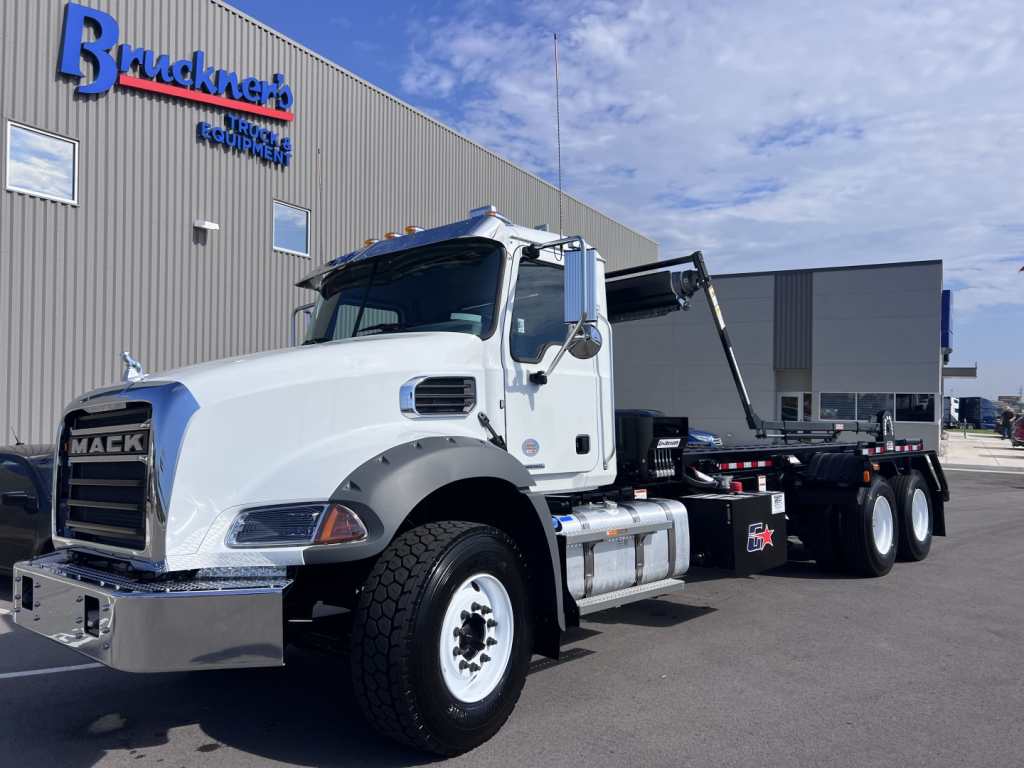
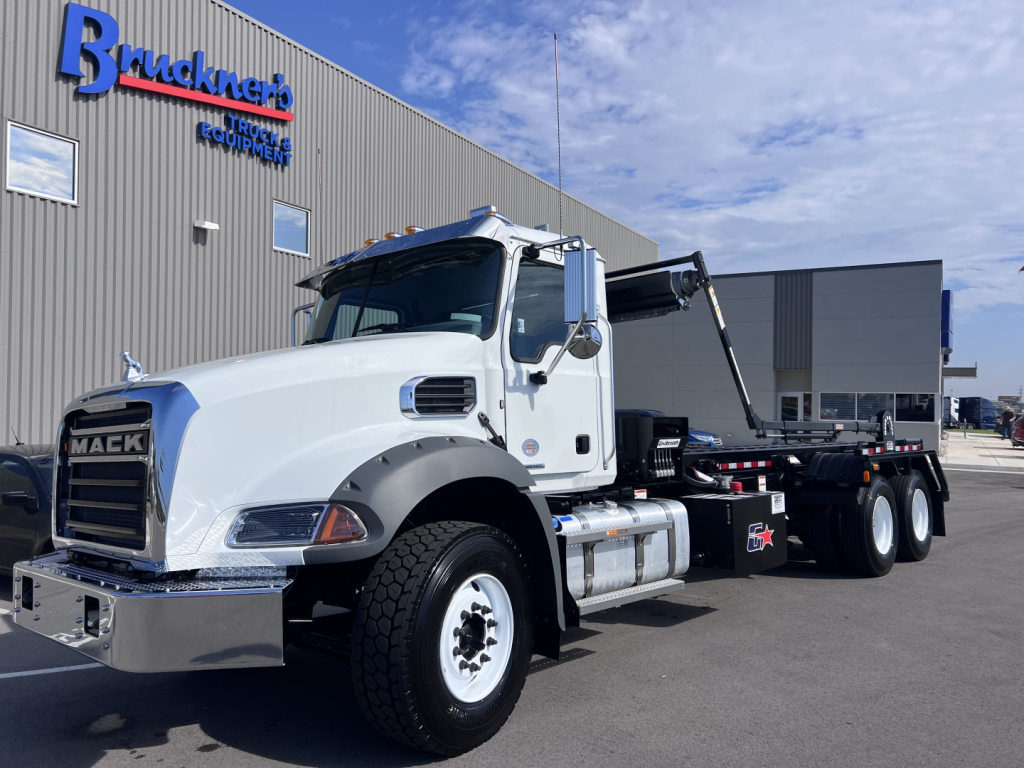

Selling a 2026 commercial truck? List your 2026 commercial truck for sale and reach thousands of commercial buyers.
2026 Commercial Trucks in Oklahoma
For road tractors, pay close attention to powertrain matching. Current heavy-duty trucks commonly pair engines in the 400 to 500-plus horsepower range with automated manual or manual transmissions, depending on fleet preference and driver requirements. Buyers comparing 2026 day cabs and sleepers should look at gross axle weight ratings, tandem setup, wheelbase, and fuel capacity before focusing on cosmetics. A sleeper spec built for long-haul freight will prioritize aerodynamics, bunk size, and fuel range, while a day cab used in regional service may put more value on tight turning radius, lower curb weight, and easier access for multi-stop work. If the truck will pull a wide mix of trailers, kingpin setting tolerance, fifth wheel travel, and ride height matter more than many first-time buyers expect.
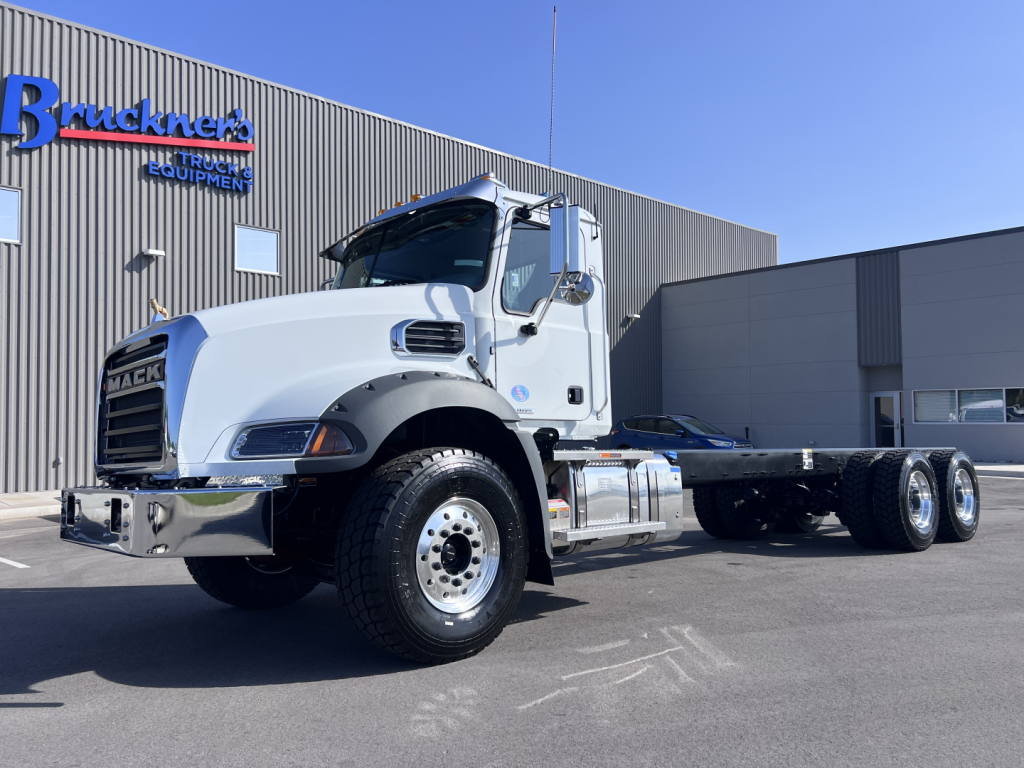
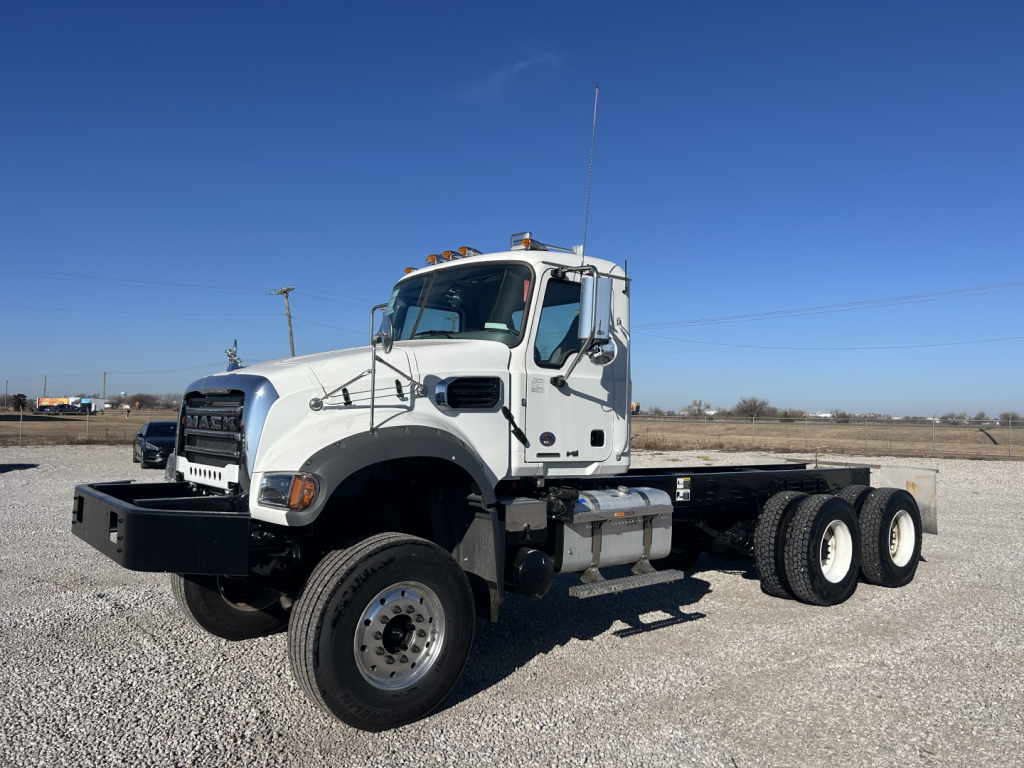
For 2026 cab and chassis trucks, body integration is the key buying issue. Front axle ratings around 12,000 to 20,000 pounds and rear capacities in the 40,000 to 46,000 pound range are common in heavier specs, but the right choice depends on the body, hoist, crane, mixer, or service package being installed. Wheelbase and back-of-cab to end-of-frame dimensions need to be confirmed early so the truck can be bodied without compromise. PTO provisions, frame reinforcement, suspension type, and cab-to-axle measurement all affect upfit cost and final usability. Buyers in Oklahoma should also think about operating surface and seasonal conditions, since oilfield, aggregate, and farm work can demand different tire, suspension, and traction specs than straight highway service.
A late-model 2026 truck also tends to bring better visibility systems, braking technology, driver-assist features, and more standardized telematics support than older units. That can help with insurance, uptime planning, and driver retention, but only if the truck is spec'd to the work. The strongest buying approach is to start with route profile, trailer or body type, target payload, and maintenance strategy, then compare axle ratings, engine family, transmission, suspension, and wheelbase against those needs. On a category page like this, the best 2026 truck is not simply the newest one. It is the one with the right vocational spec, legal payload capability, and chassis layout for the job it will do in Oklahoma.
Frequently Asked Questions about 2026 Commercial Trucks in Oklahoma
What should I look for first when comparing 2026 trucks for sale in Oklahoma?
Start with the truck’s intended job, not the badge or trim level. A regional day cab, long-haul sleeper, and cab and chassis can all be the same model year but built for completely different operating costs and payload profiles. Check axle ratings, wheelbase, suspension, engine horsepower, transmission type, and rear axle ratio first. In Oklahoma, it also makes sense to consider highway versus off-pavement use, since oilfield, agricultural, and construction work often require a different chassis spec than general freight.
What is the difference between a 2026 day cab, sleeper, and cab and chassis truck?
A day cab is a road tractor without a bunk and is usually used for local or regional hauling. A sleeper includes an integrated bunk area for over-the-road service and is typically spec'd with larger fuel capacity and longer wheelbase options. A cab and chassis is sold as a bare truck frame behind the cab so it can be fitted with a dump body, service body, roll-off, tanker, flatbed, or other vocational equipment. The right choice depends on whether the truck will pull trailers, run overnight routes, or be upfitted for a specialized job.
Are 2026 trucks a good choice for body-up vocational work?
Yes, if the chassis dimensions and ratings match the planned upfit. A 2026 cab and chassis can be a strong platform for heavy vocational applications because newer trucks often include current electrical architecture, PTO compatibility, and factory options that simplify body installation. Buyers should verify cab-to-axle measurement, wheelbase, frame section, axle capacities, and suspension before making a decision. Those details affect not only whether the body fits, but also how the finished truck carries weight and performs on the jobsite.
How important are axle ratings and wheelbase on a 2026 truck?
They are two of the most important numbers on the truck. Axle ratings determine how much weight the truck can legally and safely carry, while wheelbase affects bridge compliance, trailer compatibility, turning radius, and body length. On tractors, the wrong wheelbase can limit maneuverability or create trailer clearance issues. On cab and chassis units, the wrong wheelbase can complicate body installation and weight distribution. A newer model year does not correct a poor chassis spec, so these measurements should be verified early.
Do newer 2026 trucks offer advantages over older heavy-duty trucks?
In many cases, yes. A 2026 truck may offer updated safety systems, better visibility, improved telematics integration, and newer powertrain calibration that can help with uptime and fleet standardization. For some buyers, newer emissions hardware and electronics are also easier to support under dealer service networks and warranty structures. The advantage depends on application, though. A buyer still needs to compare spec details closely, because a properly configured older truck can outperform a newer one that was built for the wrong duty cycle.