
2026 Cab and Chassis Trucks For Sale in Oklahoma
Shop 2026 cab and chassis trucks in Oklahoma. Compare wheelbase, axle ratings, PTO setup, engine and transmission options for body upfits.
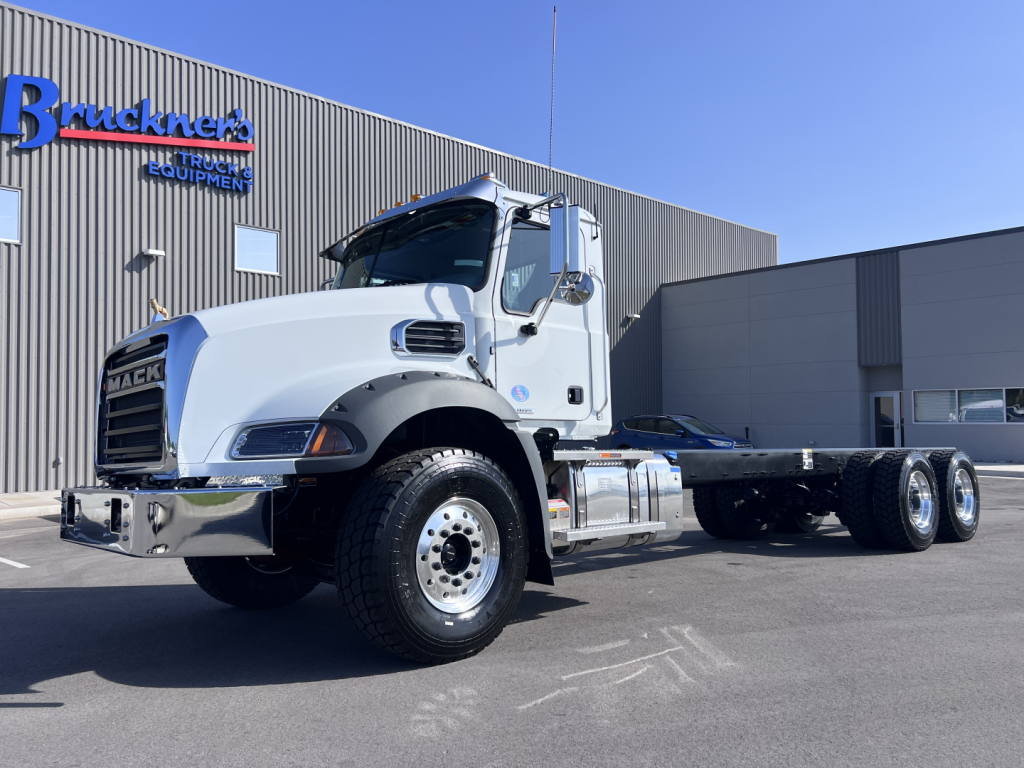
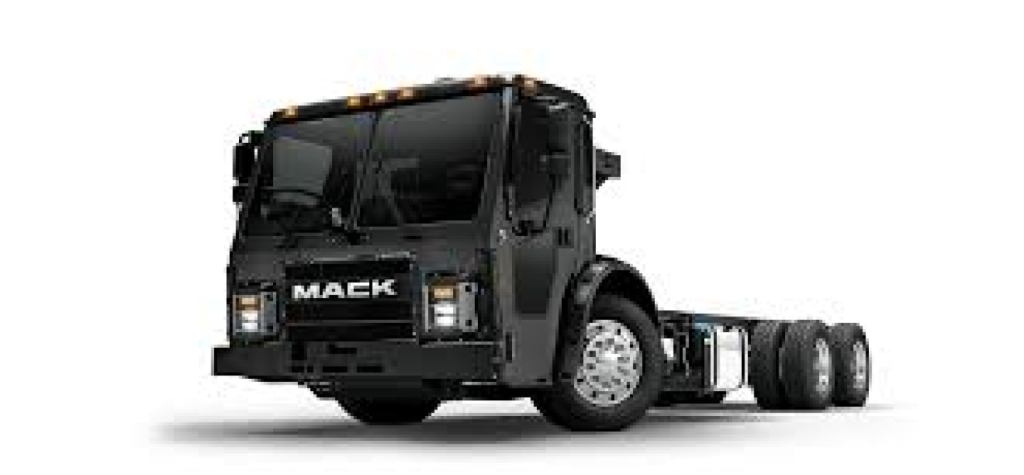
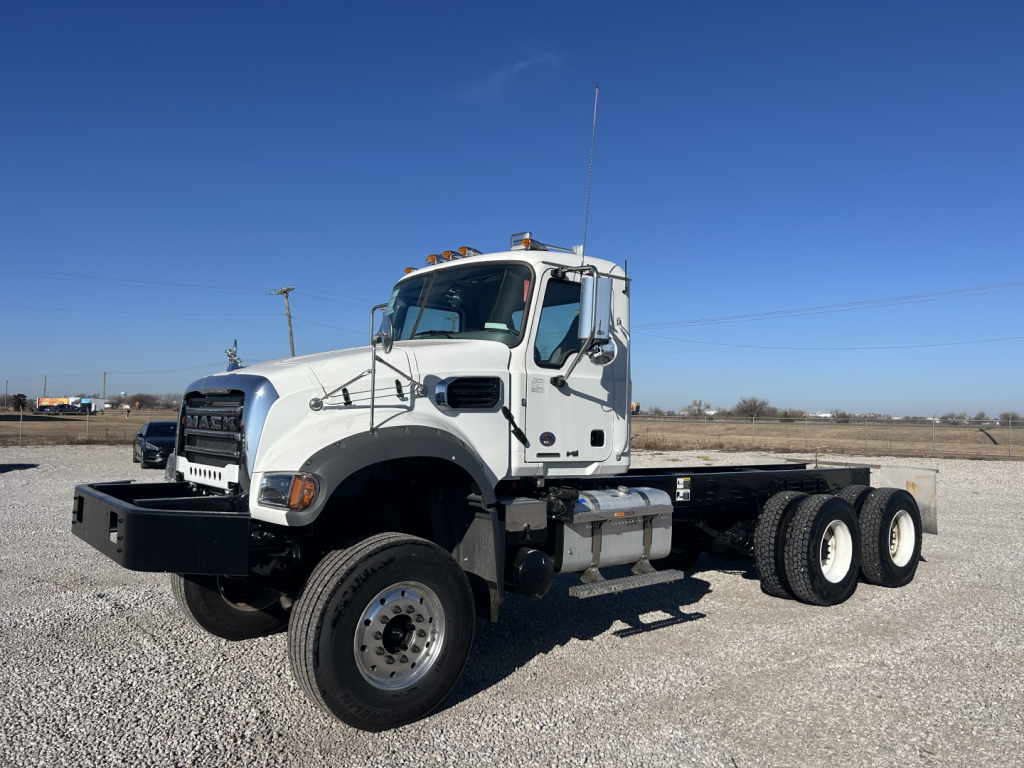

Selling a 2026 cab and chassis truck? List your 2026 cab and chassis truck for sale and reach thousands of commercial buyers.
2026 Cab and Chassis Trucks in Oklahoma
Common 2026 heavy-duty cab and chassis specs include diesel engines in the mid-300 to 425 horsepower range, automated manual or fully automatic transmissions, front axles around 18,000 to 20,000 pounds, and rears in the 40,000 to 46,000 pound class. Wheelbase is one of the first numbers to verify because it affects body length, bridge law compliance, turning radius, and weight distribution. Rear axle ratio also matters more than many buyers expect. A 3.98 or 4.19 ratio can change launch feel, low-speed jobsite control, and highway cruise rpm depending on tire size and transmission gearing. If the truck will run a hydraulic system, check PTO provisions early, especially if the intended upfit is a dump, mixer, roll-off, or refuse application.
Cab layout and transmission choice should match the work cycle. Low-entry models are popular for refuse and municipal stop-and-go routes because they improve ingress and egress, visibility, and side access. Conventional vocational chassis are more common for dump, crane, and severe-service body installations where frame rail access, front axle set-back or set-forward configuration, and rugged suspension packages matter more. Allison automatic transmissions remain common in vocational service where smooth engagement and PTO operation are priorities, while automated manuals are often chosen when fuel economy and driver familiarity with highway-style controls are important.
A good cab and chassis spec is one that leaves enough capacity and frame room for the finished truck, not one that is merely rated high on paper. Buyers should confirm wheelbase, cab-to-axle, frame section modulus, suspension rating, exhaust routing, fuel tank placement, and any body-builder guidance from the OEM before ordering or comparing listings. The best 2026 cab and chassis trucks are the ones that can be upfitted without compromise, carry the payload legally, and stay serviceable after the body is installed.
Frequently Asked Questions about 2026 Cab and Chassis Trucks in Oklahoma
What is a cab and chassis truck used for?
A cab and chassis truck is an incomplete truck built to receive a vocational body. Common uses include dump trucks, utility trucks, mechanics trucks, rollback tow trucks, box trucks, refuse trucks, tank trucks, and hooklift applications. The truck is purchased for its frame, cab, axle ratings, engine, transmission, and wheelbase, then finished with the body and equipment needed for the job.
What specs matter most when buying a 2026 cab and chassis truck?
The most important specs are wheelbase, cab-to-axle dimension, front and rear axle ratings, suspension capacity, engine torque, transmission type, and PTO capability. Buyers should also review frame rail dimensions, rear axle ratio, exhaust layout, fuel tank placement, and any factory body-builder information. These details determine whether the truck can accept the intended body, carry the target payload, and operate efficiently in its duty cycle.
Should I choose an automatic, automated manual, or manual transmission for a cab and chassis?
That depends on the application. Allison automatic transmissions are widely used in vocational work because they perform well in stop-and-go service, PTO-driven applications, and jobs that require frequent maneuvering. Automated manuals can reduce driver fatigue and may offer efficiency advantages in some operations. Manual transmissions are less common than they once were but still appeal in certain severe-service or owner-operator preferences. The right choice comes down to route type, body equipment, driver pool, and maintenance strategy.
Why is wheelbase so important on a cab and chassis truck?
Wheelbase affects body fitment, axle loading, turning radius, and overall finished truck balance. A wheelbase that is too short may limit body options or create weight distribution problems, while a wheelbase that is too long can hurt maneuverability and add unnecessary frame length. Buyers should match wheelbase and cab-to-axle measurements to the body manufacturer's requirements before finalizing a truck.
Are low-entry cab and chassis trucks better for municipal or refuse work?
In many cases, yes. Low-entry chassis are designed for frequent stops and repeated entry and exit, which makes them a strong fit for refuse, sanitation, and municipal service. They also improve visibility around the truck and can support right-hand or dual steering configurations in some applications. Conventional cab and chassis models are usually a better fit for construction, utility, and heavy vocational body installations where frame access and severe-duty component choices are the priority.