
2026 Pickup 2wd Trucks For Sale
Shop 2026 2WD pickup trucks with insight on cab styles, payload, towing, bed lengths, gas vs diesel, and light-duty to heavy-duty specs.
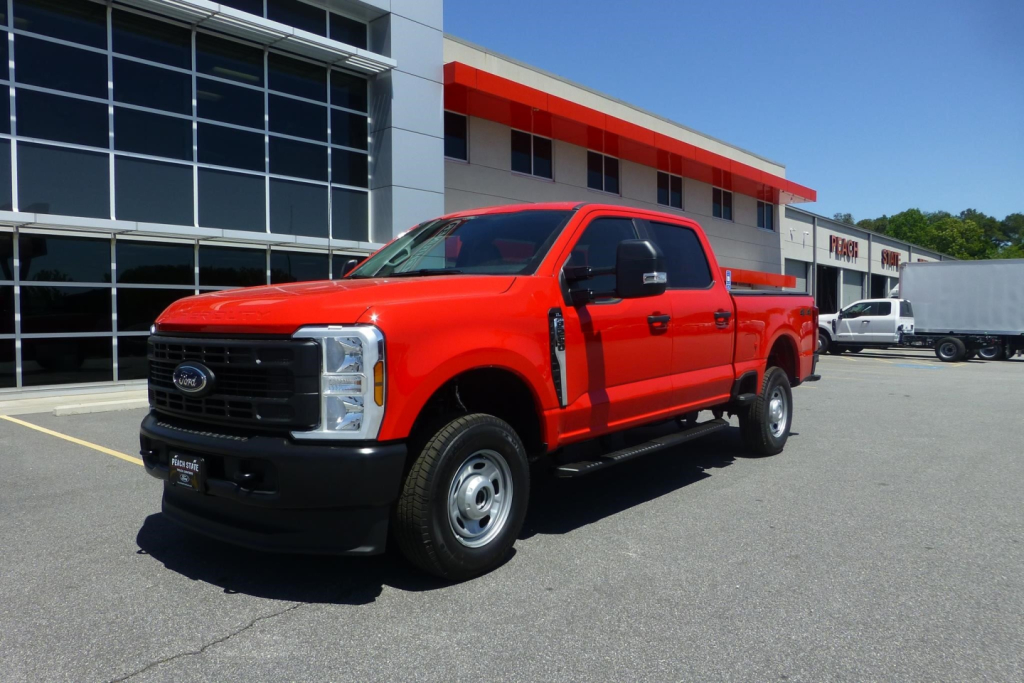
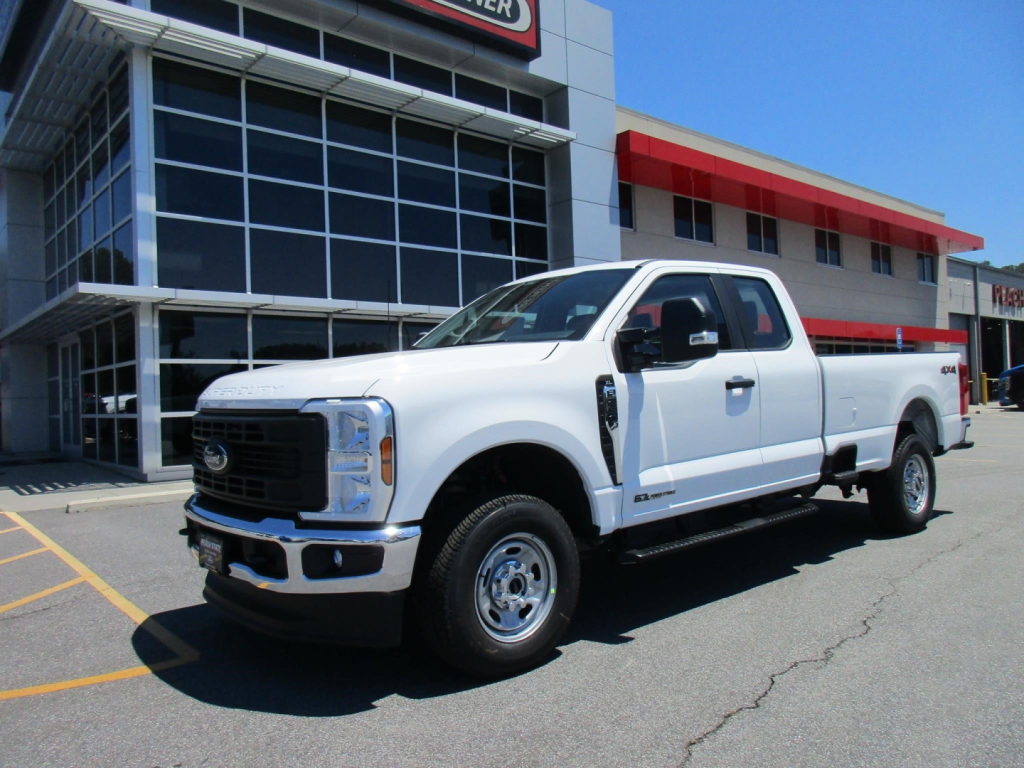
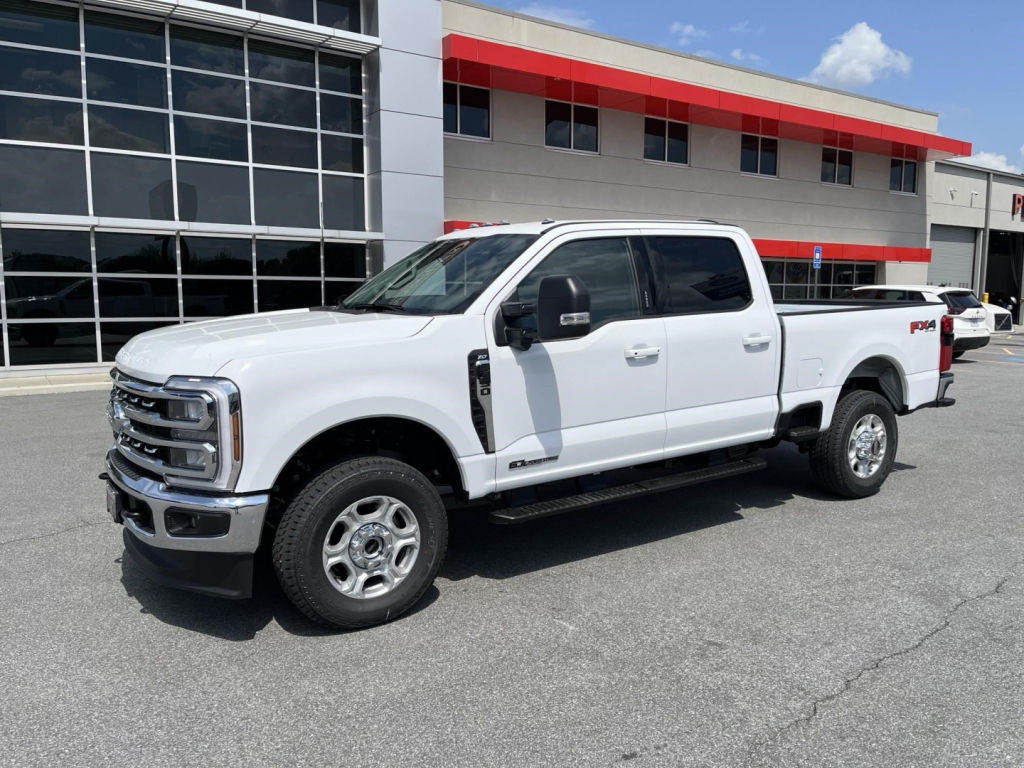
Selling a 2026 pickup 2wd truck? List your 2026 pickup 2wd truck for sale and reach thousands of commercial buyers.
2026 Pickup 2wd Trucks
The first decision is usually truck class. Half-ton models are common for general service, light towing, and mixed personal-commercial use. Three-quarter-ton and one-ton pickups move into serious work, with stronger frames, heavier rear axles, higher GVWR ratings, and available gas or diesel powertrains for larger trailers and bed loads. Cab configuration matters just as much as badge size. Regular cabs maximize bed length and keep wheelbase manageable, while extended cab and crew cab layouts add passenger space for crews, tools, and secure interior storage. Bed length, axle ratio, wheelbase, suspension package, and hitch setup all affect how a pickup performs with trailers, pallets, service bodies, or slide-in equipment.
For buyers comparing 2026 pickup 2WD trucks for sale, the spec sheet deserves a close read. Payload ratings can vary significantly within the same model line based on engine, cab, bed, trim level, and tire package. Towing capacity is only part of the picture. Look at rear axle weight rating, receiver rating, available gooseneck or fifth-wheel prep on heavy-duty models, integrated trailer brake controls, cooling packages, and mirror options for visibility. Gas engines often make sense for lower annual mileage, shorter duty cycles, and simpler maintenance planning. Diesel power is still the preferred choice for frequent heavy towing, sustained highway miles, and torque-focused work, but it comes with a higher upfront cost and more emissions-system complexity. Electronic safety and driver-assist features are now common across the category, including backup cameras, blind spot monitoring, parking sensors, trailer guidance, and 360-degree camera systems that help in crowded yards and urban routes.
A good 2WD pickup should be matched to terrain and duty cycle, not bought by habit. If the truck will spend most of its life on road, in warm-weather regions, or in fleet service with predictable routes, rear-wheel drive often gives a cleaner cost-to-capability ratio. Buyers should also pay attention to bed utility features such as spray-in liners, LED box lighting, in-bed power outlets, tie-down systems, tailgate steps, and upfitter compatibility for toolboxes, ladder racks, and service equipment. The best 2026 2WD pickup is the one with the right GVWR, axle ratio, cab and bed layout, and tow package for the work it will actually do every day.
Frequently Asked Questions about 2026 Pickup 2wd Trucks
What are the advantages of a 2WD pickup truck compared with a 4x4?
A 2WD pickup typically costs less to buy, weighs less, and has fewer driveline components to maintain than a comparable 4x4. That can translate into better fuel economy, lower long-term service costs, and slightly higher usable payload in some configurations. For highway use, municipal work, delivery service, and job sites with stable surfaces, 2WD is often the more efficient choice.
Is a 2WD pickup good for towing?
Yes, many 2WD pickups are strong tow vehicles, especially in heavy-duty three-quarter-ton and one-ton configurations. Rear-wheel drive can provide stable towing manners on dry pavement, and heavy-duty models may be available with diesel engines, factory tow packages, integrated brake controllers, and gooseneck or fifth-wheel prep. The key is to verify the truck's exact towing rating, payload, rear axle rating, and hitch capacity rather than assuming all trucks of the same model are rated equally.
How do I choose between a half-ton, 3/4-ton, and 1-ton 2WD pickup?
A half-ton is generally best for lighter trailers, general maintenance work, and mixed-use driving. A 3/4-ton steps up to heavier suspension, frame, axle, and brake components for more demanding payload and towing needs. A 1-ton is the right fit when bed weight, trailer pin weight, or daily work cycles push beyond what lighter trucks can comfortably handle. Buyers should start with real payload and trailer numbers, then match the truck's GVWR and axle ratings to those requirements.
Should I buy a gas or diesel 2026 2WD pickup?
Gas engines are usually the better fit for buyers with moderate towing demands, lower annual mileage, and a preference for lower upfront cost and simpler maintenance. Diesel engines make the most sense when the truck will tow heavy trailers frequently, cover long highway distances, or operate under sustained load where torque and efficiency matter most. The decision should be based on duty cycle, total cost of ownership, and how often the truck will actually work near its upper ratings.
What specs matter most when shopping for a 2026 2WD pickup truck?
The most important specs are GVWR, payload rating, rear axle ratio, engine choice, cab style, bed length, wheelbase, and tow package content. Buyers should also check receiver rating, trailer brake controller availability, rear axle weight rating, tire and wheel package, and any factory prep for gooseneck or fifth-wheel towing on heavy-duty trucks. Convenience features are useful, but the core buying decision should center on ratings and configuration.