
2026 Commercial Trucks For Sale in Washington
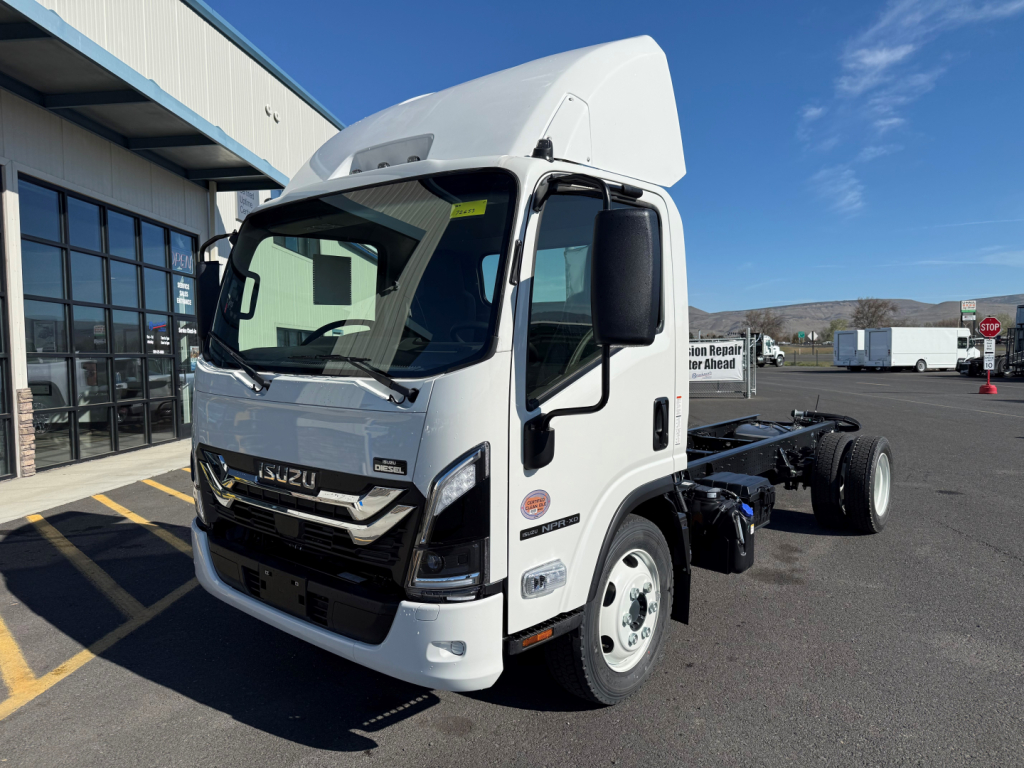
Browse 2026 trucks for sale in Washington, including highway, vocational, day cab, sleeper, and dump truck configurations.
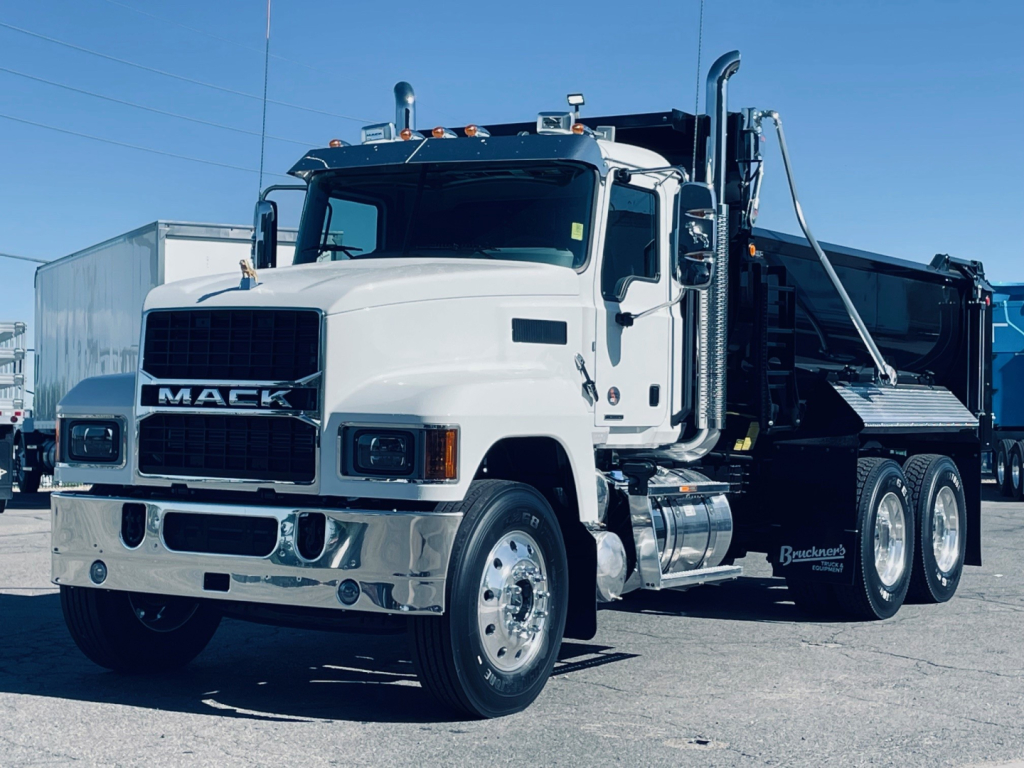
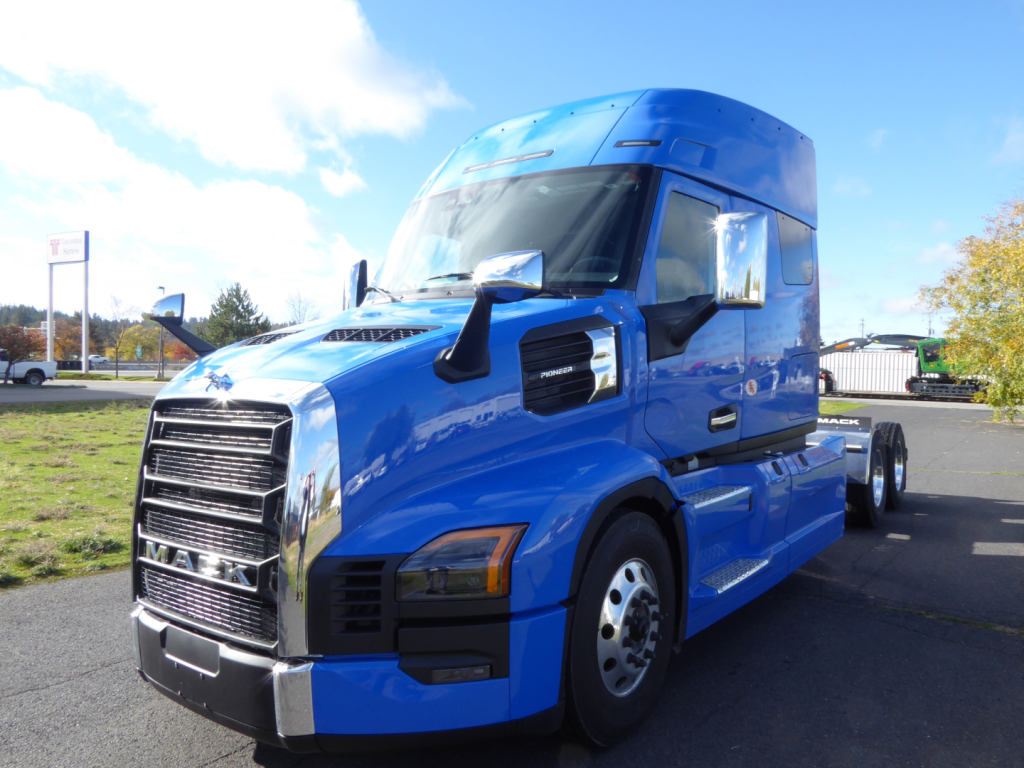
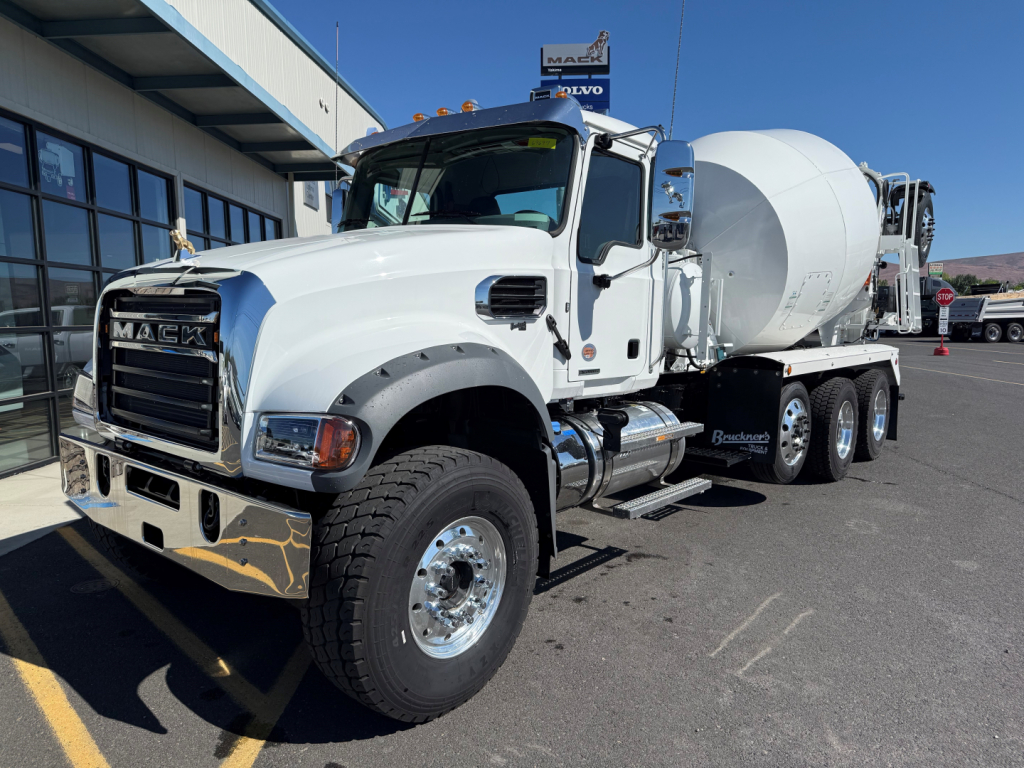
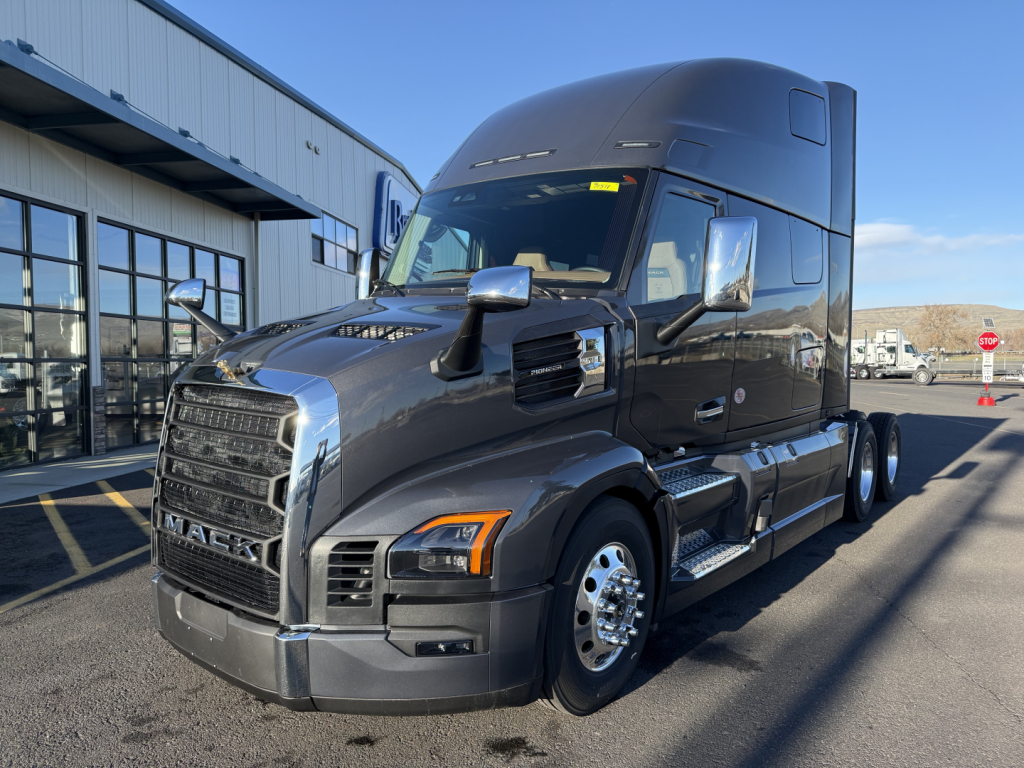
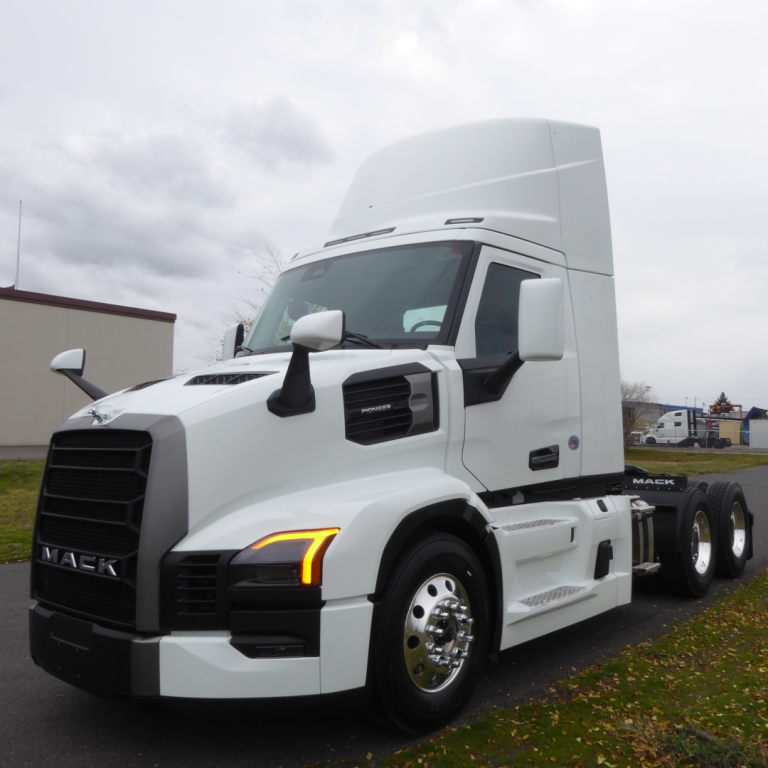
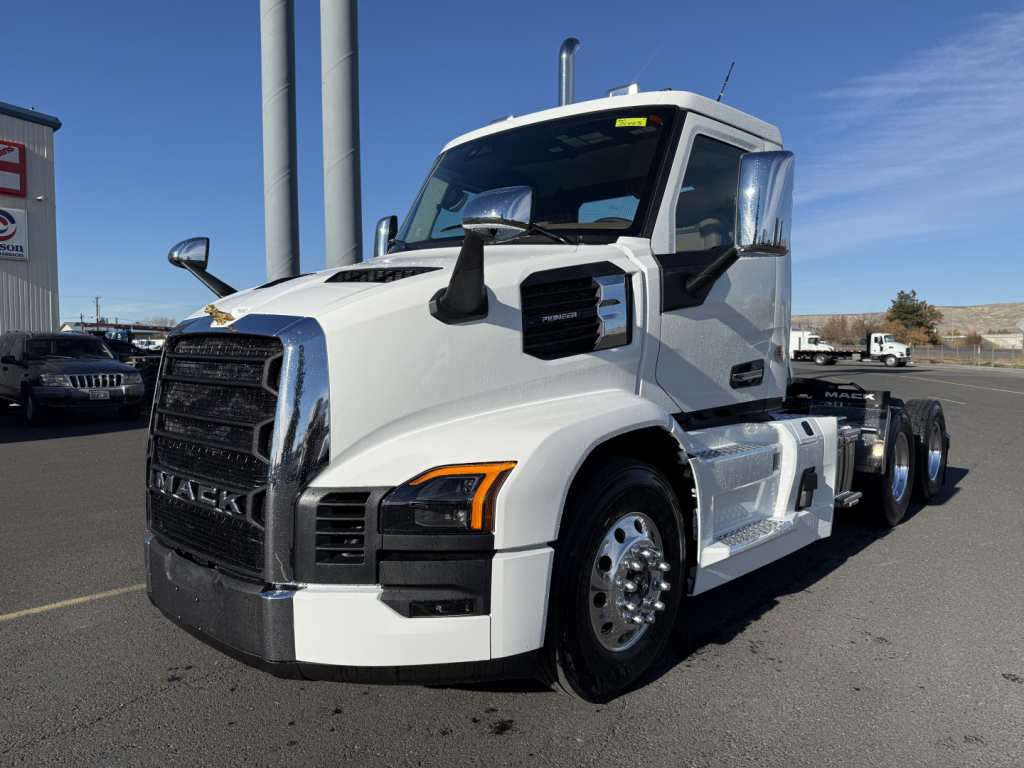
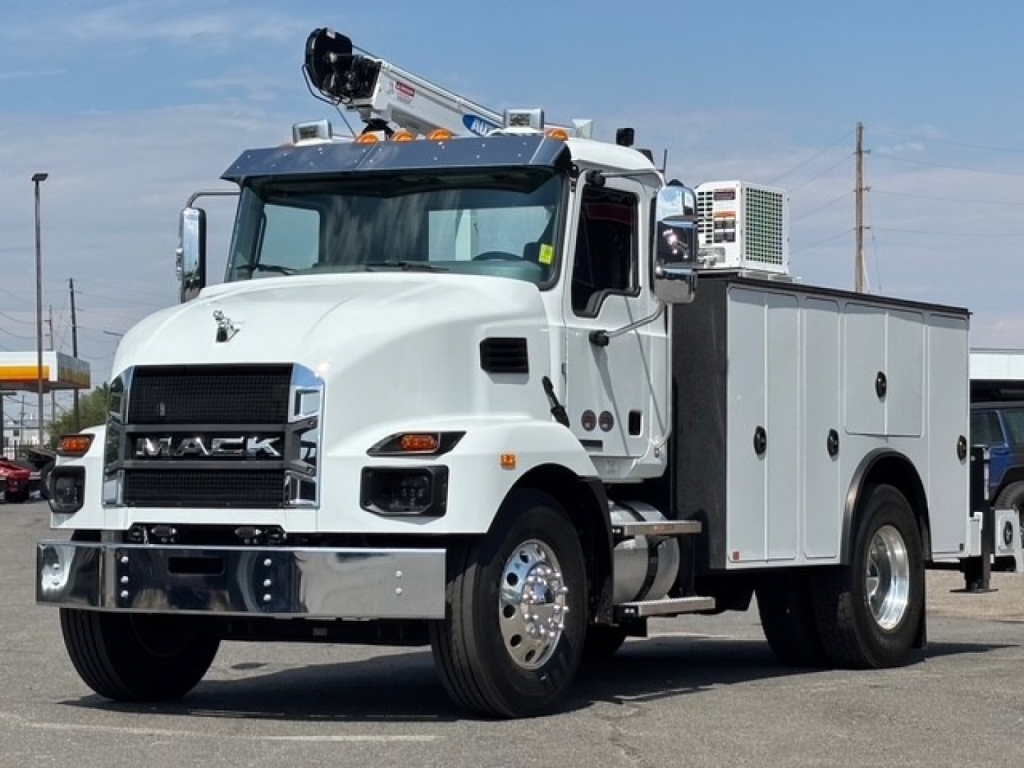
2026 Mack PR64T64
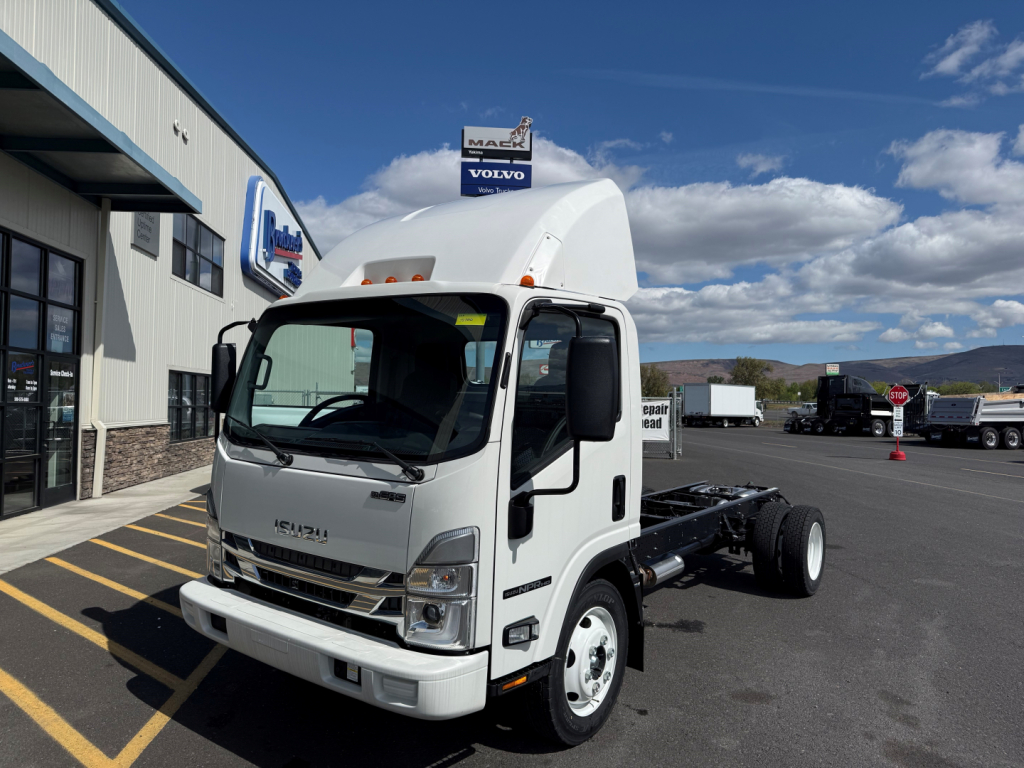
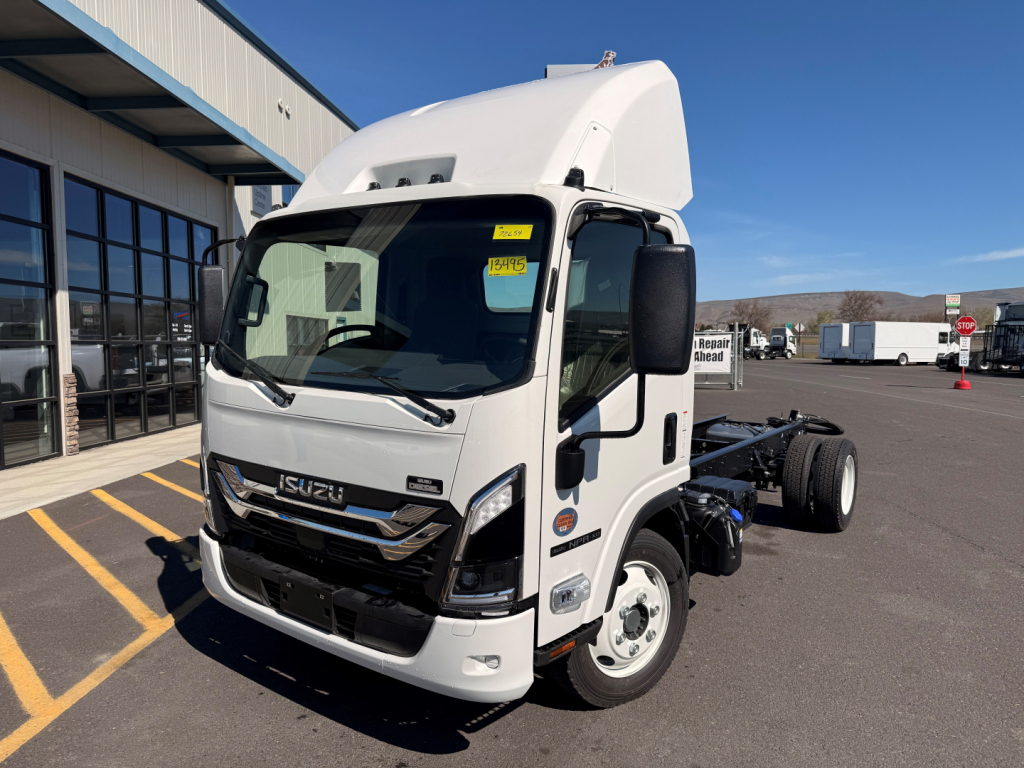
Selling a 2026 commercial truck? List your 2026 commercial truck for sale and reach thousands of commercial buyers.
2026 Commercial Trucks in Washington
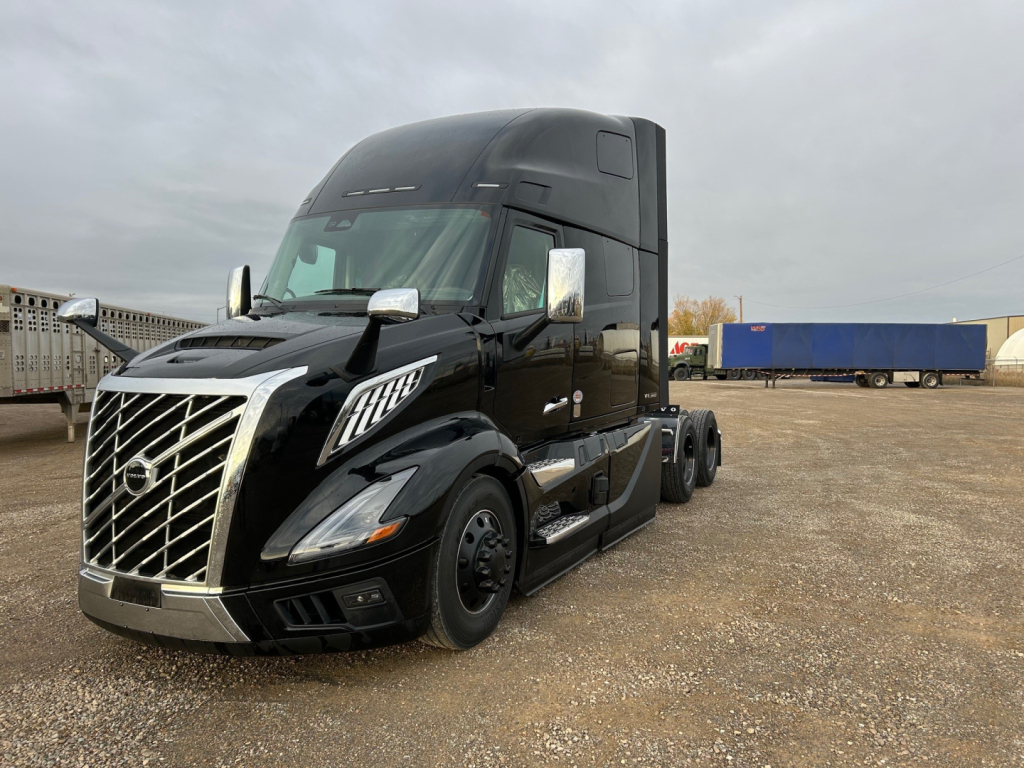
For highway tractors, common configurations include tandem axle day cabs and sleepers with 12-speed automated transmissions, aerodynamic packages, and engines in the 425 to 500 horsepower range. Typical specs include 12,000 to 13,200 lb front axles, 38,000 to 40,000 lb rears, air ride suspension, and rear ratios chosen for fuel economy or gradeability. Buyers running I-5, cross-Cascades freight, or port-related lanes should pay close attention to wheelbase, fairing setup, fuel capacity, and active safety systems such as collision mitigation, adaptive cruise, and lane support. Sleeper size, bunk layout, and cab roof height matter if the truck will spend nights out, while a shorter wheelbase day cab usually fits tighter regional and drayage work better.
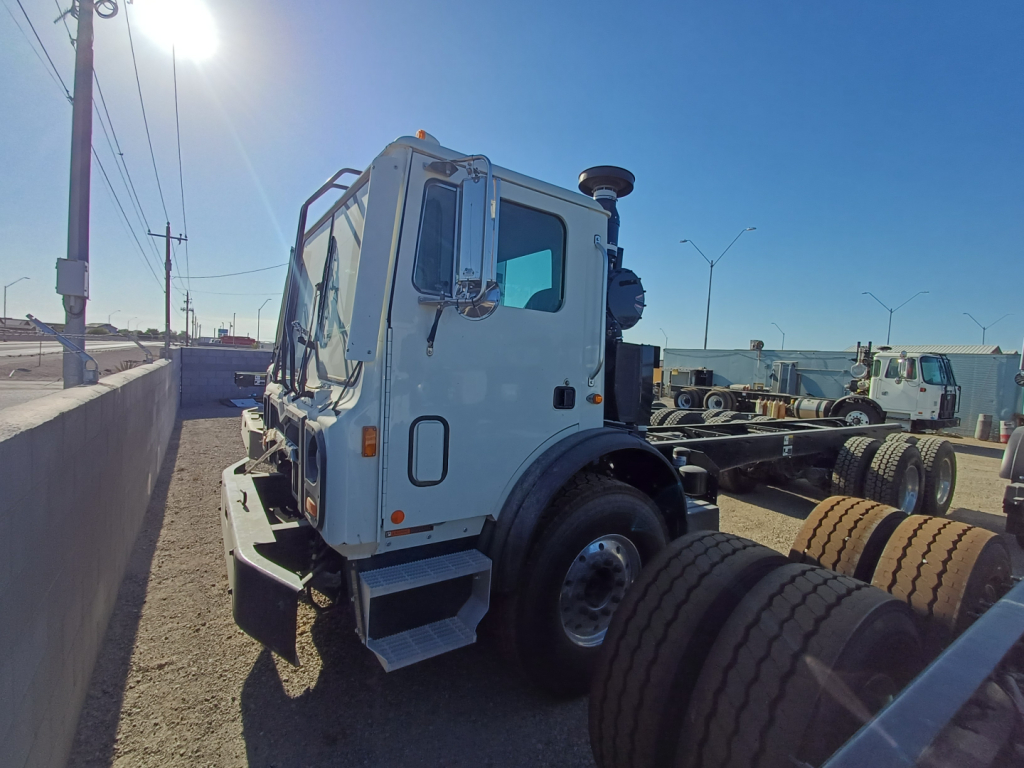
Vocational 2026 trucks in Washington often center on dump, municipal, construction, and equipment-hauling use. These trucks are commonly spec'd with higher GVWRs, heavier front axles, vocational suspensions, PTO provisions, and Allison automatic or automated manual transmissions depending on duty cycle. A single axle dump may suit tighter urban work and lower registration thresholds, while tandem, tri-axle, or quad axle setups support higher legal payloads and better load distribution. Body material, hoist capacity, tailgate design, brake type, and tire package all affect real-world productivity. For off-pavement or mixed-surface work, ground clearance, rear ratio, locking differentials, and suspension durability deserve close review.
A strong 2026 truck spec is one that matches the lane and stays compliant. Check GVWR, axle ratings, wheelbase, fifth wheel or body dimensions, emissions equipment accessibility, and service network support before comparing price alone. In Washington, that also means thinking through corrosion exposure, chain-up season, PTO needs, and the balance between tare weight and usable payload. The newest trucks may offer improved driver assistance, updated cab ergonomics, and more efficient powertrain calibrations, but long-term value still comes from buying the right configuration for the work.
Frequently Asked Questions about 2026 Commercial Trucks in Washington
What types of 2026 trucks are commonly available in Washington?
The 2026 truck market in Washington can include highway tractors, conventional day cabs, sleeper trucks, dump trucks, and other vocational chassis. Highway models are typically spec'd for regional or long-haul freight with tandem axles, aerodynamic cabs, and automated transmissions. Vocational models are more likely to have heavier axles, PTO capability, shorter or purpose-built wheelbases, and suspensions designed for construction, municipal, or mixed-surface work.
What specs matter most when comparing 2026 highway trucks?
The most important specs are engine rating, transmission type, axle ratings, wheelbase, rear ratio, suspension, and cab configuration. For Washington operations, buyers should also evaluate how the truck handles grades, wet conditions, and long regional lanes. A fuel-efficient rear ratio and aerodynamic setup can help on interstate freight, while enough horsepower and torque are critical for mountain routes and heavier gross weights.
How do I choose between a 2026 day cab and a sleeper truck?
A day cab is usually the better fit for local delivery, port work, drayage, and regional routes that return to base. It typically offers a shorter wheelbase, lower weight, and easier maneuverability. A sleeper truck makes more sense for overnight freight, longer dispatch cycles, and operations that need driver living space, larger storage capacity, and better comfort over multi-day trips.
What should I look for in a 2026 dump truck in Washington?
Focus on GVWR, front and rear axle ratings, body size and material, hoist specification, transmission choice, and suspension durability. Washington buyers should also consider jobsite conditions, legal payload targets, and whether the truck will run on pavement, gravel, or mixed terrain. Features like locking differentials, proper rear ratio, PTO setup, brake configuration, and tailgate style directly affect productivity and uptime.
Are newer 2026 trucks likely to have better safety and efficiency features?
Yes. Many newer trucks include updated driver assistance systems, improved aerodynamic designs, refined engine and transmission calibrations, and better cab ergonomics. Features such as adaptive cruise, collision mitigation, and lane support are increasingly common on highway trucks. Even so, the best purchase is still the truck with the right axle, wheelbase, drivetrain, and body spec for the work, because a mismatch in configuration can erase the value of newer technology.