
2026 Conventional Sleeper Trucks For Sale in Washington
Shop 2026 conventional sleeper trucks in Washington. Compare cab size, powertrain, axle specs, and sleeper features for long-haul freight.
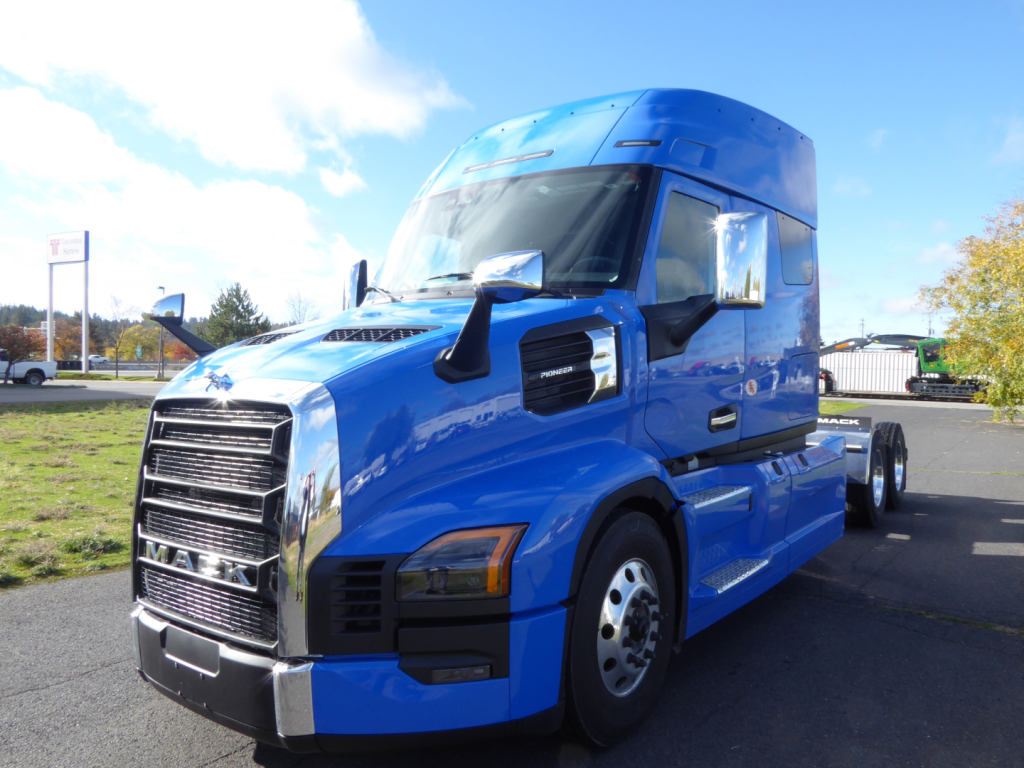
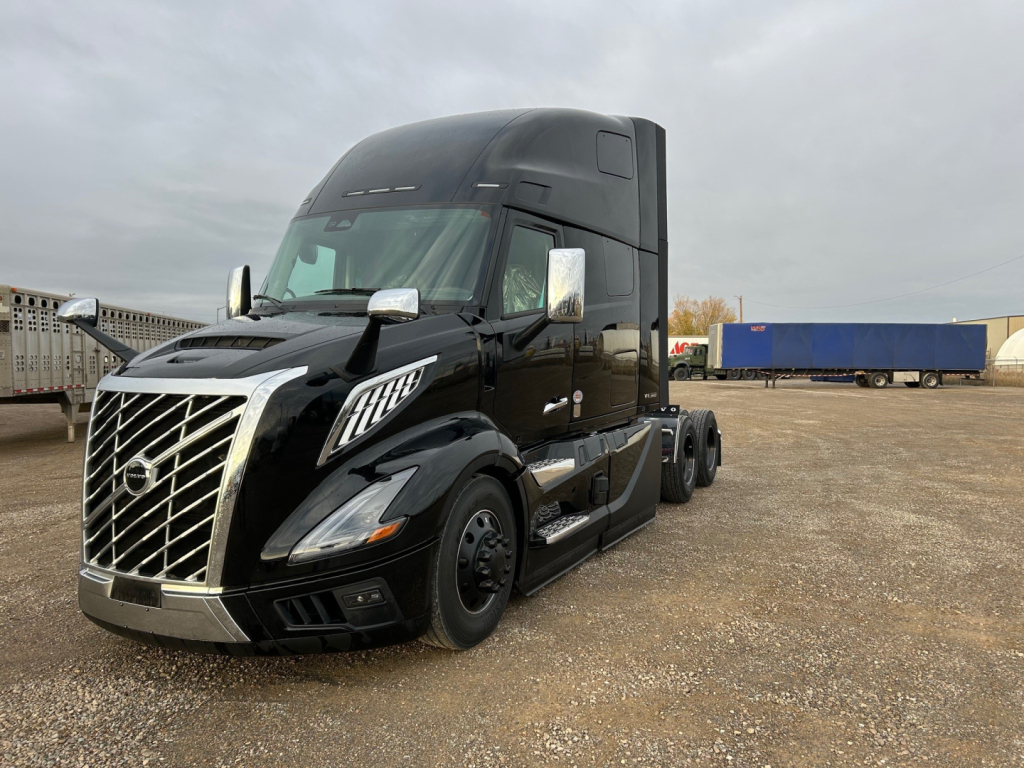
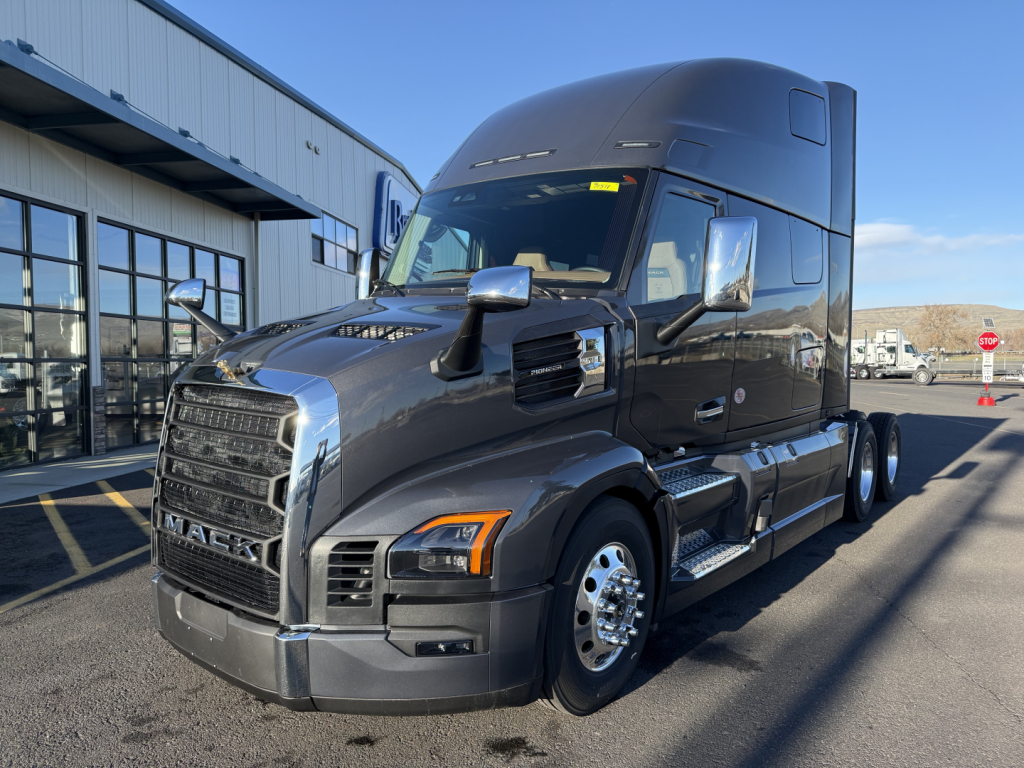
Selling a 2026 conventional sleeper truck? List your 2026 conventional sleeper truck for sale and reach thousands of commercial buyers.
2026 Conventional Sleeper Trucks in Washington
Powertrain selection is usually the first real buying decision. Many late-model conventional sleepers are spec'd with popular heavy-duty engines from Cummins, Detroit, Volvo, or Paccar, commonly paired with automated manual transmissions for fuel-efficient highway operation and easier driver onboarding. A buyer comparing 2026 sleeper trucks should pay attention to horsepower ratings in the 400- to 500-plus range, torque output, transmission gearing, and whether the truck is set up as a 6x4 or with a lift axle for specialized payload or regional bridge-law considerations. For Pacific Northwest use, cooling capacity, engine brake performance, and traction-related specs can matter just as much as fuel economy.
The sleeper itself affects both resale and day-to-day operations. Common cab and bunk layouts range from mid-roof and shorter sleepers for regional runs to larger raised-roof sleepers with room for cabinets, refrigerator prep, workstation space, and more standing height. Buyers should also look at noise insulation, HVAC performance, bunk heater or idle management systems, inverter capacity, and mattress or storage layout if the truck will stay on the road for multiple nights at a time. On the chassis side, practical details like wheelbase, fairings, saddle tank capacity, fifth wheel position, suspension type, and tire spec have a direct effect on trailer compatibility, turning radius, and total operating cost.
Washington buyers comparing conventional sleeper trucks also tend to focus on corrosion exposure, service network access, and emissions warranty coverage. A clean highway spec with disc brakes, collision mitigation, adaptive cruise, and a modern telematics package can help with safety compliance and driver retention, while proven components can simplify maintenance planning. The best 2026 conventional sleeper truck is the one whose axle ratings, sleeper size, drivetrain, and cab technology match the freight it will actually pull, not just the route sheet on its first load.
Frequently Asked Questions about 2026 Conventional Sleeper Trucks in Washington
What is a conventional sleeper truck?
A conventional sleeper truck is a highway tractor with a forward engine compartment and a sleeper cab mounted behind the driver and passenger seats. It is designed for regional and long-haul freight where the driver needs an onboard sleeping area and added storage. This truck style is also commonly called a sleeper semi, sleeper tractor, or conventional sleeper cab truck.
What specs matter most when buying a 2026 conventional sleeper truck?
The most important specs are engine horsepower and torque, transmission type, rear axle ratio, wheelbase, axle ratings, and sleeper size. Those items determine how the truck performs on grades, how efficiently it runs at highway speed, what trailers it can handle, and how comfortable it is for multi-day trips. Buyers should also review fuel capacity, suspension type, fifth wheel setup, braking system, and driver-assist technology because those details affect operating cost and job fit.
Is an automated transmission a good choice in a sleeper tractor?
For many fleets and owner-operators, an automated manual transmission is now the standard choice in a sleeper tractor. It helps improve fuel economy consistency, reduces driver fatigue in traffic, and makes it easier to seat trucks with a wider driver pool. A manual transmission may still appeal in certain vocational or specialty applications, but for most highway freight, an automated setup offers the best balance of efficiency, drivability, and resale appeal.
What sleeper size is best for long-haul trucking?
The right sleeper size depends on trip length, driver preference, and payload requirements. A smaller sleeper can save weight and shorten wheelbase for regional work, while a larger raised-roof sleeper gives better livability for extended over-the-road operation. For long-haul use, buyers usually prioritize standing room, storage, HVAC performance, idle management, and bunk comfort over simply choosing the biggest bunk available.
What should buyers in Washington look for in a conventional sleeper truck?
Washington buyers should pay close attention to specs that support mountain driving, wet-weather traction, and long interstate runs. Strong engine brake performance, the right rear axle ratio, reliable cooling capacity, and stable suspension tuning are important for grades and changing weather. Service support across the Pacific Northwest, corrosion condition, and emissions coverage are also key considerations because they directly affect uptime and maintenance planning.