
2026 Volvo Conventional Sleeper Trucks For Sale in Washington
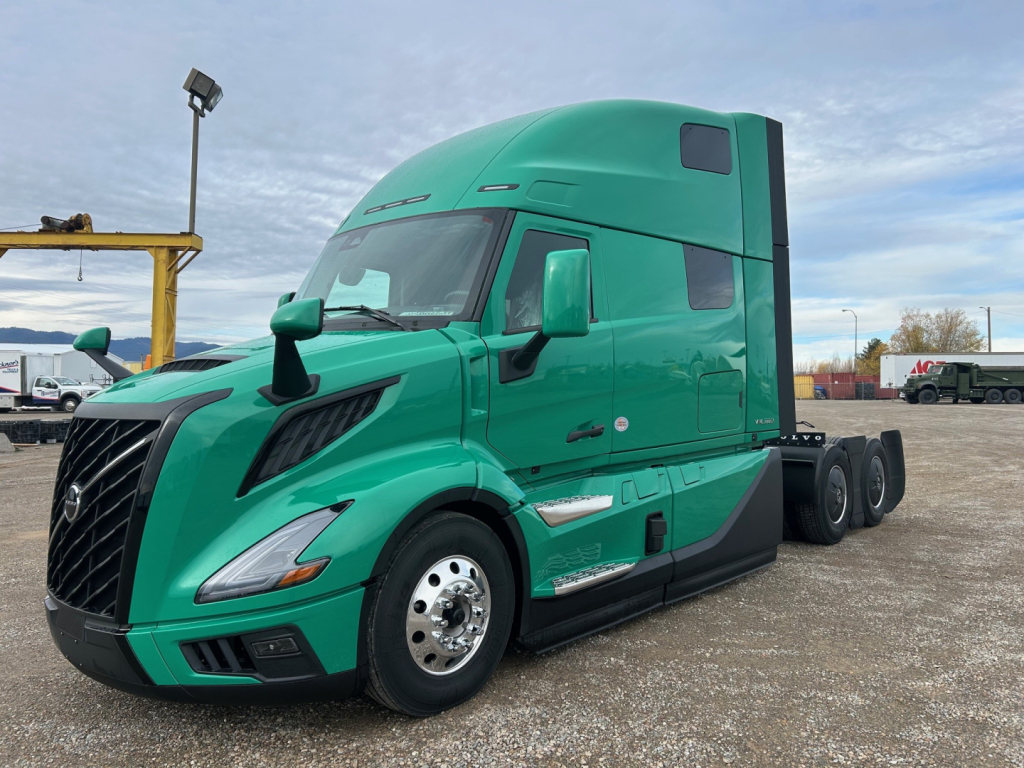
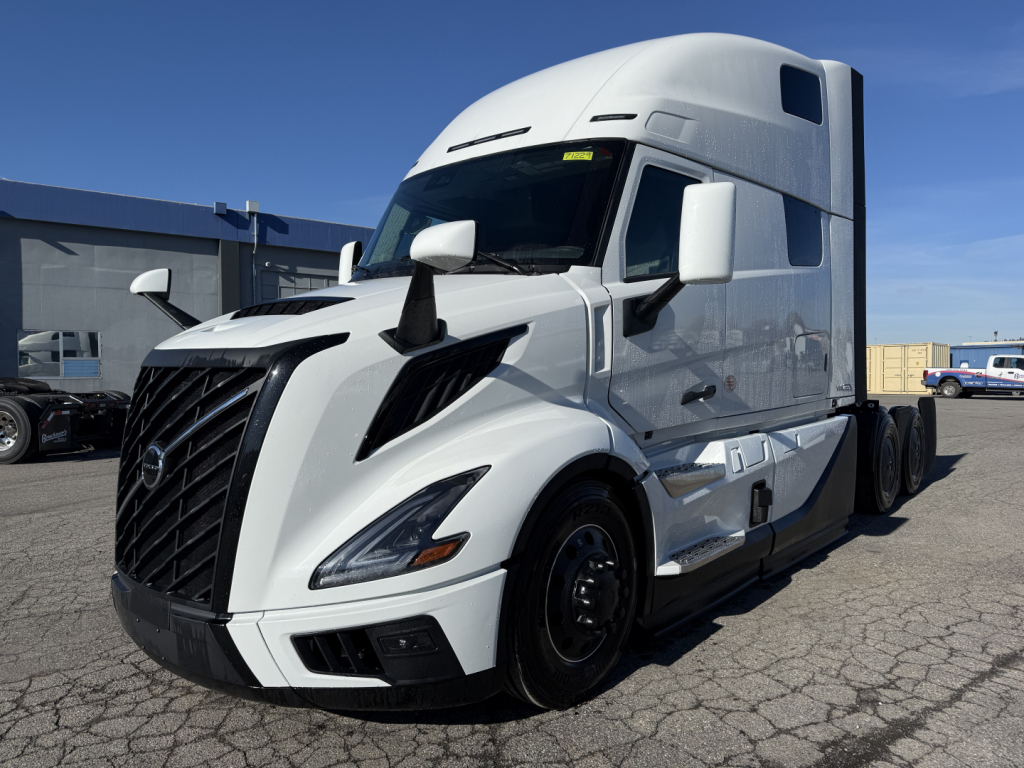
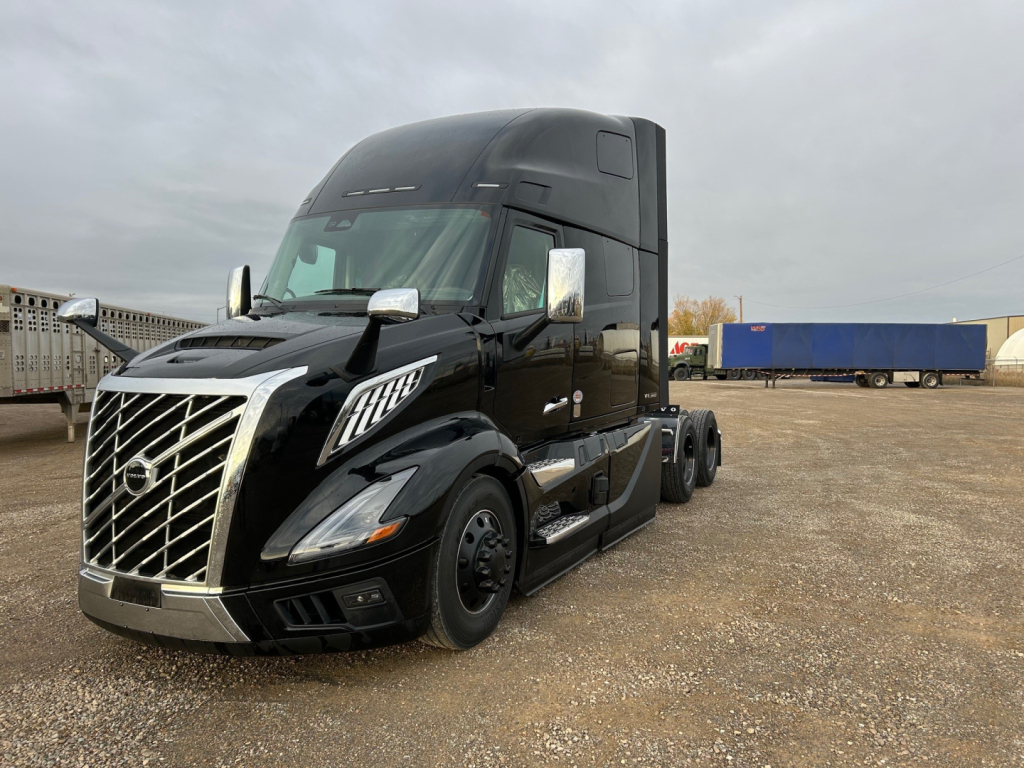
Have 2026 volvo conventional sleeper truck to sell? List it here to reach thousands of buyers.
2026 Volvo Conventional Sleeper Trucks in Washington
The first buying decision is usually sleeper size and cab layout. Volvo conventional sleepers are commonly found in variants such as the VNL 660 and VNL 860, with differences centered on bunk space, standing room, cabinet layout, and overall living comfort. A larger sleeper can improve team-driver productivity and driver retention, especially when spec'd with an upper bunk, premium mattress, refrigerator, parking heater, parking cooler, and shore power or inverter setup. Extra cab insulation, sleeper curtains, and well-planned storage also make a real difference for drivers spending multiple nights on the road. If the truck will stay on regional lanes with frequent home time, a mid-size sleeper may make more financial sense than a full premium sleeper.
Powertrain spec is the next major factor. Many Volvo conventional sleeper trucks are paired with Volvo integrated drivetrains, typically using a Volvo diesel engine and automated manual transmission calibrated for fuel efficiency and grade management. Buyers should compare horsepower, torque, rear axle ratio, and gross combined weight expectations against the freight they plan to pull. A linehaul dry van or refrigerated carrier may prioritize aerodynamic efficiency and downsped highway gearing, while heavier mountain routes may justify a different ratio or higher output engine setting. In Washington, traction control, interaxle lock, rear differential lock, engine block heaters, and stable braking performance can be especially valuable when the truck runs through winter weather or higher elevations.
Driver assistance and uptime features are a major reason many fleets and owner-operators consider late-model Volvo sleepers. Factory systems can include collision mitigation, lane support, adaptive cruise-related functions, and connected telematics platforms that help track service intervals, fault events, and truck location. Buyers should also look closely at practical spec details such as fuel capacity, tire size, aluminum versus steel wheels, fairing condition, bunk HVAC, inverter capacity, and service access. A well-matched 2026 Volvo conventional sleeper should balance operating cost, driver comfort, and resale appeal, not just peak horsepower or cosmetic trim.
Frequently Asked Questions about 2026 Volvo Conventional Sleeper Trucks in Washington
What is the difference between a Volvo VNL 660 and VNL 860 sleeper?
The main difference is sleeper size and interior living space. A Volvo VNL 660 typically offers a more compact sleeper suited to regional or shorter over-the-road use, while a VNL 860 is designed for maximum driver comfort with more room for standing, storage, and extended stays in the cab. Buyers comparing the two should focus on bunk layout, cabinet space, refrigerator options, HVAC for parked operation, and how many nights the truck will realistically spend away from home.
Are 2026 Volvo conventional sleeper trucks good for long-haul freight?
Yes. Volvo conventional sleeper trucks are widely used in long-haul applications because they combine aerodynamic design, integrated powertrains, and driver-focused sleeper layouts. They are commonly spec'd for dry van, reefer, and general freight operations where fuel economy, highway comfort, and uptime are priorities. The best fit depends on matching the engine rating, axle ratio, sleeper size, and fuel capacity to the route profile and average payload.
What specs matter most when buying a Volvo sleeper truck in Washington?
For Washington operations, buyers should pay close attention to powertrain gearing, traction-related features, and cold-weather support equipment. Mountain grades, winter road conditions, and longer interstate runs make items like interaxle lock, differential lock, traction control, engine block heaters, bunk HVAC, and adequate fuel capacity more important. Suspension setup, tire spec, and brake performance also deserve close review if the truck will regularly cross passes or haul in mixed weather.
Do Volvo conventional sleeper trucks usually come with automated transmissions?
Many late-model Volvo sleeper tractors are equipped with automated manual transmissions as part of an integrated drivetrain package. These setups are popular because they support fuel economy, reduce driver fatigue, and improve consistency across mixed fleets. Buyers should still confirm transmission model, shift programming, engine brake performance, and how the calibration fits the truck’s intended gross weight and terrain.
What should I inspect on a used or nearly new Volvo conventional sleeper?
Start with the full spec sheet, then verify the truck matches it. Check sleeper condition, bunk HVAC operation, inverter and shore power equipment, cabinet hardware, refrigerator function, fairings, wheelbase, fifth wheel placement, tire wear, and fuel tank size. On the mechanical side, review engine and transmission software history, fault codes, emissions system service records, suspension wear, and any telematics or safety system alerts. A sleeper tractor is both a work platform and a living space, so interior condition matters more than on a day cab.