
2026 Volvo Conventional Sleeper Trucks For Sale
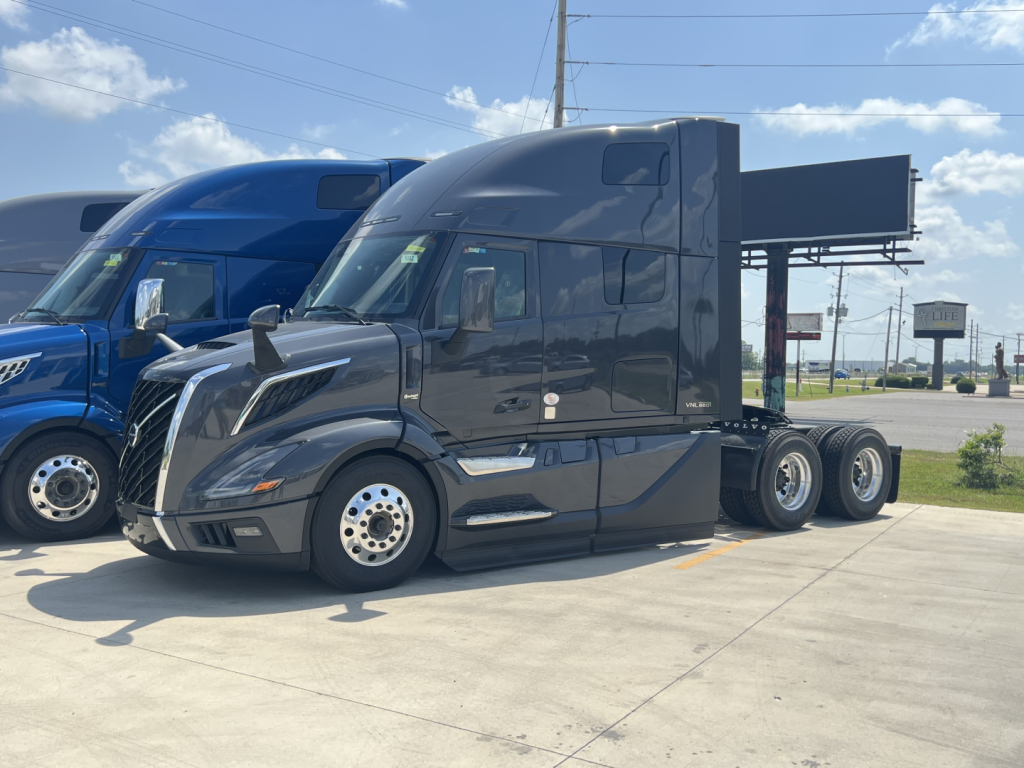
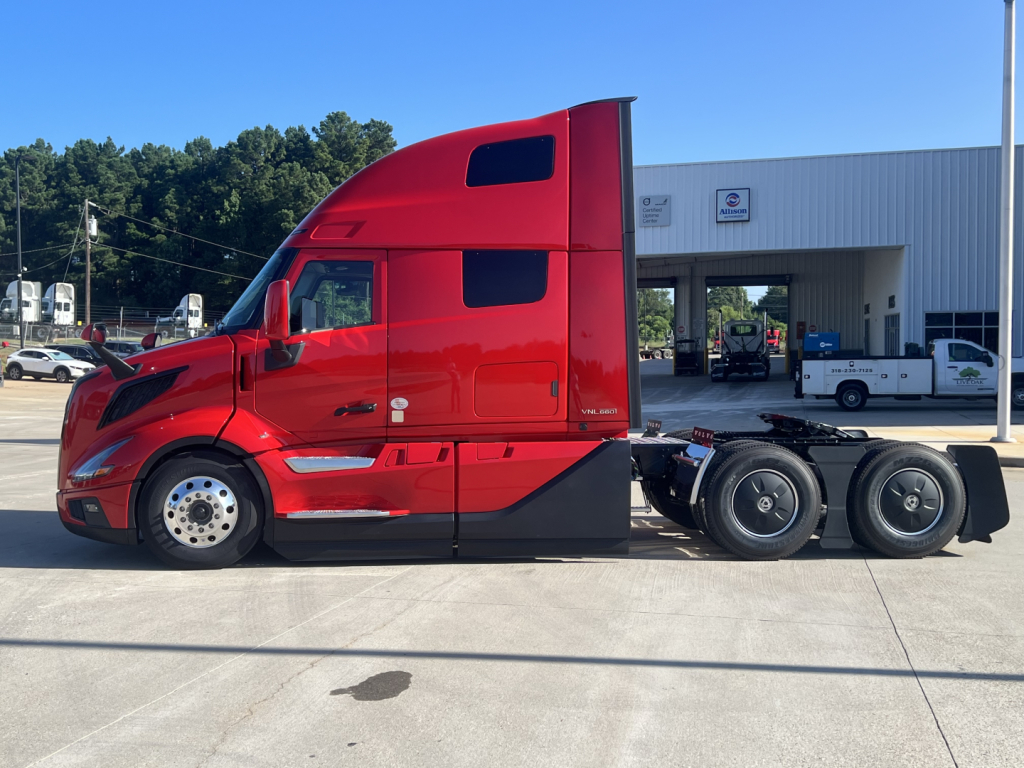
Shop 2026 Volvo conventional sleeper trucks, including VNL models built for long-haul comfort, fuel efficiency, driver retention, and uptime.
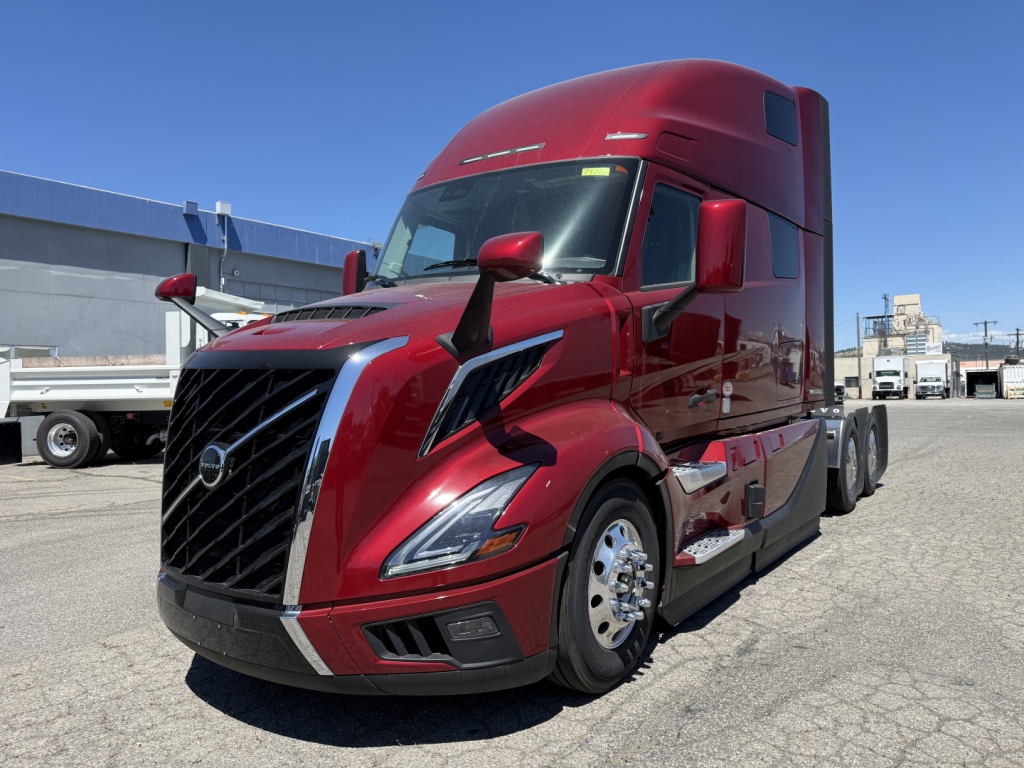
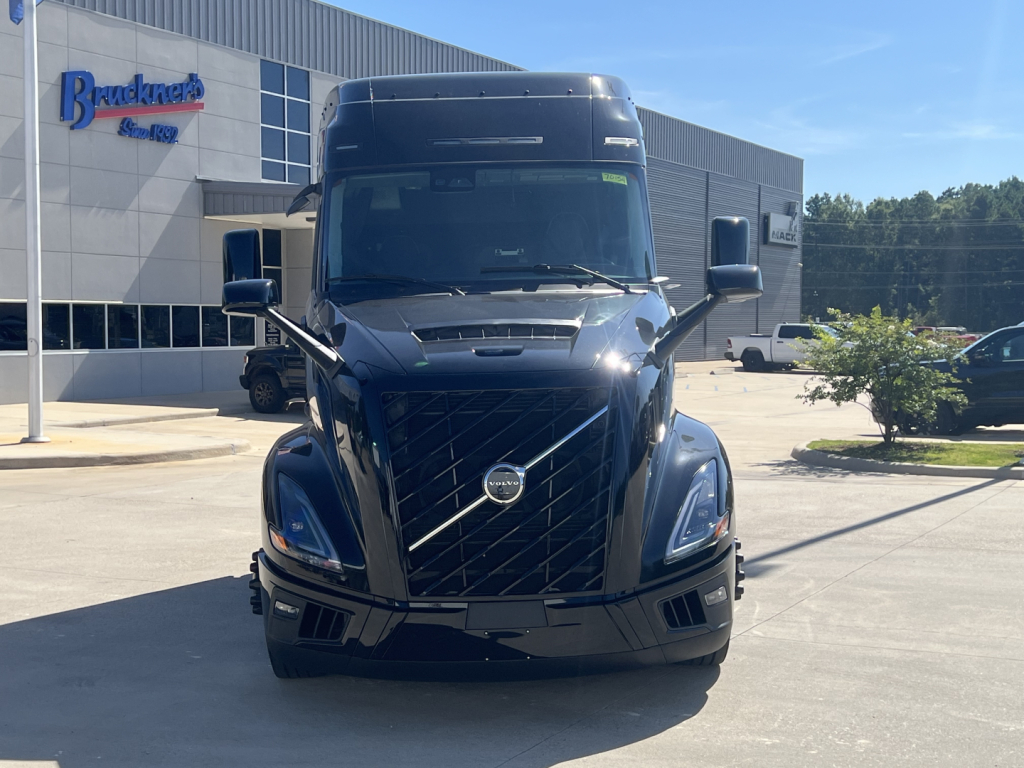
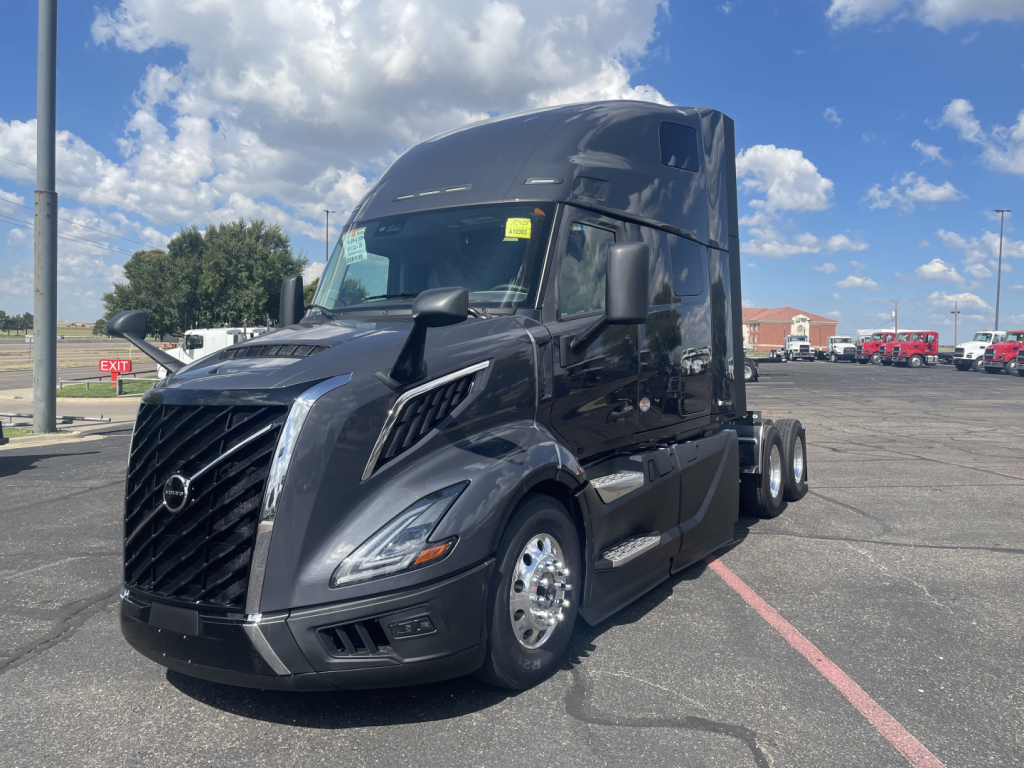
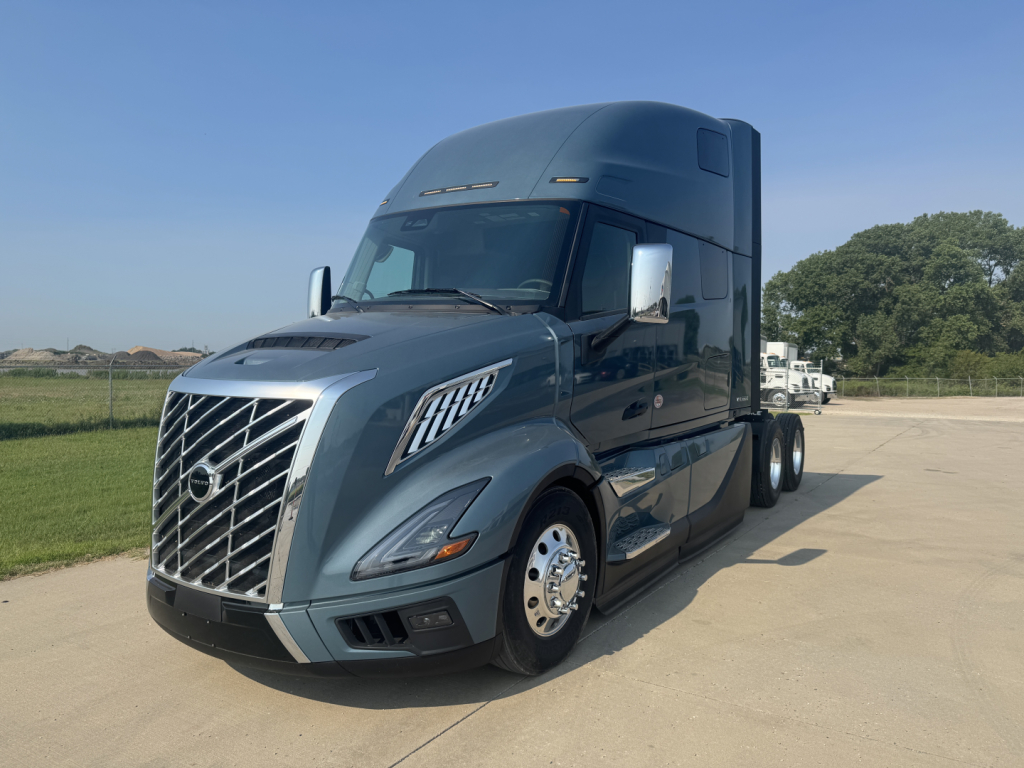
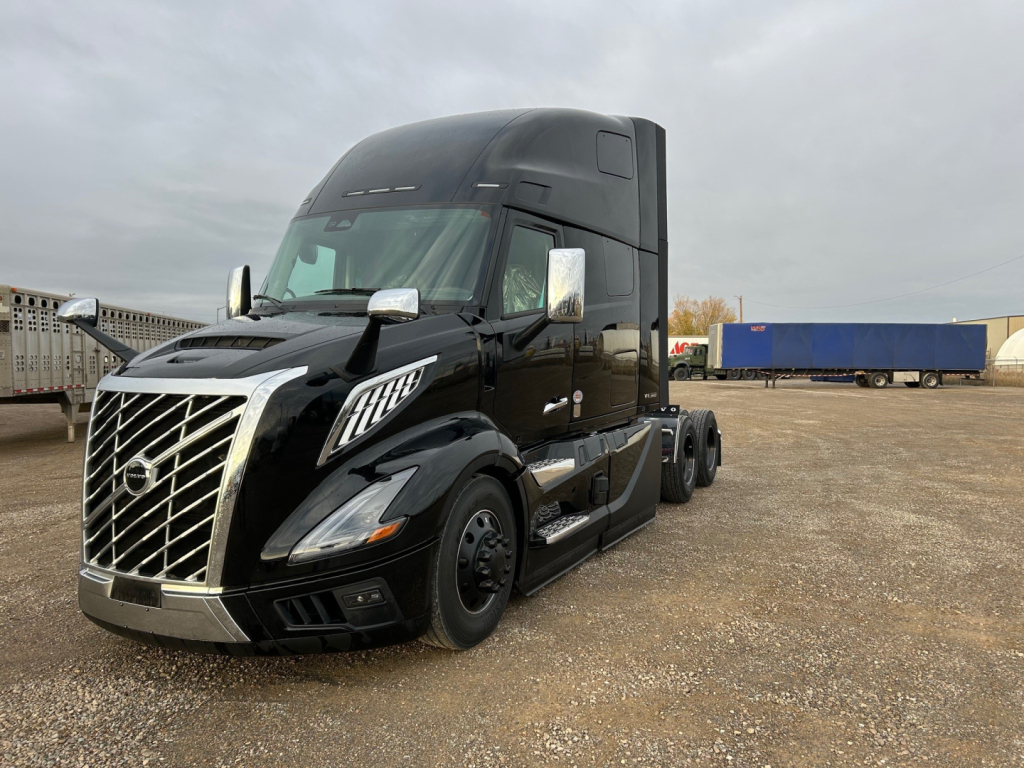
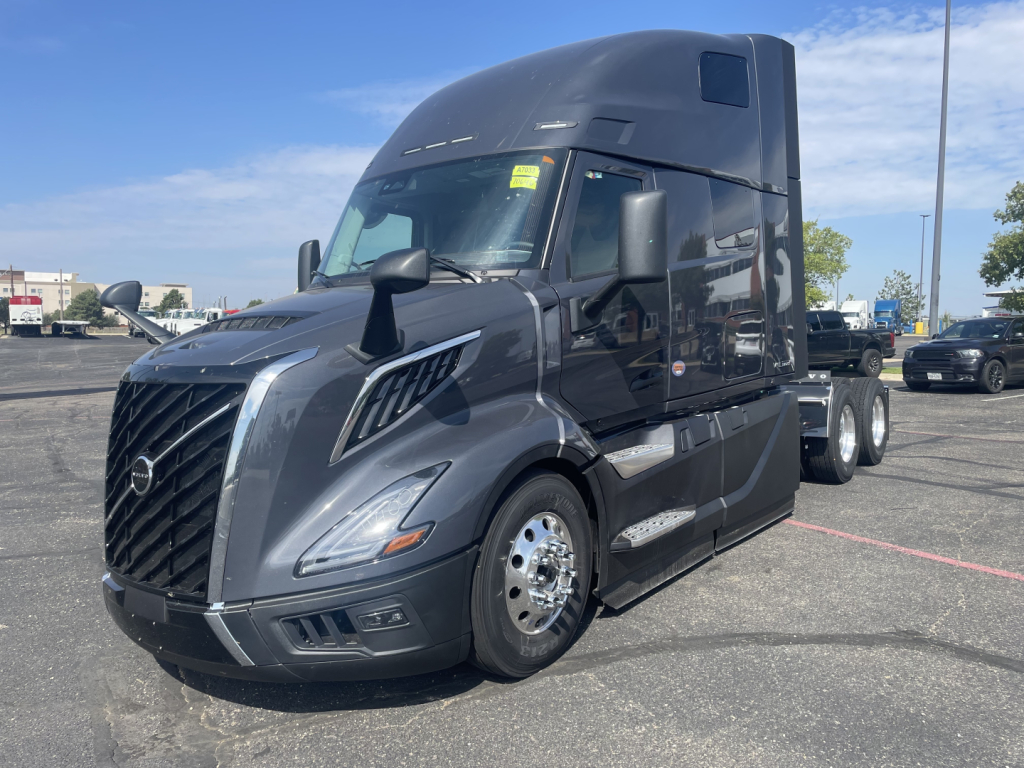
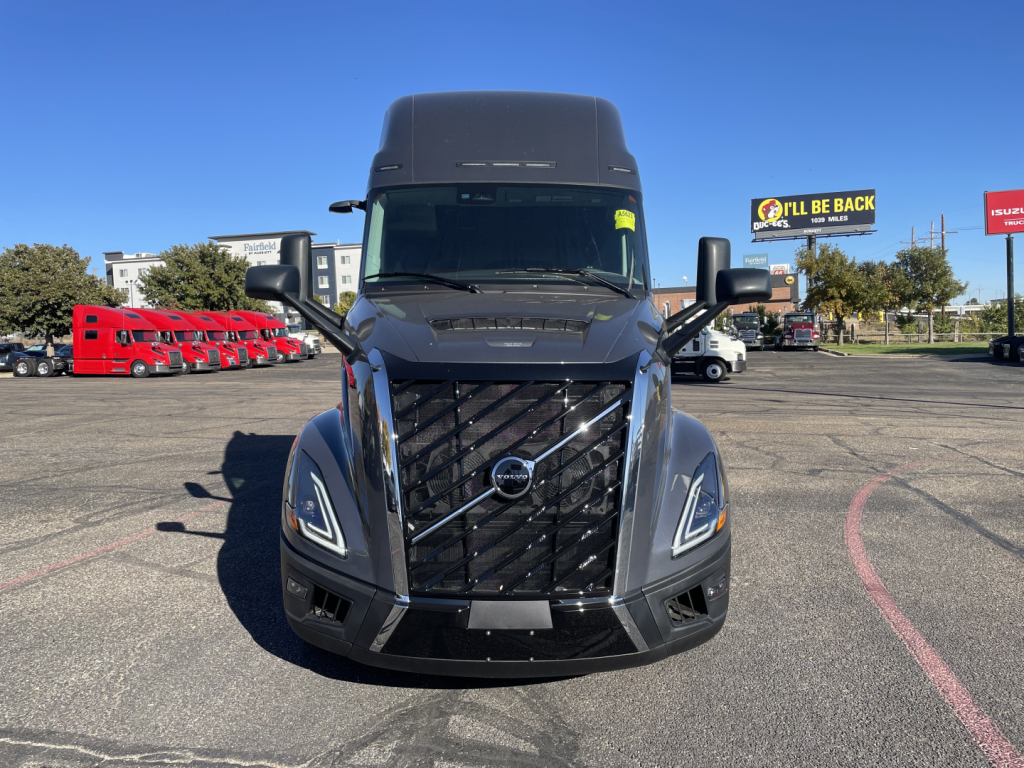
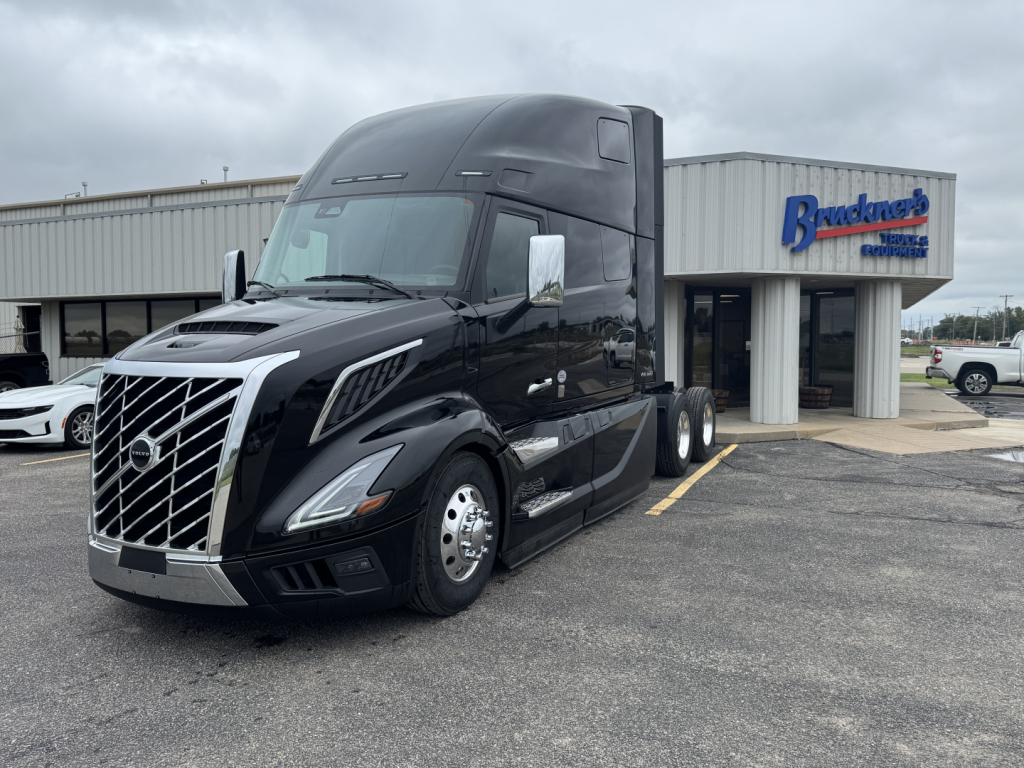
Selling a 2026 volvo conventional sleeper truck? List your 2026 volvo conventional sleeper truck for sale and reach thousands of commercial buyers.
2026 Volvo Conventional Sleeper Trucks
Most Volvo conventional sleepers in this class are spec'd around the Volvo D13 engine and the Volvo I-Shift automated manual transmission. Common horsepower ratings typically fall in the 405 to 455 hp range, with torque selected to match lane weight, terrain, and cruise speed targets. Tandem axle 6x4 configurations remain the standard for general freight, while rear axle ratios in the low-2s are common on fuel-mileage-focused over-the-road specs. Air ride suspension, air slide fifth wheels, aluminum wheels, disc brake availability, and full aero treatments including side fairings and cab extenders are all common features in this category. Buyers should also pay attention to wheelbase, fuel capacity, and whether the truck is set up for van, reefer, or heavier specialized trailer work.
The sleeper itself is a major buying point on a Volvo. Depending on the exact VNL configuration, sleepers can include single or double bunk layouts, workstation packages, refrigerator space, diesel-fired bunk heaters, and storage designed for teams or extended stays on the road. For fleets focused on recruiting and retention, Volvo conventional sleeper trucks are often shortlisted because the cab ergonomics, visibility, ride quality, and quieter interior can reduce driver fatigue over long dispatch cycles. Safety and convenience technology can also be a deciding factor, especially on newer model years, where buyers may find collision mitigation, lane support features, adaptive cruise functions, and integrated telematics.
When comparing 2026 Volvo conventional sleeper trucks for sale, the smartest approach is to match the spec to the freight network rather than buying on model badge alone. A lighter, aero-focused spec with a smaller sleeper and faster rear ratio may fit dry van and dedicated lanes, while a larger sleeper, higher horsepower, and different gearing may be better for team operations, mountain terrain, or irregular route lengths. Service history, emissions warranty coverage, tire and brake spec, and the details of the fifth wheel and suspension setup all deserve close attention. Volvo sleeper trucks hold strong appeal in the on-highway market because they balance efficiency, comfort, and integrated drivetrain performance in a package designed for high annual miles.
Frequently Asked Questions about 2026 Volvo Conventional Sleeper Trucks
What is a Volvo conventional sleeper truck?
A Volvo conventional sleeper truck is a highway tractor with a forward engine hood and an integrated sleeper compartment behind the cab. In Volvo’s lineup, this category is most commonly associated with VNL models designed for over-the-road and regional haul applications. The sleeper section allows for driver rest, onboard storage, and in many specs added amenities such as bunks, refrigerator space, and auxiliary climate control.
What engine and transmission are common in Volvo sleeper trucks?
The most common powertrain in modern Volvo conventional sleeper trucks is the Volvo D13 diesel engine paired with the Volvo I-Shift automated manual transmission. This combination is popular because it balances fuel efficiency, drivability, and low-driver-effort operation. Buyers should still verify the exact horsepower, torque rating, transmission model, and rear axle ratio, since those details determine how well the truck fits the intended trailer weight and route profile.
What sleeper size should I look for in a Volvo VNL?
The right sleeper size depends on length of haul, solo versus team operation, and how much onboard storage the driver needs. Larger sleepers generally provide more room for double bunks, cabinets, refrigerator space, and workstation layouts, while smaller sleepers can reduce overall weight and wheelbase. For long-distance over-the-road use, a larger sleeper usually improves livability, but for shorter regional routes a more compact sleeper may be the better operating-cost choice.
Are Volvo conventional sleeper trucks good for fuel economy?
Volvo conventional sleeper trucks are widely regarded as strong fuel-economy performers when properly spec'd. Aerodynamic body design, integrated engine and transmission controls, downsped driveline setups, and automated shifting all contribute to lower fuel consumption on highway routes. Real-world results depend on terrain, cruise speed, idle time, trailer type, and maintenance condition, so buyers should evaluate the full spec rather than assuming every sleeper configuration delivers the same mpg.
What should buyers inspect on a used Volvo sleeper tractor?
Key inspection points include engine and aftertreatment service history, transmission calibration and shift quality, rear axle ratio, suspension condition, brake wear, tire condition, and any signs of frame or fairing damage. Buyers should also inspect sleeper equipment such as bunk heater operation, HVAC performance, refrigerator or inverter systems, and general cab condition. On a highway tractor, wheelbase, fifth wheel type, and fuel tank capacity should also be confirmed because those details affect trailer compatibility and day-to-day usability.