
2026 Volvo Conventional Sleeper Trucks For Sale in Louisiana
Shop 2026 Volvo conventional sleeper trucks in Louisiana. Compare VNL sleeper specs, roof heights, powertrain options, and long-haul features.
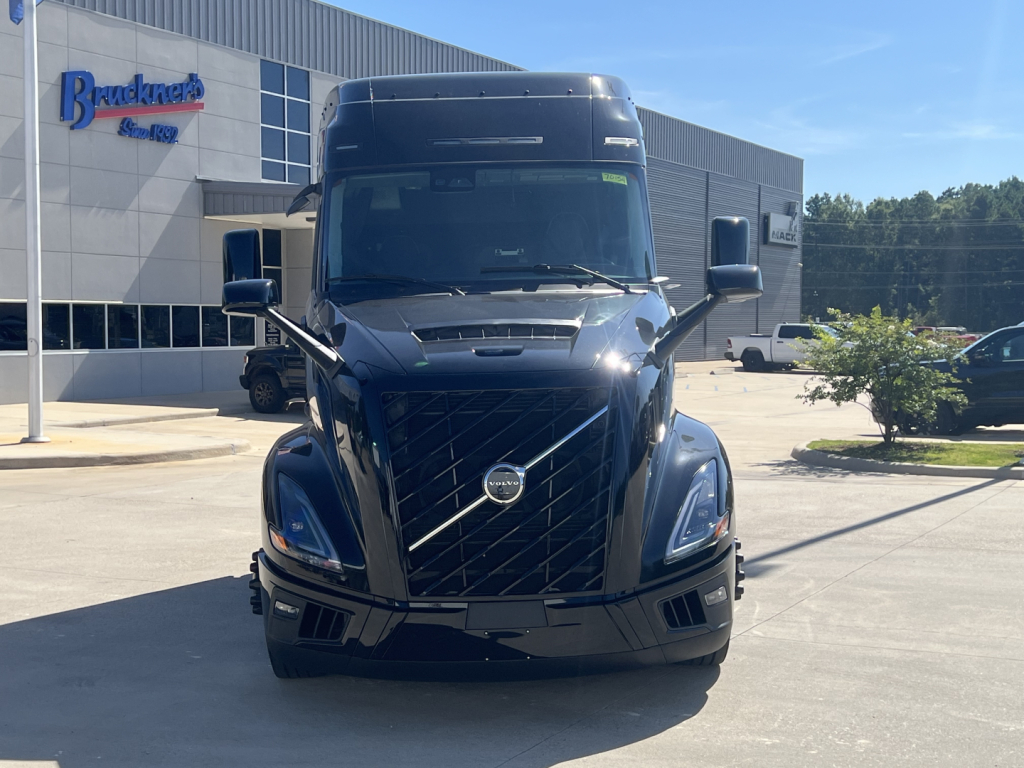
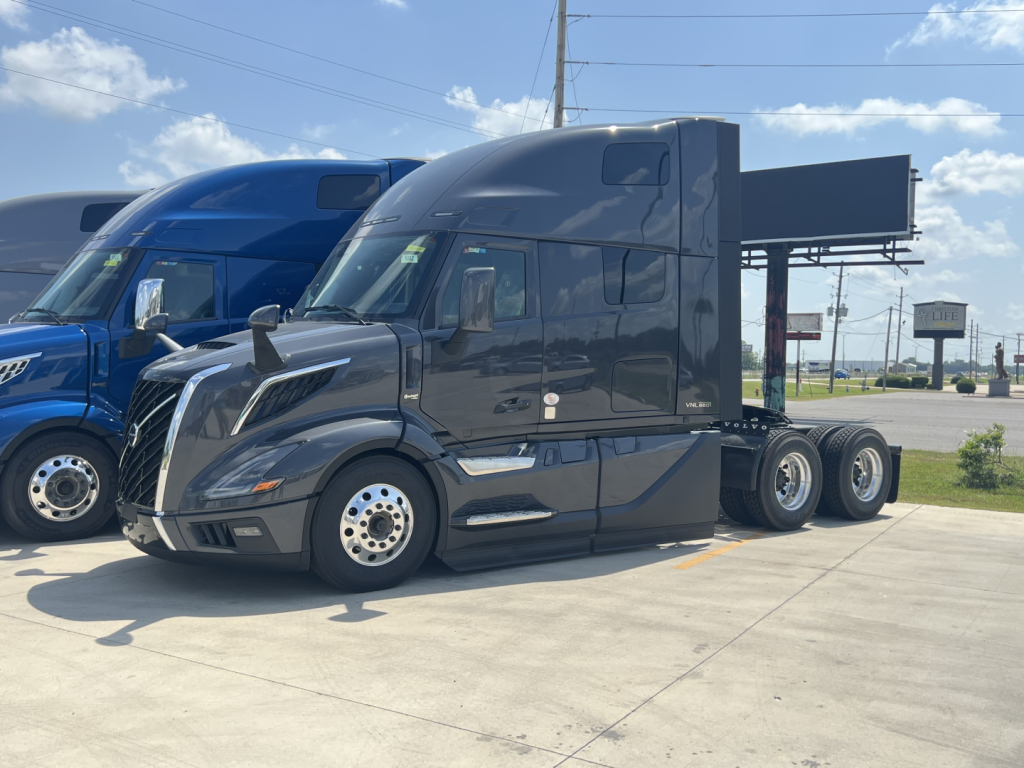
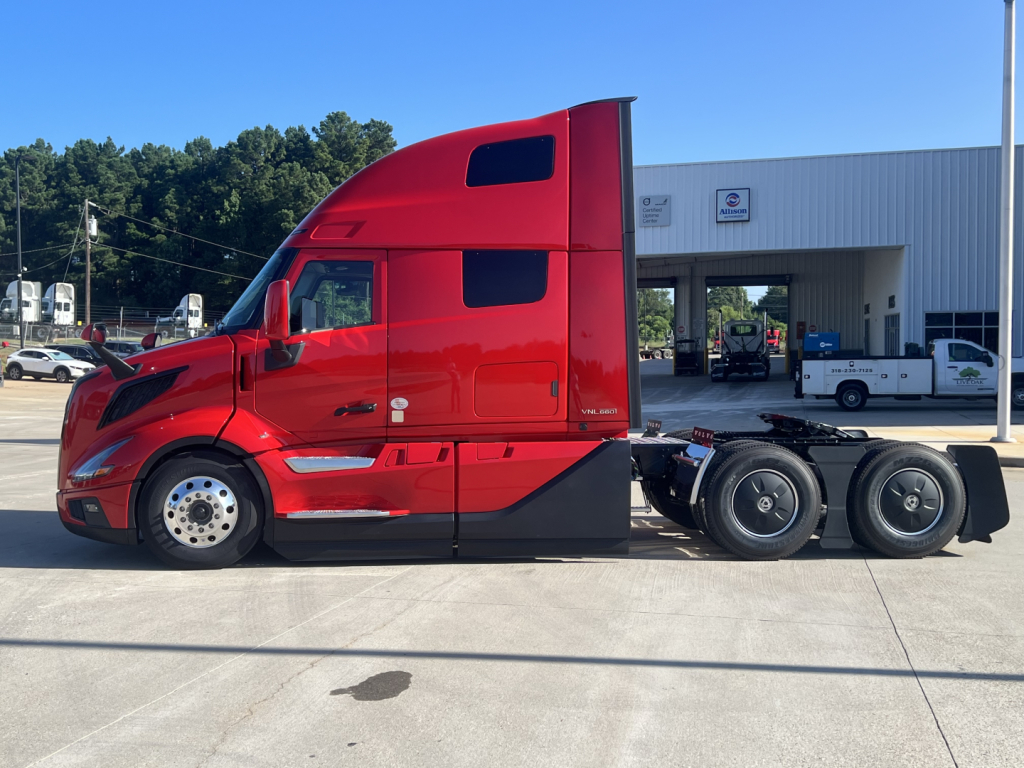
Selling a 2026 volvo conventional sleeper truck? List your 2026 volvo conventional sleeper truck for sale and reach thousands of commercial buyers.
2026 Volvo Conventional Sleeper Trucks in Louisiana
The key spec decisions usually start with the powertrain. Volvo sleeper trucks commonly pair a D13 engine with the Volvo I-Shift automated manual transmission, a combination known for smooth shifting, fuel-saving software logic, and good drivability in mixed terrain. Buyers should compare horsepower and torque ratings against the freight they plan to pull, especially if the truck will see heavy van, reefer, or dedicated lane work across the Gulf South. Rear axle ratio, wheelbase, and suspension setup also matter. A longer wheelbase can improve ride quality and help with sleeper packaging, while the right axle ratio helps balance startability, cruise RPM, and fuel burn. For fleets operating around Louisiana, engine cooling performance, idle management, and cab HVAC features deserve extra attention because heat and humidity are part of daily operation for much of the year.
Driver environment is a major part of the value in a Volvo conventional sleeper. Volvo has long been strong in cab ergonomics, visibility, and noise control, and those traits matter on runs where fatigue and comfort directly affect safety and retention. Look closely at bunk layout, storage capacity, refrigerator and inverter prep, premium mattress options, and engine-off climate systems such as parking coolers or auxiliary bunk comfort packages. These details are not cosmetic. They reduce idle time, improve rest quality, and make the truck more practical for dispatches that keep drivers out for days at a time. On the business side, safety technology, telematics integration, and service access should be part of the buying decision alongside the sticker price.
A buyer comparing 2026 Volvo sleeper trucks should focus on how the spec matches the freight network, not just the badge on the hood. High-roof VNL sleepers generally fit maximum driver comfort and long-duration trips, while mid-roof models can be a smart choice for operations that still need a bunk but want a slightly more compact package. Check GCWR targets, fifth wheel placement, fuel capacity, fairing design, and any idle-reduction equipment before making a final decision. In a modern conventional sleeper, the best spec is the one that supports payload, lowers operating cost, and keeps the driver productive mile after mile.
Frequently Asked Questions about 2026 Volvo Conventional Sleeper Trucks in Louisiana
What is a conventional sleeper truck?
A conventional sleeper truck is a road tractor with an engine mounted ahead of the cab and an integrated sleeping compartment behind the seats. It is also commonly called a sleeper semi truck or sleeper tractor. This design is the standard choice for long-haul freight because it combines highway aerodynamics, serviceability, and a living space for required rest periods.
What is the difference between a mid-roof and high-roof Volvo VNL sleeper?
A mid-roof sleeper has less overall cab height and is often chosen for operations that want overnight capability with a slightly lighter, more compact package. A high-roof sleeper provides more interior standing room, more upper storage, and a better living environment for extended runs or team driving. The right choice depends on how many nights the driver spends in the truck and how much emphasis the operation places on interior space versus weight and profile.
Why is the Volvo D13 and I-Shift combination so common in sleeper trucks?
The Volvo D13 and I-Shift package is widely used because it delivers a strong balance of fuel economy, drivability, and ease of operation. The automated transmission helps reduce driver fatigue, shift variability, and clutch wear, while integrated powertrain controls can improve cruise efficiency and grade performance. For many buyers, this combination also supports easier driver onboarding compared with a manual transmission spec.
What specs matter most when buying a Volvo conventional sleeper for Louisiana routes?
For Louisiana operation, cooling performance, air conditioning capacity, idle-reduction features, and corrosion exposure should all be part of the evaluation. Buyers should also look at axle ratio, horsepower, and wheelbase based on the trailer type and average gross weight they expect to run. Because heat and humidity can drive idle time and driver discomfort, engine-off bunk cooling and strong cab insulation can add real operating value.
How do I choose the right sleeper size for my operation?
Start with trip length, driver schedule, and the amount of personal gear or onboard equipment the truck needs to carry. A smaller sleeper can work well for short overnights and slip-seat style operations, while a larger high-roof sleeper is better for long dispatch cycles, teams, and fleets focused on driver retention. The sleeper should match the freight pattern, not just personal preference, because size affects weight, aerodynamics, interior comfort, and resale appeal.