
2026 Cab and Chassis Trucks For Sale in Washington
Shop 2026 cab and chassis trucks in Washington. Compare GVWR, wheelbase, engine options, and upfit potential for delivery and service work.
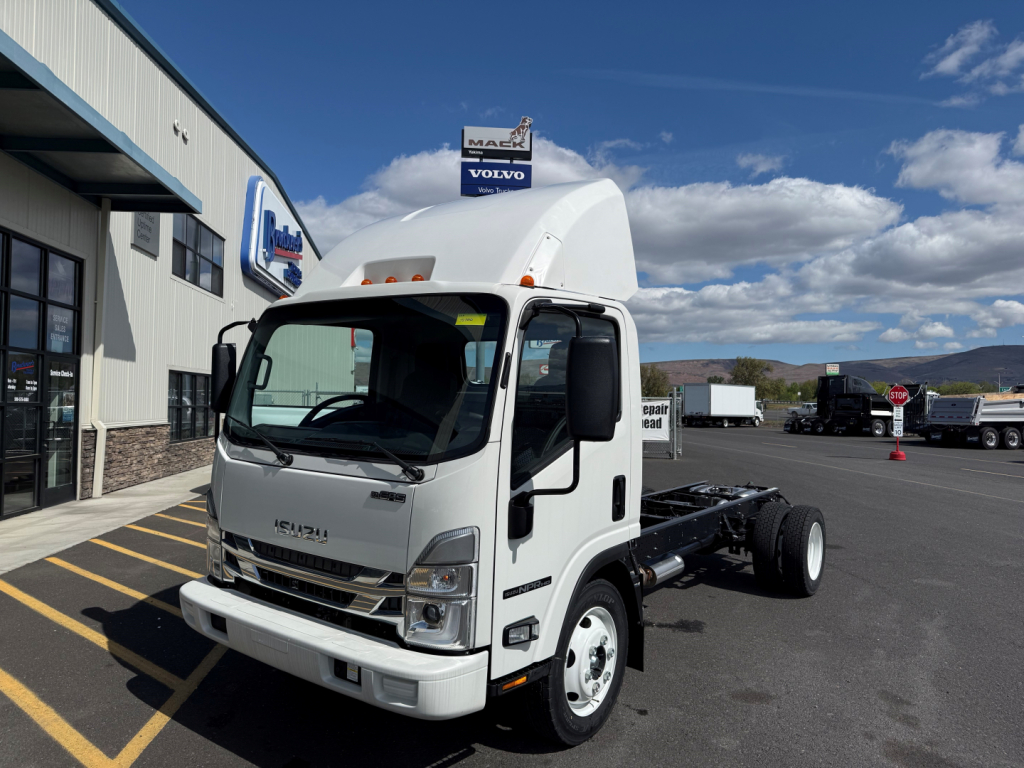
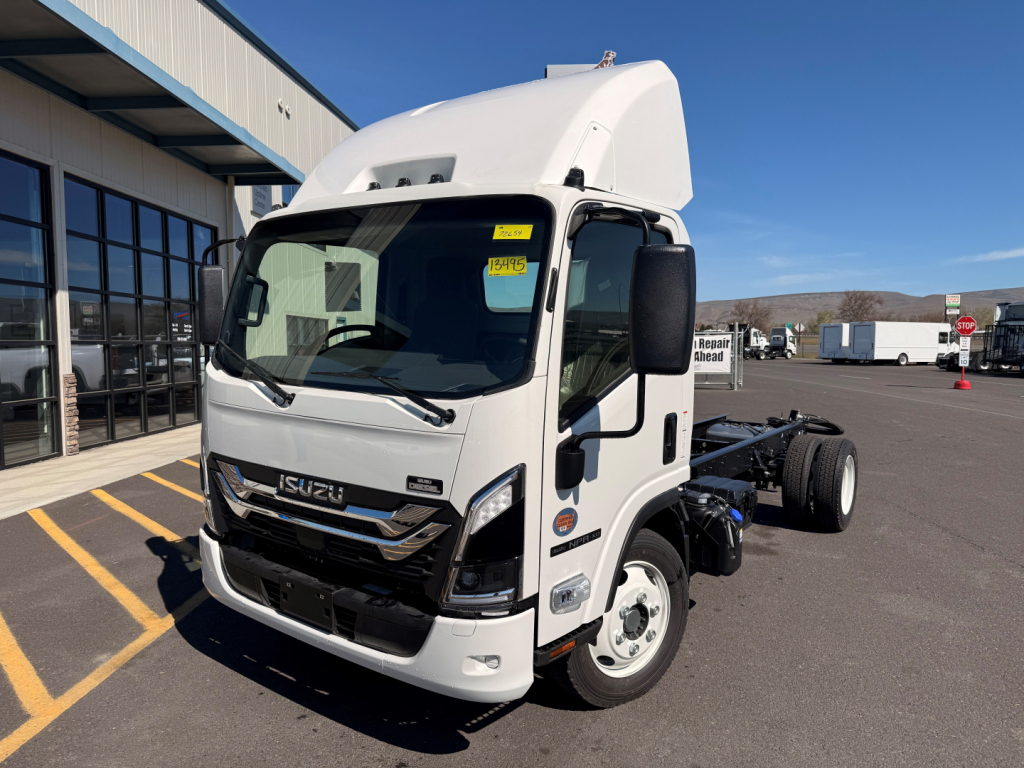
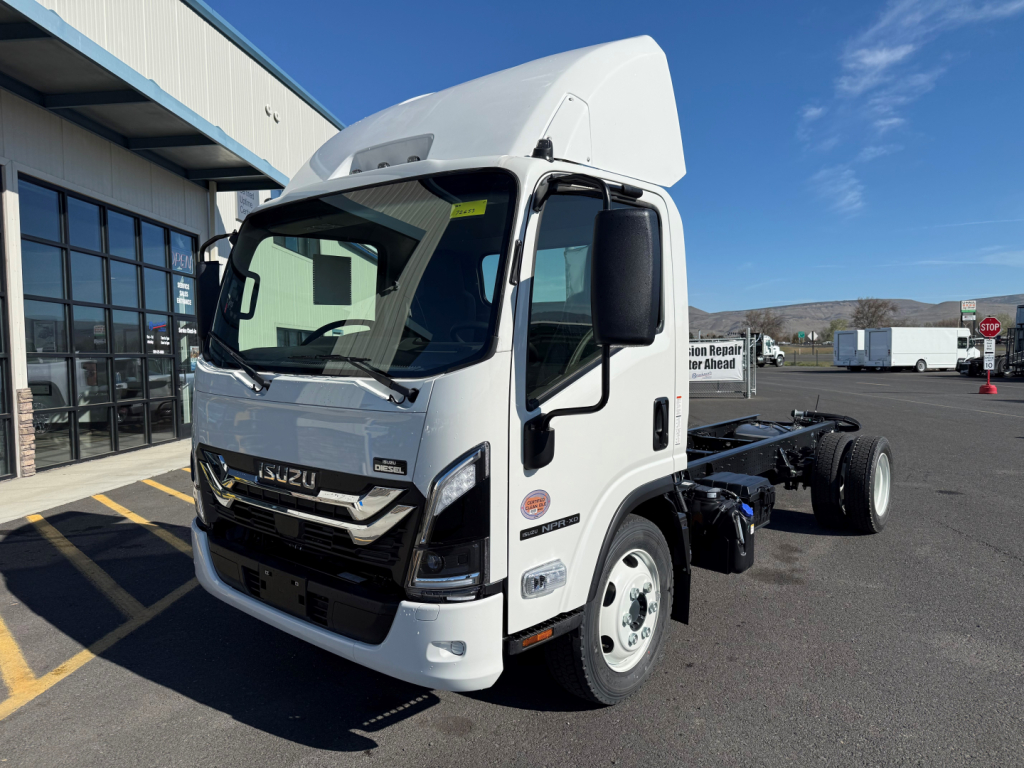
Selling a 2026 cab and chassis truck? List your 2026 cab and chassis truck for sale and reach thousands of commercial buyers.
2026 Cab and Chassis Trucks in Washington
Low cab forward trucks are especially common in urban delivery, municipal work, landscaping, and contractor fleets because they turn tighter, offer strong forward visibility, and make it easier to maneuver in alleys, loading zones, and dense job sites. Conventional cab and chassis trucks tend to appeal to buyers who want a more familiar service layout, easier highway comfort, and broader body-builder flexibility in some specs. In sample 2026 listings, you can already see typical decision points such as gas versus diesel power, 16,000 lb GVWR range capability, and chassis lengths suited for 16 to 18 foot bodies. Those are the kinds of specs that directly affect payload, licensing, route planning, and the finished truck's earning potential.
Washington buyers should also think about operating terrain and duty cycle. Stop-and-go metropolitan routes around Seattle or Tacoma place a premium on visibility, turning radius, and easy cab access, while longer regional runs or work east of the Cascades may put more emphasis on fuel economy, gradeability, and sustained durability under load. Diesel engines are often preferred for higher annual miles and heavier payloads, while gas engines can make sense for lower acquisition cost, simpler maintenance, and lighter vocational use. Transmission calibration, rear axle ratio, suspension spec, fuel tank placement, and wheelbase all affect how cleanly a body can be installed and how well the truck performs once completed.
A serious buyer should verify body-ready dimensions and not assume every cab and chassis can take the same upfit. Check cab-to-axle, wheelbase, frame height, frame yield strength, PTO provisions if needed, and front axle capacity after the body and equipment are added. If the truck will carry a reefer, crane, compressor, liftgate, or shelving package, the final curb weight can change quickly. The best 2026 cab and chassis trucks are the ones spec'd backward from the job, with enough margin in payload, frame, and axle capacity to support the body, the cargo, and the way the truck will actually be used in Washington service.
Frequently Asked Questions about 2026 Cab and Chassis Trucks in Washington
What is a cab and chassis truck used for?
A cab and chassis truck is a body-ready platform designed to receive a vocational upfit. Common uses include dry van delivery, refrigerated delivery, landscaping, plumbing and electrical service, flatbed hauling, dumping, towing, and municipal work. The truck is sold as a cab with an exposed frame so the buyer can match the chassis to the body, payload, and equipment requirements of a specific operation.
How do I choose the right cab and chassis size?
Start with the finished body and payload, then work backward to the chassis. Key measurements include GVWR, front and rear axle ratings, wheelbase, and cab-to-axle dimension. Those numbers determine body length, load distribution, and legal operating capacity. Many medium-duty applications fall into common body lengths such as 12, 14, 16, or 18 feet, but the correct choice depends on the upfit weight, cargo density, and how much reserve capacity you want after the truck is completed.
Is diesel or gas better in a 2026 cab and chassis truck?
Diesel is often the better fit for heavier payloads, higher annual mileage, and routes where torque and fuel efficiency under load matter most. Gas can be a strong option for lighter duty cycles, lower upfront cost, and fleets that want simpler service routines. The better choice depends on route length, idle time, terrain, maintenance planning, and total cost of ownership rather than engine preference alone.
Why does cab-to-axle measurement matter on a cab and chassis?
Cab-to-axle measurement is one of the most important body-builder dimensions because it determines what body length and configuration can be installed correctly. If the cab-to-axle is wrong, the body may not fit, axle loading can be poor, and the finished truck may handle badly or exceed weight limits on one axle. Buyers should confirm the exact body manufacturer's requirements before choosing a chassis.
What should buyers in Washington consider when spec'ing a cab and chassis truck?
Washington operations often involve a mix of tight urban routes, wet weather, and hilly terrain, so maneuverability, traction, visibility, and brake performance all matter. Buyers should also consider corrosion exposure, expected mountain grades, and whether the truck will spend most of its time in city delivery or regional vocational work. A chassis that is ideal for downtown delivery may not be the best match for longer highway miles or heavier cross-state hauling.