
2026 Volvo Trucks For Sale in Washington
Have 2026 volvo truck to sell? List it here to reach thousands of buyers.
2026 Volvo Trucks in Washington
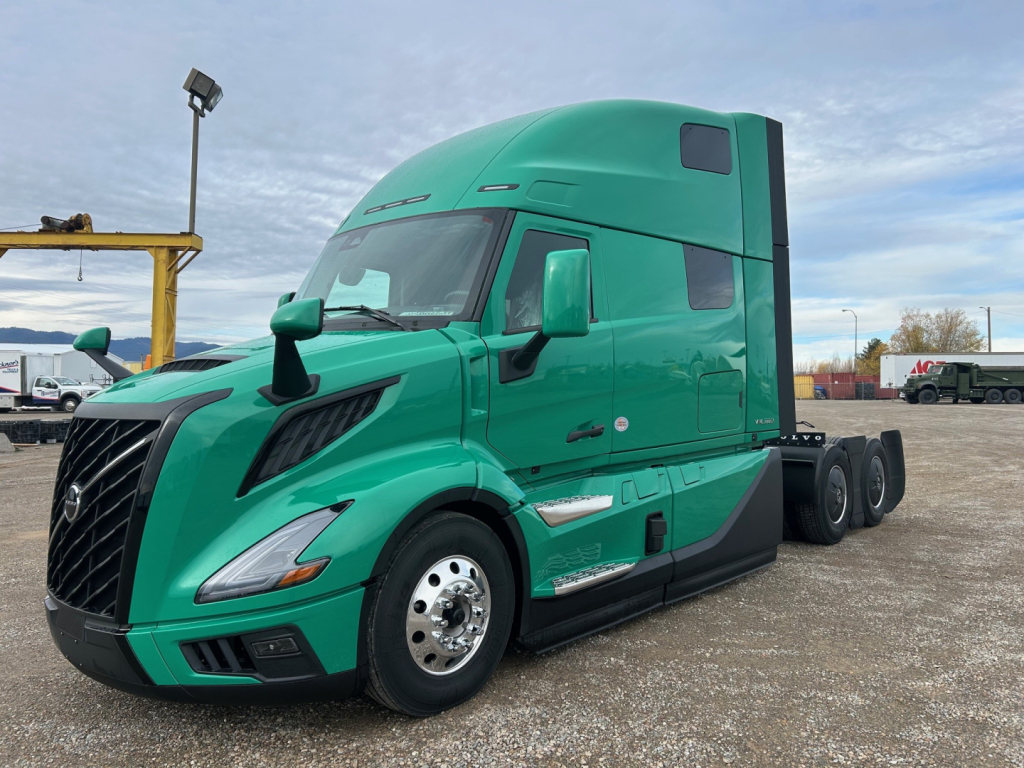
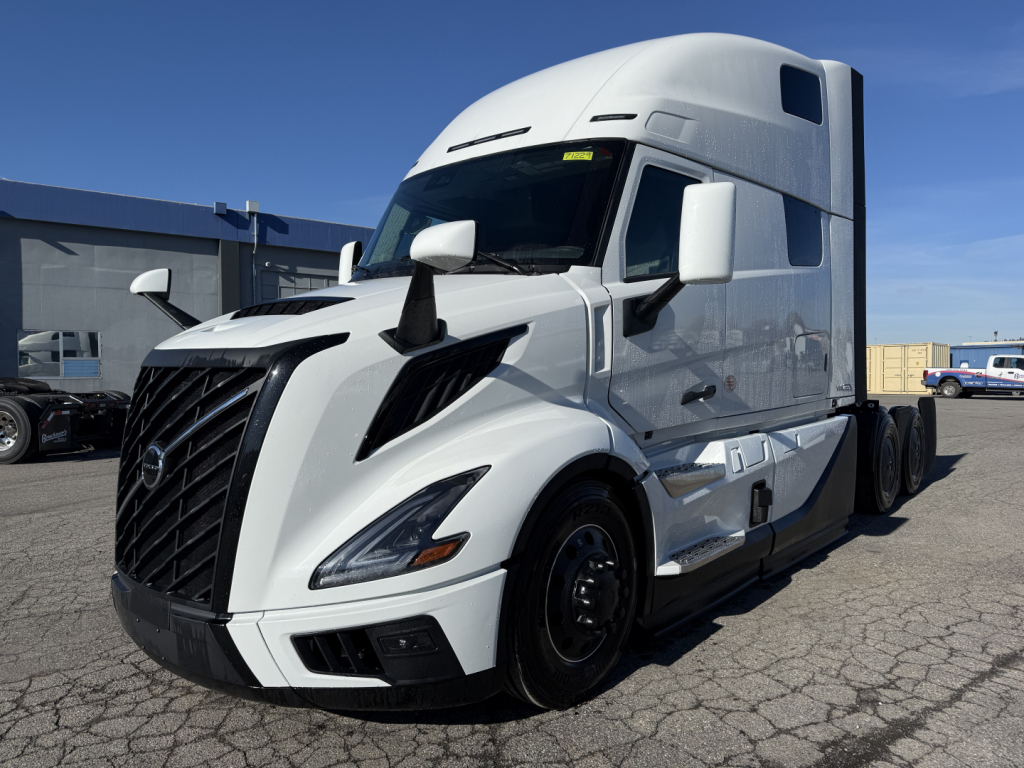
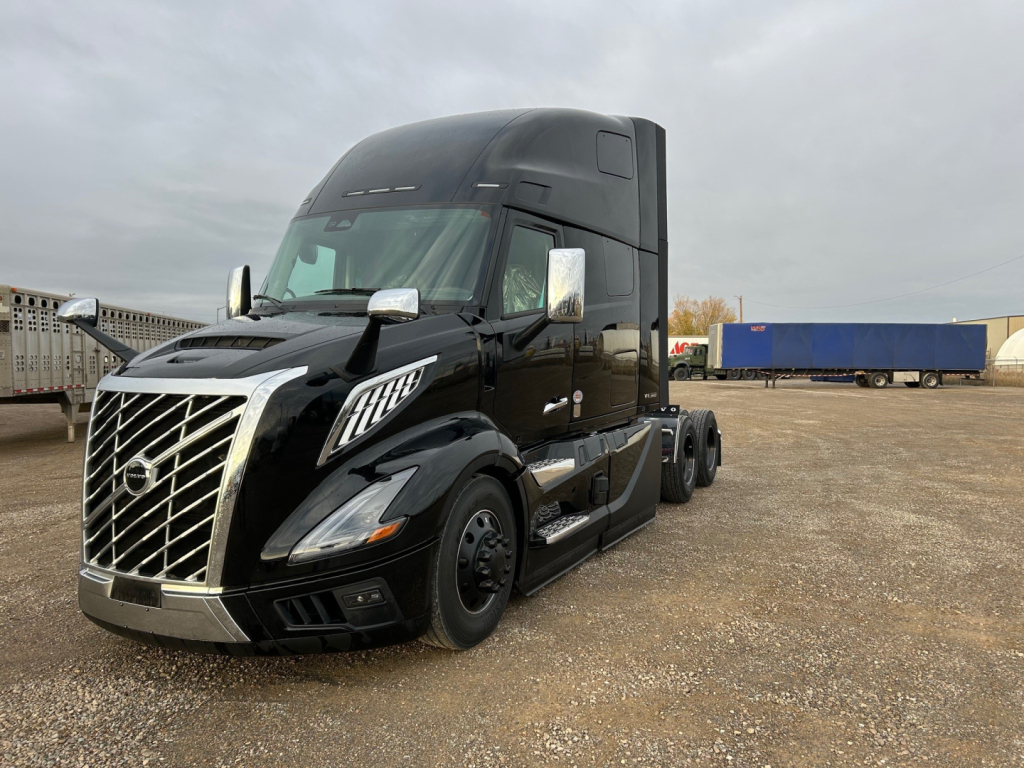
For over-the-road work, the Volvo VNL sleeper remains the core choice. Common configurations include 6x4 tandem axle tractors with mid-roof or high-roof sleepers, often paired with Volvo D13 power ratings suited for general freight, reefer, and dedicated lanes. The VNL 760 and 860 style layouts are known for premium sleeper space, larger storage capacity, and driver-focused amenities such as parking heaters, bunk refrigerators, shore power provisions, and upgraded insulation packages. Volvo's I-Shift automated manual transmission is a major draw in this class because it improves consistency, supports fuel-efficient shift logic, and performs well in hilly terrain when spec'd correctly with the right rear axle ratio.
Technology is another reason buyers target late-model Volvo trucks. Many 2026 units are equipped with advanced driver assistance systems such as collision mitigation, lane departure support, traffic sign recognition, adaptive cruise functions, and telematics through Volvo Connect or related uptime services. These systems help fleets monitor utilization, fault codes, maintenance scheduling, and driver performance from a single platform. For owner-operators and small fleets, that can translate into less downtime and better maintenance planning. Inside the cab, Volvo trucks are also recognized for ergonomic dash layout, strong HVAC performance, and a quieter ride than many comparable highway tractors.
A buyer in Washington should also look closely at cold-weather and mountain-state specs. Dual fuel tanks, engine block heaters, traction control, interaxle and rear differential locks, and tire selection all matter if the truck will run year-round across the Cascades or into Idaho and Montana. If the application is local or regional, a day cab may offer better weight savings and lower acquisition cost. If the truck will stay on multi-day lanes, sleeper size, inverter capacity, bunk setup, and idle-management features become more important. The best 2026 Volvo truck is the one spec'd for the lane, not just the one with the highest trim level.
Frequently Asked Questions about 2026 Volvo Trucks in Washington
What are the most common 2026 Volvo truck models buyers look for?
The most commonly searched 2026 Volvo trucks are usually VNL series highway tractors, including day cab and sleeper configurations. Buyers often focus on VNL models because they cover a wide range of applications, from regional haul to long-haul freight. Sleeper models are favored for over-the-road operations, while day cabs are common in local haul, drayage, and terminal work.
Is the Volvo I-Shift transmission a good choice for a 2026 Volvo truck?
Yes, the Volvo I-Shift is one of the strongest reasons many buyers choose a late-model Volvo tractor. It is an automated manual transmission known for smooth shifting, fuel-efficient operation, and reduced driver fatigue. In mountain and mixed-terrain service, it can also help protect the driveline and improve consistency compared with a manually shifted truck, especially when paired with the proper horsepower, torque, and axle ratio.
What should I check when comparing 2026 Volvo sleeper trucks?
Start with sleeper size, roof height, wheelbase, and axle configuration, then review the living and idle-management features. Key items include bunk layout, refrigerator, inverter, shore power, parking heater or cooler, cabinet storage, insulation package, and fuel capacity. For revenue use, also verify engine rating, transmission spec, rear axle ratio, and safety technology package because those directly affect operating cost and route suitability.
Are 2026 Volvo trucks a good fit for Washington freight operations?
Yes, 2026 Volvo trucks are well suited for Washington because they perform well in both long-haul and regional service. Their aerodynamic design and automated transmissions support fuel economy on interstate lanes, while available traction features, engine heaters, and tandem drive specs are valuable for mountain passes and winter operation. Buyers running out of ports, distribution centers, or agricultural lanes can usually find a Volvo configuration that matches the duty cycle.
What is the difference between a Volvo day cab and a Volvo sleeper?
A Volvo day cab is built for local or regional work where the driver returns regularly and does not need a bunk area. It usually has lower weight, a shorter wheelbase, and lower purchase cost. A Volvo sleeper adds a bunk compartment and more storage for over-the-road service, making it the better choice for teams, multi-day routes, and drivers who spend extended time in the truck.