
2026 Volvo Trucks For Sale
Shop 2026 Volvo trucks including VNL, VNR, and vocational models. Compare sleeper, day cab, powertrain, axle, and spec options.
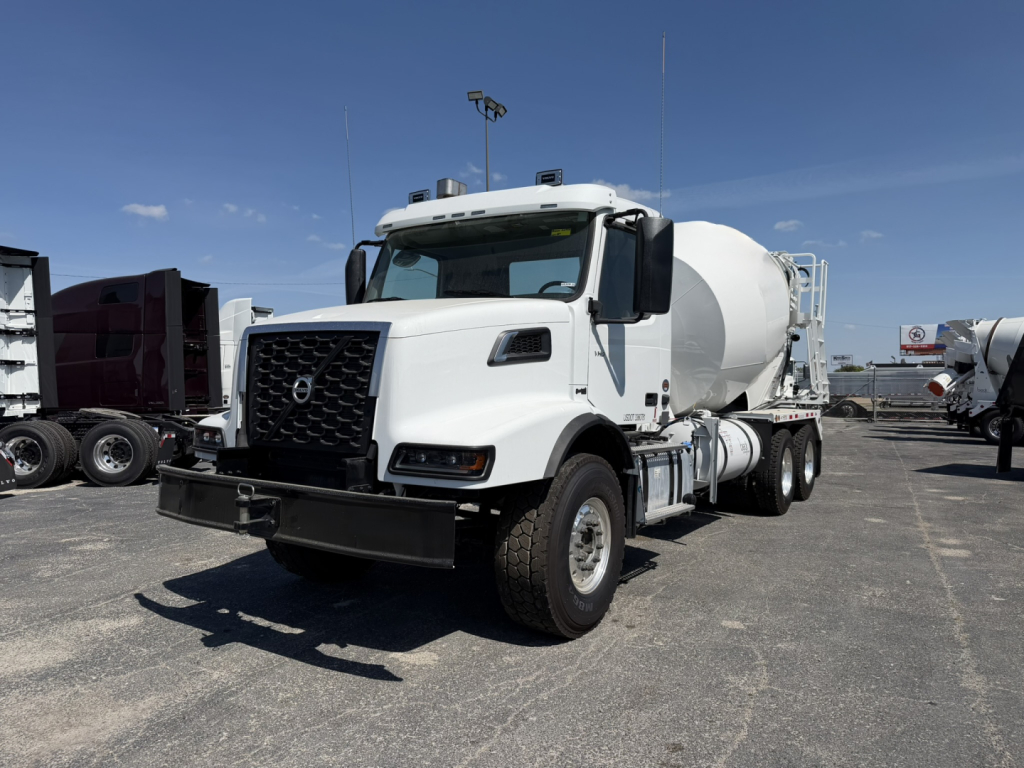
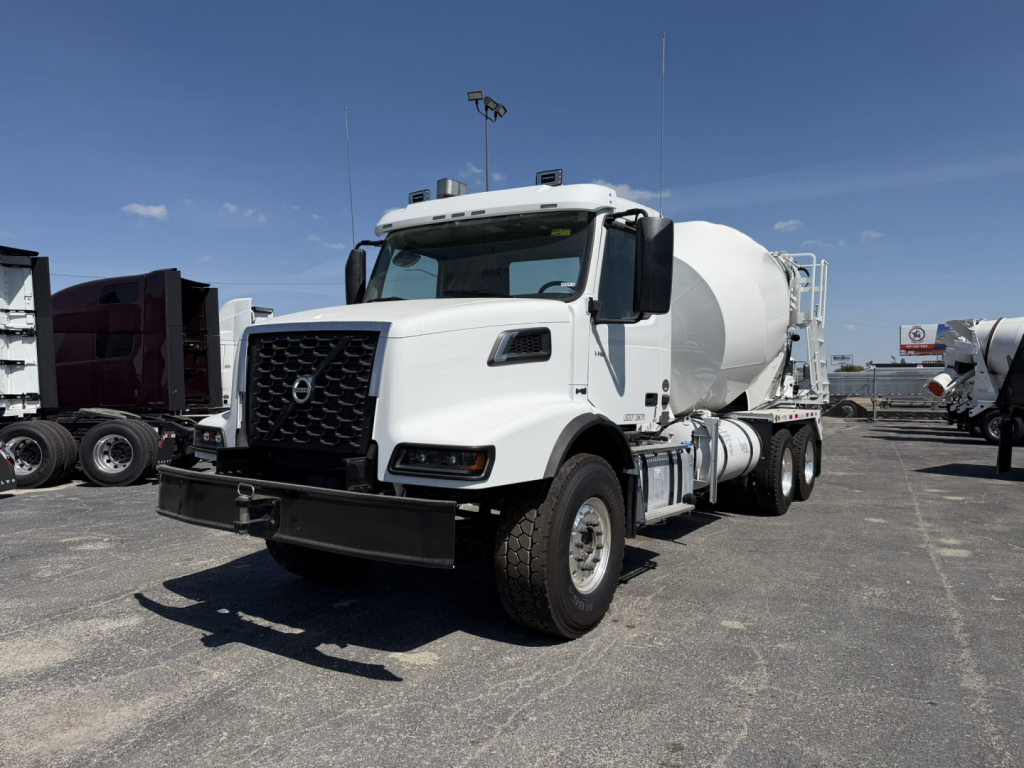
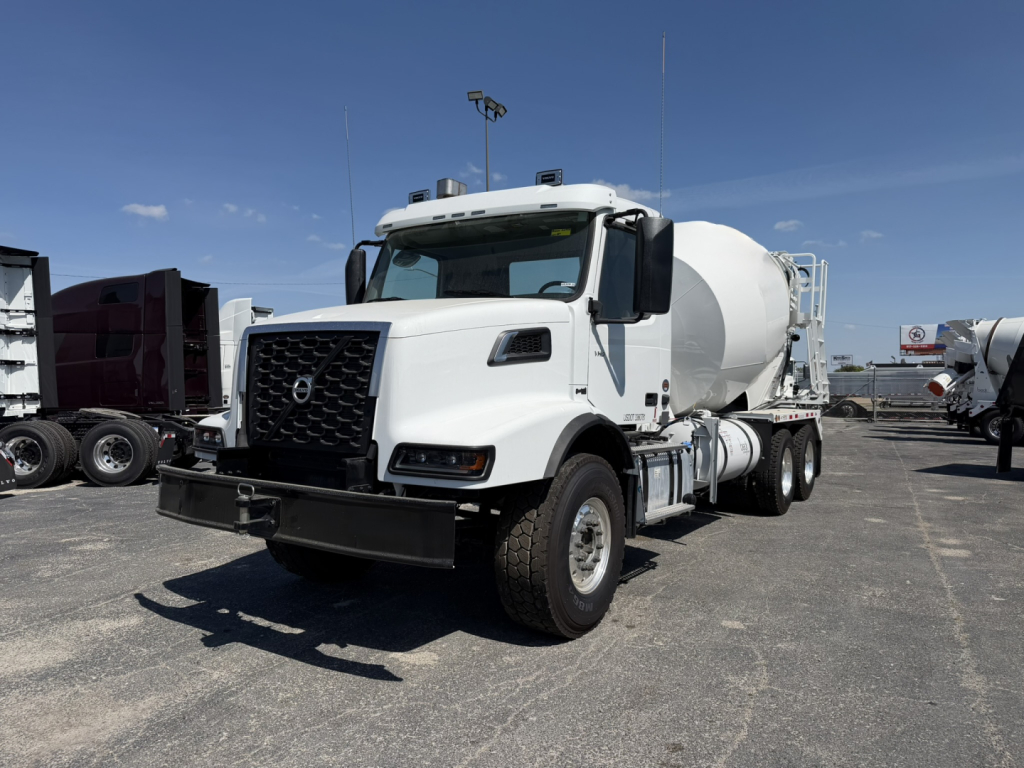
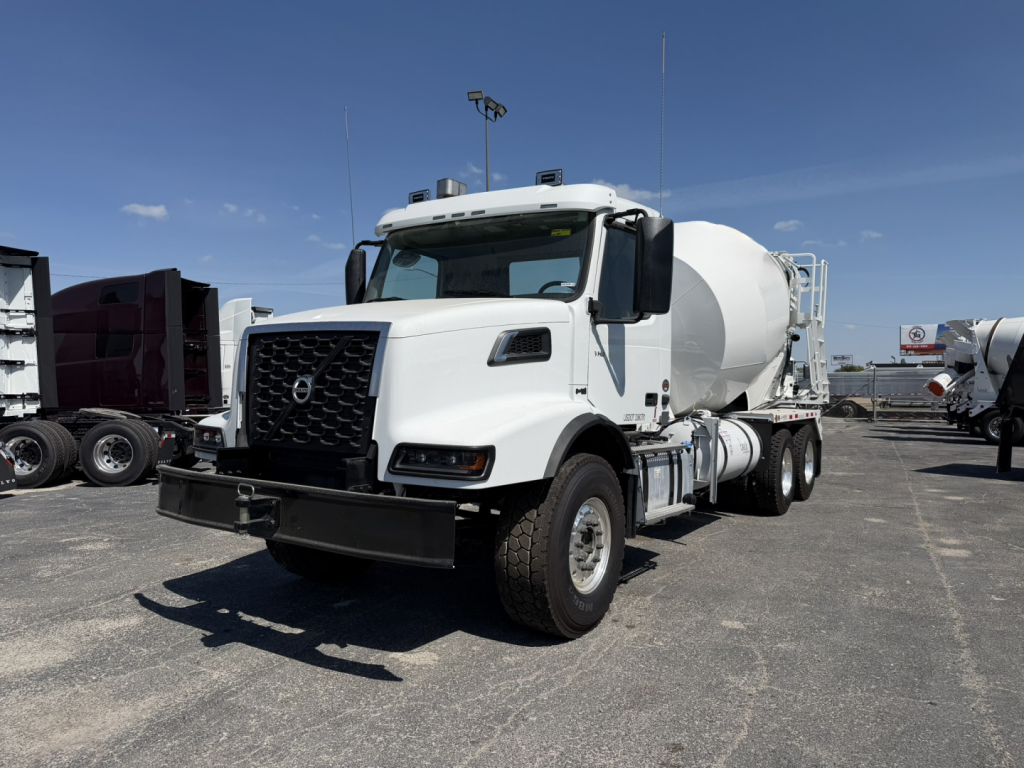
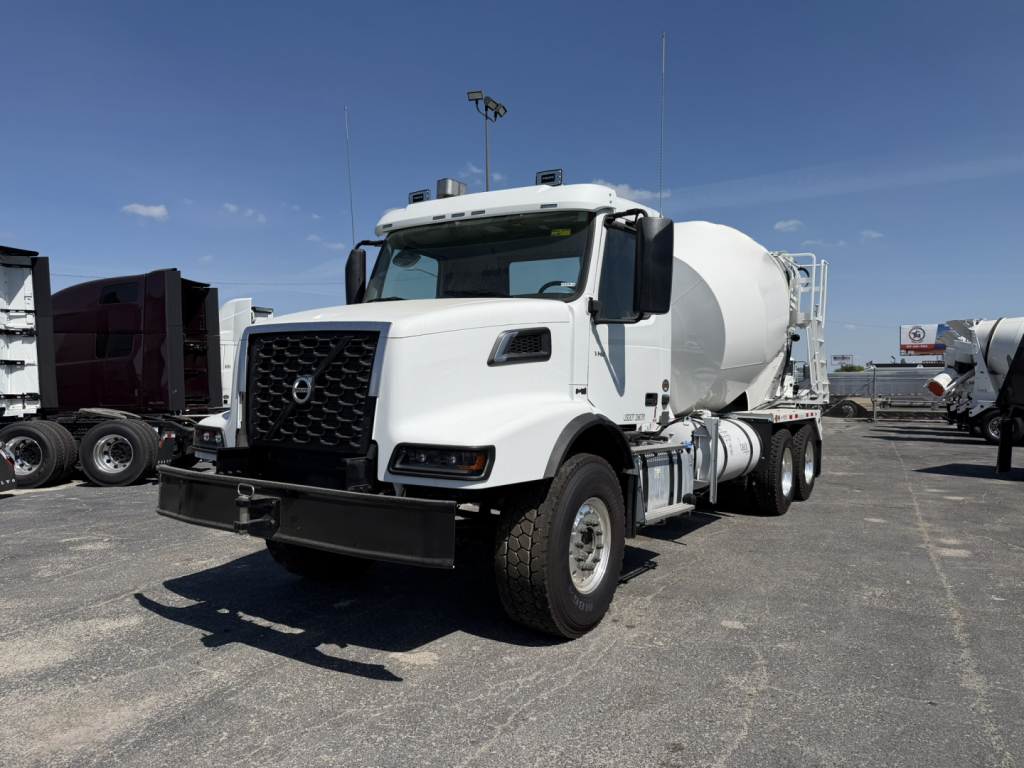
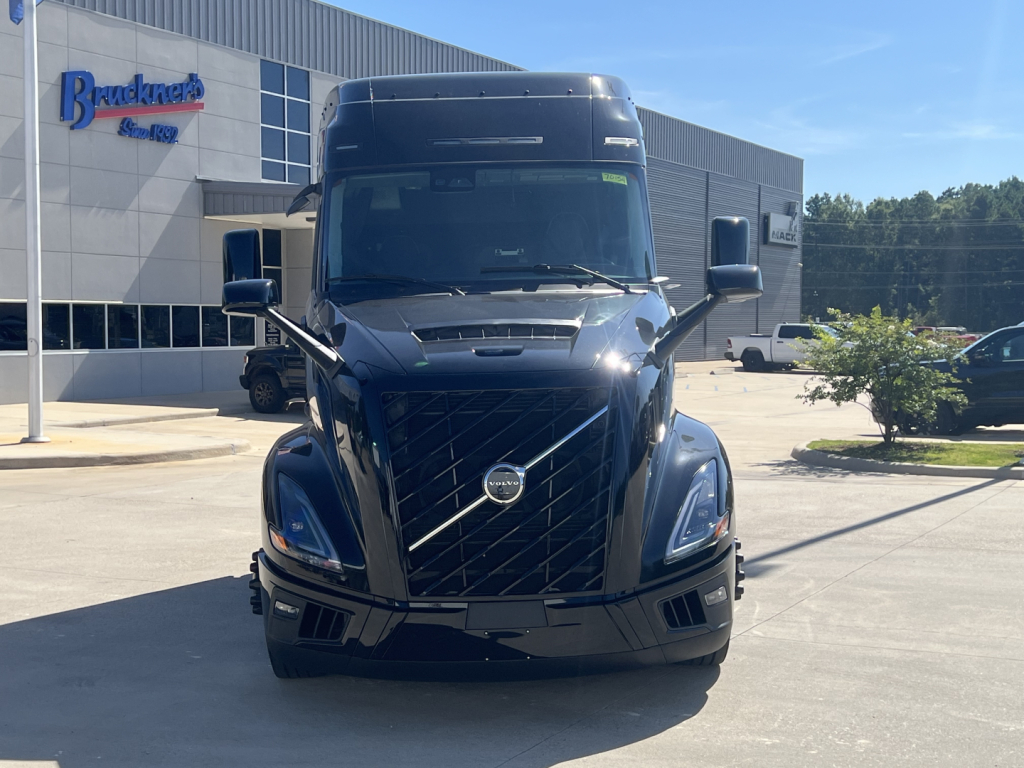
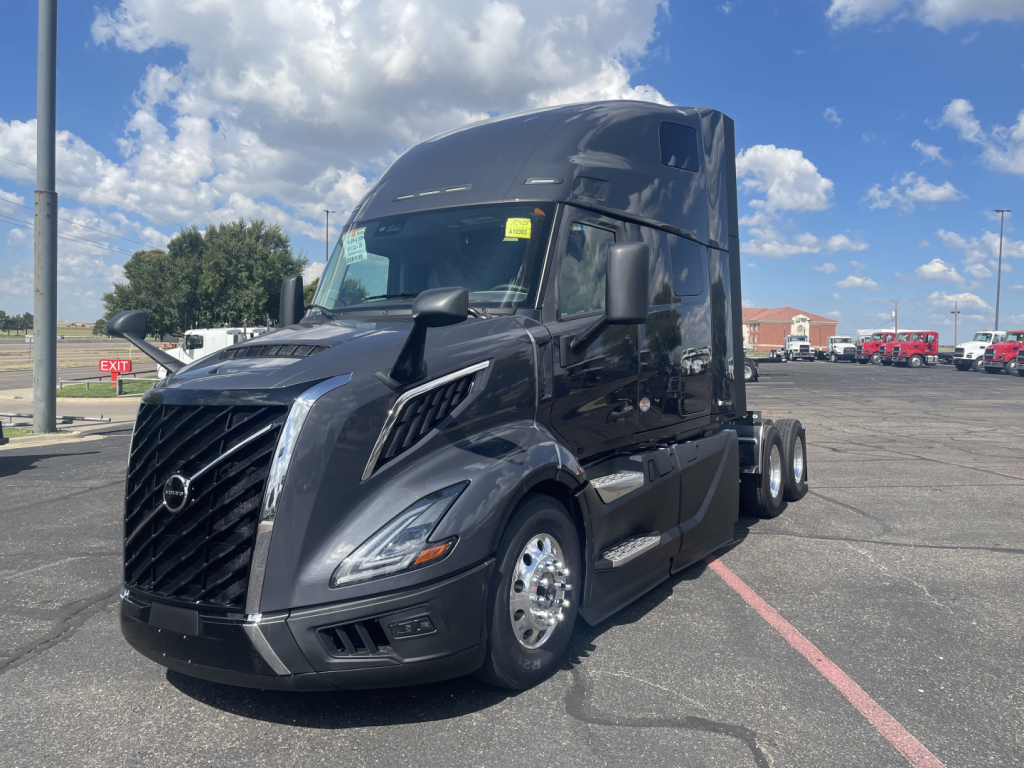
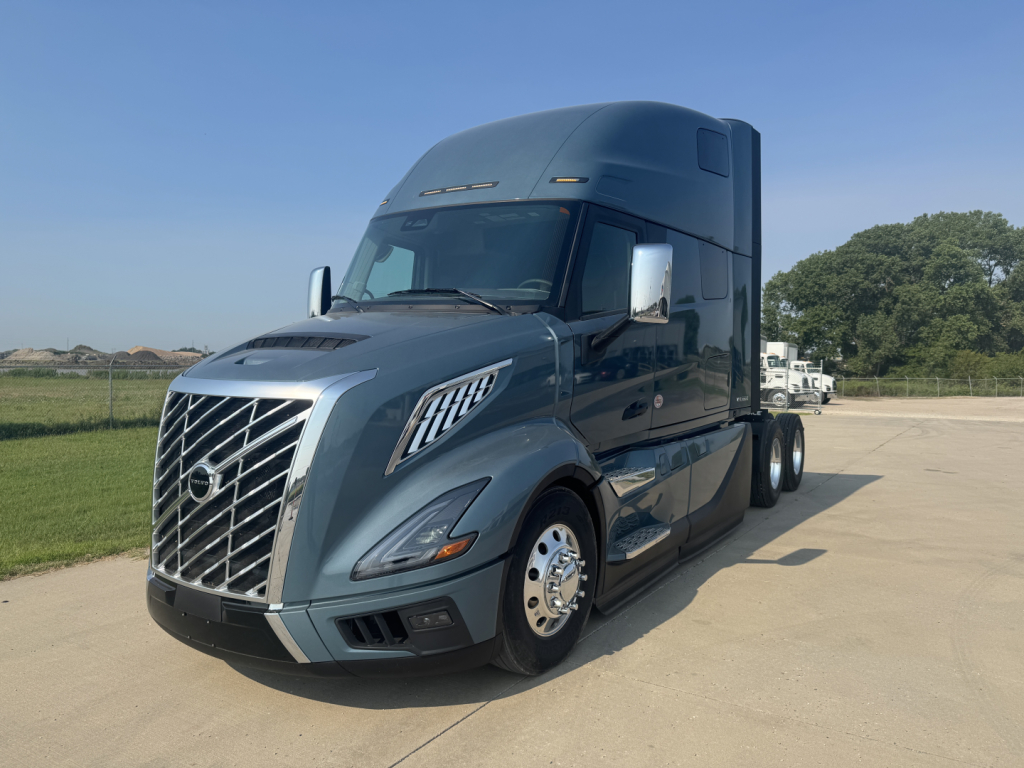
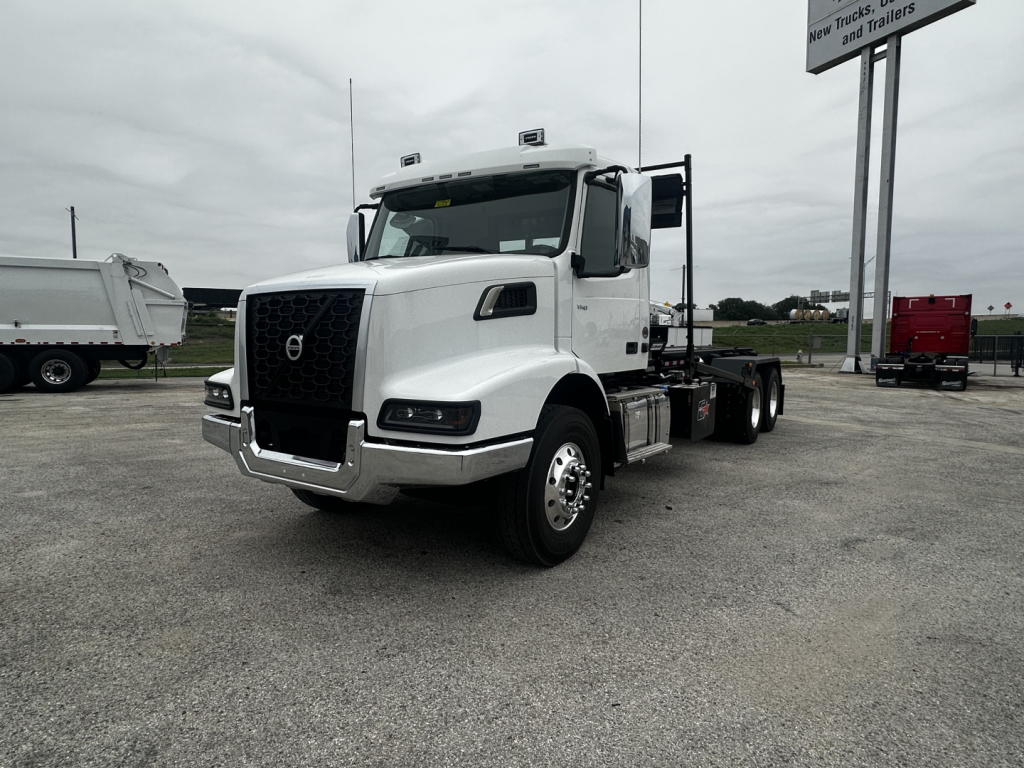
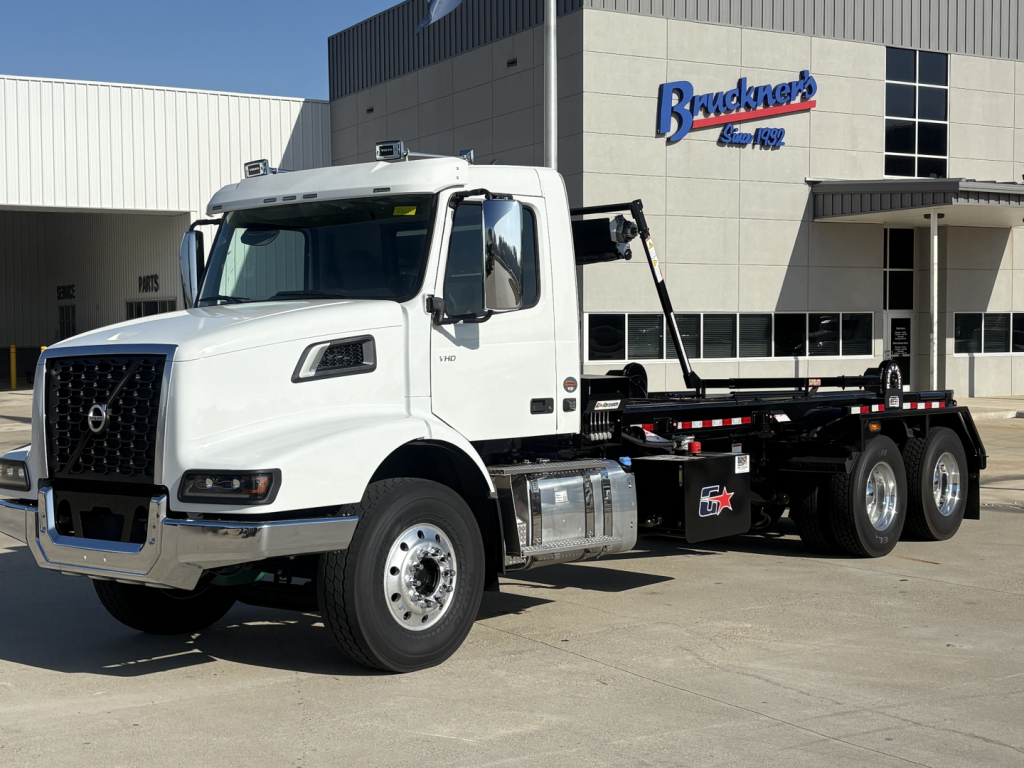
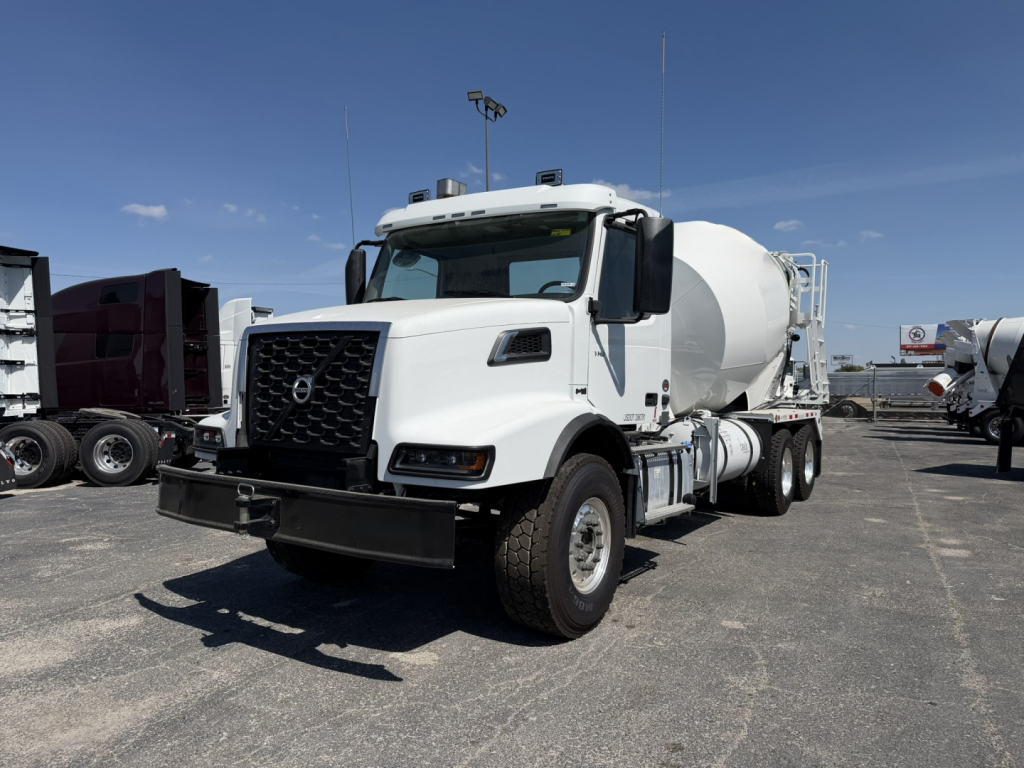
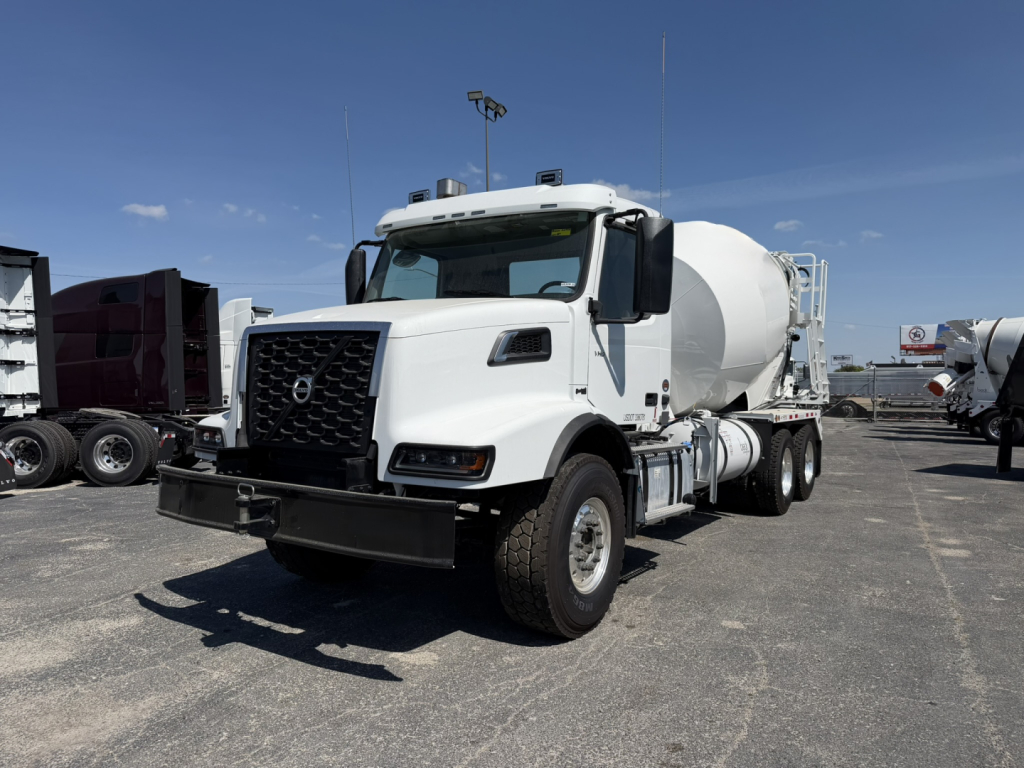
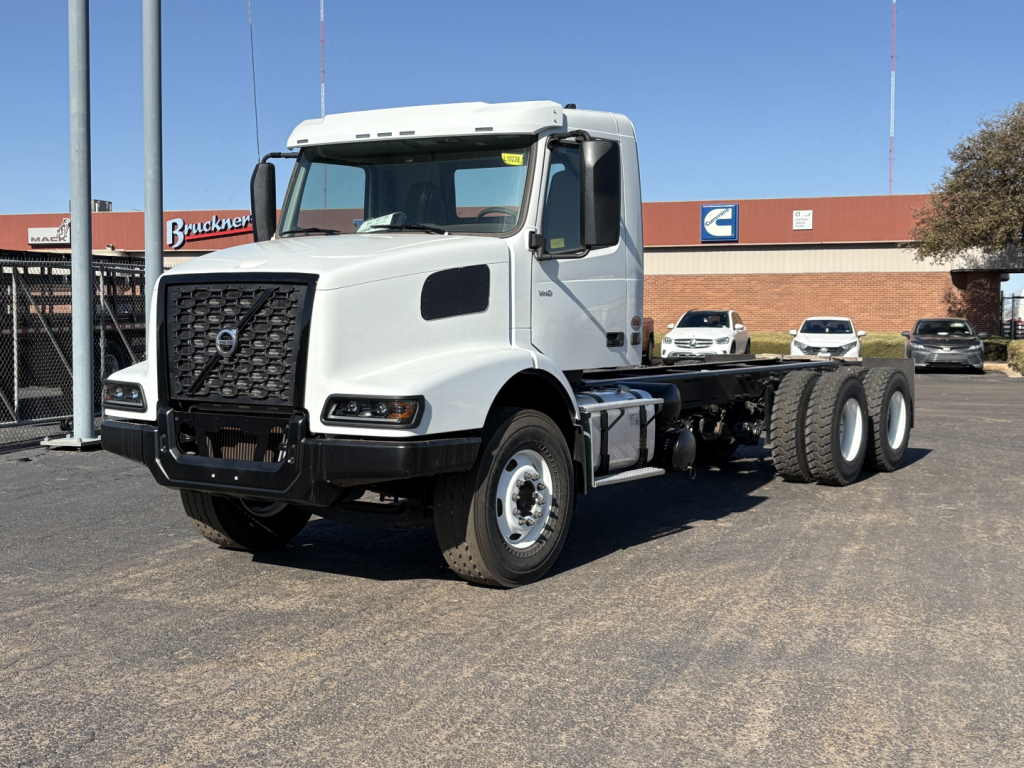
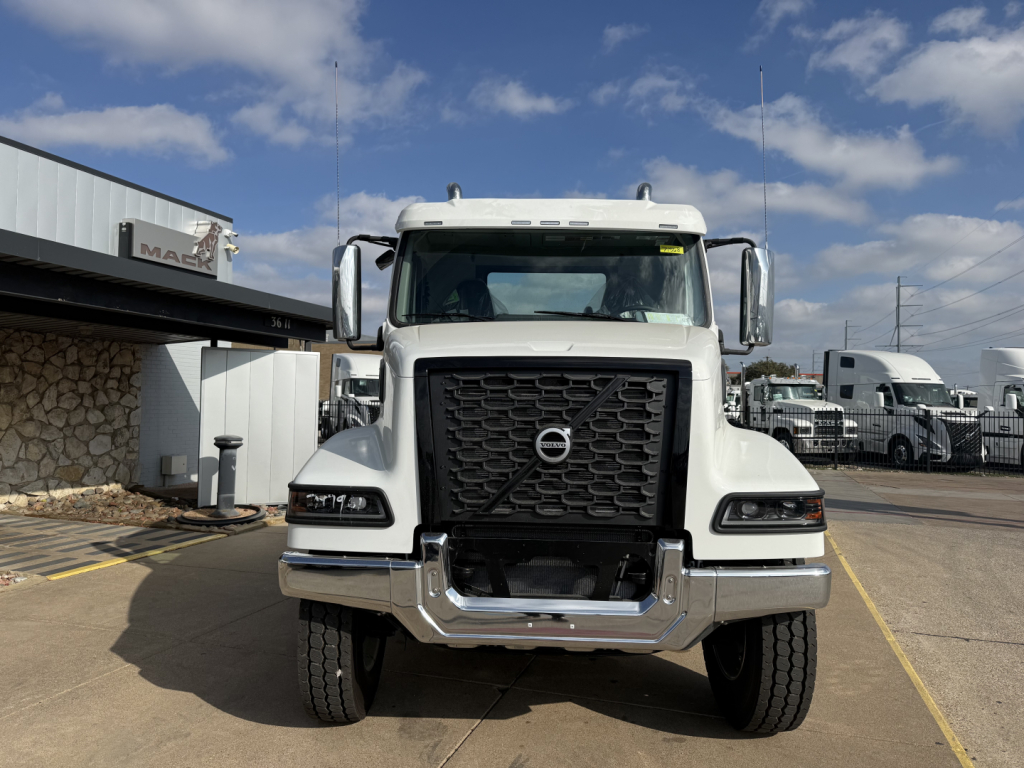
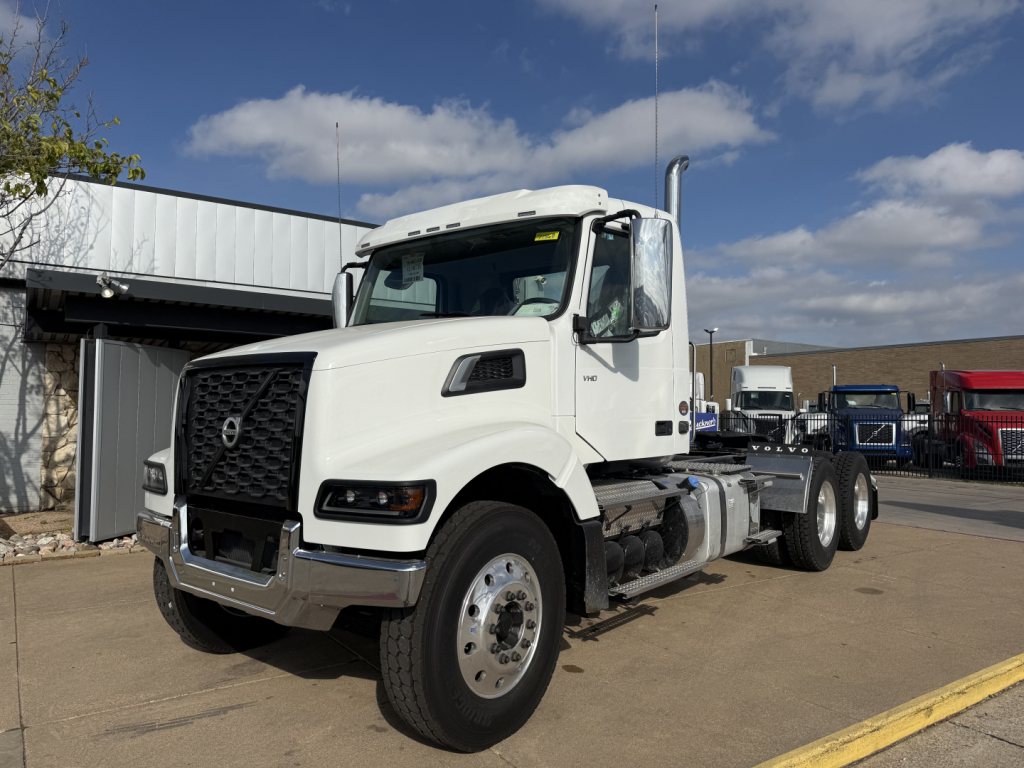
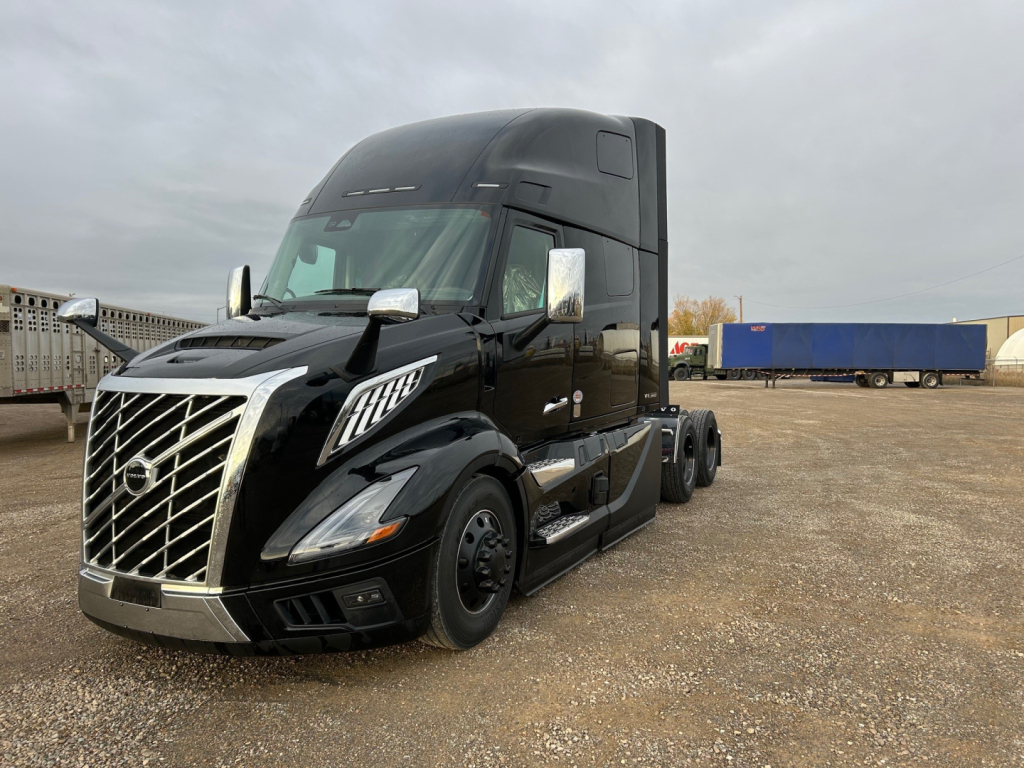
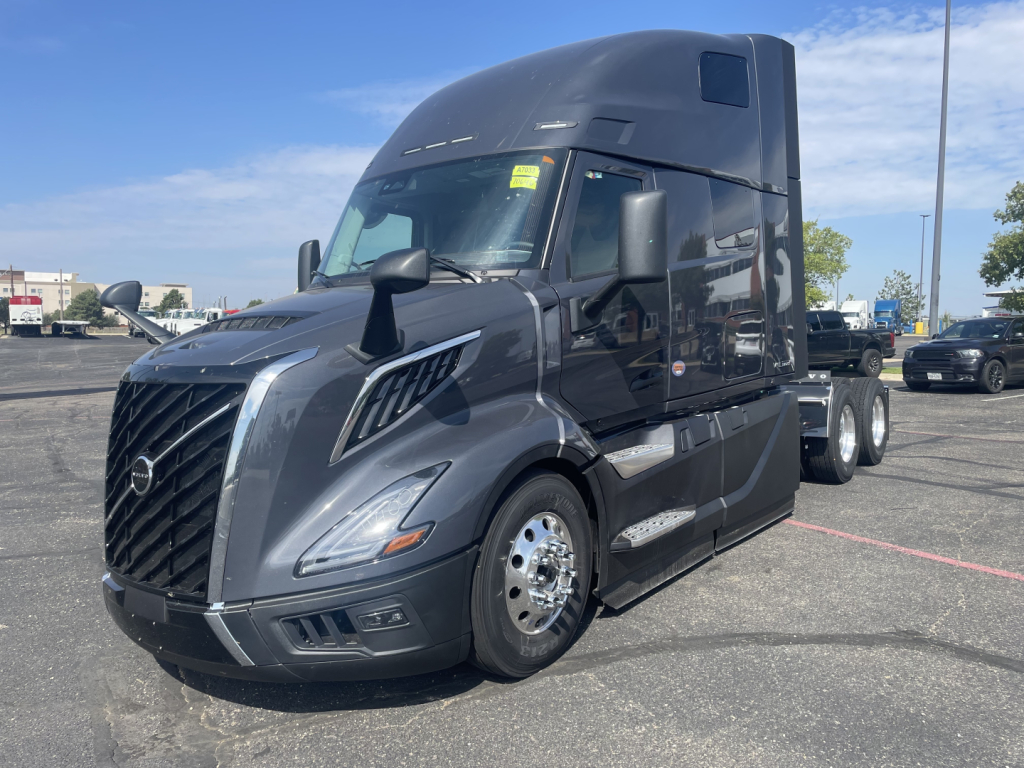
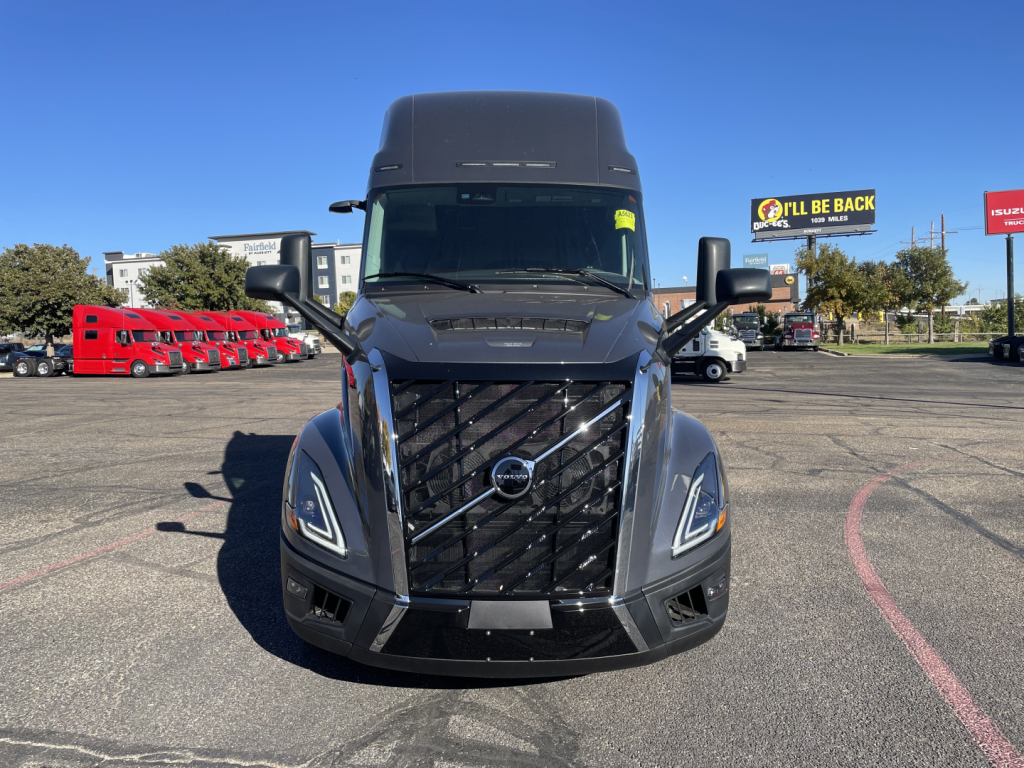
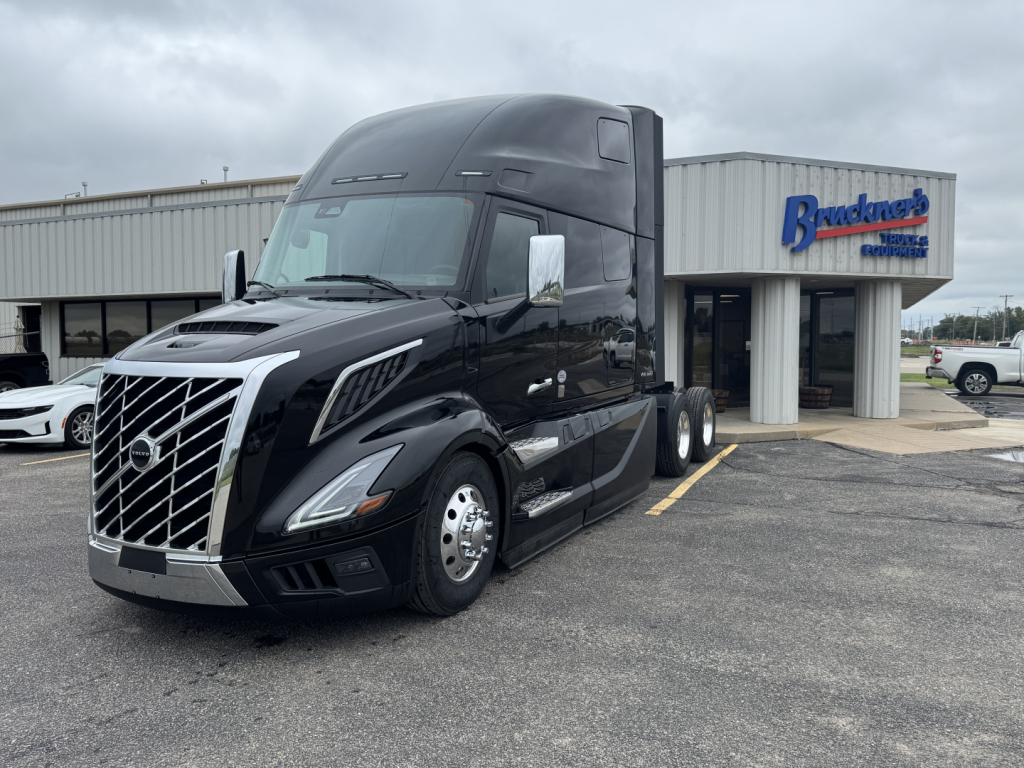
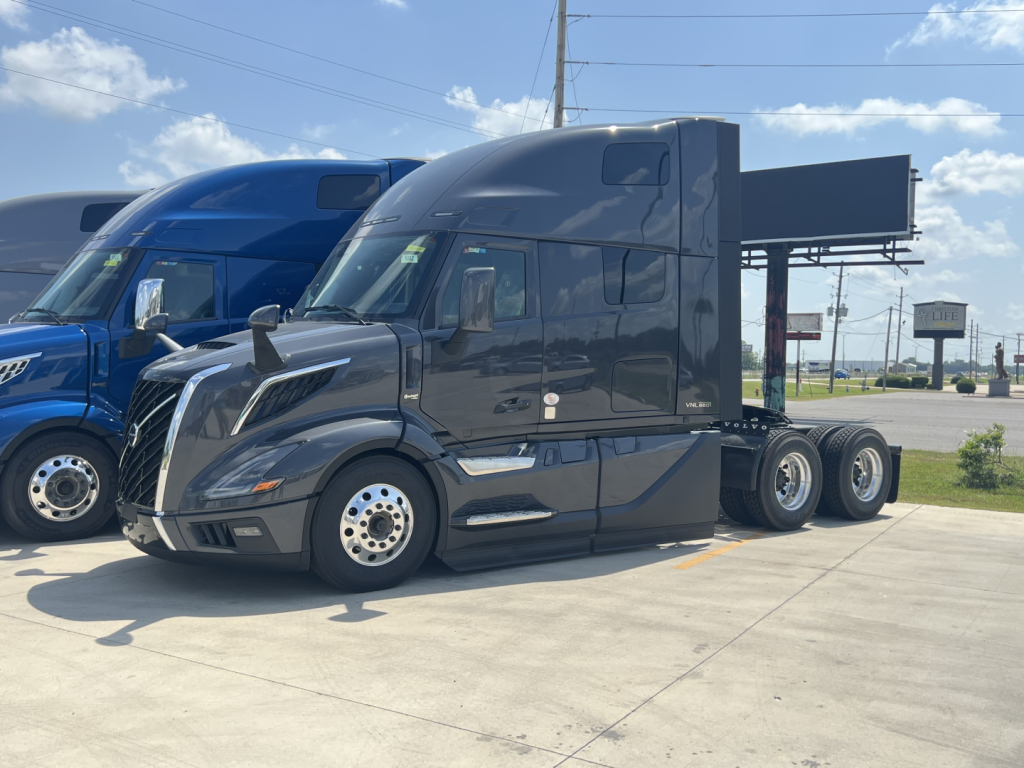
Selling a 2026 volvo truck? List your 2026 volvo truck for sale and reach thousands of commercial buyers.
2026 Volvo Trucks
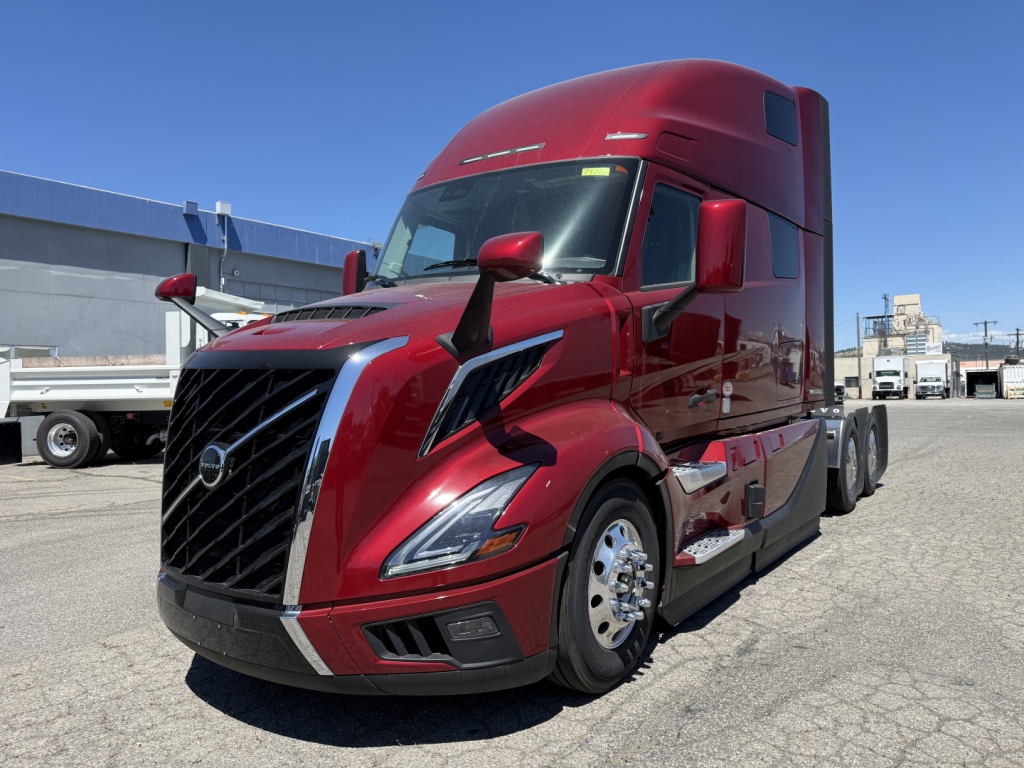
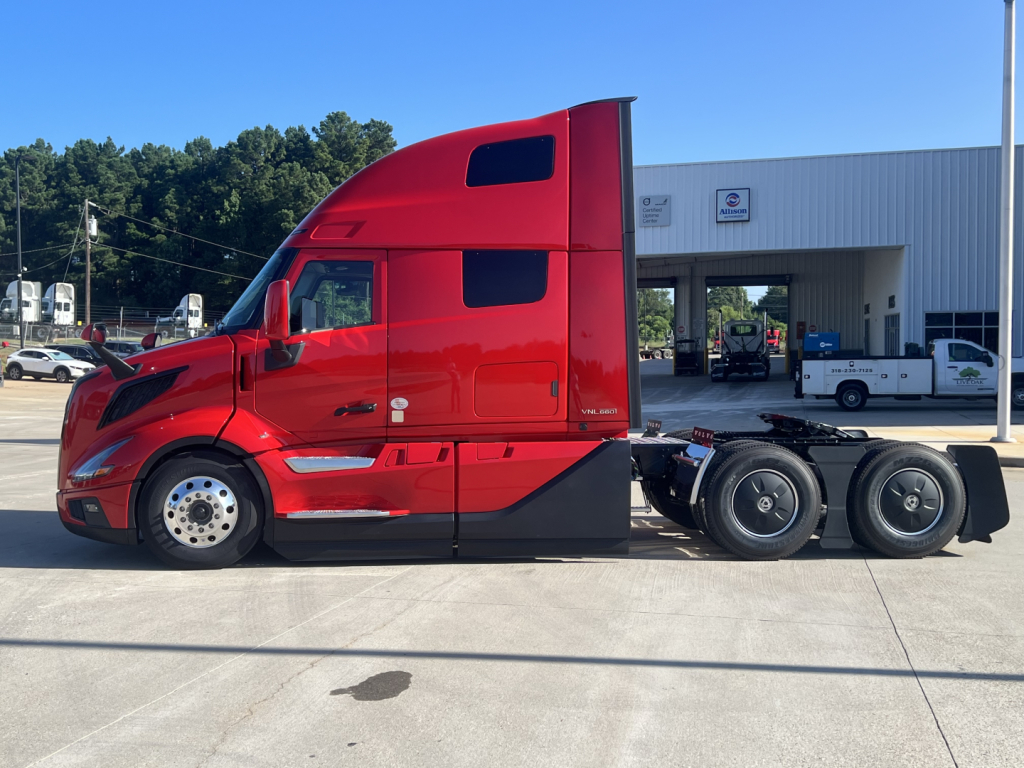
For sleeper tractors, the main buying considerations are bunk layout, fuel capacity, wheelbase, and the balance between payload and ride quality. Volvo has built a strong reputation in over-the-road service for quiet cabs, supportive driver ergonomics, and efficient downspeeding specs when paired with the I-Shift and appropriate rear axle ratios. Buyers comparing 2026 Volvo VNL sleepers should pay close attention to roof height, fairing package, APU or idle management provisions, and fifth wheel setup. If the truck will stay in irregular route freight, service-plaza parking, or team operation, sleeper size and storage become just as important as horsepower.
Day cab buyers usually gravitate toward the Volvo VNR or day cab VNL configurations for regional haul, dedicated freight, port work, and distribution lanes. In this segment, turning radius, visibility, wheel cut, and cab access can matter more than sleeper amenities. Specs often center on D11 or D13 engines, automated transmissions, air ride suspensions, disc brake availability, and fuel tank sizing that fits the route profile without carrying unnecessary weight. For fleets and owner-operators alike, it also makes sense to evaluate collision mitigation systems, adaptive cruise, camera and telematics integration, and how easily the truck can be matched to dry van, reefer, tanker, or flatbed operations.
A careful 2026 Volvo truck comparison should also include serviceability and resale-related details. Check axle ratings, kingpin setting compatibility, tire size, front axle capacity, and frame layout before assuming one tractor will fit every trailer or freight mix. Volvo buyers often look for clean electrical integration, strong HVAC performance, and driveline specs that support both uptime and driver retention. The right truck is not just the newest one. It is the one with a cab, powertrain, and chassis spec that matches lane speed, gross combination weight, terrain, and maintenance expectations.
Frequently Asked Questions about 2026 Volvo Trucks
What are the main 2026 Volvo truck models buyers usually compare?
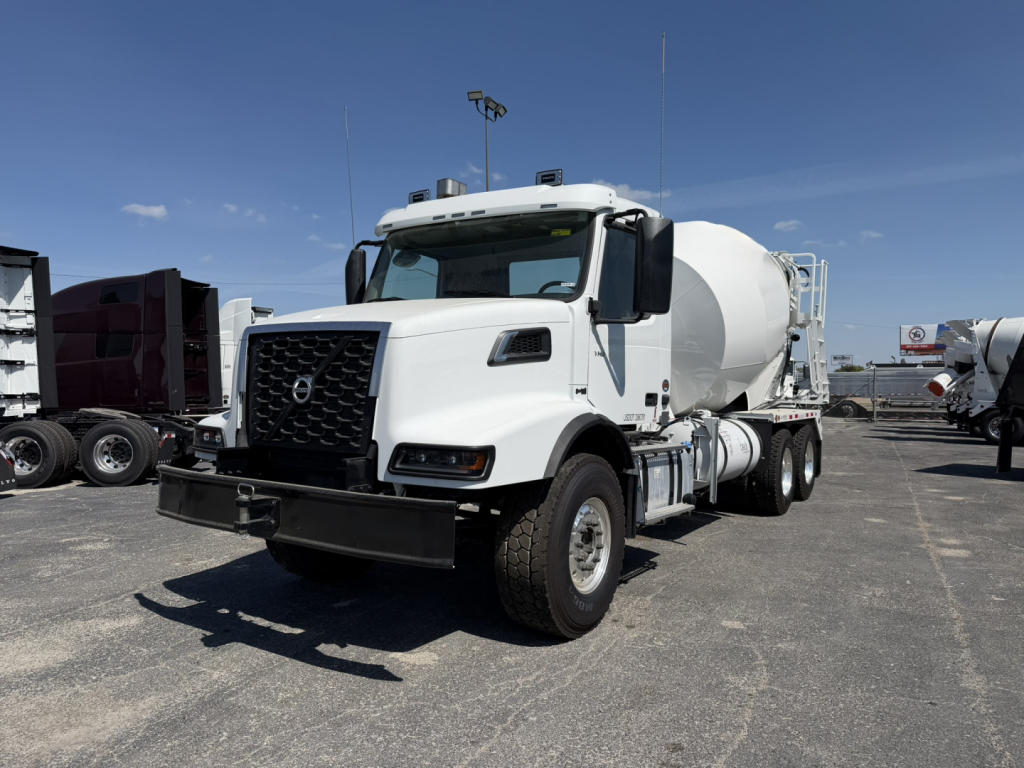
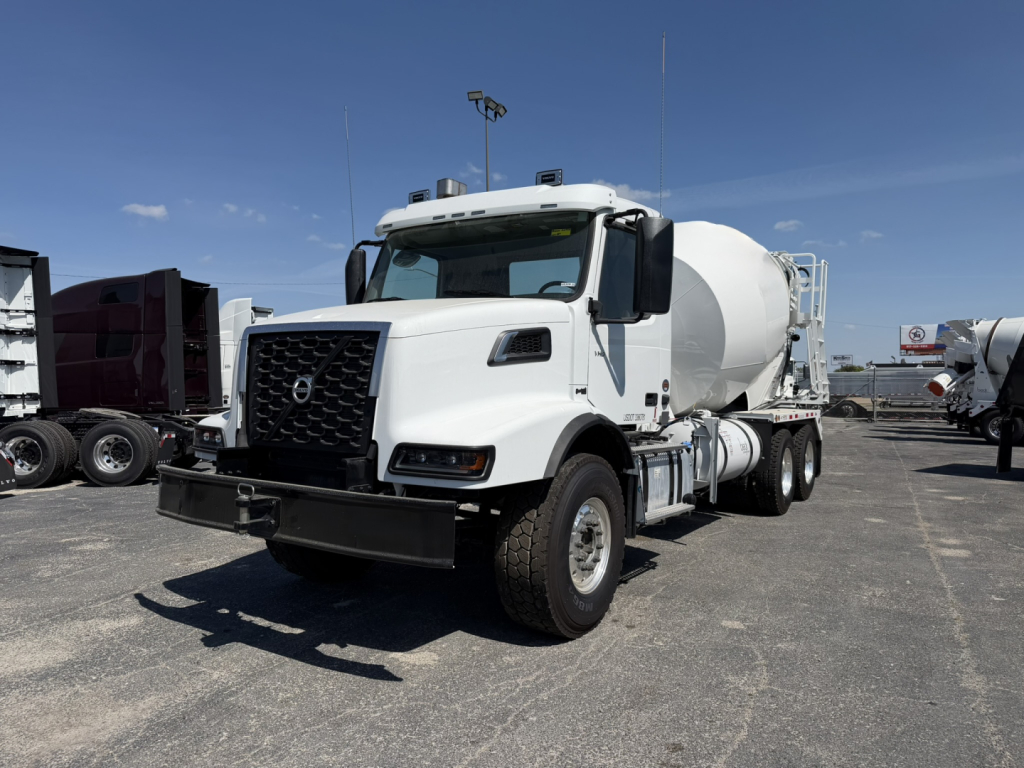
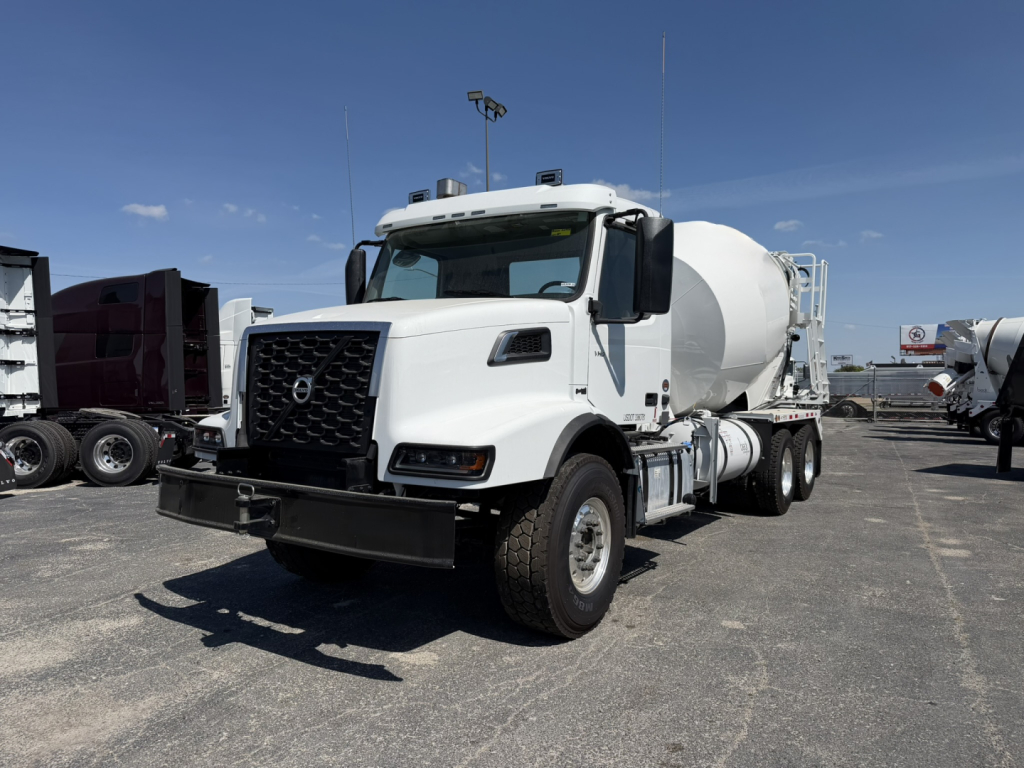
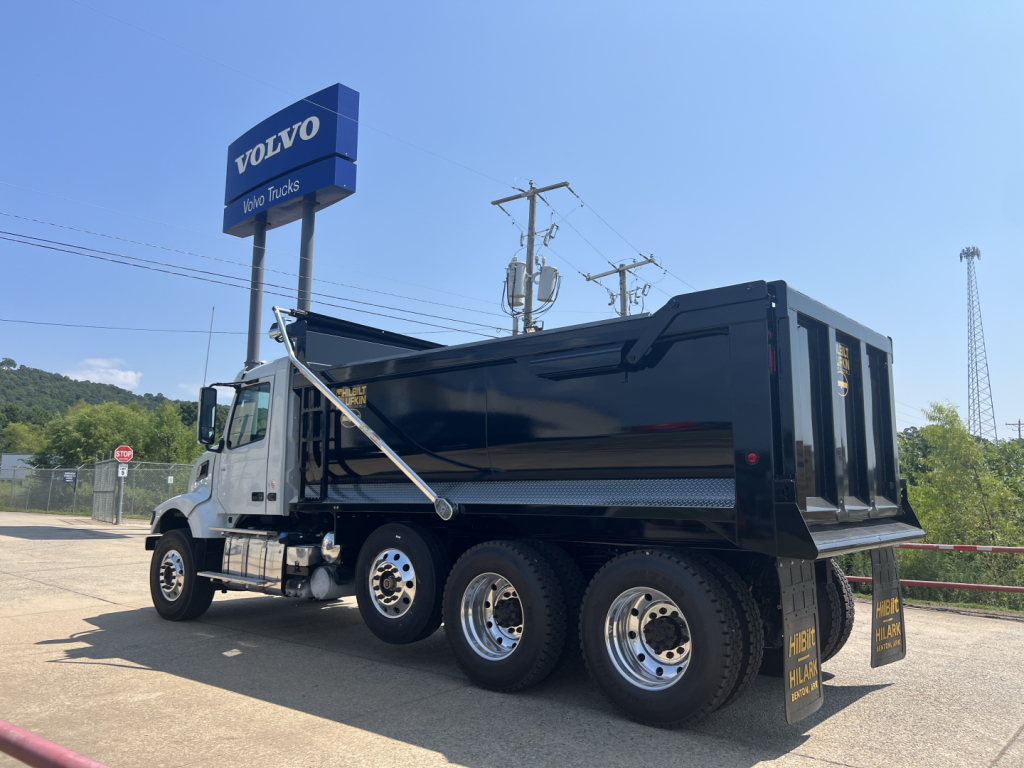
Most buyers compare the Volvo VNL, VNR, and VHD families. The VNL is generally aimed at long-haul and sleeper applications, the VNR is commonly chosen for regional and city-focused work, and the VHD is more vocational and severe-duty oriented. The right choice depends on route length, trailer type, required maneuverability, and expected gross combination weight.
Is the Volvo I-Shift a good choice in a 2026 Volvo truck?
For many highway and regional applications, the Volvo I-Shift is one of the biggest reasons buyers choose the brand. It is widely used because it helps with shift consistency, fuel economy, and driver acceptance, especially in fleets with mixed experience levels. Buyers should still confirm the transmission model, gearing strategy, and rear axle ratio so the truck is matched to terrain, payload, and cruising speed.
What should I look for in a 2026 Volvo sleeper tractor?
Focus on bunk size, roof height, storage layout, fuel capacity, wheelbase, and aerodynamic equipment. A sleeper tractor spec should support the type of freight and length of haul it will run, not just provide horsepower. Rear axle ratio, APU provisions, air slide fifth wheel configuration, and idle management features can all affect operating cost and driver satisfaction.
Are 2026 Volvo day cabs a good fit for regional freight?
Yes, Volvo day cabs are commonly used in regional haul, dedicated routes, and distribution work where maneuverability and driver access matter more than sleeper space. Buyers should compare visibility, wheelbase, fuel tank capacity, front axle rating, and suspension spec. Matching the cab to the route and trailer type is more important than simply choosing the highest available horsepower.
How important are axle ratio and wheelbase on a 2026 Volvo truck?
They are critical because both directly affect fuel economy, turning radius, ride quality, and trailer compatibility. A taller rear axle ratio may improve startability and grade performance, while a faster ratio may support better highway fuel mileage when paired correctly with the engine and transmission. Wheelbase influences bridge law, weight distribution, and how well the truck fits docks, terminals, and tighter customer locations.