
2026 Volvo Trucks For Sale in Louisiana
Shop 2026 Volvo trucks for sale in Louisiana, including VNL sleepers and heavy-spec VHD daycabs built for long haul and vocational work.
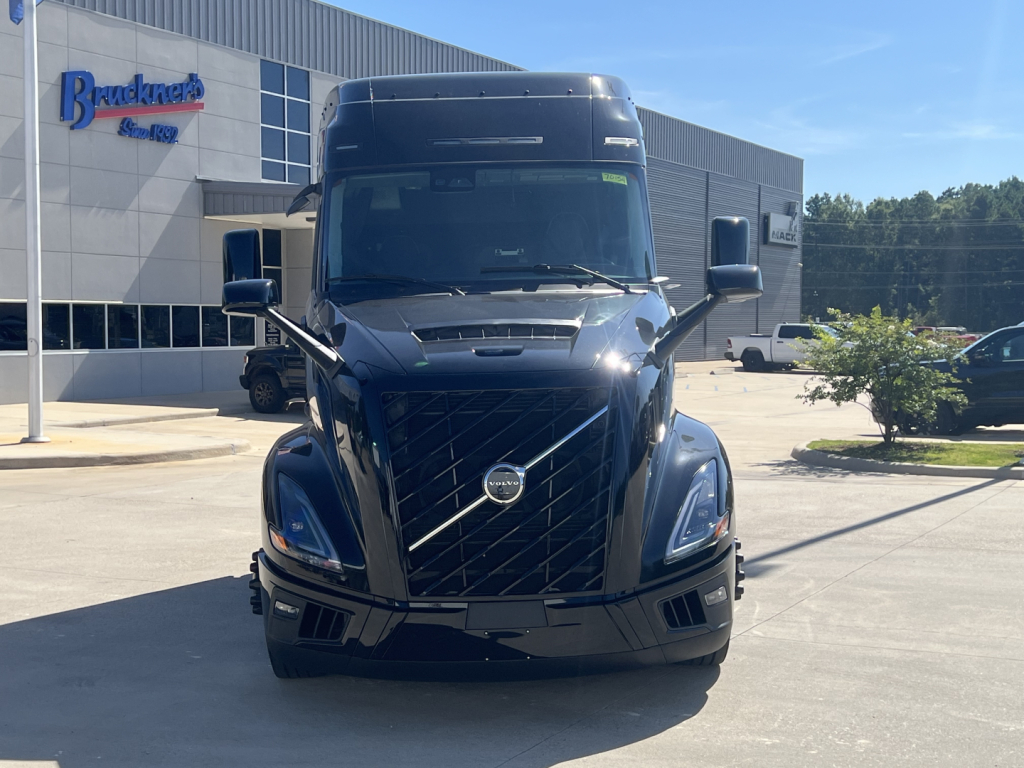
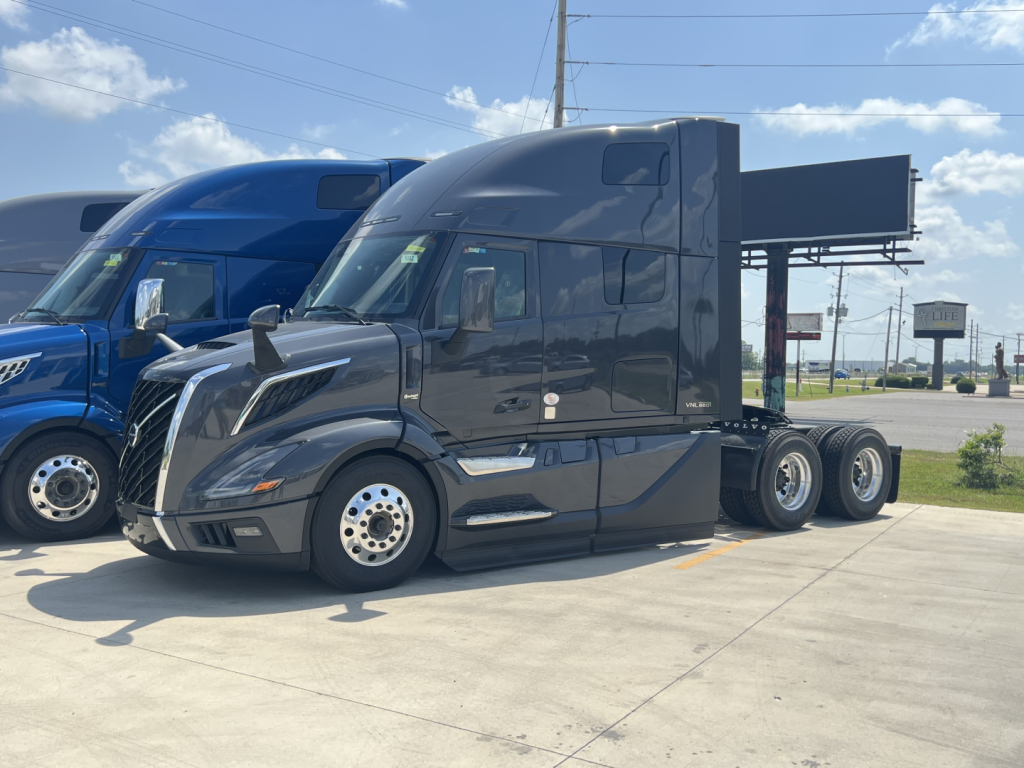
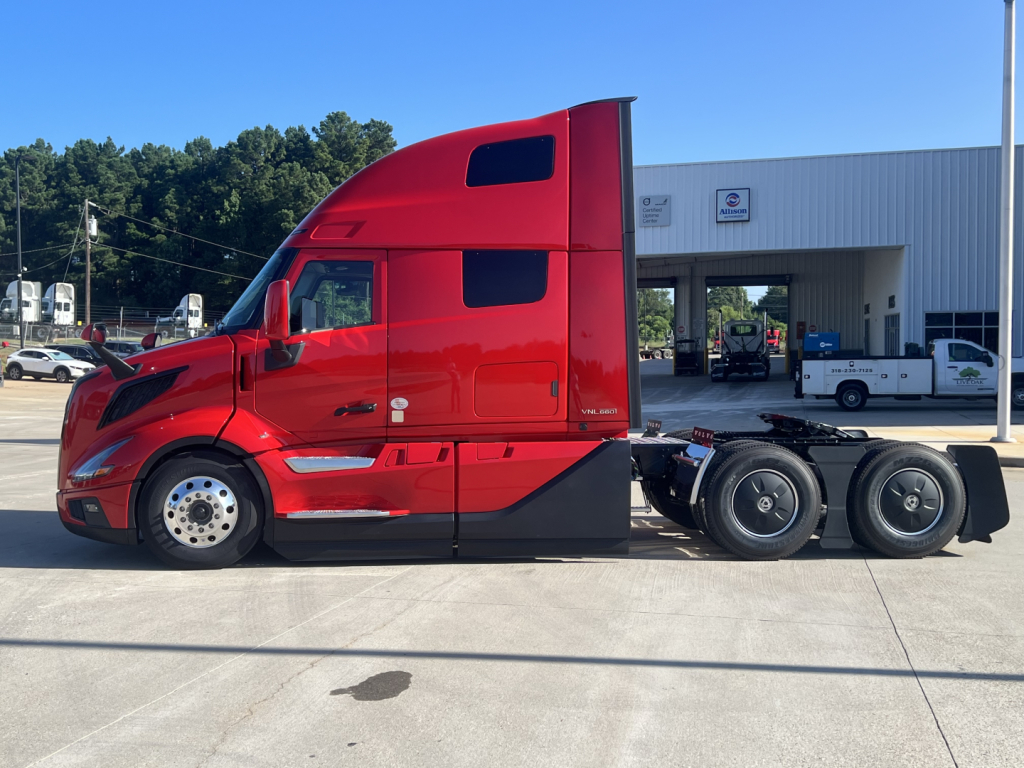
Selling a 2026 volvo truck? List your 2026 volvo truck for sale and reach thousands of commercial buyers.
2026 Volvo Trucks in Louisiana
For over-the-road use, 2026 Volvo VNL sleepers are typically selected for regional and long-haul operations where aerodynamics, cab ergonomics, and uptime matter as much as horsepower. Common specs include Volvo D13 power, automated I-Shift transmissions, tandem drive axles, and sleeper layouts ranging from mid-roof to larger raised-roof configurations. Buyers should pay close attention to wheelbase, fuel capacity, sleeper size, rear axle ratio, and whether the truck is optimized for dry van, reefer, or general freight. Features like a cab parking cooler, premium bunk setup, integrated safety systems, and a well-designed dash layout can make a real difference in driver retention and rest-period comfort, especially in Louisiana heat and humidity.
For construction, dump, equipment haul, and other demanding applications, the 2026 Volvo VHD is built with a heavier vocational focus. Typical specs can include a Volvo D13 in the mid-400 horsepower range, an I-Shift HD automated transmission, 14,000-plus lb steer axles, 46,000 lb rear axles, locking differentials, and air ride or vocational suspension options depending on the body or trailer setup. All-wheel disc brakes are also a notable spec on many modern Volvo trucks because they improve stopping performance and service consistency. Buyers looking at a VHD should match the truck to the job by confirming axle ratings, PTO compatibility, frame strength, suspension type, and whether the truck will spend most of its time on pavement, job sites, or mixed terrain.
Volvo trucks have long held a strong reputation for driver-focused cab design, safety technology, and efficient integrated powertrains. That matters in Louisiana, where trucks may see a mix of interstate freight, port-related hauling, energy-sector work, and stop-and-go vocational service in hot weather conditions. A smart comparison goes beyond model name alone. Check the cab style, GCWR target, transmission programming, suspension package, and cooling or idle-management features. A properly spec'd 2026 Volvo truck can be a strong fit for fleets focused on fuel economy and comfort, as well as operators who need a tougher daycab with the axle capacity and brake package to handle serious work.
Frequently Asked Questions about 2026 Volvo Trucks in Louisiana
What is the difference between a 2026 Volvo VNL and a 2026 Volvo VHD?
The Volvo VNL is primarily a highway tractor platform, commonly used for regional and long-haul freight. It is designed around aerodynamics, ride quality, sleeper comfort, and fuel-efficient integrated powertrains. The Volvo VHD is a vocational truck platform built for heavier-duty work such as construction, dump, equipment hauling, and severe-service applications. It typically carries higher axle ratings, heavier frames, and more jobsite-focused driveline and suspension specs.
Is the Volvo I-Shift a good transmission choice in a 2026 Volvo truck?
For many buyers, the Volvo I-Shift is a strong choice because it is well-matched to Volvo engines and helps balance fuel economy, drivability, and reduced driver fatigue. In highway service, it supports efficient shifting and easier operation in traffic or rolling terrain. In vocational applications, the I-Shift HD version is commonly spec'd for heavier loads and tougher start-stop duty cycles. The key is making sure the transmission programming, rear axle ratio, and intended gross weight line up with the truck's actual work.
What specs matter most when buying a 2026 Volvo sleeper in Louisiana?
The most important sleeper-truck specs usually include sleeper size, wheelbase, fuel capacity, engine rating, rear axle ratio, and transmission setup. In Louisiana, climate-related features such as a parking cooler or other idle-reduction equipment can also be important for driver comfort during off-duty periods. Buyers should also consider the freight lane, trailer type, and average payload, because those factors affect whether the truck should be optimized for maximum fuel economy, stronger grade performance, or a balance of both.
What should I look for in a 2026 Volvo VHD for vocational work?
Start with axle ratings, suspension type, frame specification, and differential setup. A vocational truck needs to be matched closely to the body, trailer, and terrain it will see every day. For example, a heavier steer axle, 46,000 lb rears, full lockers, PTO provisions, and a severe-duty transmission can be important for dump, equipment transport, or jobsite work. Brake type, wheelbase, and cab configuration also matter because they affect maneuverability, serviceability, and legal payload distribution.
Are 2026 Volvo trucks a good fit for fleet buyers and owner-operators?
Yes, but for different reasons depending on the operation. Fleet buyers often value Volvo for integrated safety systems, fuel-efficient powertrains, and cab designs that support driver comfort and retention. Owner-operators often focus on ride quality, sleeper amenities, and the overall balance between operating cost and comfort on longer runs. The best fit comes down to choosing the correct model family, then spec'ing the truck around lane, load, and expected annual mileage.